Attractions and Places To See around Saint-Sauveur-De-Peyre - Top 20
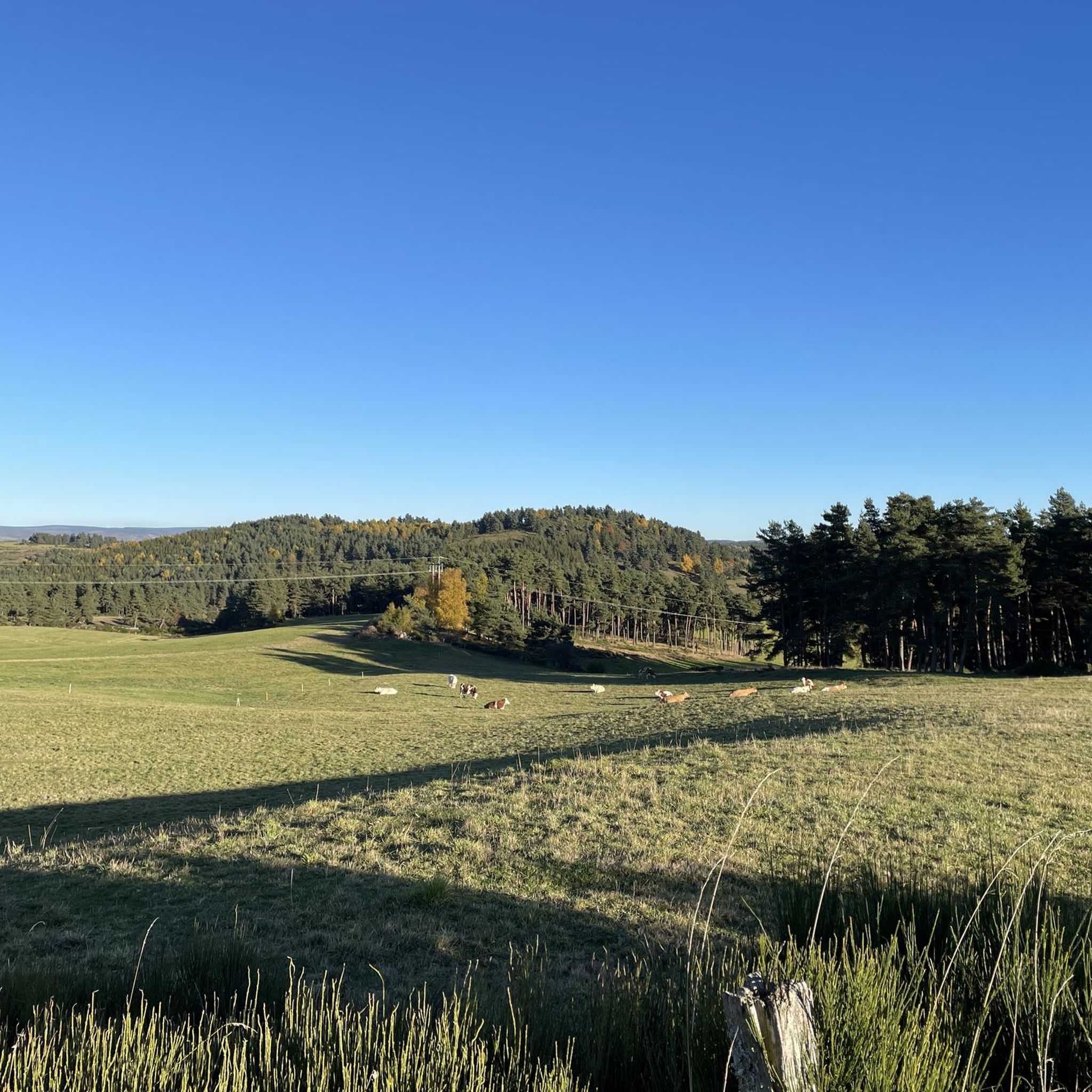
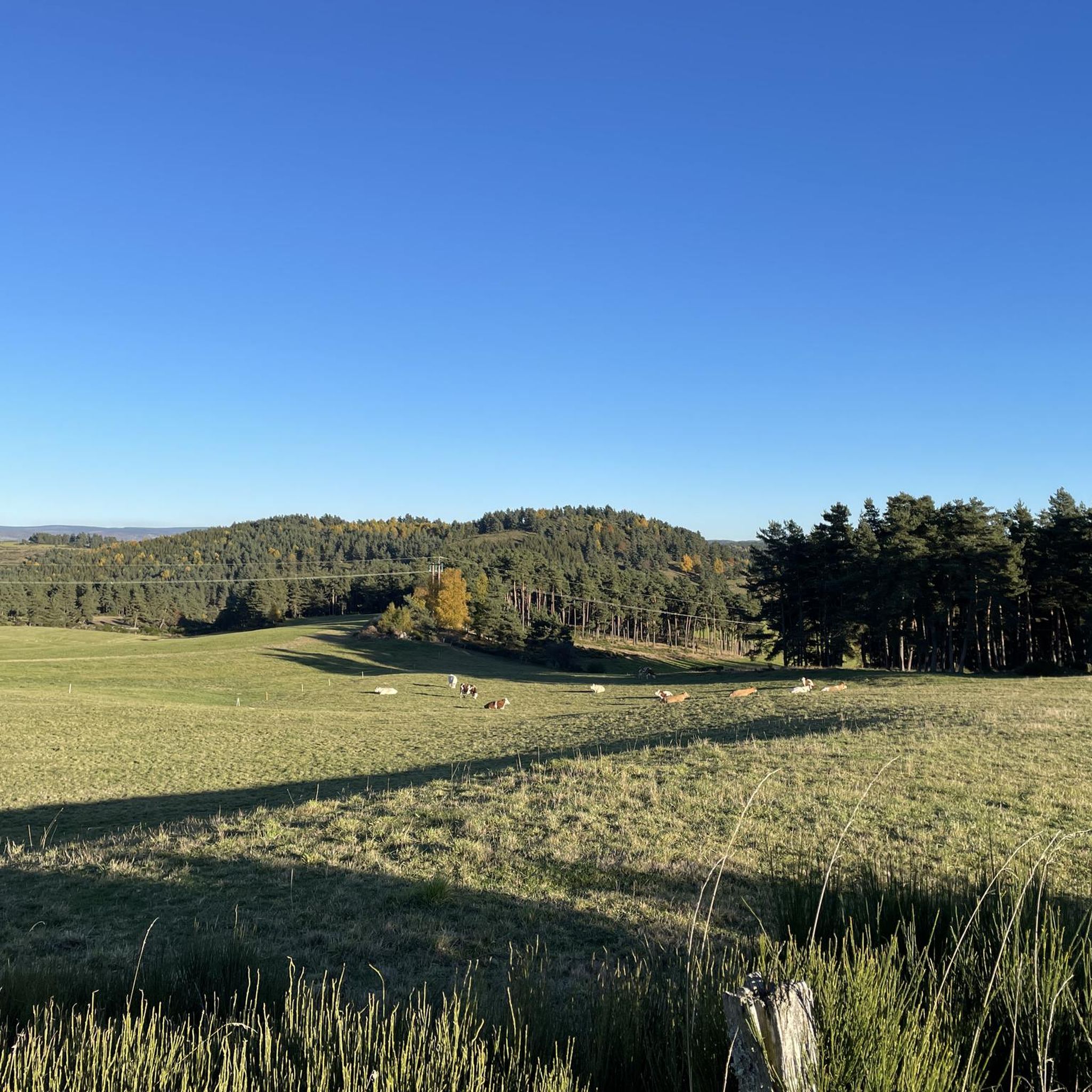
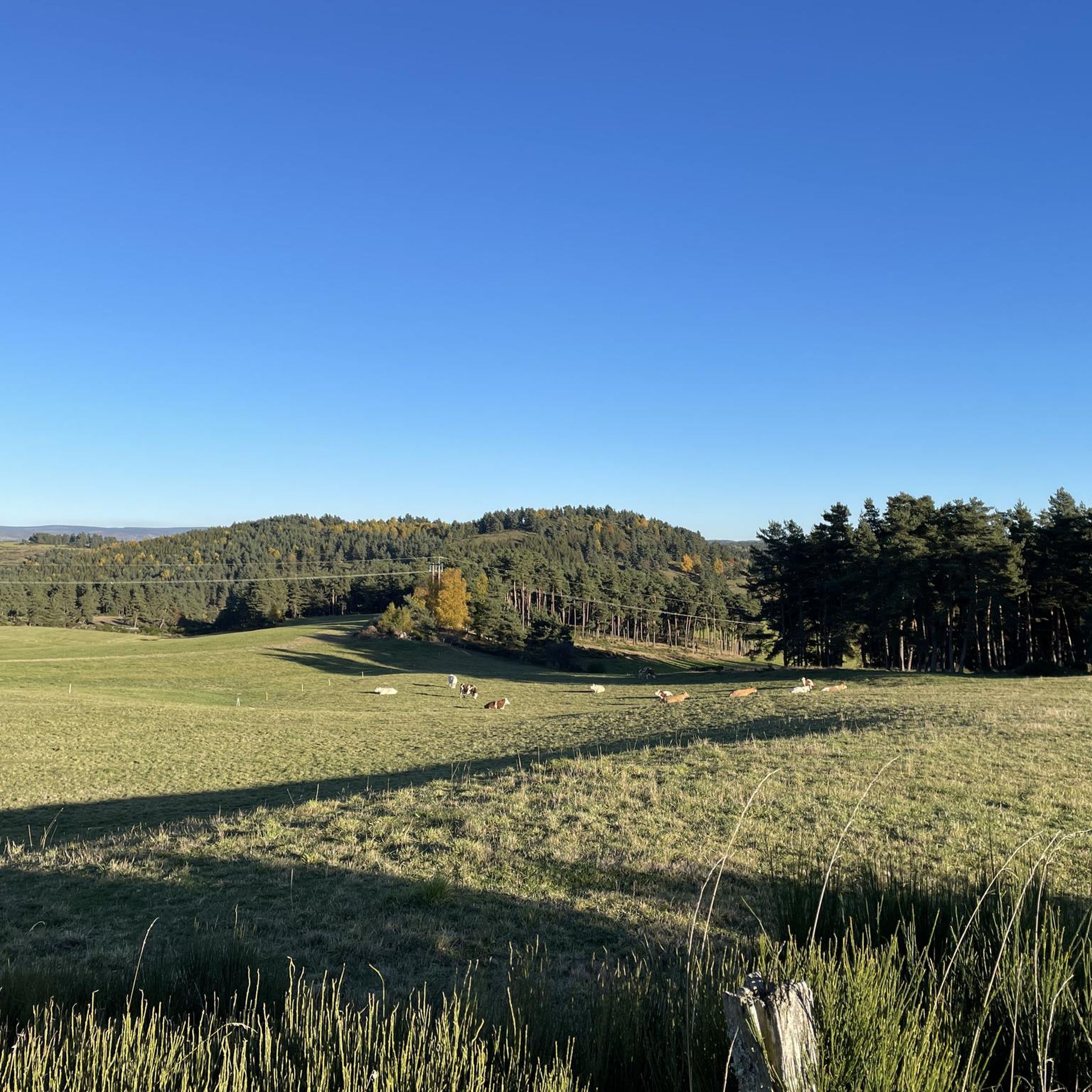
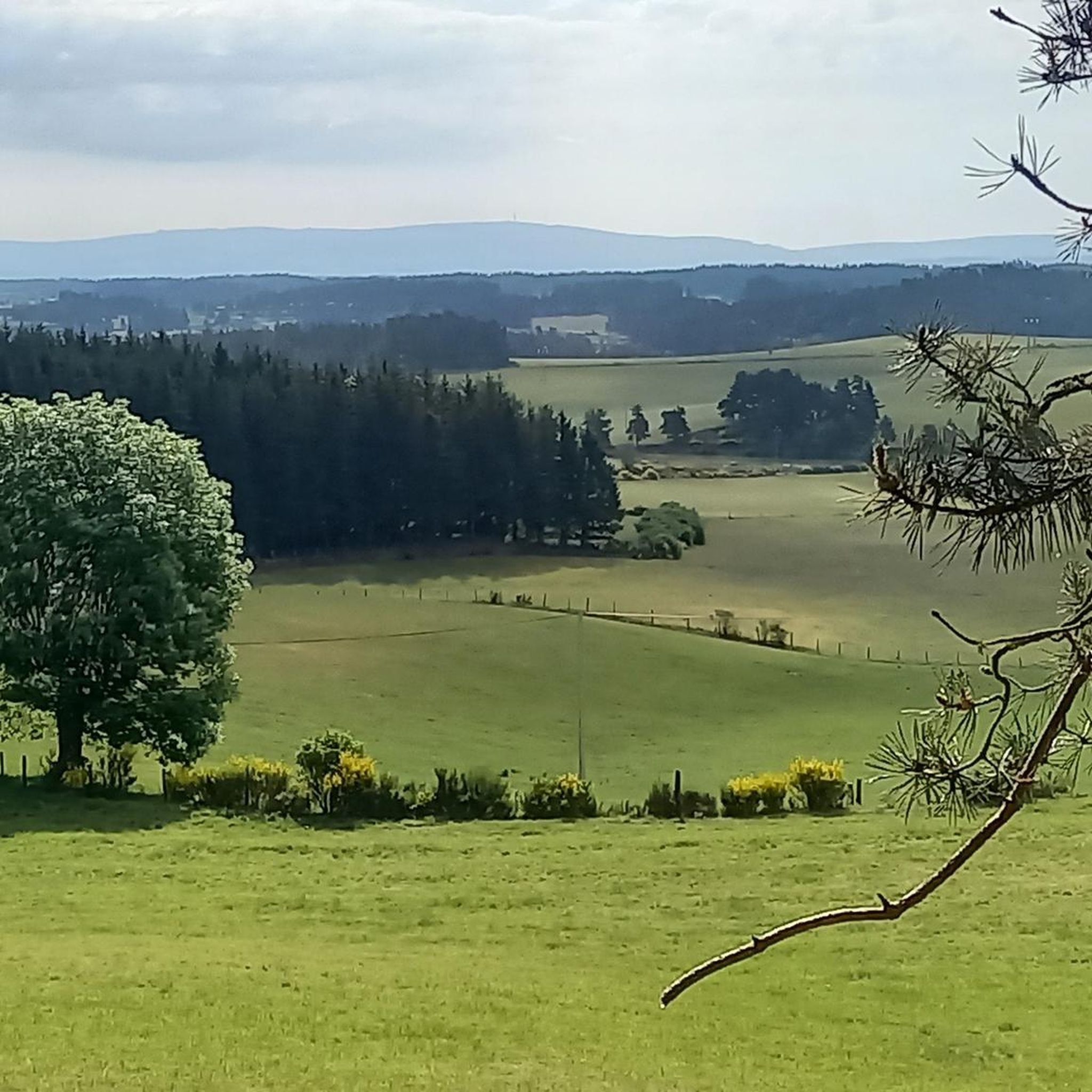
Best attractions and places to see around Saint-Sauveur-De-Peyre include a diverse range of natural landscapes and historical sites. The region is characterized by the Aubrac Highlands, a basalt and granite plateau with undulating terrain, pastures, and forest strips. Visitors can explore a moorland landscape reminiscent of the Scottish Highlands, featuring marsh grasses, juniper bushes, and gentian. These areas offer opportunities for outdoor activities and provide insights into the local pastoral traditions.
Best attractions and places to see around Saint-Sauveur-De-Peyre
- The…
Last updated: July 6, 2026
Aubrac Highlands
Highlight • Natural
Translated by Google •
Tip by

Aubrac landscape
Highlight • Other
Translated by Google •
Tip by
Sign up now to discover places like this
Get recommendations on the best single tracks, peaks, & plenty of other exciting outdoor places.
Sign up for free
Saint Stephen's Church
Highlight • Other
Translated by Google •
Tip by
Saint Stephen's Church, Aumont-Aubrac
Highlight • Religious Site
Translated by Google •
Tip by

wayside cross
Highlight • Other
Translated by Google •
Tip by

Sign up for free to discover even more attractions around Saint-Sauveur-De-Peyre.
Sign up for free
Already have an account?
Start today with a free account
Your next adventure awaits.
Login or Signup

Tips from the Community

We passed and enjoyed this during our Camino trip in 2025: https://youtu.be/xZkbnoCtUzE
0
0
We passed and enjoyed this during our Camino trip in 2025: https://youtu.be/xZkbnoCtUzE
0
0
We passed and enjoyed this during our Camino trip in 2025: https://youtu.be/xZkbnoCtUzE
1
0

The feeling that dominates the most here is space, nature.
2
0

The village of Aumont-Aubrac is home to the Saint-Etienne church with a mix of Romanesque and Baroque styles. Mentioned as early as 1106, it is today an essential stopover for shell hikers. Remodeled during the 19th century, the church retains a trace of each period of its construction. The apse is the oldest part while the nave seems to predate the 14th century. It has a square bell tower ending in a spire, raised in 1809 with stones from the cemetery. Its pointed arched south portal is one of the most remarkable in the region. Its granite rubble facade is typical of local architecture. If the architecture remains sober and typical of the Romanesque style, the decoration lets its contemporaneity shine through. The magnificent stained glass windows dated 1967 are the work of a contemporary artist named Ménard. In its nave, at the entrance to the south chapel, is a superb painting representing the Virgin carrying the Child and the young John the Baptist.
1
0

Saint Stephen “Saint-ETIENNE” is one of the seven first deacons of the early Jerusalem community and is also the first martyr (martyr) of early Christianity. The church remembers him on Boxing Day, December 26th. When Stephen uttered aloud his vision of the open heaven, "And being filled with the Holy Spirit, he looked up into heaven and saw the glory of God, and Jesus standing at the right hand of God" (Acts chapter 7 verse 55), the people were so indignant that that they drove him out of the city and stoned him.
4
0
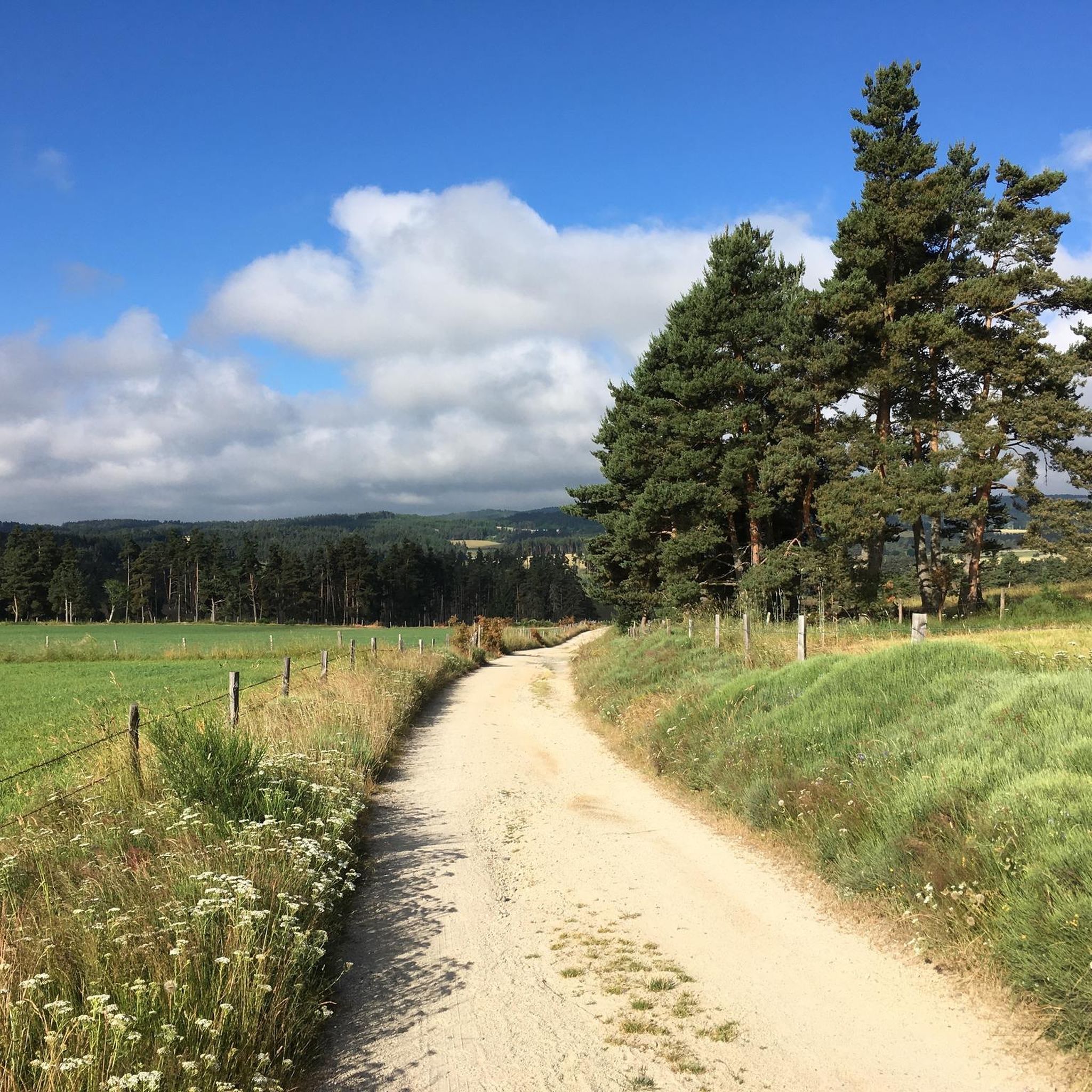
If you have previously - coming from the German Eifel - made a pilgrimage via Metz, Cluny and Dijon to Le Puy en Velay and now continue here via the southern foothills of the Central Massif, a completely different landscape is revealed once again.
9
0
“Each of these crosses can tell its own story and what motivated people to erect“ their ”cross at this point. (...) These crossroads were erected as visible signs and attract the eyes of many people. The cross is a symbol of life. It stands as a sign of our Christian hope and wants to direct our gaze to Jesus Christ, who overcame death (...). The cross is part of our life, just as it was part of the life of Jesus. So I hope that many people ... visit the crossroads, whether as places of silence and breathing before God, whether as places of congregation meeting, prayer and praise of God. " (Text source: Dean Rainald M. Ollig in: “Crossroads. Small sacred monuments as a sign of popular piety ")
7
0
Frequently Asked Questions
What kind of natural landscapes can I explore around Saint-Sauveur-De-Peyre?
The region is dominated by the Aubrac Highlands, a unique basalt and granite plateau. You'll find undulating terrain with vast pastures, forest strips, and panoramic views. A significant feature is the Aubrac High Plateau, a moorland landscape reminiscent of the Scottish Highlands, characterized by marsh grasses, juniper bushes, gentian, and heather.
Are there any historical or cultural sites to visit?
Yes, the area offers cultural insights. You can visit Saint Stephen's Church in Aumont d'Aubrac, which was once part of an 11th-century Benedictine priory and showcases robust Roman architecture. Additionally, you might encounter wayside crosses, which are sacred monuments reflecting local Christian heritage and popular piety.
What outdoor activities are popular in the Saint-Sauveur-De-Peyre area?
The region is excellent for various outdoor activities, especially cycling. You can find numerous routes for gravel biking, mountain biking, and road cycling. The landscape, with its gravel field paths and panoramic views, is ideal for exploring on two wheels.
Are there hiking opportunities around the attractions?
Yes, the region is known for its pilgrimage routes and scenic paths. The Aubrac Highlands feature gravel field paths used by farmers and pilgrims alike, offering varied terrain with pastures, forest strips, and distant horizons. The Aubrac High Plateau also has pilgrims' paths often running alongside traditional stone walls.
What is unique about the pastoral landscape of Aubrac?
The Aubrac landscape is uniquely oriented towards pastoralism. Lowland areas have been converted into extensive grasslands for grazing, with trees primarily found in steeper and rocky locations. You'll often see Aubrac cattle, which are typical of the region, grazing in these pastures.
What do visitors enjoy most about the attractions in Saint-Sauveur-De-Peyre?
Visitors frequently appreciate the vast, open landscapes and the sense of tranquility. Many highlight the panoramic views, the unique moorland scenery of the Aubrac High Plateau, and the blend of natural beauty with historical elements like the ancient hamlets and granite houses found in the Aubrac Highlands.
Is the area suitable for family outings?
The natural landscapes, such as the Aubrac Highlands and the Aubrac High Plateau, offer open spaces for exploration and gentle walks, which can be enjoyable for families. The gravel field paths are generally accessible for walking, allowing for nature observation and picnics amidst the scenic pastures.
When is the best time to visit Saint-Sauveur-De-Peyre?
The region experiences 'hard, windless winters,' as noted in descriptions of the hamlets built to withstand them. Therefore, the warmer months, typically spring through autumn, would be ideal for enjoying the outdoor activities, expansive landscapes, and pilgrimage routes comfortably.
Are there any easy hiking trails for beginners or casual walkers?
While specific 'easy' trails aren't detailed, the pilgrimage paths and gravel field paths across the Aubrac Highlands and Aubrac High Plateau are generally suitable for walking. These paths offer a chance to experience the unique moorland and pastoral scenery without requiring advanced hiking skills, though some sections may be undulating.
Can I bring my dog on walks and hikes in the area?
The natural and open character of the Aubrac Highlands and Aubrac High Plateau makes them generally suitable for dog walking. However, as it is a pastoral region with grazing cattle, it's important to keep dogs on a leash, especially near livestock, and to respect local regulations and private property.
What kind of architecture can I see in the local hamlets?
The hamlets nestled in the small valleys of the Aubrac Highlands feature houses built from sturdy granite blocks and covered with coarse slate. These structures are often more than 200 years old, designed to withstand the harsh winters and reflecting the traditional building styles of the region.
Are there any hidden gems or less-known spots to discover?
Beyond the main plateaus, the charm of the region lies in its subtle details. Exploring the numerous wayside crosses scattered across the landscape offers a glimpse into local history and spirituality. The ancient hamlets with their granite houses, tucked away in valleys, also provide a sense of discovery away from the more prominent natural features.
Most popular routes around Saint-Sauveur-De-Peyre

Get inspired with the komoot mobile app


Explore more
Still not found the Highlight you’re looking for? See guides of the top attractions in other regions:
