The best MTB trails around Le Château-D'Oléron
4.3
(247)
1,650
riders
25
rides
Mountain biking around Le Château-D'Oléron is characterized by predominantly flat terrain, offering accessible routes across diverse landscapes. The region features an extensive network of paths, totaling approximately 100 miles (160 km), that traverse marshes, pine forests, and coastal areas. While largely gentle, some routes include moderate elevation changes, particularly those exploring dunes and wilder coastal sections. These varied terrains provide options for both easy family rides and more challenging routes.
Best mountain bike trails around Le Château-D'Oléron
- The most popular…
Last updated: August 21, 2026
4.0
(12)
54
riders
Easy mountain bike ride. Great for any fitness level. Suitable for all skill levels.
4.6
(8)
56
riders
Moderate mountain bike ride. Good fitness required. Suitable for all skill levels.

Sign up for free
15
riders
Easy mountain bike ride. Great for any fitness level. Suitable for all skill levels.
5.0
(1)
10
riders
Easy mountain bike ride. Great for any fitness level. Suitable for all skill levels.
4.7
(3)
12
riders
24.5km
01:40
60m
60m
Easy mountain bike ride. Great for any fitness level. Suitable for all skill levels.
Get access to more routes and recommendations from other explorers.
Sign up for free
Already have an account?
Our route recommendations are based on thousands of hikes, rides, and runs completed by other people on komoot.
Start today with a free account
Your next adventure awaits.
Login or Signup
Tips from the Community

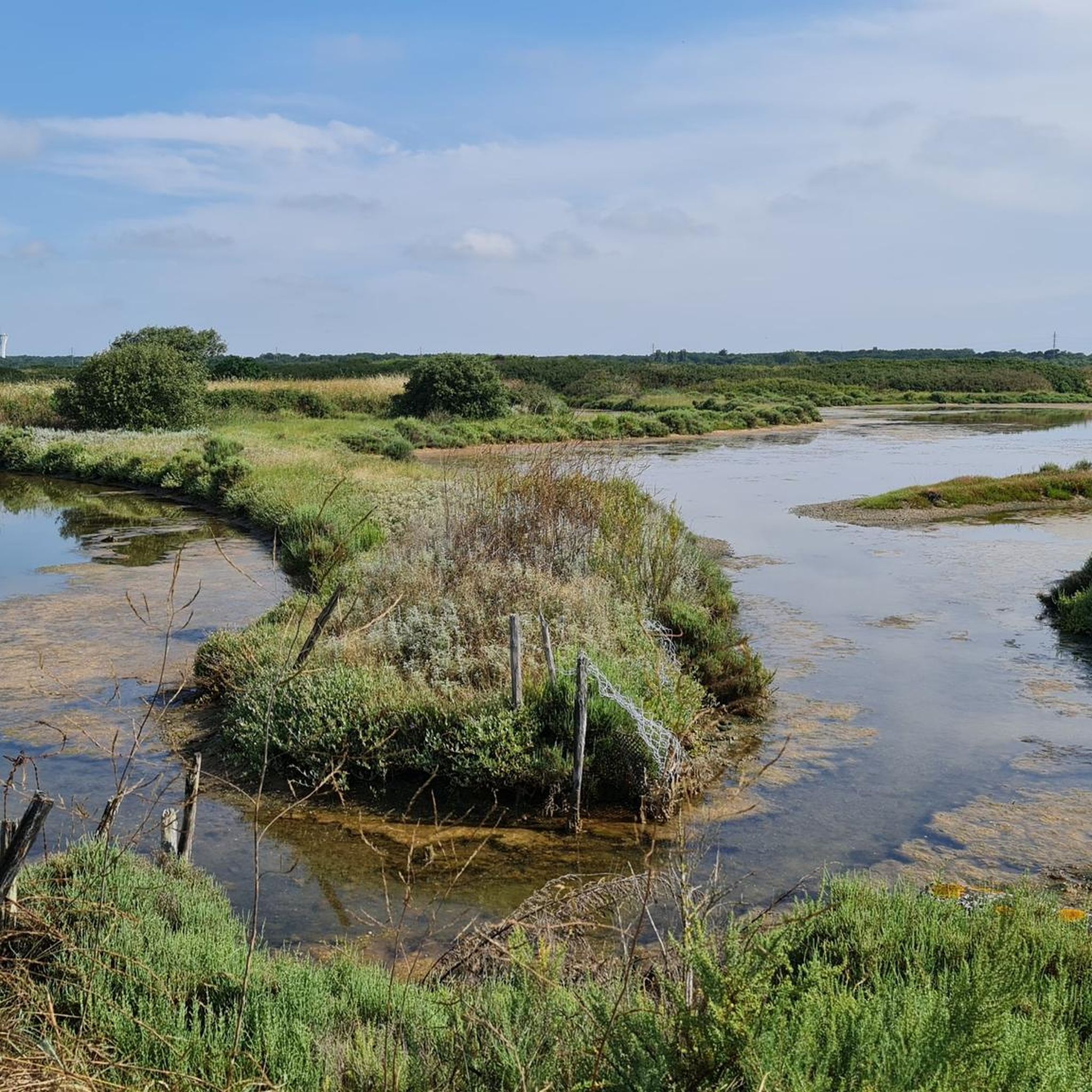
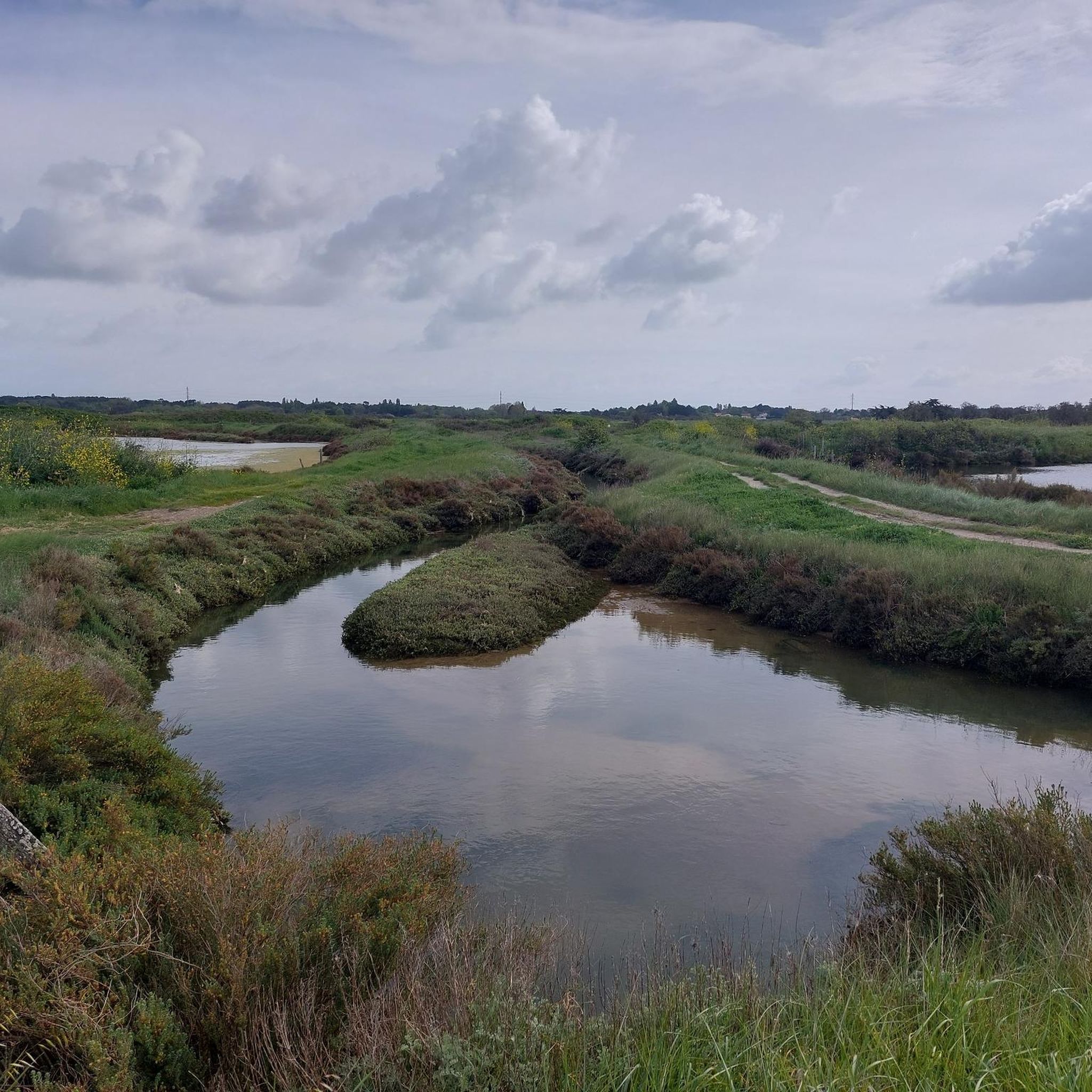
The port of Douhet, located in the commune of Saint-Georges-d’Oléron, is today a pleasant marina, but its history is intimately linked to the salt and wine trade. Origins Until the 19th century, the region's products (notably salt from the salt marshes and wine from Oléron) were difficult to transport by sea. To remedy this, a vast project was launched in the 1840s: a channel over 3 km long was dug between Saint-Georges-d’Oléron and the ocean, opening onto the new port of Douhet. An active commercial port The port quickly became an export center: * barges loaded salt and wine barrels there; * boats also brought building materials and various goods intended for the island. In the 1870s, there were around 400 ship movements per year, with several thousand tons of goods imported and exported. The decline At the end of the 19th century, several factors led to its decline: * the gradual abandonment of the salt marshes; * the improvement of roads and then the arrival of the tram on the island; * the regular silting up of the channel. After the First World War, the channel silted up almost completely and commercial traffic gradually disappeared. The revival In the late 1980s, the basin was completely rehabilitated and transformed into a marina. It now accommodates around 350 to 400 boats and is one of the main marinas on the island of Oléron. Its location, in the cove of Malconche, offers a remarkable view of Fort Boyard and the Île d’Aix. The old channel, although no longer navigable to the village, continues to supply seawater to the old salt marshes and today constitutes a pleasant walking or cycling route. It is a place where the traces of Oléron's maritime past can still be read in the landscape: the quays, the bridge, the channel, and the old hydraulic structures bear witness to the era when salt was the island's main wealth.
0
0

Start of a very long singletrack not to be missed
0
0
entrance to Bois de la Maratte with many fun singletracks
0
0


Enjoy cycling in this remarkable dune forest, covering almost 700 hectares. It's the result of a large-scale reforestation campaign in the 19th century, aimed at halting the dune advance, which was gradually encroaching on villages.
1
0

A large fishing port, pleasure boats and yachts play a minor role here, as can be seen from the limited number of berths. However, it's interesting to watch the fishermen unloading their cargo, especially in the early morning hours.
1
0
Frequently Asked Questions
How many mountain bike trails are available in Le Château-D'Oléron?
Le Château-D'Oléron offers 13 mountain bike trails, catering to various skill levels. The region boasts an extensive network of paths, totaling approximately 100 miles (160 km), that traverse diverse landscapes.
What kind of terrain can I expect on mountain bike trails around Le Château-D'Oléron?
The terrain around Le Château-D'Oléron is largely flat, making it accessible for many riders. However, routes vary, winding through salt marshes, dense pine forests, and varied coastal areas, including dunes and beaches. Some routes feature gentle climbs, particularly those exploring the wilder coastal sections.
Are there easy or family-friendly mountain bike trails in Le Château-D'Oléron?
Yes, the area is very family-friendly, with 11 out of 13 trails rated as easy. Routes like the Saltworks Port – Île d'Oléron Harbor and Beach loop from Le Château-d'Oléron are ideal, winding through salt marshes and along the harbor, offering peaceful views suitable for beginners and families.
Can I bring my dog on the mountain bike trails?
While specific regulations for dogs on mountain bike trails can vary, the natural environment of Île d'Oléron, with its extensive network of paths through marshes and forests, generally welcomes responsible dog owners. It's always best to keep your dog on a leash and ensure they are well-behaved, especially in protected areas like the Moëze-Oléron Nature Reserve or near wildlife.
What are some notable landmarks or natural features I can see while mountain biking?
You can explore a rich blend of natural beauty and cultural heritage. Highlights include the expansive marshes and oyster beds, the historic Brouage Citadel, and the unique colorful oyster huts (Cabanes des Créateurs) that house local artists. The Oléron Island Bridge also offers a significant landmark.
Are there mountain bike routes that offer great views?
Absolutely. Routes traversing the coastal areas and dunes often provide spectacular views of the Atlantic Ocean. The View of the Duck Lagoon – Wild Beach loop from La Gaconnière is an easy route that offers scenic coastal perspectives.
Are there any circular mountain bike routes?
Yes, many of the mountain bike trails in Le Château-D'Oléron are designed as loops, allowing you to start and finish in the same location. Examples include the Fort-Royer Beach – Canal de la Guitoune loop from Gibou and the Phibie Beach – La Cotinière fishing port loop from Le Château-d'Oléron.
What is the best time of year to go mountain biking in Le Château-D'Oléron?
The spring and autumn months are generally ideal for mountain biking in Le Château-D'Oléron. The weather is pleasant, and the trails are less crowded than in peak summer. The island's diverse landscapes, from marshes to forests, offer enjoyable riding conditions throughout these seasons.
How long are the mountain bike trails typically?
Trail lengths vary to suit different preferences. You can find shorter, easy loops like the Saltworks Port – Île d'Oléron Harbor and Beach loop from Le Château-d'Oléron at 10.0 miles (16.1 km), or longer, moderate routes such as the Fort-Royer Beach – Canal de la Guitoune loop from Gibou, which spans 34.2 miles (55.1 km).
What do other mountain bikers say about the trails in Le Château-D'Oléron?
The mountain bike routes in Le Château-D'Oléron are highly rated by the komoot community, with an average score of 4.4 stars from over 90 reviews. Reviewers often praise the diverse scenery, ranging from coastal paths to marshlands, and the well-maintained network of trails that cater to all levels.
Are there any trails that explore the unique oyster farming areas?
Yes, the region is famous for its oyster farming. Trails like the Saltworks Port – Île d'Oléron Harbor and Beach loop from Le Château-d'Oléron specifically wind through salt marshes and past iconic oyster parks, offering a peaceful ride and opportunities to observe this vital local industry.
What are the options for more experienced mountain bikers?
While the terrain is largely flat, more experienced riders can find routes with moderate elevation changes, particularly those exploring dunes and wilder coastal sections. The Fort-Royer Beach – Canal de la Guitoune loop from Gibou is a moderate 34.2-mile (55.1 km) trail that offers diverse scenery and a longer challenge.
Most popular routes around Le Château-D'Oléron
Most popular attractions around Le Château-D'Oléron

Get inspired with the komoot mobile app


Explore more
Browse the best MTB trails in other regions.
