Attractions and Places To See around Saint-Auvent - Top 16
Best attractions and places to see around Saint-Auvent include historical landmarks, natural settings, and cultural sites within the Périgord-Limousin Regional Natural Park. Located in the Haute-Vienne department, Saint-Auvent serves as a base for exploring the heritage and scenic beauty of the Limousin region. The area features a mix of medieval structures, tranquil natural areas, and sites reflecting local history. Visitors can find diverse points of interest, from ancient dolmens to expansive natural parks.
Best attractions and places to see around…
Last updated: August 26, 2026
Rochechouart Castle
Highlight • Castle
Translated by Google •
Tip by

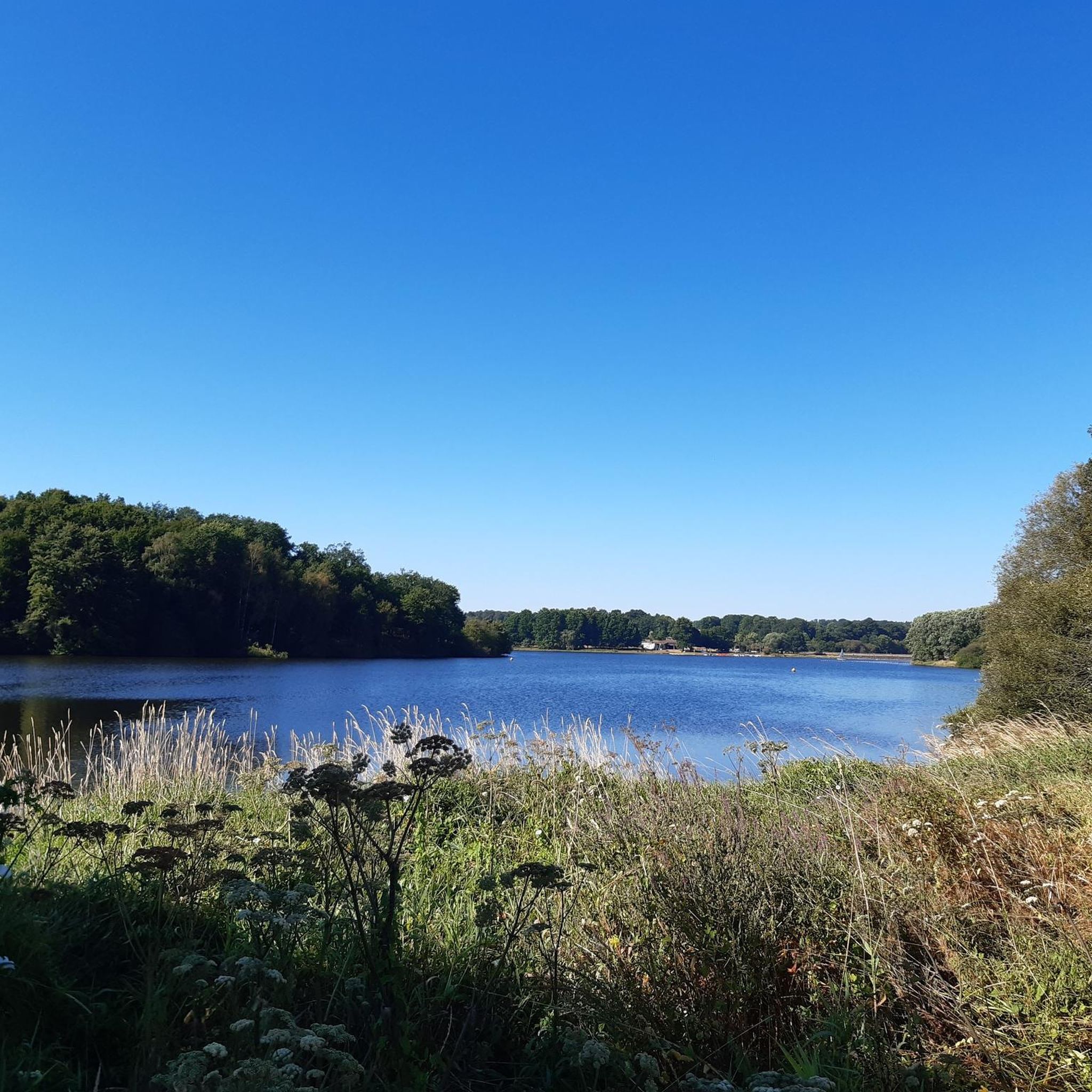
Cognac-le-Forêt Lake
Highlight • Lake
Translated by Google •
Tip by

Sign up now to discover places like this
Get recommendations on the best single tracks, peaks, & plenty of other exciting outdoor places.
Sign up for free
Saint-Junien
Highlight • Other
On the edge of Vienne, the city, classified as a …
Translated by Google •
Tip by
12th-century church in Saint-Yrieix-sous-Aixe
Highlight • Religious Site
Translated by Google •
Tip by

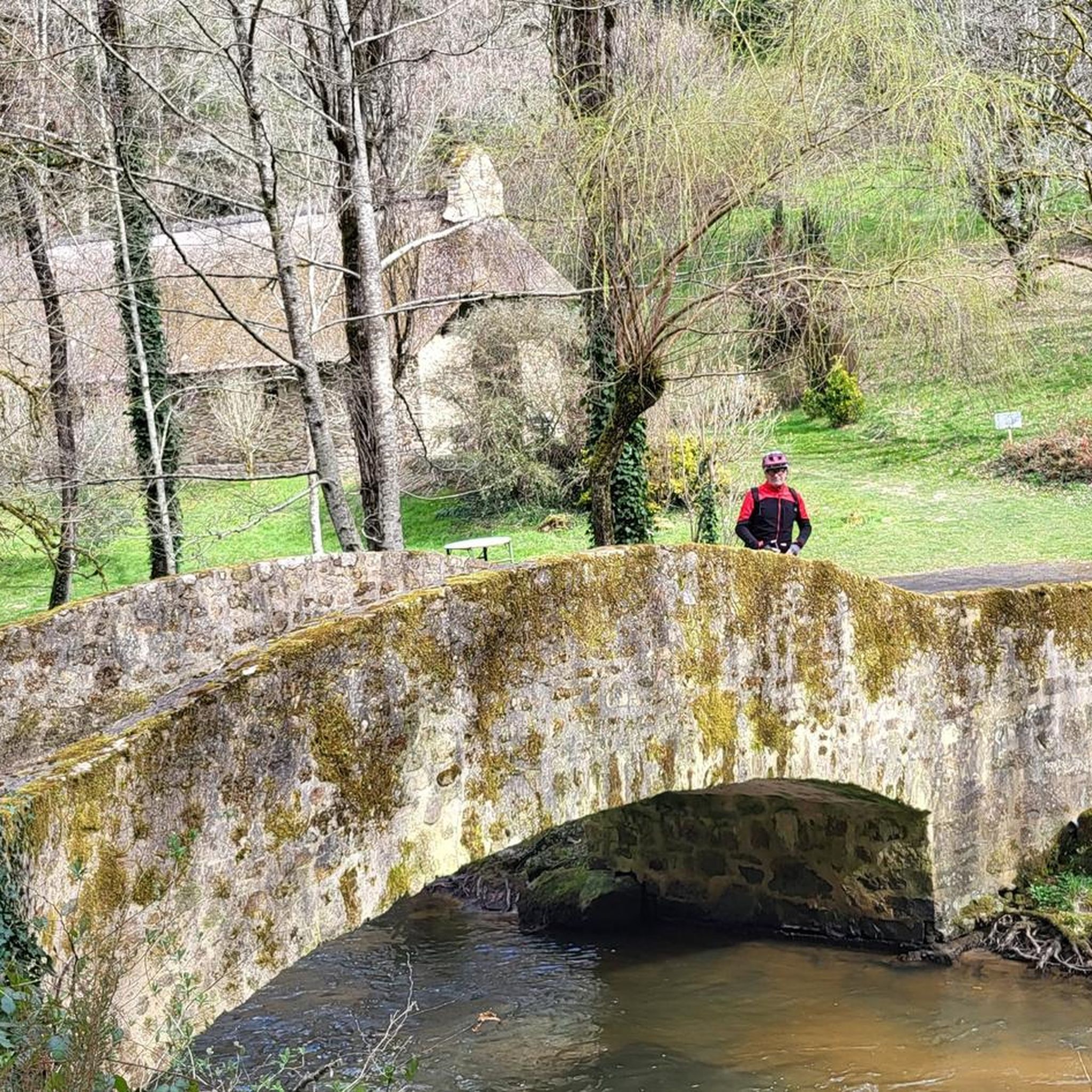
Saint-Junien Three-Arched Bridge
Highlight (Segment) • Other
Translated by Google •
Tip by

Sign up for free to discover even more attractions around Saint-Auvent.
Sign up for free
Already have an account?
Start today with a free account
Your next adventure awaits.
Login or Signup

Tips from the Community

Now home to the Haute-Vienne Museum of Contemporary Art, it was once the dynastic residence of the Viscounts of Rochechouart. The keep, built in the 11th century, is surrounded by the remains of a 15th-century building.
0
0
Located in the heart of the village, the church of Saint-Yrieix-sous-Aixe dates from the 12th century and retains a Romanesque façade that is rare in Limousin. It was remodeled in the 15th century and restored in the 20th, with superb stained-glass windows by Francis Chigot. Listed as a Historic Monument, it houses remarkable furnishings, including an 18th-century altar and an octagonal baptistery decorated with polylobes.
0
0

Very pretty village with its castle highlighted opposite the town hall.
0
0

Beautiful little village, historic houses, cute small shops and very old chirch. Small cafe in Front of chirch has good coffee and local goodies like cheese and other specialities.
0
0

Today the seat of the contemporary art museum of Haute-Vienne, it was once the dynastic residence of the Viscounts of Rochechouart. The keep, built in the 11th century, is enveloped by the remains of a 15th century building.
2
0
The village lake with its beach offers many possibilities for leisure: beach volleyball, games for children, bowling green, tennis, and a snack bar. With bathing allowed and some supervised bathing periods, it's a great place to spend the day or just take a break while passing by.
2
0

At the entrance to the Périgord-Limousin Regional Natural Park, Saint-Junien is the second largest town in the Haute Vienne department. On the edge of Vienne, the city, classified as a City of Character, has many assets including an imposing Romanesque collegiate church and a tradition of craftsmanship in glove making and tanning. The Corot site, on the edge of the Glane, is particularly green and pleasant.
1
0
Body of water in the village with authorized and supervised swimming. Beach volleyball court, snack bar and campsite nearby. Great stop for lunch or evening.
2
0
Frequently Asked Questions
What natural attractions can I explore around Saint-Auvent?
The region offers several beautiful natural spots. You can visit the Étang de la Pouge, a 28-hectare natural area with walking trails, fishing, and an ornithological observatory. The picturesque Gorre Valley features rapids and wooded islands, perfect for unwinding. Additionally, the Ocean of greenery, also known as the Corot Site, is a beautiful natural area to visit year-round.
Are there any historical sites or medieval landmarks to visit?
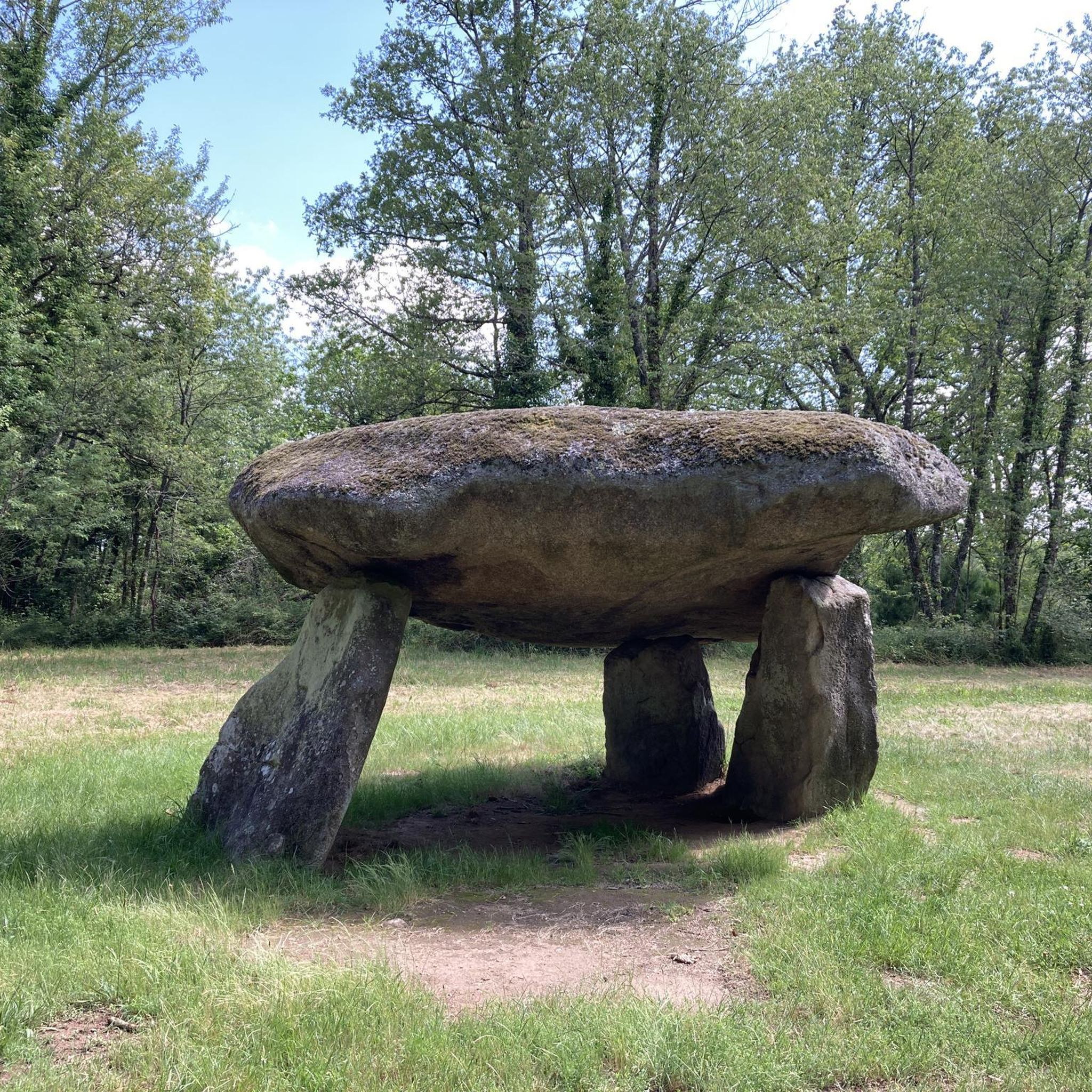
Yes, Saint-Auvent and its surroundings are rich in history. You can explore the medieval Château de Saint-Auvent, which hosts contemporary art exhibitions in August. The Dolmen de Chez Moutaud and a nearby menhir are millennia-old Neolithic burial sites. Don't miss the remarkable medieval Pont de Lascaux over the Gorre river, or the historic Saint-Auvent 13th-century church in the village heart. Further afield, the Rochechouart Castle, about 9 km away, now houses a contemporary art museum.
Where can I find opportunities for walking or cycling?
Saint-Auvent is located within the expansive Périgord-Limousin Regional Natural Park, offering numerous trails for hiking and cycling. You can also enjoy the Green Route in Limousin, a 13-kilometer path converted from a former railway line, stretching from Oradour-sur-Vayres to Châlus. For specific routes, explore the Road Cycling Routes around Saint-Auvent or Running Trails around Saint-Auvent guides.
Are there any significant religious sites in the area?
Yes, the Sanctuary Notre-Dame-de-la-Paix, often called 'Little Lourdes in Limousin,' is a notable Marian shrine in the Gorre valley. It features a grotto, a chapel, and a Way of the Cross, attracting pilgrims and offering a peaceful spot for reflection. The Saint-Auvent 13th-century church is also a prominent historical religious building in the village.
What are some family-friendly activities or attractions around Saint-Auvent?
Families can enjoy the Étang de la Pouge, which offers walking trails and an ornithological observatory, and a fun trail available via the Haute-Vienne Explor Games® app. During summer, Lac de Saint-Mathieu provides swimming, paddle-boarding, pedal-boating, mini-golf, and volleyball. The Maison de Pays museum offers an educational glimpse into local agricultural heritage.
Can I go swimming or enjoy other water activities?
Yes, during the summer months, Lac de Saint-Mathieu is a popular spot for swimming, paddle-boarding, and pedal-boating. Additionally, Cognac-le-Forêt Lake offers authorized and supervised swimming, along with beach volleyball and other leisure facilities.
What is the best time of year to visit Saint-Auvent?
The region is beautiful year-round, but the best time to visit depends on your interests. Spring and autumn offer pleasant temperatures for hiking and cycling through the Périgord-Limousin Regional Natural Park. Summer is ideal for water activities at Lac de Saint-Mathieu and enjoying outdoor art exhibitions at Château de Saint-Auvent. Winter can offer a serene experience, especially at sites like the Saint-Junien Three-Arched Bridge, where the landscape is more visible through bare trees.
Are there any museums or places to learn about local heritage?
Yes, the Maison de Pays in Saint-Auvent provides insight into the area's agricultural heritage, traditions, and local history. Nearby, the Hemp and Glove Museum in Cognac-la-Forêt showcases traditional skills of hemp cultivation and glove-making.
What unique or lesser-known spots can I discover?
Beyond the main attractions, you can find the ancient Puits à Balancier (Lever Well) in the village of La Berthe, a picturesque 'stork well.' The Maquis caches in the Boubon forest at Cussac offer a moving journey through reconstructed Resistance hideouts from World War II, providing a unique historical perspective.
What historical routes pass through the region?
The Richard the Lionheart Road winds through western Limousin, connecting visitors to various medieval castles and fortified houses, offering a historical journey through the region's past.
What do visitors enjoy most about the attractions around Saint-Auvent?
Visitors appreciate the blend of historical landmarks and tranquil natural settings. The Saint-Junien Three-Arched Bridge is noted for how beautifully its arches integrate into the landscape. The 12th-century church in Saint-Yrieix-sous-Aixe is admired for its rare Romanesque façade and remarkable furnishings. The area's natural beauty, like the 'ocean of greenery' at the Corot Site, is also highly valued by the community.

Get inspired with the komoot mobile app


Explore more
Still not found the Highlight you’re looking for? See guides of the top attractions in other regions:
