Attractions and Places To See around Saugnac-Et-Cambran - Top 20
Best attractions and places to see around Saugnac-Et-Cambran include a blend of historical sites, natural landscapes, and cultural experiences. This commune in the Landes department features green, hilly terrain, a 120-hectare forest, and the Luy River. Visitors can explore ancient churches, châteaux, and archaeological sites, alongside natural features like a salty spring and the nearby hot fountain in Dax. The area offers diverse opportunities for outdoor activities and cultural discovery.
Best attractions and places to see around Saugnac-Et-Cambran
- The most…
Last updated: October 11, 2026
The Hot Fountain
Highlight • Natural Monument
Translated by Google •
Tip by

Abbaye de Cagnotte
Highlight • Religious Site
Translated by Google •
Tip by

Sign up now to discover places like this
Get recommendations on the best single tracks, peaks, & plenty of other exciting outdoor places.
Maison de la Barthe
Highlight • Rest Area
The Maison de la Barthe is located at the heart of a scheme to enhance the natural area (Natura 2000) of the Bois de Boulogne. Gateway to …
Translated by Google •
Tip by
Adour Towpath
Highlight (Segment) • Trail
Translated by Google •
Tip by

Saint-Vincent-de-Paul Church
Highlight • Religious Site
Translated by Google •
Tip by

Sign up for free to discover even more attractions around Saugnac-Et-Cambran.
Already have an account?
Start today with a free account
Your next adventure awaits.



Tips from the Community


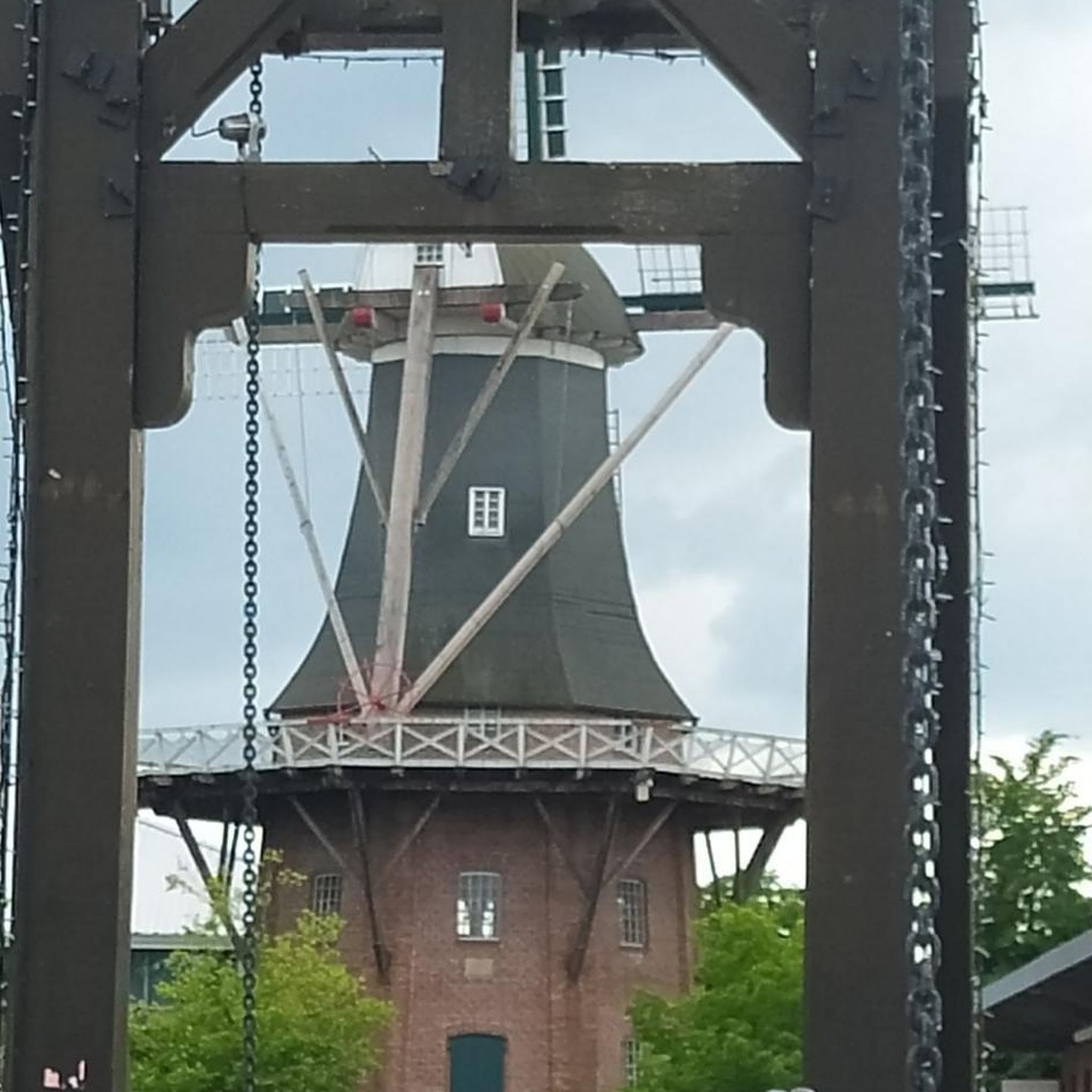
Vincent de Paul, born here in 1581 (later a saint), was a priest and founder of an order. His memorial day in the calendar of saints is September 27, the date of his death in 1660. In addition to his spiritual commitment as a pastor, he is known above all for his charitable work, for which he also founded communities dedicated to caring in various places.
4
0

San Vincenti de Paul, place of origin of Saint Vincent de Paul. Worth seeing is the church dedicated to Notre Dames.
5
0

Very pleasant section which was a former towpath along the Adour. The first half, starting from the Vimport bridge, is a dirt road, the second which arrives at Saubusse is asphalt. It is possible to go to Bayonne following the banks of the Adour (40km).
1
0
Cagnotte Abbey, located in the Landes in France, is a Benedictine and then Cistercian abbey founded in the 9th century. It was founded by Salvius and his servant Mauricius, who were assigned by the bishop of Dax to guard the tomb of Maria Corfedia. In the 11th century, the monastery moved temporarily seven kilometers to the east and in 1097 built a new abbey church. Returning to Cagnotte following a raid by the Normans, the community there adopted Cistercian rule in 1141. All that remains of the abbey is a part of the abbey dwelling which has become a barn and the small parish church reduced to the sanctuary, the choir bay, the side and cross chapels of the transept of the former Notre Dame de Corheta abbey church. This church houses the tombs of the Viscounts of Orthe and Adelaide of Anjou. The abbey experienced a slow decline from the Wars of Religion until the Revolution. In 1776, Louis XV authorized the demolition of the monastery. Source: Wikipedia, Cagnotte Town Hall, Festival des Abbayes
0
0
An educational structure The Maison de la Barthe is located at the heart of a scheme to enhance the natural area (Natura 2000) of the Bois de Boulogne. Gateway to this protected area, it offers visitors the opportunity to learn about local biodiversity and more broadly about the challenges of sustainable development through events, exhibitions, conferences or workshops at their destination. the general public or schoolchildren. Source: https://www.dax.fr/vivre-a-dax/environnement/la-maison-de-la-barthe/ Several hiking trails are available, they can be done with the family.
3
1

Do you smell this smell? It is the thermal water that springs naturally in Dax. If you approach, have fun touching the water that comes out of the fountain, you can see that it is naturally hot.
6
1

The hot fountain known as the Nèhe spring takes its name from a Norse goddess of water. It is built over what is believed to be an ancient Roman bath. The water is at a temperature of 64°C and along with the mineralization of the water and silt from the local Ardor River, a thermal mud is made which is used locally as a rheumatology treatment.
9
1
Frequently Asked Questions
What historical sites can I explore around Saugnac-Et-Cambran?
The region is rich in history. You can visit the ancient Roman Church of Cambran, the historic Château de Saugnac, and another notable 13th-century church. Additionally, the Saint-Vincent-de-Paul Church, birthplace of Saint Vincent de Paul, is a significant historical site. The area also features the Château d'Oro, dating back to 1804, and archaeological sites like Arzet, where Paleolithic tools and Neolithic tumuli have been discovered.
Are there any natural attractions or features to see?
Yes, Saugnac-Et-Cambran boasts green and hilly landscapes, a 120-hectare forest of oak, poplar, and pine, and the Luy River, home to freshwater mussels. In the Arzet district, you can find a naturally salty spring. Nearby, in Dax, is The Hot Fountain, where thermal water emerges at 64°C, known for its therapeutic properties.
What outdoor activities are popular in the area?
The green and hilly landscapes are ideal for hiking and cycling. You can enjoy walking or cycling along the Adour Towpath, a pleasant route along the Adour River. For more structured activities, there are numerous MTB trails, running trails, and road cycling routes available, catering to various difficulty levels.
Are there family-friendly attractions around Saugnac-Et-Cambran?
Absolutely. Families can enjoy the Adour Towpath for easy walks or bike rides. The Presidents' Footbridge offers a safe crossing over the Adour River, with nearby gardens perfect for a break. The Maison de la Barthe is an educational facility within a natural area, offering workshops and events focused on local biodiversity, suitable for all ages.
Where can I find good viewpoints in the area?
The Presidents' Footbridge provides scenic views over the Adour River. The general green and hilly landscapes of Saugnac-Et-Cambran also offer many picturesque spots for enjoying the natural beauty.
What cultural experiences are available in Saugnac-Et-Cambran?
The local cultural association, "Culture en sac," organizes various activities including creative arts, art therapy, yoga, and cooking workshops. The commune is also known for traditional festivals, such as the "Fête des Croustades," celebrating local gastronomy.
What is the best time to visit Saugnac-Et-Cambran for outdoor activities?
The region's green and hilly landscapes are enjoyable throughout much of the year. Spring and autumn generally offer pleasant temperatures for hiking, cycling, and exploring the natural features without the peak summer heat. Summer is also suitable, especially for river-based activities or enjoying the shade of the 120-hectare forest.
Are there any educational facilities or nature centers nearby?
Yes, the Maison de la Barthe serves as an educational facility within a natural area (Natura 2000 site). It provides opportunities to learn about local biodiversity and sustainable development through various events, exhibitions, and workshops for the public and schoolchildren.
What kind of local gastronomy can I expect in Saugnac-Et-Cambran?
The area is renowned for its culinary specialties. You can savor the traditional "croustade landaise," a local pastry, and foie gras, which are often available in local restaurants and farm-inns.
What do visitors enjoy most about the attractions around Saugnac-Et-Cambran?
Visitors particularly appreciate the tranquility and natural beauty of the area. The Adour Towpath is often highlighted for its pleasant, quiet sections ideal for walking or cycling. The Hot Fountain in Dax is noted for its unique thermal water and historical significance. The blend of historical sites and serene natural environments makes for a diverse and engaging experience.
Are there any bridges or unique crossings in the area?
Yes, the Presidents' Footbridge offers a unique way to cross the Adour River, providing a peaceful passage away from vehicle traffic. It's a great spot for a leisurely stroll, and the nearby Potinière gardens offer a pleasant place to relax.
Most popular routes around Saugnac-Et-Cambran

Get inspired with the komoot mobile app


Explore more
Still not found the Highlight you’re looking for? See guides of the top attractions in other regions:
