Attractions and Places To See around Flavignac - Top 13
Best attractions and places to see around Flavignac include a blend of historical landmarks, cultural sites, and natural features within the Haute-Vienne department of France. The area offers insights into local heritage through its ancient structures and provides opportunities to explore its natural landscape. Flavignac serves as a stop on the historic Vézelay route of the Camino de Santiago, highlighting its cultural significance. Visitors can discover various points of interest, from historical castles to natural river sources.
Best attractions and…
Last updated: October 19, 2026
Château de Losmonerie
Highlight • Castle
Translated by Google •
Tip by

Châlus Castle
Highlight • Other
Translated by Google •
Tip by

Sign up now to discover places like this
Get recommendations on the best single tracks, peaks, & plenty of other exciting outdoor places.
Sources of the Dronne River
Highlight • River
Translated by Google •
Tip by

Old Watermill by the Pond
Highlight • Structure
Translated by Google •
Tip by

Roman bridge
Highlight • Bridge
Translated by Google •
Tip by

Sign up for free to discover even more attractions around Flavignac.
Already have an account?
Start today with a free account
Your next adventure awaits.

Tips from the Community

A very nice hike with some muddy sections.
0
0


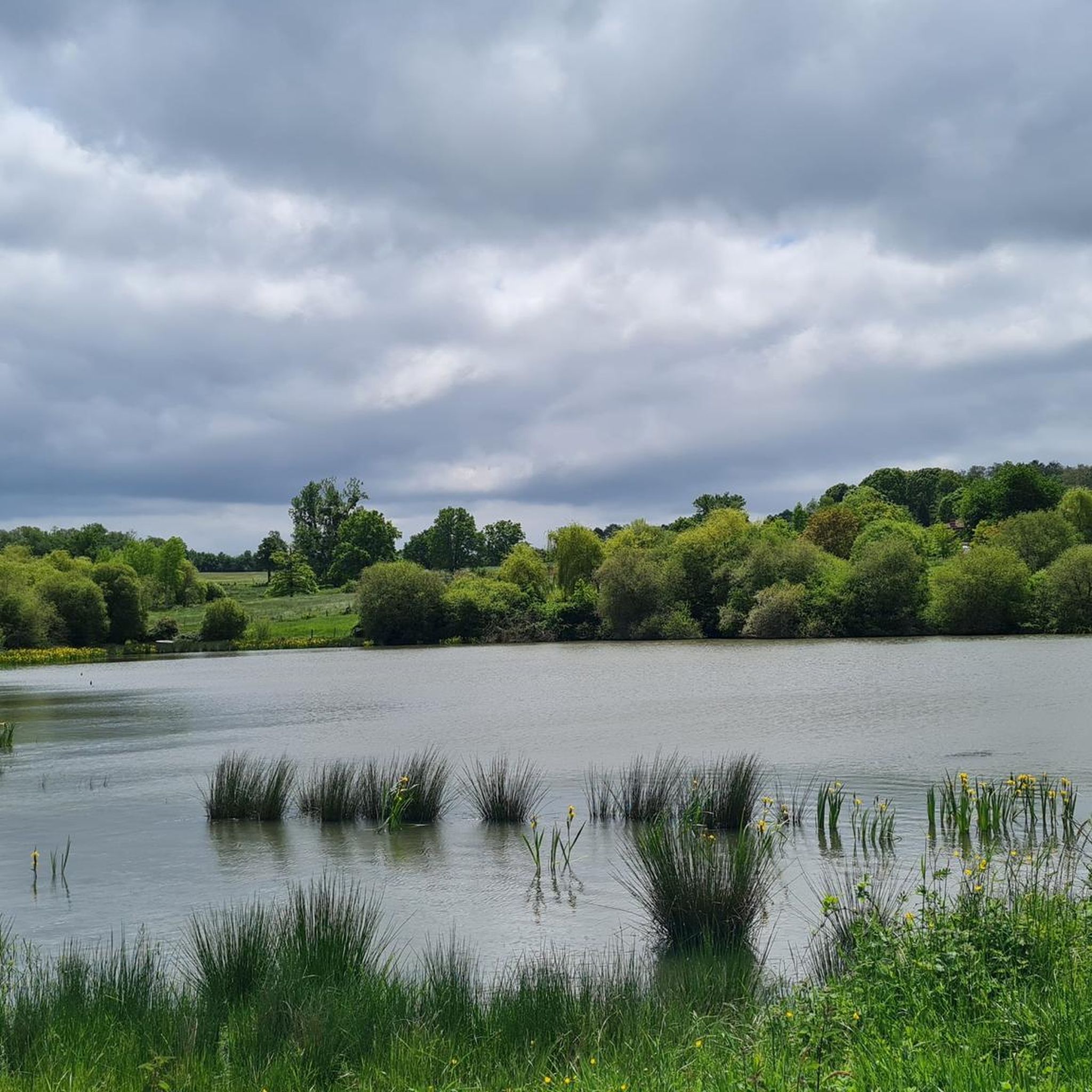
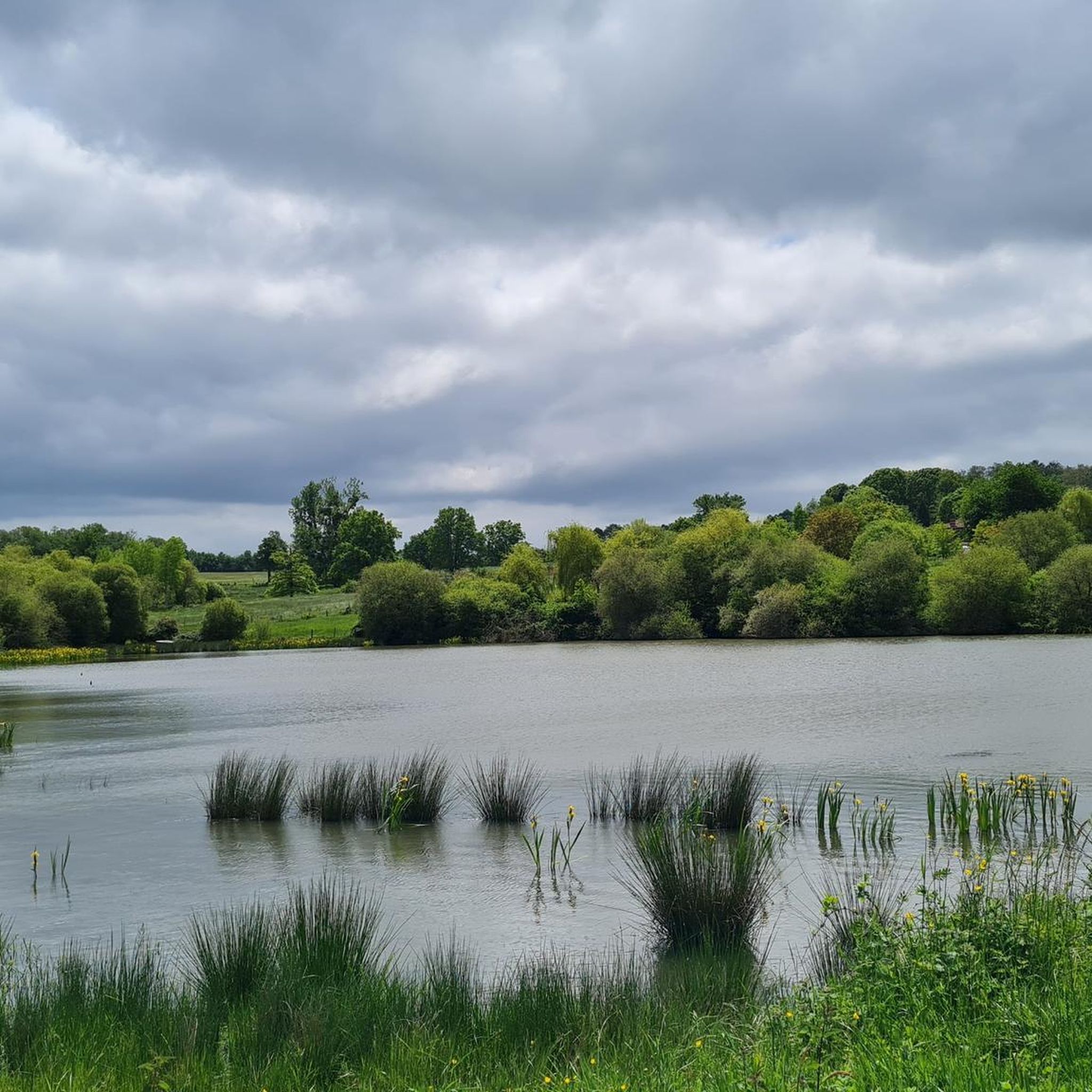
Just a nice spot: peace, view over the lake and woods. The water mill is not much to see
0
0

Château de Losmonerie was built in 1540 by Jean Chantais, it has a beautifully decorated interior and guided tours are available. The gardens are also impressive with distinct gardens: the French garden, the gourmet garden and the wild garden on the banks of the Vienne.
2
0

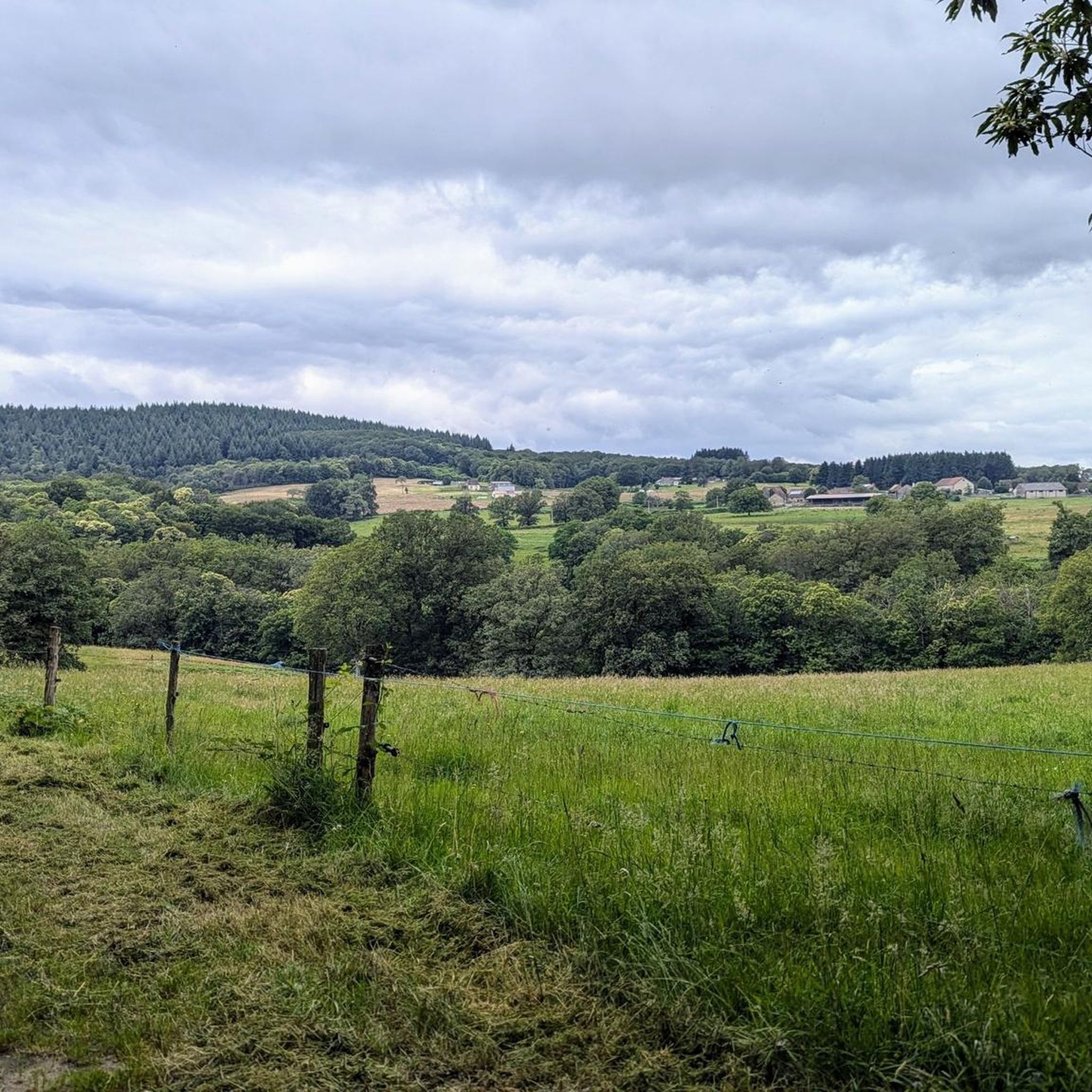
From here it would only be 500m to the source,... but in the heat of July 2022 we preferred to drive further.
0
0

Remains of the castle of Châlus-Maulmont, or Tower of the fort, dating from the 13th century. The village of Châlus is crossed by the Richard-Coeur-de-Lion tourist route and it is here that the King who was allegedly assassinated.
1
0

The old bridge is a rare and well-preserved vestige. The latter would have been enhanced if the footbridge had been built a little upstream.
0
0
Crossing the Roches Bleues Park, you take the Eiffel-style metal footbridge that spans the Aixette River. It's not immediately noticeable. Built in the 13th century, it stops halfway across the river. Is this the remaining half? History doesn't say. A few meters further on, you can see the Moulin de Seguy with its factory chimney. https://www.mairie-aixesurvienne.fr/ponts
0
0
Frequently Asked Questions
What historical sites can I visit in and around Flavignac?
Flavignac is rich in history. You can explore the 15th-century Flavignac Church with its unique hexagonal bell tower and treasury. Don't miss the ancient Roman bridge, also known as "Planche de Cessa," a historical monument showcasing old construction methods. Further afield, visit Châlus Castle, known for its connection to Richard the Lionheart, or the 16th-century Château de Losmonerie with its decorated interior and distinct gardens.
Are there any natural attractions or scenic viewpoints near Flavignac?
Yes, Flavignac offers several natural spots. You can visit the Sources of the Dronne River, a significant natural monument. The Lac Saint-Fortunat is a relaxing spot with a supervised beach in summer and offers various leisure activities. For birdwatching, the natural sites of Cessaguet and Eynanças are known for spring and autumn bird migrations. From certain vantage points in Flavignac, you can also enjoy panoramic views of the Monts de Blond and Monts d'Ambazac on clear days.
What outdoor activities are available around Flavignac?
The area around Flavignac is excellent for outdoor enthusiasts. You can find numerous hiking, cycling, and mountain biking trails. For hiking, consider routes like the "Circuit des fontaines et des étangs" which explores the Saint-Fortunat lake and local heritage. You can find detailed routes for hiking, cycling, and MTB trails in the region.
Are there family-friendly attractions in Flavignac?
Absolutely! Many attractions are suitable for families. The Lac Saint-Fortunat offers a children's playground, pétanque, and a supervised beach during summer. Historical sites like Château de Losmonerie and the Roman bridge are also listed as family-friendly. Additionally, the Old Watermill by the Pond provides a peaceful setting with views over the lake and woods, perfect for a family outing.
What is the best time of year to visit Flavignac for outdoor activities?
The summer season is ideal for enjoying outdoor activities in Flavignac, especially around Lac Saint-Fortunat, which has a supervised beach. Spring and autumn are excellent for birdwatching at the sites of Cessaguet and Eynanças. For hiking, the weather is generally pleasant from spring through early autumn, allowing you to explore the various trails comfortably.
Can I find easy walking trails around Flavignac?
Yes, there are easy walking trails available. For example, the "Circuit des fontaines et des étangs" is a popular option that allows you to discover the Saint-Fortunat lake and small ponds. You can find several easy-rated routes, such as the "Toller Rastplatz loop from Flavignac" (6.3 km) or the "Ruins of Les Cars – Loop around the coaches loop from Les Cars" (2.8 km), on the hiking guide for Flavignac.
What unique historical landmarks are there besides castles and churches?
Beyond the main castles and churches, Flavignac features the ancient Pont des Graules (Roman Bridge), a rare construction of granite slabs. You can also see a Gallo-Roman altar with emblems of the goddess Cybele in front of the church in Texon Village. The Place de Dietenhofen marks the former site of a Gallo-Roman villa, and La Croix de Pierre is a granite cross and small oratory at a crossroads of old pathways.
Is Flavignac a stop on the Camino de Santiago?
Yes, Flavignac is an official stop on the historic Vézelay route of the Camino de Santiago (Way of St. James). It provides a relay point for pilgrims, including accommodation facilities.
What kind of wildlife or nature observation opportunities are there?
Flavignac offers notable opportunities for nature observation, particularly for ornithologists. The natural sites of Cessaguet and Eynanças are recognized for their ornithological interest, especially during spring and autumn bird migrations. The area's lakes and forests, such as around the Old Watermill by the Pond, also provide habitats for local wildlife.
Where can I find information about leisure activities at Lac Saint-Fortunat?
Lac Saint-Fortunat is well-equipped for leisure. It features a supervised beach during the summer, a children's playground, pétanque courts, hiking trails, table tennis, volleyball, a fitness trail, and fishing opportunities from March to October. For more details on activities, you can visit the Visit Limousin website.
Are there any unique architectural features to look out for?
The Flavignac Church is notable for its elegant and original hexagonal bell tower, possibly added in the 16th century. Another unique architectural feature, though not open to the public, is the Colombier de la Ribière, a 15th-century dovecote with a rare lauze roof without a framework, resting directly on a brick vault.
Most popular routes around Flavignac

Get inspired with the komoot mobile app


Explore more
Still not found the Highlight you’re looking for? See guides of the top attractions in other regions:
