Attractions and Places To See around Les Rouges-Eaux - Top 20
Attractions and places to see around Les Rouges-Eaux offer a blend of natural landscapes and historical sites within the Vosges massif. This commune provides opportunities to explore extensive forests, valleys, and significant cultural heritage points. The area is characterized by its natural beauty, with numerous trails for outdoor activities and notable landmarks both within the village and its surroundings. Visitors can discover ancient historical sites and scenic viewpoints.
Best attractions and places to see around Les Rouges-Eaux
- The most popular…
Last updated: October 5, 2026
La Bure Celtic Camp
Highlight • Historical Site
Translated by Google •
Tip by

Forest road between Brouvelieures and Autrey
Highlight (Segment) • Other
Translated by Google •
Tip by

Sign up now to discover places like this
Get recommendations on the best single tracks, peaks, & plenty of other exciting outdoor places.
Saint-Dié Cathedral
Highlight • Religious Site
Translated by Google •
Tip by
Roche d'Anozel
Highlight • Viewpoint
Translated by Google •
Tip by

Saint Martin Church
Highlight • Religious Site
Translated by Google •
Tip by
Sign up for free to discover even more attractions around Les Rouges-Eaux.
Already have an account?
Start today with a free account
Your next adventure awaits.

Tips from the Community

The Roche d’Anozel is located in the Kemberg massif near Saulcy-sur-Meurthe, not far from Saint-Dié-des-Vosges. The striking Vosges sandstone rock is about 740 m high and approximately 15 m high and 20 m wide. An enigmatic inscription on the rock is dated to the year 1402. Particularly interesting is the view over the Meurthe valley and the surrounding Vosges mountains. The Roche is part of a network of well-marked hiking trails.
0
0

Camp accessible to mountain bikes but next to the bike
0
0


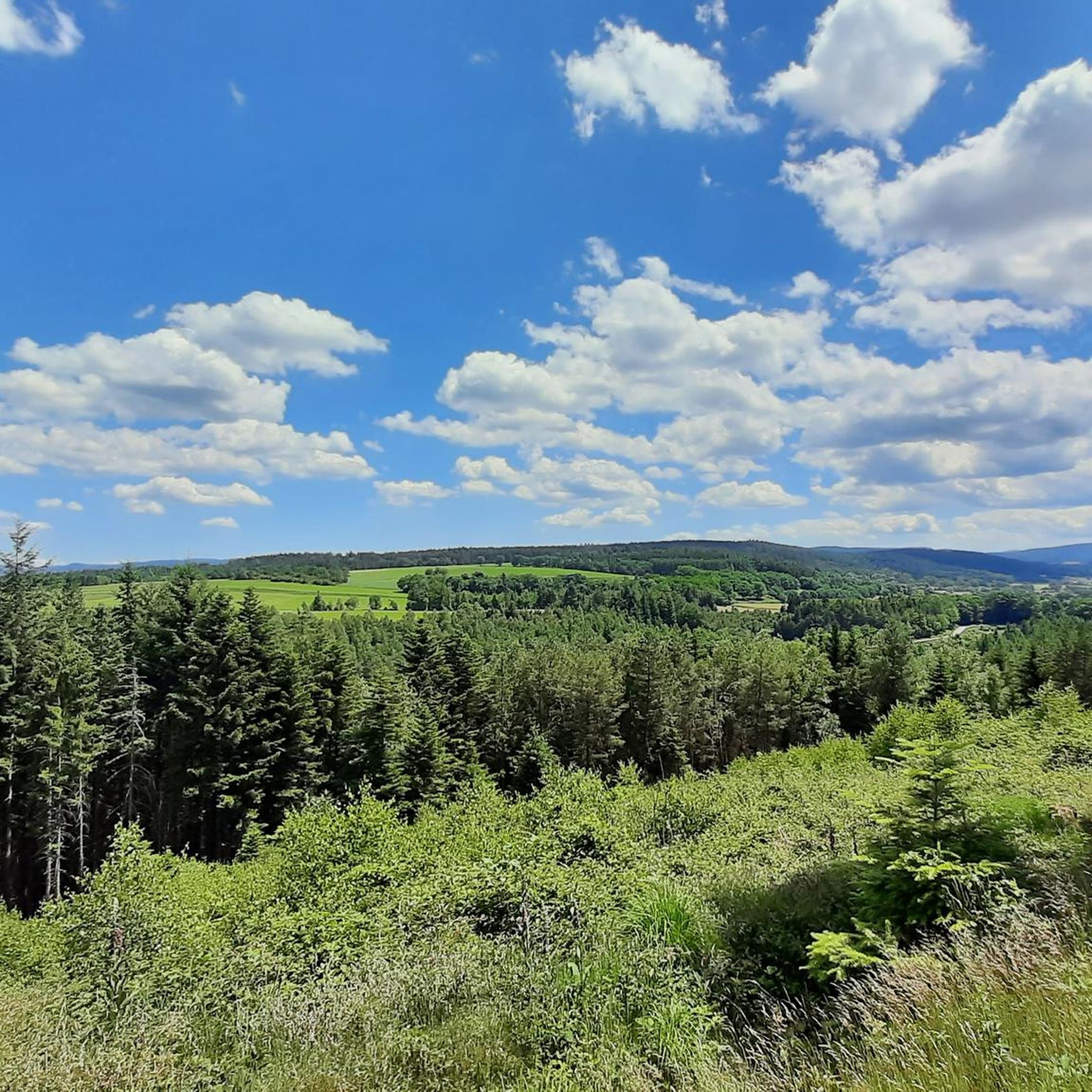
Emblematic rock of the Kemberg massif, from which the view of the Vosges is clear.
1
0

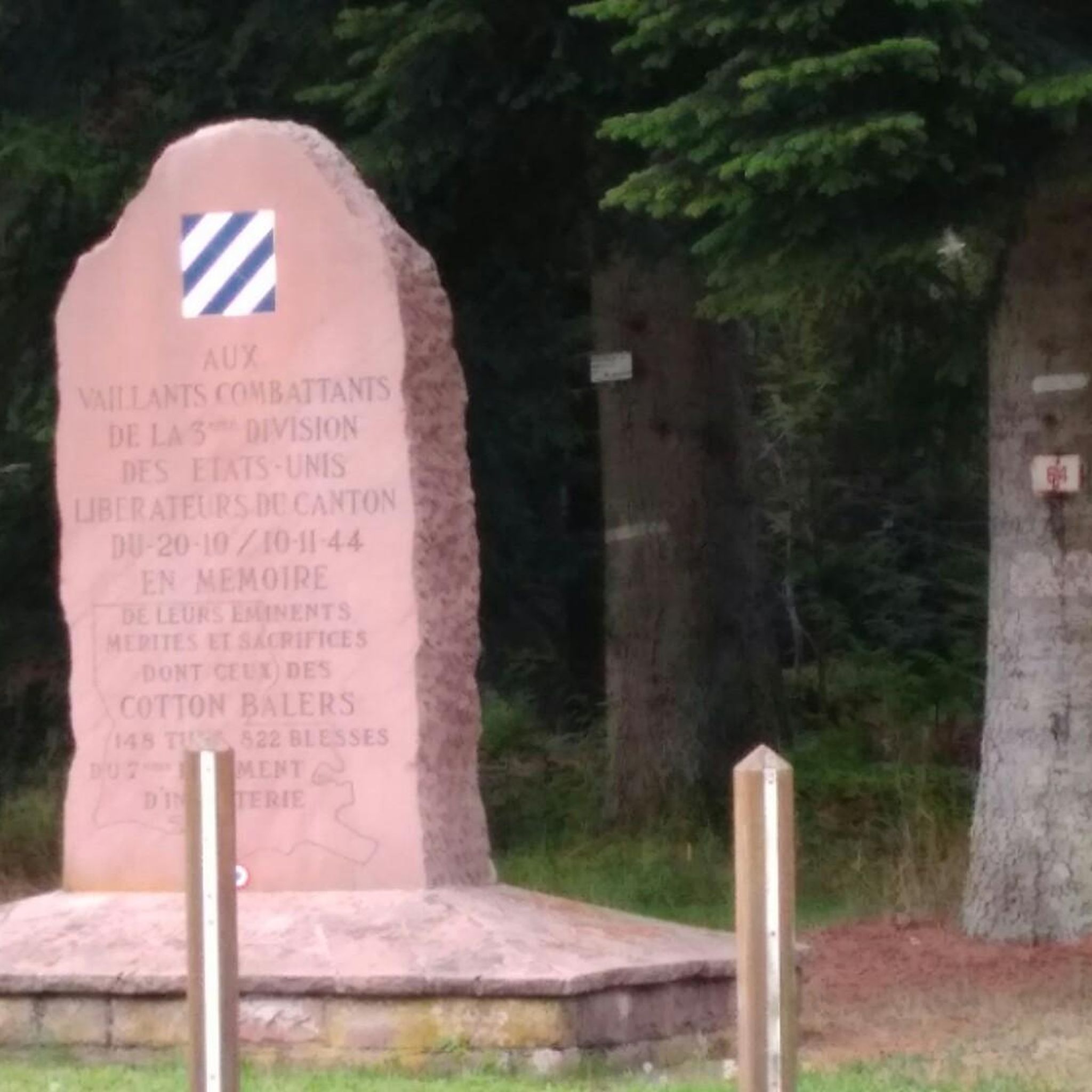
Since the 13th century, a hospice was maintained there by the church. and welcomed pilgrims, travelers and the city's sick. At the request of the inhabitants of this suburb, a church was built there, while a new, more spacious hospital was erected on the right bank of the Meurthe. The church was dedicated to Saint-Martin and was consecrated in 1728. On July 14, 1895, during the National Day fireworks display, the church was set on fire by a rocket which hit the roof covered with fir twigs and burned to the ground. According to the plans of the Parisian architect Heubès, a new Vosges sandstone church was built in the "floral Romanesque" style and consecrated on August 13, 1902.
3
0
Large steep rock with south-facing viewing platform.
2
0

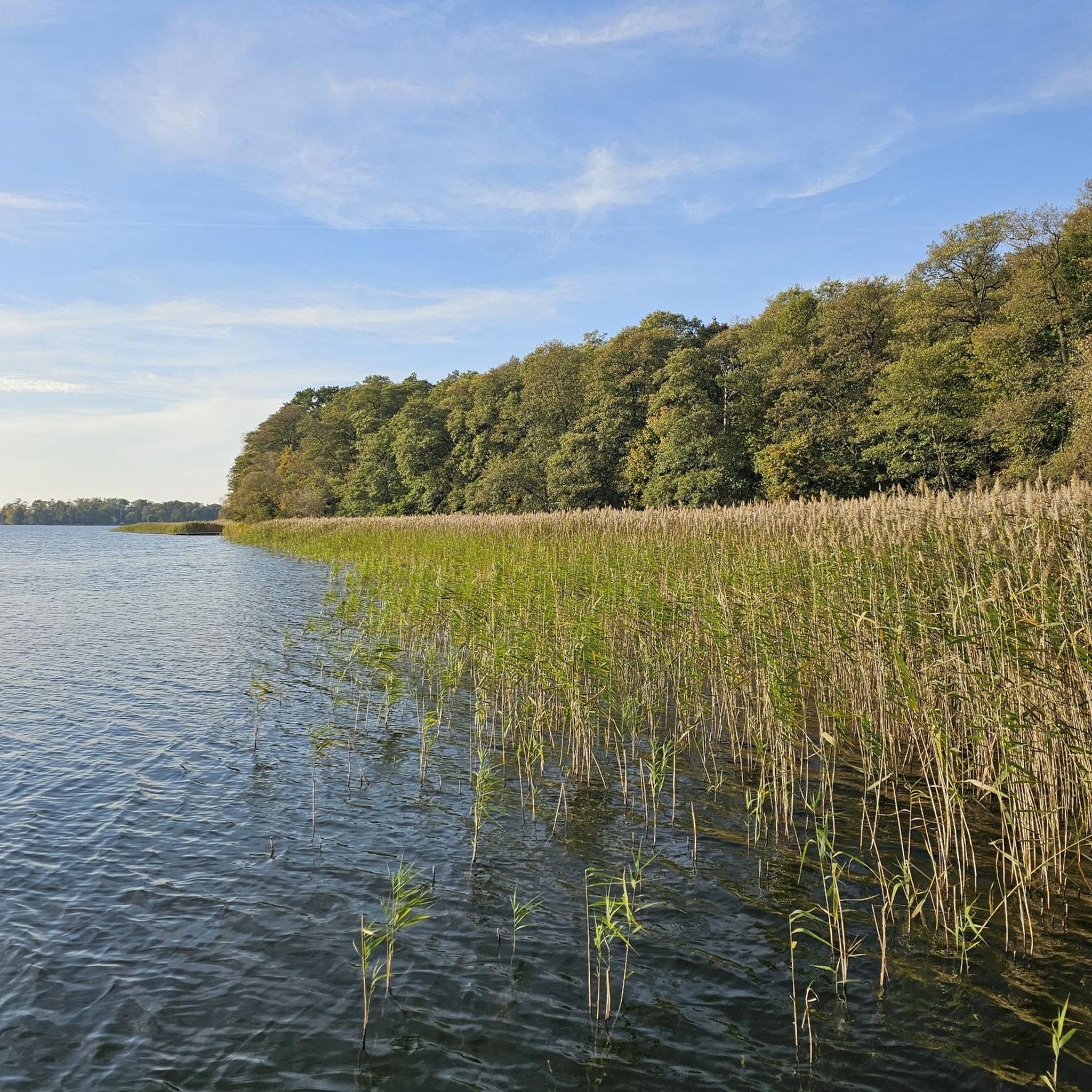
Quiet road through beautiful forest
1
0
Frequently Asked Questions
What natural features and scenic viewpoints can I explore around Les Rouges-Eaux?
The region offers several beautiful natural spots. You can visit La Roche Saint-Martin and View of Saint-Dié, which features impressive sandstone columns and offers fantastic views of Saint-Dié. Another scenic option is the Forest road between Brouvelieures and Autrey, a tranquil route that follows the Mortagne river through a dense forest, perfect for a scenic drive or walk. Additionally, the Roches de Pointhaie provide a beautiful viewpoint over Bruyères and its valley.
Are there any historical or cultural sites to visit near Les Rouges-Eaux?
Yes, the area is rich in history. A significant historical site is La Bure Celtic Camp, a fortified plateau inhabited since the Neolithic period and extensively used by Celts and Romans. You can also visit the Saint-Dié Cathedral in the nearby town of Saint-Dié-des-Vosges, which has origins tracing back to the 7th century. Within Les Rouges-Eaux itself, the Saint-Jean-Baptiste Church, built in 1846 with its distinctive Vosges pink sandstone, is a notable architectural landmark.
What outdoor activities can I do near these attractions?
The Vosges massif is ideal for outdoor enthusiasts. You can enjoy extensive hiking and mountain biking on numerous trails that wind through valleys and forests. For specific routes, consider exploring the options in the Hiking around Les Rouges-Eaux guide or the Gravel biking around Les Rouges-Eaux guide. The Étangs de Pêche et de Loisirs de Pointhaie also offer a relaxing environment for fishing and leisure.
Are there family-friendly activities or places suitable for children?
Yes, the region offers options for families. Many hiking and mountain biking trails cater to various difficulty levels, including family-friendly forest trails like the 'Circuits du Grand Jumeau et du Petit Jumeau,' which feature a playground, small pond, and picnic tables. The Étangs de Pêche et de Loisirs de Pointhaie also provide a relaxing environment for families.
What kind of hiking trails are available around Les Rouges-Eaux?
The area boasts a variety of hiking trails, from easy walks to more intermediate routes, winding through forests and valleys. Examples include 'On the way to school' (easy, 2 hours) and 'Bramont Circuit' (intermediate, 2.5 hours). For a comprehensive list of routes, you can refer to the Hiking around Les Rouges-Eaux guide, which includes routes like 'Belle Jambe Rock loop' and 'La Roche des hauts champs loop'.
What do visitors enjoy most about the attractions around Les Rouges-Eaux?
Visitors particularly appreciate the natural beauty and tranquility of the area. The stunning views from La Roche Saint-Martin and the peaceful atmosphere of the Forest road between Brouvelieures and Autrey are frequently highlighted. The historical significance of sites like La Bure Celtic Camp also draws considerable interest.
Can I find easy walking routes suitable for all abilities?
Yes, there are easy walking routes available. The 'On the way to school' trail is an easy 2-hour walk, and the 'Circuits du Grand Jumeau et du Petit Jumeau' are family-friendly forest trails. For more options, the Hiking around Les Rouges-Eaux guide lists routes like 'La Roche des hauts champs – Pit Rocks loop' which is rated as easy.
What is the best time of year to visit Les Rouges-Eaux for outdoor activities?
The region's natural beauty, characterized by its 'ocean of greenery,' is particularly appealing during spring, summer, and autumn. These seasons offer pleasant weather for hiking, mountain biking, and exploring the scenic forest roads. Autumn provides vibrant foliage, making it a picturesque time for walks.
Are there opportunities for road cycling near Les Rouges-Eaux?
Absolutely. The surrounding Vosges massif offers challenging and scenic routes for road cyclists. You can find various options, including routes like 'Rabodeau Valley – Prayé Forest Road loop' and 'Col du Wettstein – Wettstein Pass loop'. For detailed routes and their difficulties, consult the Road Cycling Routes around Les Rouges-Eaux guide.
Are there any hidden gems or less-known spots worth discovering?
While not widely publicized, the tranquil Forest road between Brouvelieures and Autrey is considered a hidden gem by many, offering quiet immersion in nature. The Étangs de Pêche et de Loisirs de Pointhaie and the nearby Roches de Pointhaie also offer serene environments away from more crowded spots, providing beautiful views and a relaxing atmosphere.
Most popular routes around Les Rouges-Eaux
Most popular attractions around Les Rouges-Eaux

Get inspired with the komoot mobile app


Explore more
Still not found the Highlight you’re looking for? See guides of the top attractions in other regions:
