Attractions and Places To See around Le Thou - Top 20
Best attractions and places to see around Le Thou offer a blend of historical insights and access to diverse regional attractions. Situated in the Charente-Maritime department, Le Thou acts as a passage between the Marais de Rochefort and the Marais Poitevin, providing unique natural landscapes. The area's history dates back to prehistoric times, with archaeological remains and Gallo-Roman settlements reflecting its significance as a historical crossroads. This strategic location provides a gateway to numerous natural, historical, and cultural points of…
Last updated: October 9, 2026
Châtelaillon Beach
Highlight • Beach
The slope of the beach is gentle and the waves are small to ensure safe swimming. …
Translated by Google •
Tip by

Casino JOA de Châtelaillon
Highlight • Structure
Tip by

Sign up now to discover places like this
Get recommendations on the best single tracks, peaks, & plenty of other exciting outdoor places.
Church of Our Lady of the Assumption
Highlight • Religious Site
Tip by

Notre-Dame Church in Salles-sur-Mer
Highlight • Religious Site
Tip by
Saint Mary Magdalene Church
Highlight • Other
Translated by Google •
Tip by
Sign up for free to discover even more attractions around Le Thou.
Already have an account?
Start today with a free account
Your next adventure awaits.



Tips from the Community

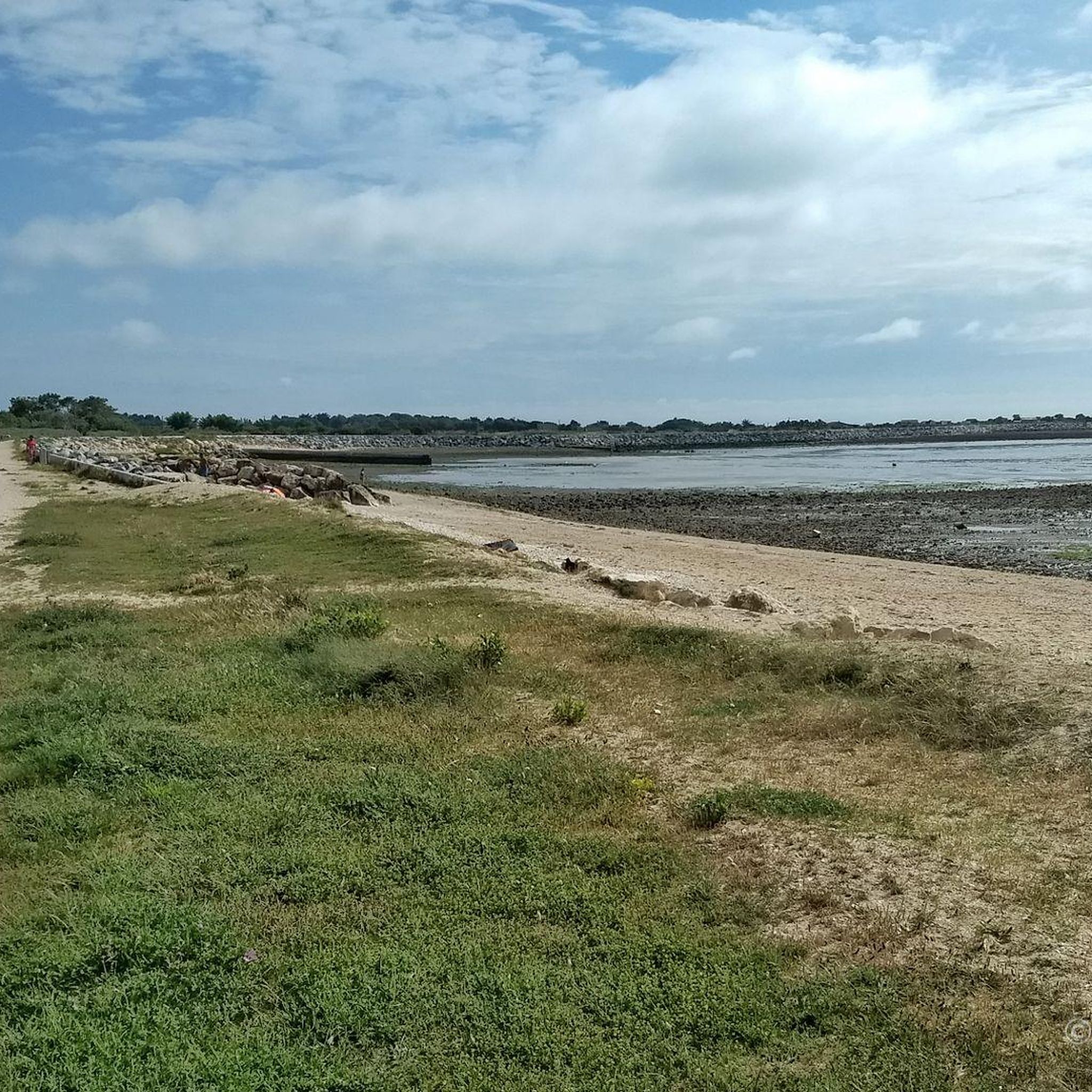
Large, pleasant beach safe for swimming (no risk of currents or "baïnes"). The water is a little warmer here than on the other beaches in the region, especially with low tide around midday. Depending on the season and weather, you might encounter kite enthusiasts (including the Kite Festival) and kitesurfers.
0
0

pretty seaside resort, very charming where life is good 🚶🏻♀️🚶♂️😍☀️🏊♀️🏊♂️
0
0

I love the atmosphere of a casino—the excitement, the glowing screens, the feeling that luck is within reach. I used to go to brick-and-mortar gyms, but due to work and other things, I didn't have enough time. I spent a lot of time searching for a regular site until I found https://www.11croco.com/de. I liked the simple interface and the really large selection of slots. Now, whenever I have a free minute, I go there—the thrill is almost like being in a real casino, only without the dress code and waiting lines.
0
0

Not recognizable from the outside, this church is all the more surprising from the inside! The modern frescoes match the original windows very well in terms of color and theme. We really enjoyed the atmosphere. The church, along with the train station, market hall and railway, was one of the first investments in the 19th century to make this place attractive for seaside tourism.
0
0

With less than 2000 inhabitants, Thairé is one of the least populated rural towns in France. A must see, the medieval church built in the 14th and 15th centuries. It is a true masterpiece of the Middle Ages.
0
0

Long beach of fine sand such as is seldom seen on the Atlantic coast. The slope of the beach is gentle and the waves are small to ensure safe swimming. In addition, the beach is supervised in high season. In low season, it is possible to practice sand yachting, canoeing and kite flying: this beach is lively all year round!
2
0

La première des choses que l’on voit, lorsqu'on arrive à proximité du village, est cette espèce de donjon carré surmonté d’une construction octogonale se terminant par un toit d’ardoise. Si l’on s’approche, on s’aperçoit qu’il s’agit du clocher porche du village. Jusqu’à la révolution de 1789, plusieurs seigneuries se partagent la paroisse : la commanderie des Templiers qui possède les trois quarts de la superficie et la majeure partie du village alors que la seigneurie de Dirac est le prieuré de la Fondelay qui occupe le reste. Au début du XIVe siècle, l’église romane est pillée et détruite. Une nouvelle église est construite et un donjon est érigé pour servir de tour de guet. Au XIIIe siècle la paroisse possédait une église romane qui fût détruite pendant la guerre de 100 ans. En 1318 l’évêque de Saintes invitait le clergé et les fidèles de son diocèse a contribuer à la reconstruction de cette église et de son clocher. Ce dernier vit le jour au cours du XIVe siècle pour s’achever le siècle suivant. Le clocher se présente comme un puissant massif carré, pourvu d’énormes contreforts d’angles. Côté sud ouest il contient la vis d’escalier. L’intérieur, plutôt obscur, est partagé par 2 piliers modernes. La plate-forme a 13,5 m et contient les défenses : un double mâchicoulis sur corbeau au nord, le flanc au sud défendu par une tourelle de gay, et une échauguette accessible depuis l’octogone. Ainsi conçu pour la défense ce clocher donjon est un bel édifice d’architecture militaire du XIVe siècle. Dans cette sévère bâtisse les seuls éléments sculptés sont le portail ouest et le sommet de l’escalier où un chapiteau représente deux monstres dévorant les oreilles d’un masque humain Aux XVIe et XVIIe siècle, le village a beaucoup souffert du conflit entre catholiques et protestants. Le quartier de l’hôpital possession des hospitaliers de Saint-Jean de Jérusalem, héritier des templiers, a été entièrement détruit. L’église a été brûlée et le culte catholique a été célébré pendant de nombreuses années sous le porche du donjon. Peu de vestiges subsistent du passé : les moulins et les fours de la commanderie, Les Halles, le lavoir, la Fontaine, les ruines du château médiéval, ont disparu. Seuls restent le donjon du XIVe siècle, le baloir du XVe siècle, à Dirac l’escalier monumental du château. Les armoiries de la commune rappellent que le village a appartenu aux Chevaliers de Malté et aux Templiers jusqu’à la Révolution.
1
0
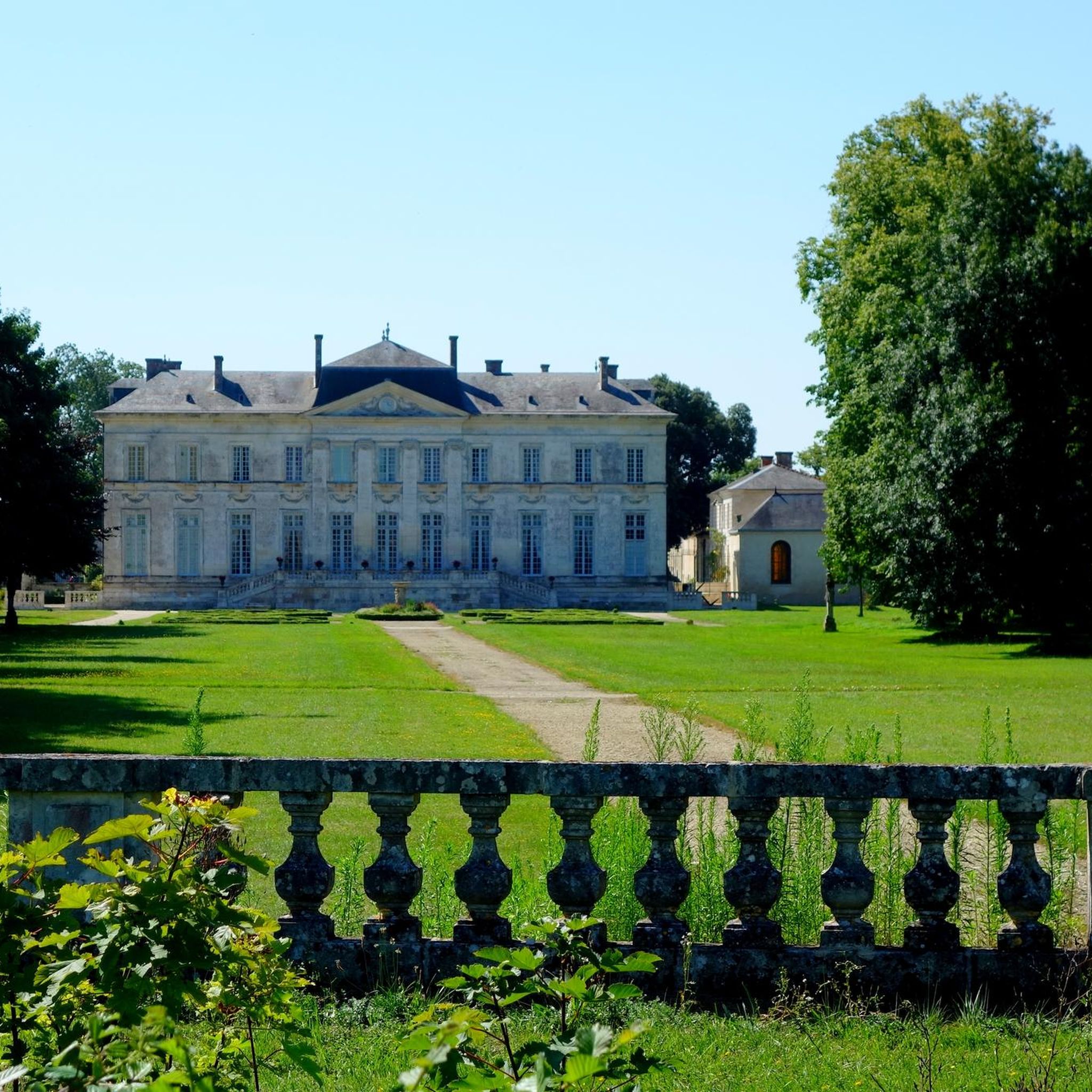
Du haut de ses 900 ans, l’église Notre Dame domine le village de Salles-sur-Mer. A son origine, elle dépendait du prieuré de l’île d’Aix. Orientée Nord/Sud, elle resplendit dans un écrin de verdure bien que son aspect extérieur soit relativement sobre. Toutefois quelques vestiges de la merveilleuse architecture gothique des Plantagenet des XII° et XIII° restent perceptibles pour un œil attentif et lui donnent quelques éclats. Édifiée entre le XI° et XII° siècle, elle fut l’objet de deux sinistres relativement importants. Tout d’abord aux prises avec un violent incendie lors du siège des Anglais en 1356 et ensuite détruite aux ¾ durant les guerres de Religion qui ont fait rage dans la région. Elle fut reconstruite sur les pierres restantes au XVII° siècle après le siège de La Rochelle L’église primitive reste présente dans l’arc triomphal sur faisceaux de colonnes à chapiteaux sculptés, les voutes du chœur et la chapelle latérale En ce début du XXI° siècles, 3 vitraux modernes dus au maitre verrier de Ruffec Philippe Riffaud ont été placés dans les 3 principales fenêtres. Un projet porté par la Commune de Salles-sur-Mer consiste à poursuivre ce programme global par un 4° vitrail du même verrier en attendant les suivants dans des phases ultérieures . Il est étendu à la restauration de 2 bustes reliquaires en bois et à celle de la statue de la Vierge Marie. Et enfin, détail pratique, doter l’église d’une installation de chauffage plus moderne. Sous l’égide de la Fondation du Patrimoine, la Commune de Salles-sur-Mer a lancé une souscription publique pour associer toute personne publique ou morale de la commune ou d’ailleurs à ce projet d’envergure de restauration. Un très concis PdF d’une vingtaine de pages avec de très beaux croquis et dessins, rappelant l’histoire de cette église, a été réalisé par Monsieur AUBRY , chef d’Escadron (ER) de la gendarmerie avec l’aide de son épouse Mme AUBRY née LENOBLE, assistante sociale Chef. Pour toutes les personnes intéressées par l'histoire plus approfondie de cette magnifique église, Il est disponible sous le lien suivant http://www.salles-sur-mer.fr/wp-content/uploads/Notre-Dame-de-Salles-Eglise.pdf
0
1
Frequently Asked Questions
What natural attractions can I explore near Le Thou?
Le Thou is strategically located between the Marais de Rochefort and the Marais Poitevin, offering unique marshland landscapes. You can also visit the Forêt de Benon for nature exploration or the Baie de l'Aiguillon. For a seaside experience, the Châtelaillon Beach is a popular choice, known for its long stretch of fine sand.
Are there any historical sites or cultural experiences in Le Thou and its immediate vicinity?
Yes, Le Thou has a rich history. You can find archaeological remains dating back to prehistoric times, including Neolithic camps and Gallo-Roman settlements. For a unique cultural experience, visit "La Cochonne Rit" - Musée des commerces d'autrefois, which immerses visitors in the atmosphere of shops from the 1900s. The Church of Our Lady of the Assumption is also a notable medieval religious building nearby.
What kind of outdoor activities can I do around Le Thou?
The region around Le Thou offers various outdoor activities. You can enjoy cycling, gravel biking, and road cycling on numerous routes. For example, there are easy cycling routes like the 'Bike loop from Aigrefeuille-d'Aunis' or more challenging ones like the 'Gabut neighborhood – Port du Loiron Fishing Huts loop'. You can find more details on these routes in the Cycling around Le Thou, Gravel biking around Le Thou, and Road Cycling Routes around Le Thou guides.
Are there family-friendly attractions near Le Thou?
Absolutely! Families can enjoy the Châtelaillon Beach for safe swimming and sand activities. For recreational fun, Aunis Karting is located directly in Le Thou. Nearby, the Lac de Frace in Aigrefeuille-d'Aunis offers a moderate 8.5 km circular hiking trail suitable for families. Further afield, La Rochelle boasts the popular La Rochelle Aquarium.
What are some notable towns or cities to visit near Le Thou?
Several attractive towns are within a short distance. Rochefort, an 18th-century town, is famous for its corderie (rope factory) and historical sites. La Rochelle, about 20 km away, is a historic town with attractions like its Towers, Aquarium, and lively Harbour. Surgères, 13 km away, features a central park with monuments and a market.
Can I find places for swimming or water activities?
Yes, the Châtelaillon Beach is an excellent spot for swimming, known for its gentle slope and small waves. In low season, it's also popular for sand yachting and canoeing. Additionally, Lac de Frace in nearby Aigrefeuille-d'Aunis offers a lake environment, though specific swimming details should be checked locally.
What is the best time of year to visit Le Thou and its surrounding attractions?
The region is enjoyable throughout the year, but the summer months are particularly popular for seaside resorts like Châtelaillon-Plage and outdoor activities. The mild climate of Charente-Maritime makes spring and autumn ideal for exploring historical sites and natural landscapes without the peak summer crowds.
Are there any religious monuments worth visiting in the area?
Yes, the region has several significant religious buildings. The Church of Our Lady of the Assumption, a 14th and 15th-century medieval church, is considered a masterpiece. Other notable sites include the Saint Mary Magdalene Church in Châtelaillon-Plage, known for its modern interior frescoes, and the Saint-Pierre Church of Angoulins, which blends Roman and Gothic architectural styles.
What unique historical insights does Le Thou offer?
Le Thou's history as a crossroads is evident through its archaeological remains, including Neolithic camps, Iron Age pastoral enclosures, and Gallo-Roman settlements. Its strategic location on a ridge separating major watersheds made it a hub for exchange, with evidence of human activity stretching back to prehistoric times. The Aigrefeuille - Le Thou Station also has a history dating back to the 1850s.
Are there any islands I can visit near Le Thou?
Yes, the small but charming Île d'Aix is located about 21 km from Le Thou. It's an island best explored on foot or by bike, offering a tranquil escape and unique coastal scenery.
What kind of markets can I find in towns near Le Thou?
Several nearby towns host vibrant markets. Surgères has a market on Tuesdays, Thursdays, and Saturdays. Châtelaillon-Plage offers markets on Tuesdays and Fridays, and Fouras also has markets on Tuesdays and Fridays. Marans features a market on Tuesdays, providing opportunities to experience local produce and crafts.
Most popular routes around Le Thou

Get inspired with the komoot mobile app


Explore more
Still not found the Highlight you’re looking for? See guides of the top attractions in other regions:
