The best walks and hikes around Botans
4.4
(589)
4,041
hikers
333
hikes
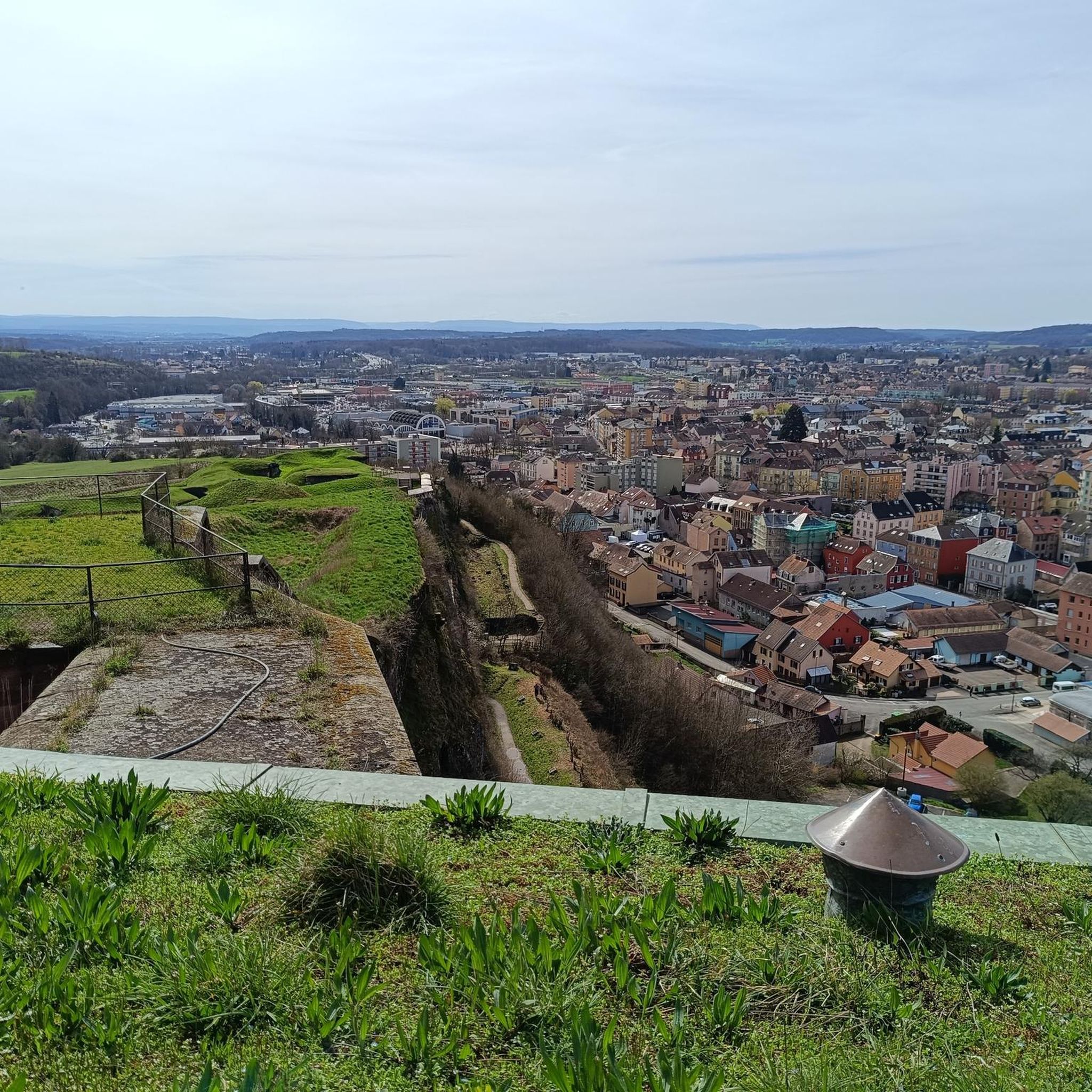
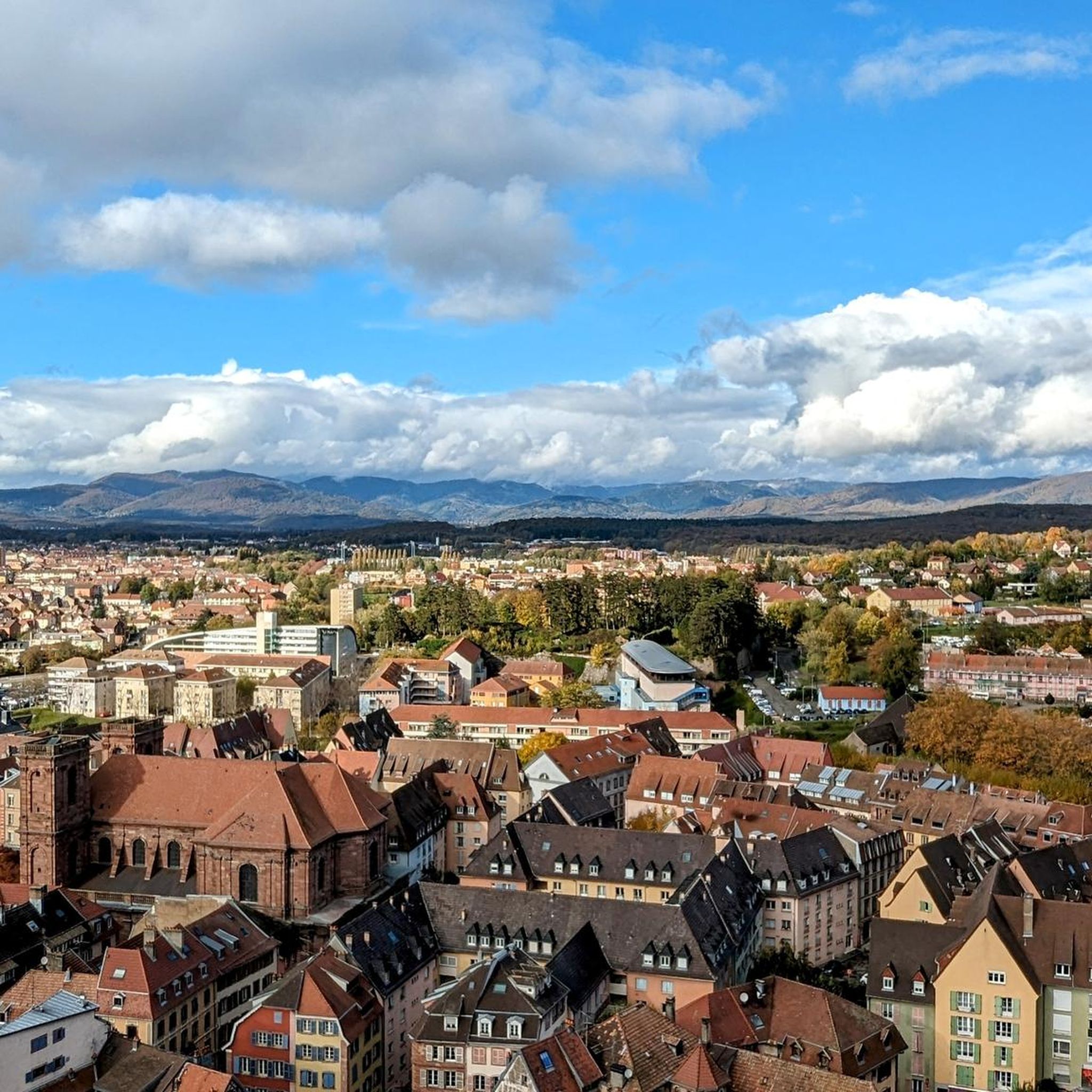
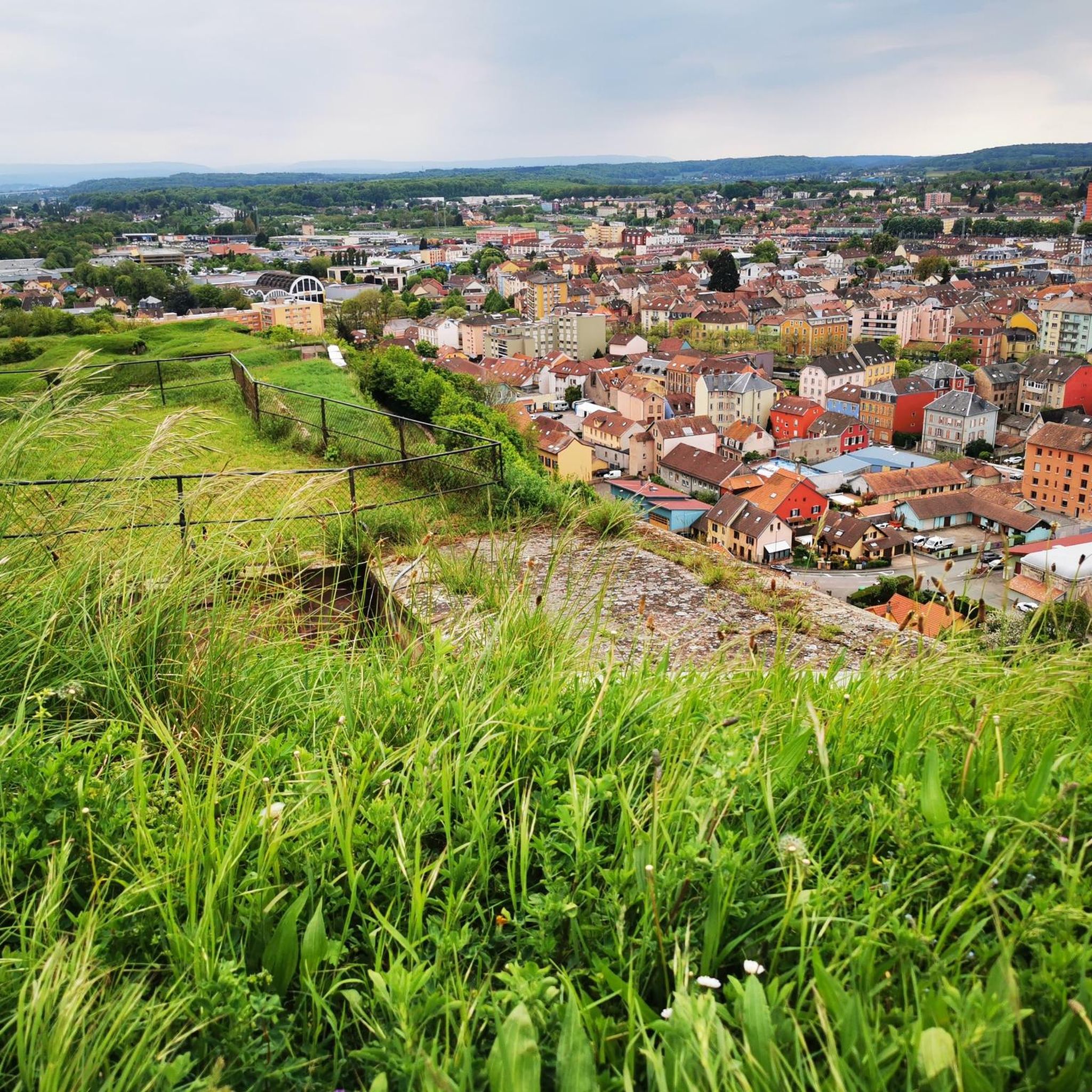
Hiking around Botans offers access to the varied landscapes of the Territoire de Belfort region. The area is characterized by gentle hills, forests, and agricultural land, providing a mix of natural and cultural points of interest. Nearby features include elevated points like Mont Salbert, offering panoramic views, and natural sites such as Étang des Forges and Lac du Malsaucy, which feature diverse birdlife and accessible paths. These surroundings provide a range of hiking opportunities from leisurely strolls to more extended…
Last updated: June 21, 2026
4.7
(3)
23
hikers
8.86km
02:24
130m
130m
Moderate hike. Good fitness required. Easily-accessible paths. Suitable for all skill levels.
3.0
(1)
11
hikers
7.27km
02:01
130m
130m
Moderate hike. Good fitness required. Easily-accessible paths. Suitable for all skill levels.

Sign up for free
5.0
(1)
12
hikers
7.88km
02:02
40m
40m
Moderate hike. Good fitness required. Easily-accessible paths. Suitable for all skill levels.
5.0
(1)
7
hikers
4.87km
01:18
50m
50m
Easy hike. Great for any fitness level. Easily-accessible paths. Suitable for all skill levels.
7
hikers
7.01km
01:50
50m
50m
Easy hike. Great for any fitness level. Easily-accessible paths. Suitable for all skill levels.
Get access to more routes and recommendations from other explorers.
Sign up for free
Already have an account?
Our route recommendations are based on thousands of hikes, rides, and runs completed by other people on komoot.
Start today with a free account
Your next adventure awaits.
Login or Signup
Tips from the Community

Well done for sharing this knowledge and thank you for taking the time to share it with us.
0
0

I noticed this highlight during my search. However, it is not on the Haute Saône Canal but on an independent river, the Savoureuse. According to Wikipedia: The Savoureuse is a right tributary of the Allan, around 41 kilometers long, in the French department of Territoire de Belfort in the Bourgogne-Franche-Comté region. It flows through the city of Belfort and drains the western part of the department to the Mediterranean via the Allan, Doubs, Saône and Rhône water system. The Savoureuse catchment area covers an area of around 225 km². The river name comes from the Patois expression savour (saw). https://de.m.wikipedia.org/wiki/Savoureuse
2
0

Memorial to the fallen of the two world wars 🕊️
0
0

Beautiful cycle route Coulée Verte along the canal. The name is a bit..., I suggested a change on Komoot.
1
1

“Each of these crosses can tell its own story and what prompted people to erect “their” cross at this point. (...) These wayside crosses were erected as visible signs and attract the attention of many people. The cross is a symbol of life. It stands as a sign of our Christian hope and wants to direct our gaze to Jesus Christ, who has overcome death (...). The cross is part of our life as it was in the life of Jesus. So I wish that many people … visit the crosses, whether as places of stillness and breathing space before God, whether as places for community gatherings, prayer and praise to God.” (Text source: Dean Rainald M. Ollig in: "Crossroads... small sacred monuments as a sign of popular piety")
2
0

It was after the loss of Alsace in 1871 that the government of the Third Republic decided in 1878 to build canals in Eastern France to allow the movement of goods, and in particular steel products from Lorraine to Franche. -Comté, between the Nancy region and those of Burgundy and Franche-Comté. One of the first projects concerned the construction of the Canal de l'Est which began around 1875 and completed in 1887, then that of the Canal de la Haute-Saône which was to connect the remaining French part of the Canal du Rhône au Rhine to the Canal de l'Est . The aim was also to serve the Ronchamp coal mines and allow the coal produced in its shafts to be evacuated. In 1881 the project was largely defined and received approval from the Administration. The first blows of the pickaxes were given in 1882 but the difficulties encountered during the drilling of the Châlonvillars and Chérimont tunnels, the enormous volume of excavated material, due to the deep trenches and the significant embankments, meant that the initial budget turned out to be under -evaluated. As sufficient additional funds were slow to come, the project dragged on and completion could not take place before the end of the First World War which returned Alsace and its waterways to France. As the usefulness of the canal was no longer established, the entire project was called into question and only the section (12.5 km) connecting the Rhône-Rhine canal to the port of Botans was completed and filled with water in 1926. This port, managed by the Chamber of Commerce and Industry, served until the 1970s as a coal port for Belfort. At the beginning of the 21st century, only rare pleasure boats still used it. On April 26, 2018, in view of the upcoming closure of the section, the last boats left the port of Botans. The banks are a place for walks appreciated by residents of the Belfort-Montbéliard urban area: it is the Coulée Verte of the canal which allows hikers and cyclists to go from the lock located between Essert and Châlonvillars (Haute-Saône ) at the Prés-la-Rose park in Montbéliard (Doubs), by taking EuroVélo 6 from a point located in the commune of Étupes. The Champagney basin initially constituted the water reserve (13 million m³) for regulating the water level in the canal. Currently, it is a lake very popular with local fishermen and swimmers.
1
0
The first mention of the name Bellemonte dates from 1147, in a charter confirming the possession of the church to the priory of Lanthenans (Doubs). From this period, the current parish church, dedicated to Saint Lawrence, only retains part of the choir, a polygonal apse in Romanesque style. This building, which dominates the Savoureuse valley, is an important landmark for local users of the A36 motorway.
0
0
Fort du Bois-d'Oye, also called Fort de Bermont (because it is located in the town of Bermont) and briefly Fort Eblé (its name Boulanger in honor of General Jean-Baptiste Eblé), was built between 1883 and 1887 by the company Adrien Hallier. It is a work that is part of the fortifications of eastern France of the Séré de Rivières type. It is an integral part of the stronghold of Belfort.
0
0
Frequently Asked Questions
How many hiking trails are there around Botans?
The Botans area offers a wide variety of hiking opportunities, with over 300 trails available. These routes cater to different skill levels, including easy, moderate, and some more challenging options.
What kind of landscapes can I expect to see while hiking near Botans?
Hiking around Botans will take you through diverse landscapes typical of the Territoire de Belfort. You'll encounter gentle hills, dense forests, and agricultural lands. The region is also characterized by its proximity to natural sites like the Étang des Forges and Lac du Malsaucy, offering pleasant lakeside scenery and opportunities for birdwatching.
Are there easy hiking options suitable for families or beginners?
Yes, there are many easy hiking options around Botans. For example, the Hiking loop from Bavilliers is an easy 3-mile (4.9 km) path. Another accessible option is the Hiking loop from Botans, which is about 4.4 miles (7 km) long and also considered easy.
Can I find circular hiking routes in the Botans area?
Absolutely. Many trails around Botans are designed as loops, allowing you to start and end at the same point. Popular circular routes include the TGV Rhin-Rhône Viaduct – Stone Cross Monument loop from Bermont and the La Savoureuse loop from Froideval, which offers pleasant riverside views.
Are dogs allowed on the hiking trails near Botans?
Generally, dogs are welcome on most hiking trails around Botans, especially in natural areas and forests. However, it's always recommended to keep them on a leash, particularly near wildlife or in agricultural zones, and to check for specific local regulations, especially around protected natural sites like the Étang des Forges or Lac du Malsaucy.
What are some interesting natural sights or landmarks to explore on a hike?
The region offers several natural highlights. You can explore the Savoureuse Valley Nature Reserve or visit the Véronne Pond. The Étang du Malsaucy is also a popular spot, known for its birdlife and accessible paths, with a dedicated Viewpoint overlooking Lake Malsaucy.
Are there historical sites or cultural points of interest accessible via hiking trails?
Yes, the area around Botans is rich in history. You can hike to the Citadel of Belfort, a significant historical site, or explore forts like Fort de Vézelois and Mont Vaudois Fort. The Côte d'Essert Fort loop from Bavilliers is a popular trail leading to a historic fort.
How can I reach the hiking trails near Botans using public transport?
While Botans itself is a small village, the broader Territoire de Belfort region, where many trails are located, has public transport options. For instance, Lac du Malsaucy is accessible by train, promoting low-carbon tourism. It's advisable to check local bus or train schedules for specific trailheads, especially for routes further from Botans.
What is the best time of year to go hiking around Botans?
The best time for hiking around Botans is typically from spring through autumn (April to October). During these months, the weather is generally mild and pleasant, making for comfortable walking conditions. Spring brings blooming flora, while autumn offers beautiful fall foliage. Winter hiking is possible, but some paths might be muddy or icy, and daylight hours are shorter.
What do other hikers say about the trails around Botans?
The trails around Botans are highly rated by the komoot community, with an average score of 4.4 stars from over 500 reviews. Hikers often praise the mix of forests and gentle hills, the well-maintained paths, and the diverse natural experiences, from riverside strolls to routes with historical points of interest.
Are there any trails that offer panoramic views?
Yes, for panoramic views, consider exploring trails around Mont Salbert, located near Belfort. This elevated point provides 360-degree views of the surrounding area, including the Vosges mountains and, on clear days, even the distant Alps. It's a great spot for hikers looking for scenic vistas.
Are there any specific trails that follow rivers or lakes?
Yes, you can find trails that follow waterways. The La Savoureuse loop from Froideval, for instance, follows the La Savoureuse river, offering pleasant riverside scenery. Additionally, the areas around Étang des Forges and Lac du Malsaucy provide accessible paths along the water, perfect for leisurely strolls and nature appreciation.
What is the typical duration for hikes around Botans?
Hikes around Botans vary in duration depending on the route and your pace. Many popular trails, like the TGV Rhin-Rhône Viaduct – Stone Cross Monument loop from Bermont, take approximately 2 hours 24 minutes. Shorter, easy loops can be completed in under 2 hours, while longer routes might extend to 3-4 hours.
Most popular attractions around Botans

Get inspired with the komoot mobile app


Explore more
Browse the best Hikes in other regions.
