The best walks and hikes around Felletin
4.5
(56)
245
hikers
44
hikes
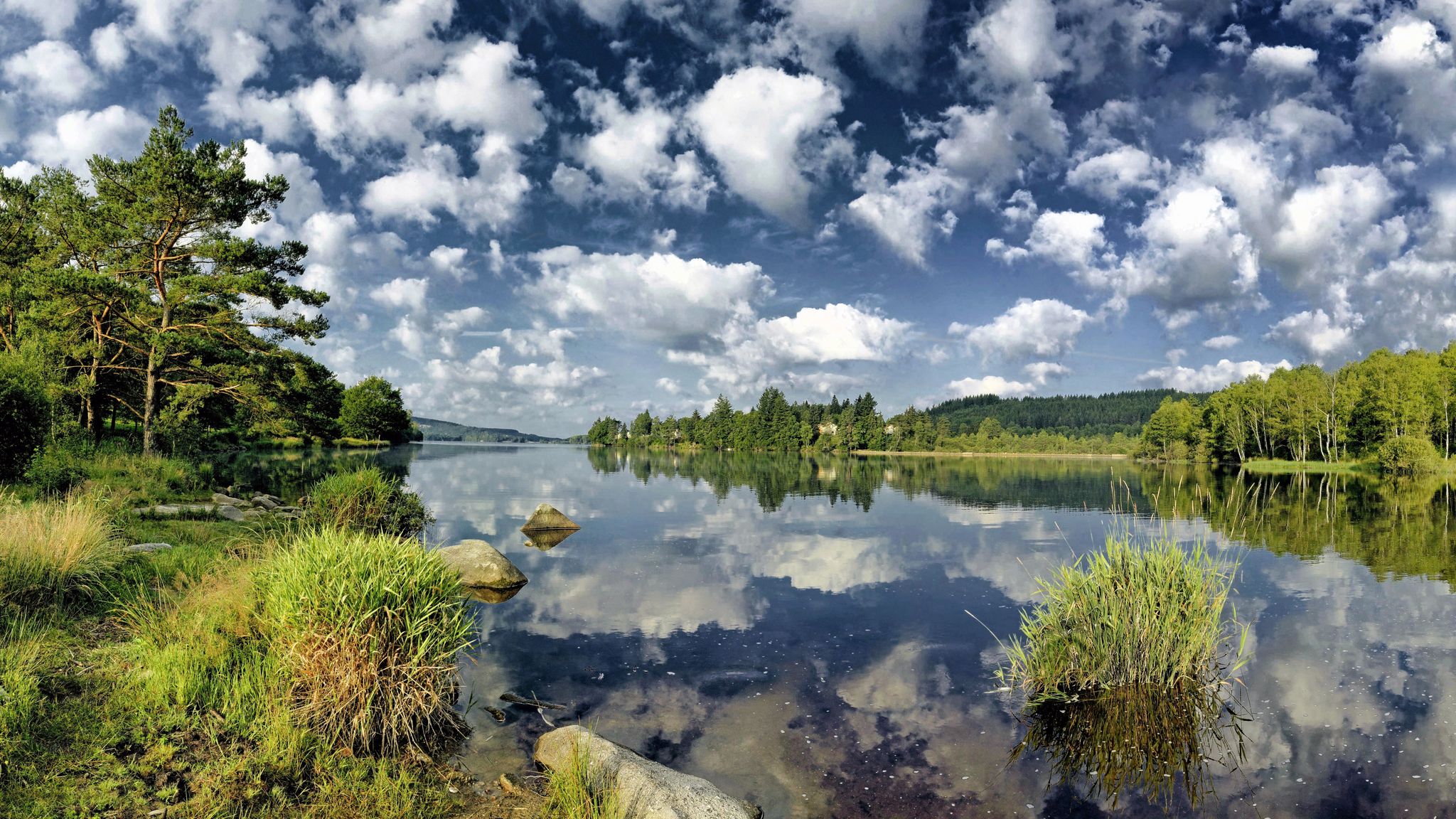
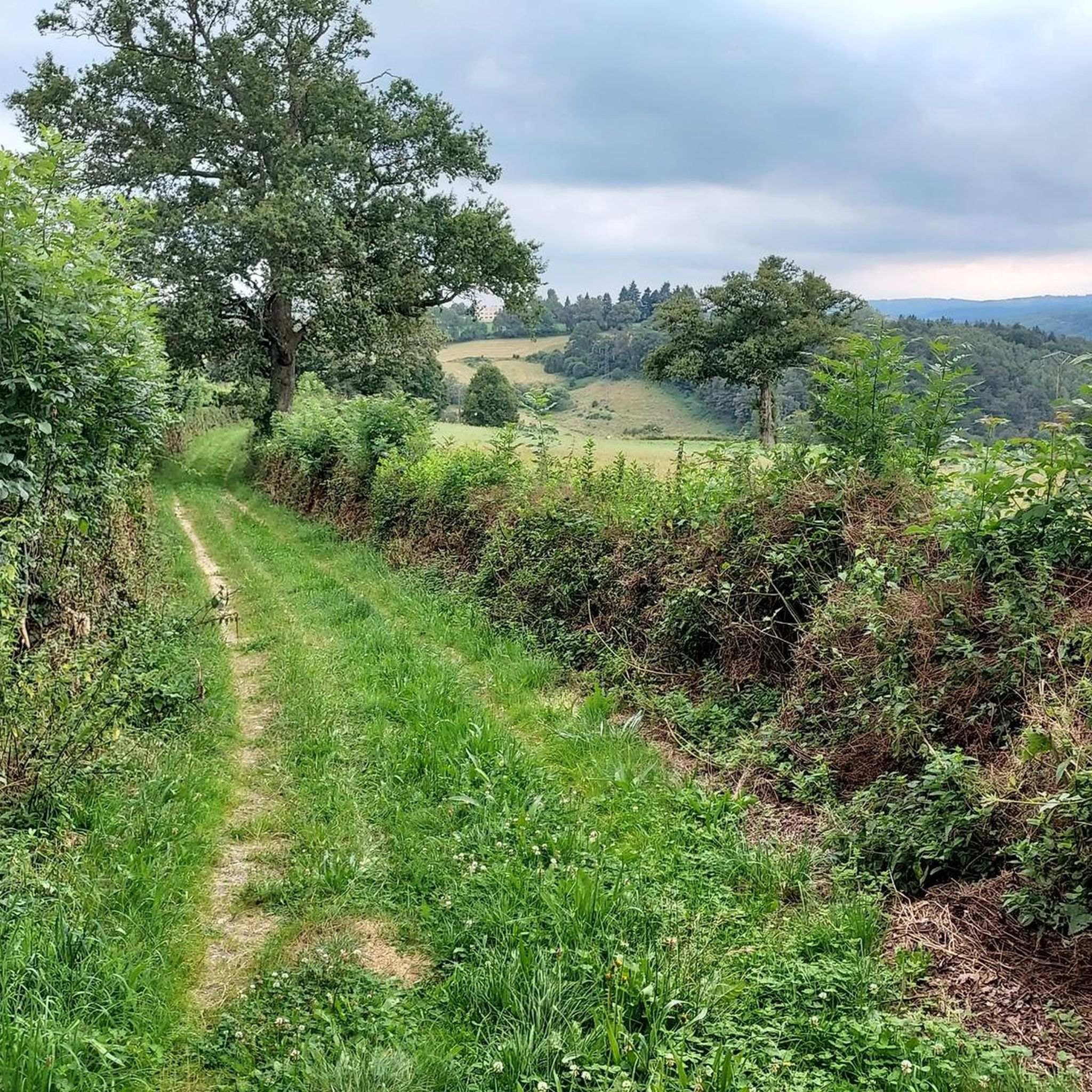
Hiking around Felletin offers diverse landscapes within the Creuse department, serving as a gateway to the Millevaches Regional Natural Park. The terrain features verdant forests, peaceful rivers like the Creuse and Chavanat, and flower-filled meadows. Hikers can explore valleys, lakes, and intriguing geological formations, with routes ranging from gentle riverside paths to more challenging ascents. The region also includes historical sites such as castles and archaeological locations integrated into various trails.
Best hiking trails around Felletin
- The most popular hiking…
Last updated: August 18, 2026
3.5
(2)
6
hikers
12.5km
03:34
280m
280m
Moderate hike. Good fitness required. Easily-accessible paths. Suitable for all skill levels.
4.6
(5)
8
hikers
8.67km
02:31
230m
230m
Moderate hike. Good fitness required. Easily-accessible paths. Suitable for all skill levels.

Sign up for free
10
hikers
17.4km
04:57
390m
390m
Moderate hike. Good fitness required. Easily-accessible paths. Suitable for all skill levels.
4.7
(3)
8
hikers
21.3km
06:04
500m
500m
Hard hike. Very good fitness required. Easily-accessible paths. Suitable for all skill levels.
4.0
(2)
3
hikers
Moderate hike. Good fitness required. Easily-accessible paths. Suitable for all skill levels.
Get access to more routes and recommendations from other explorers.
Sign up for free
Already have an account?
Our route recommendations are based on thousands of hikes, rides, and runs completed by other people on komoot.
Start today with a free account
Your next adventure awaits.
Login or Signup

Other adventures around Felletin

Tips from the Community

Overcrowded tourist village
0
0

Aubusson boasts several noteworthy buildings from the Middle Ages and more recent times. These include the clock tower from 1579, part of the town's fortifications. Aubusson also has museums dedicated to the production of tapestries and the Jean Lurçat Cultural Centre.
1
0
This old watchtower was integrated into the city's fortifications. Also called the "white tower", it is the last vestige of the enclosure that surrounded Aubusson. It was used to monitor movements in the city. On the facade of the tower, three dials facing the city indicate the time. It is easily recognizable with its pepperpot roof covered in chestnut shingles. It is decorated with a bell decorated with three small bas-reliefs: a mitred bishop.
2
0

This bridge is emblematic of Aubusson. Originally made of wood, it was essential for commercial exchanges on the road from Limoges to Clermont-Ferrand. It was rebuilt with stones from the castle (itself dismantled on the orders of Rochelieu). There remains a castle (from the 15th century) on the left bank, which formerly housed the archers in charge of the defense of the building.
1
0

Be careful if you have to go visit the museum, call before, they can close to the public without warning on the site.
0
0

The Pont de la Terrade in Aubusson was until the 18th century, the only crossing point of the Creuse on the main road leading to Limoges. This passage was gradually abandoned in favor of the later, larger Récollets bridge. Thus the Terrade bridge remains today in a remarkable state of conservation. It has undergone very few modifications related to the development of modern transport. Originally made of wood, it is deployed across the river from a stone pile. Natural rot, bad weather and the importance of the Creuse wines, the bridge became dangerous due to its dilapidated state despite various repairs from the middle of the 16th century. The need for reconstruction is felt. It was replaced by a stone bridge built between 1638 and 1641 with materials from the ruins of the old medieval castle of the first Viscounts of Aubusson, the Chapter. This Huguenot defensive stronghold was destroyed on the orders of Richelieu in 1632. The Pont de la Terrade, property of the town, was listed in the inventory of historical monuments on June 15, 1926. Carefully restored in 2009, this building preserved charm illustrates the typicality of the architecture of Aubusson.
0
0
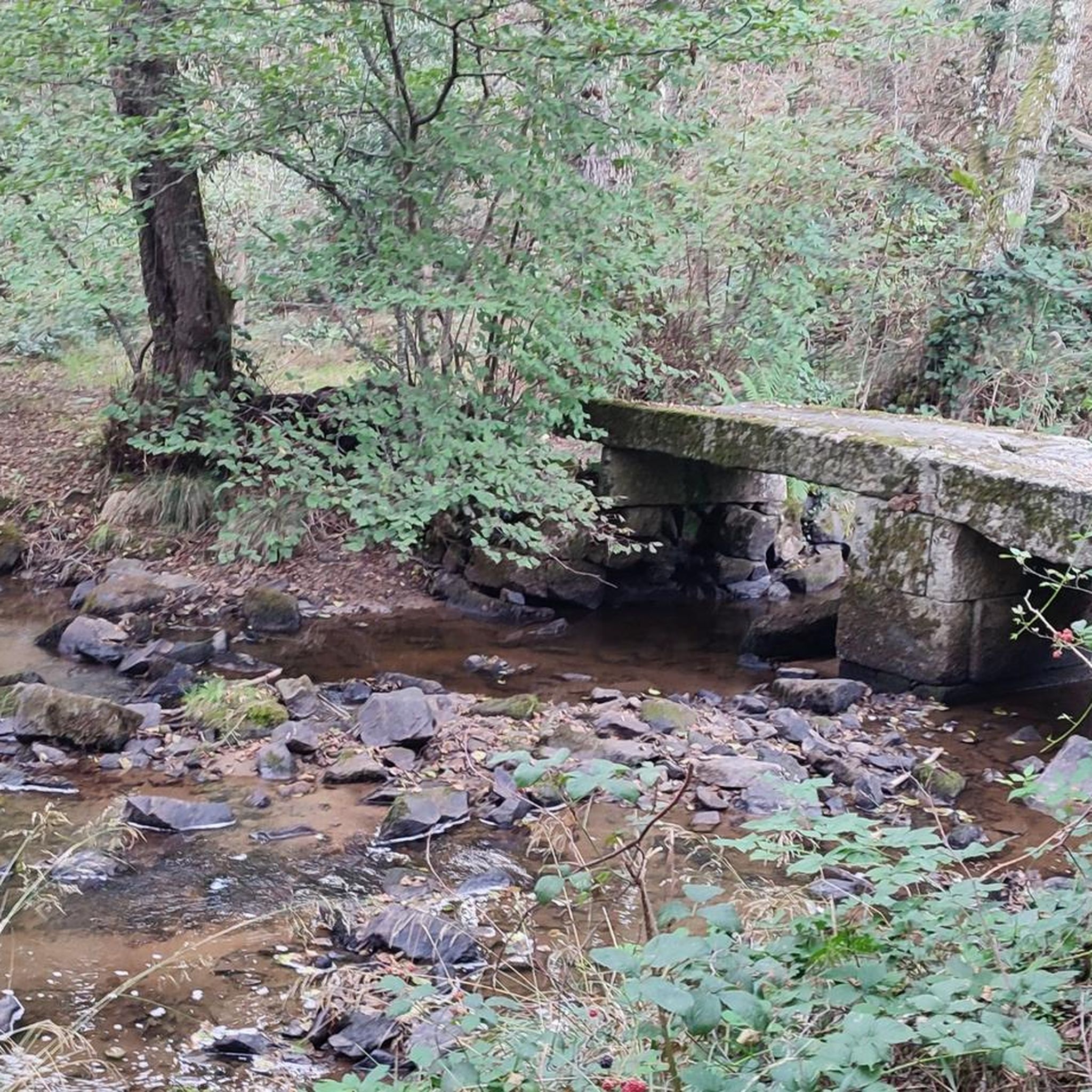
This medieval bridge, known as the 'Soubre Bridge' and made up of four arches, those at the ends in a semi-circular arch, the other two in a pointed arch, bears the name of a tapestry manufacturer whose workshops were located nearby. In the 16th century, Felletin was a prosperous town which saw the development of a significant number of industries: flour milling, tanning, paper milling, dyeing, etc. The river provided the energy necessary for the operation of the numerous mills. Next to the bridge, we notice the toll terminal symbolizing the duty that had to be paid to bring certain goods and foodstuffs into the city. Listed as a Historic Monument in 1926. Source: https://www.tourisme-creuse.com/
0
0
Frequently Asked Questions
How many hiking trails are available around Felletin?
Felletin offers a wide variety of hiking experiences, with over 30 routes available. These include 11 easy trails, 19 moderate options, and 1 more challenging route, catering to different fitness levels.
What kind of landscapes can I expect to see while hiking near Felletin?
The region around Felletin, serving as a gateway to the Millevaches Regional Natural Park, features diverse landscapes. You'll encounter verdant forests, peaceful rivers like the Creuse and Chavanat, flower-filled meadows, and scenic valleys. Some routes also lead to intriguing geological formations and offer panoramic views.
Are there family-friendly hiking options in Felletin?
Yes, Felletin offers several easy walks suitable for families and all fitness levels. These trails often follow gentle riverside paths or explore the town's historic center, providing an enjoyable experience for everyone.
Can I explore historical sites while hiking in Felletin?
Absolutely. Many hiking routes in Felletin integrate historical and cultural points of interest. For instance, the Archaeological site loop from Moutier-Rozeille offers a glimpse into the area's past. You can also discover the historic Château Le Mas Laurent on a loop from Felletin, or explore the Felletin Historic Center itself, which boasts mansions, half-timbered houses, and a medieval bridge.
Are there circular hiking routes available?
Yes, Felletin is well-suited for circular walks. Many trails are designed as loops, allowing you to start and end at the same point. A popular option is the Roby bridge loop from Felletin, which takes you through picturesque river valleys.
What do other hikers enjoy most about hiking in Felletin?
The area is highly rated by the komoot community, with an average score of 4.3 stars from over 40 reviews. Hikers often praise the diverse terrain, including river valleys and dense forests, and the unique geological formations. The well-maintained network of routes also receives positive feedback.
Are there any notable natural landmarks or viewpoints to discover?
Yes, the region is rich in natural landmarks. You can explore the **Circuit des Pierres Jaumâtres** to see mysterious, strangely-shaped boulders, or hike the **Sentier du Maupuy** for panoramic views of the surrounding area. The valleys of the Creuse and Dejoune rivers are also noted for their rich aquatic flora and fauna.
What is the best time of year to go hiking in Felletin?
Felletin offers enjoyable hiking throughout the year. Spring and autumn provide mild temperatures and vibrant colors, while summer allows for longer days to explore. Even winter offers a unique, tranquil experience with different scenery, though some trails might be more challenging depending on conditions.
Can I combine hiking with a visit to nearby towns or attractions?
Absolutely. Felletin is close to other interesting sites. Just 8 km away is Aubusson, renowned for its tapestries, which you can visit after a hike. Some routes, like the Creuse – Aubusson Clock Tower loop from Barrage des Combes, even incorporate elements of nearby towns into the trail.
Are there any specific highlights or points of interest along the trails?
Yes, you'll find several points of interest. For example, the Puy Fatal – Menhir dit Pierre Fitte loop from Saint-Quentin-la-Chabanne features a notable standing stone. Other highlights include the historic Terrade Bridge and the Roby bridge, which are often part of local routes.
Is Felletin a good base for exploring the Millevaches Regional Natural Park?
Yes, Felletin serves as an excellent gateway to the Millevaches Regional Natural Park. Its strategic location provides easy access to the park's authentic nature and varied ecosystems, making it an ideal starting point for exploring this protected area.
Most popular attractions around Felletin

Get inspired with the komoot mobile app


Explore more
Browse the best Hikes in other regions.
