The best cycling routes around Valençay
3.5
(7)
37
riders
16
rides
Touring cycling around Valençay offers routes through the gentle landscapes of the Indre department in France. The region is characterized by its rolling countryside, interspersed with forests and historical châteaux. Cyclists can expect varied terrain, including quiet rural roads and paths that traverse agricultural land. The elevation changes are generally moderate, making the area accessible for a range of cycling abilities.
Best touring cycling routes around Valençay
- The most popular touring cycling route is Valençay, Luçay-le-Mâle et Villentrois — loop…
Last updated: July 2, 2026
2.0
(2)
5
riders
Moderate bike ride. Good fitness required. Mostly paved surfaces. Suitable for all skill levels.
3.0
(1)
1
riders
20.8km
01:16
150m
150m
Easy bike ride. Great for any fitness level. Mostly paved surfaces. Suitable for all skill levels.

Sign up for free
3.5
(2)
5
riders
42.4km
02:40
380m
380m
Moderate bike ride. Good fitness required. Mostly paved surfaces. Suitable for all skill levels.
1
riders
70.1km
04:07
300m
300m
Moderate bike ride. Good fitness required. Mostly paved surfaces. Suitable for all skill levels.
3
riders
14.3km
00:52
100m
100m
Easy bike ride. Great for any fitness level. Mostly paved surfaces. Suitable for all skill levels.
Get access to more routes and recommendations from other explorers.
Sign up for free
Already have an account?
Our route recommendations are based on thousands of hikes, rides, and runs completed by other people on komoot.
Start today with a free account
Your next adventure awaits.
Login or Signup

Tips from the Community

A little curiosity on the wall of a barn
0
0

The Collegiate Church of Saint-Aignan is a French church located in the center of the city of Orléans, on the north bank of the Loire River, in the Loiret department in the Centre-Val de Loire region. It is dedicated to Saint Aignan, Bishop of Orléans. This beautiful church was originally built for the cult of Saint Aignan, whose relics were kept in the crypt. The current basilica, begun by Charles VII in 1438 but completed in 1509 by Louis XII, is not the first construction, as traces of buildings dating from the 6th, 9th, 11th, 14th, and 15th centuries have been found. They were all destroyed by fire, floods, or human hands. The people of Orléans, and in particular the canons, have always been keen to rebuild this building because Saint Aignan is an important figure in the history of Orléans, due to the role he played against the barbarians in the 5th century. While bishop of the city, he is said to have miraculously defended it against the Hun invasion in 451. https://www.tourismeloiret.com/fr/diffusio/visites/collegiale-saint-aignan-orleans_TFOPCUCEN045V501HHG
3
0
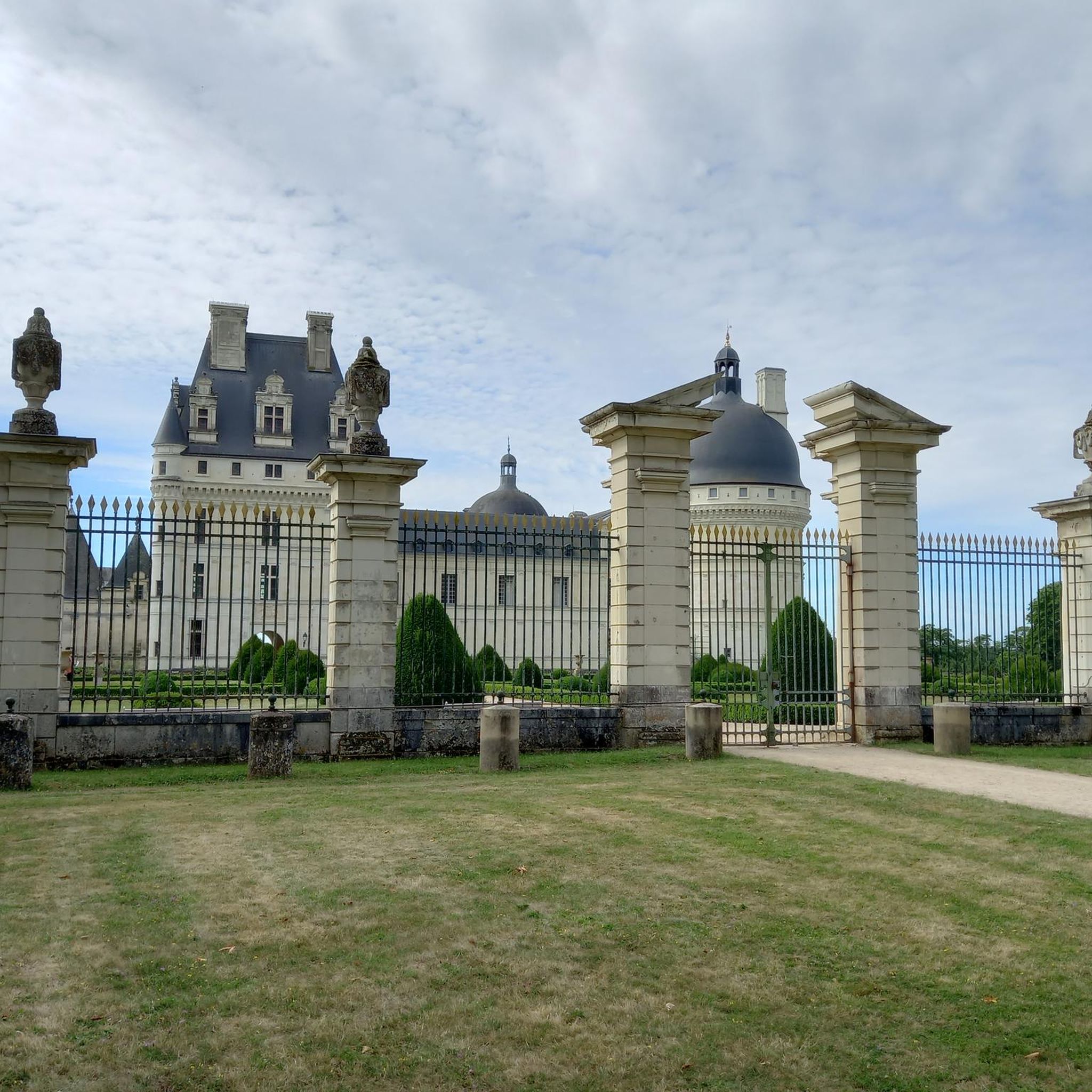
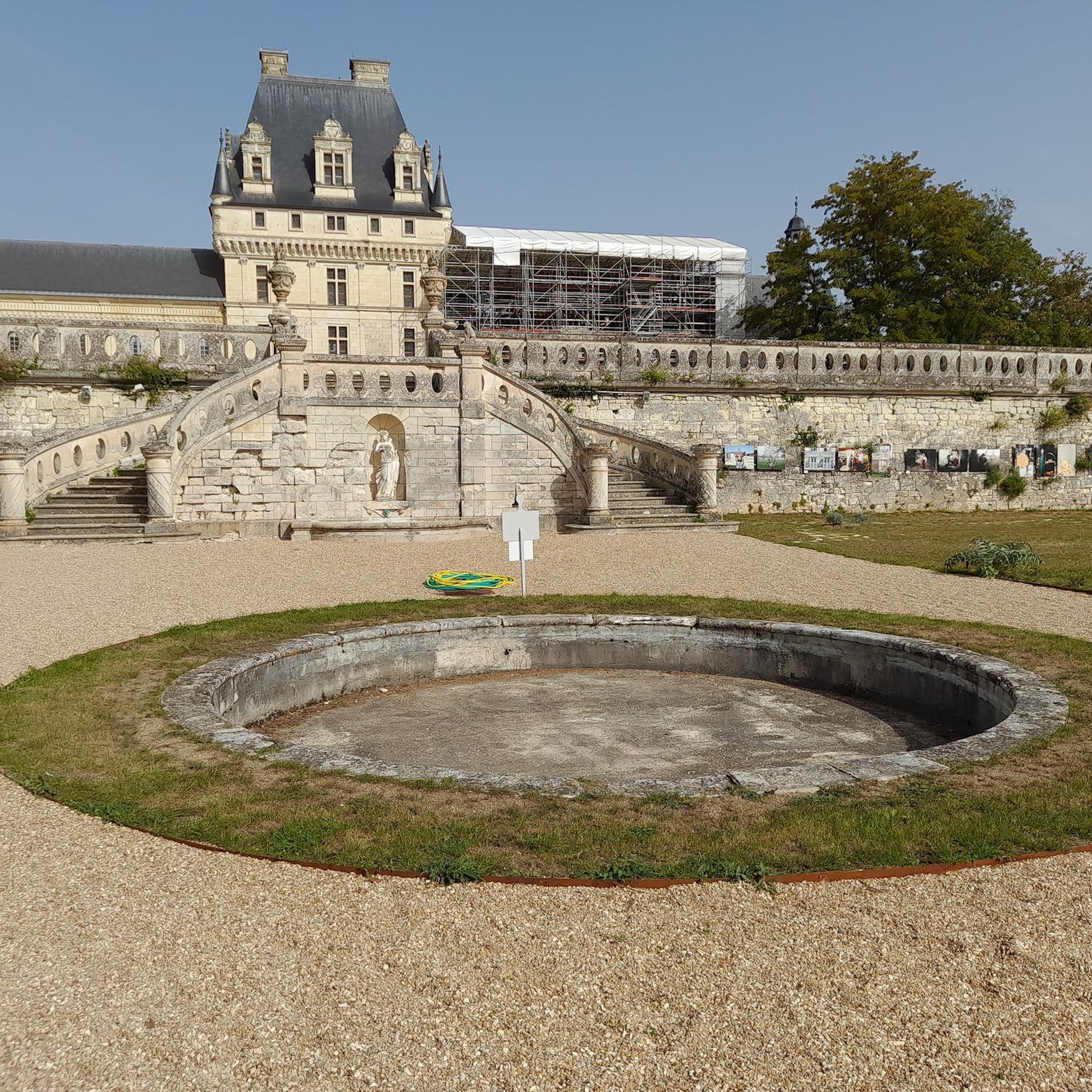
History: In the 10th century, Eudes I, Count of Blois, built a castle on the hills. Of the old building, only the so-called Agar Tower, or keep, remains, with some wall removals. The current castle, set at right angles, was rebuilt in the 16th century by the Beauvilliers. The north facade is divided by two brick and stone pavilions. The attic is decorated with pedimented dormers. To the south, in the main courtyard, the two buildings intersect at right angles. They are pierced by cruciform mullioned windows, separated by pilasters and bands on which figures are sheltered in small niches. Stone dormers with pinnacled and shell pediments adorn the roofs. A modern polygonal tower, outside the building, connects the two main buildings. It is highly decorated with pilasters and twin columns. The west pavilion is the most richly decorated. A frieze decorated with Italianate medallions supports an openwork balustrade. The ruins of the original castle are located opposite the current castle. The building was extensively restored in the 19th century.
3
0
Saint Aignan, who died in 453 after defending the people of Orleans against the Huns, was buried in a first tomb. As veneration of his relics grew, a basilica was built. A community of monks settled there, and canons replaced them in the 9th century. Following the damage caused by Norman attacks and the fire of 999, Charles the Bald began reconstruction, and Robert the Pious completed the Romanesque church with its crypt housing the relics of Saint Aignan. This church was consecrated on June 14, 1029. We will soon celebrate its millennium. https://collegiale-saintaignan-dorleans.fr/la-crypte/
4
0
Castle of Saint-Aignan-sur-Cher https://www.sudvaldeloire.fr/offres/chateau-de-saint-aignan-saint-aignan-fr-2608592/
3
0
Collegiate Church of Saint-Aignan https://fr.wikipedia.org/wiki/Coll%C3%A9giale_Saint-Aignan_de_Saint-Aignan
3
0
Collegiate church and crypt with frescoes https://www.val-de-loire-41.com/visite/collegiale-et-crypte-avec-fresques-pcu41aasor100182/
4
0

This castle dates from the 11th century. The castle cannot be visited because it is private property, but you can admire it from the outside.
0
0
Frequently Asked Questions
How many touring cycling routes are available around Valençay?
There are 12 touring cycling routes documented around Valençay on komoot, offering a variety of experiences through the region's landscapes.
Are there easy touring cycling routes suitable for beginners or families in Valençay?
Yes, Valençay offers several easy touring cycling routes. For a relaxed outing, consider the Valençay and Chambon Loop, an easy 12.9-mile (20.8 km) path. Another gentle option is the Château de la Devraudière loop from La Chaussonnière, which covers 10.6 miles (17.0 km) with minimal elevation gain.
What kind of terrain can I expect on touring cycling routes in Valençay?
The terrain around Valençay is characterized by rolling countryside, interspersed with forests and agricultural land. Elevation changes are generally moderate, making the area accessible for a range of cycling abilities. You'll primarily find quiet rural roads and paths.
Are there any challenging touring cycling routes for experienced riders?
While most routes are easy to moderate, there is one difficult touring cycling route available for those seeking a greater challenge. The region's moderate elevation changes mean that even longer routes tend to be more about endurance than steep climbs.
What is the best season for touring cycling in Valençay?
The best seasons for touring cycling in Valençay are typically spring and autumn, when the weather is mild and the natural scenery is at its most vibrant. Summers can be pleasant, but it's advisable to check local forecasts for warmer days.
Are there circular touring cycling routes available in Valençay?
Many of the touring cycling routes in Valençay are circular, allowing you to start and end at the same point. An example is the popular Valençay, Luçay-le-Mâle et Villentrois — loop through the forest and the countryside, a 19.6-mile (31.6 km) moderate route.
What historical sites or landmarks can I explore along the cycling routes?
Valençay is known for its historical châteaux. A notable route is the Château de Valençay – Valençay Castle loop from Valençay, which takes you through historical areas around the famous Château de Valençay. Another option is the longer Château de Villentrois – Valençay Castle loop from Valençay, which also explores historical surroundings.
What do other touring cyclists say about the routes in Valençay?
The touring cycling routes in Valençay are highly rated by the komoot community, with an average score of 3.2 stars from 5 reviews. Cyclists often appreciate the mix of forests, open countryside, and historical châteaux that define the region's network of paths.
Are there opportunities for wildlife spotting on the touring cycling trails?
Given the region's mix of forests and open countryside, there are opportunities to observe local wildlife, especially in quieter, more secluded sections of the routes. Keep an eye out for various bird species and small mammals typical of the Indre department.
Are there places to stop for refreshments or cafes along the cycling routes?
While specific cafes directly on every trail are not guaranteed, many routes pass through or near charming villages where you can find local establishments for refreshments. Planning your route with komoot allows you to identify towns and potential stops along the way.
Is public transport available to access the touring cycling routes in Valençay?
Valençay is a rural area, and public transport options might be limited compared to larger cities. It's advisable to check local bus schedules or regional train services to see if they align with your chosen starting points for the cycling routes.
Where can I find parking for my car when starting a touring cycling route?
Parking is generally available in the town of Valençay itself, often near the Château or in public car parks. For routes starting in smaller villages, look for designated parking areas or suitable roadside spots, always ensuring you park responsibly and legally.

Get inspired with the komoot mobile app


Explore more
Browse the best Cycling routes in other regions.
