Top 10 Mountain Passes around Saint-Léger
Mountain passes around Saint-Léger are situated in a mountainous region of the French Alps, characterized by diverse terrain and significant elevation changes. The area offers a range of routes, from challenging ascents to scenic descents, traversing forests, valleys, and alpine landscapes. This region is known for its passes that attract cyclists and outdoor enthusiasts seeking varied experiences.
Best mountain passes around Saint-Léger
- The most popular mountain pass is Col du Grand Cucheron, a mountain pass located in the extreme…
Last updated: April 28, 2026
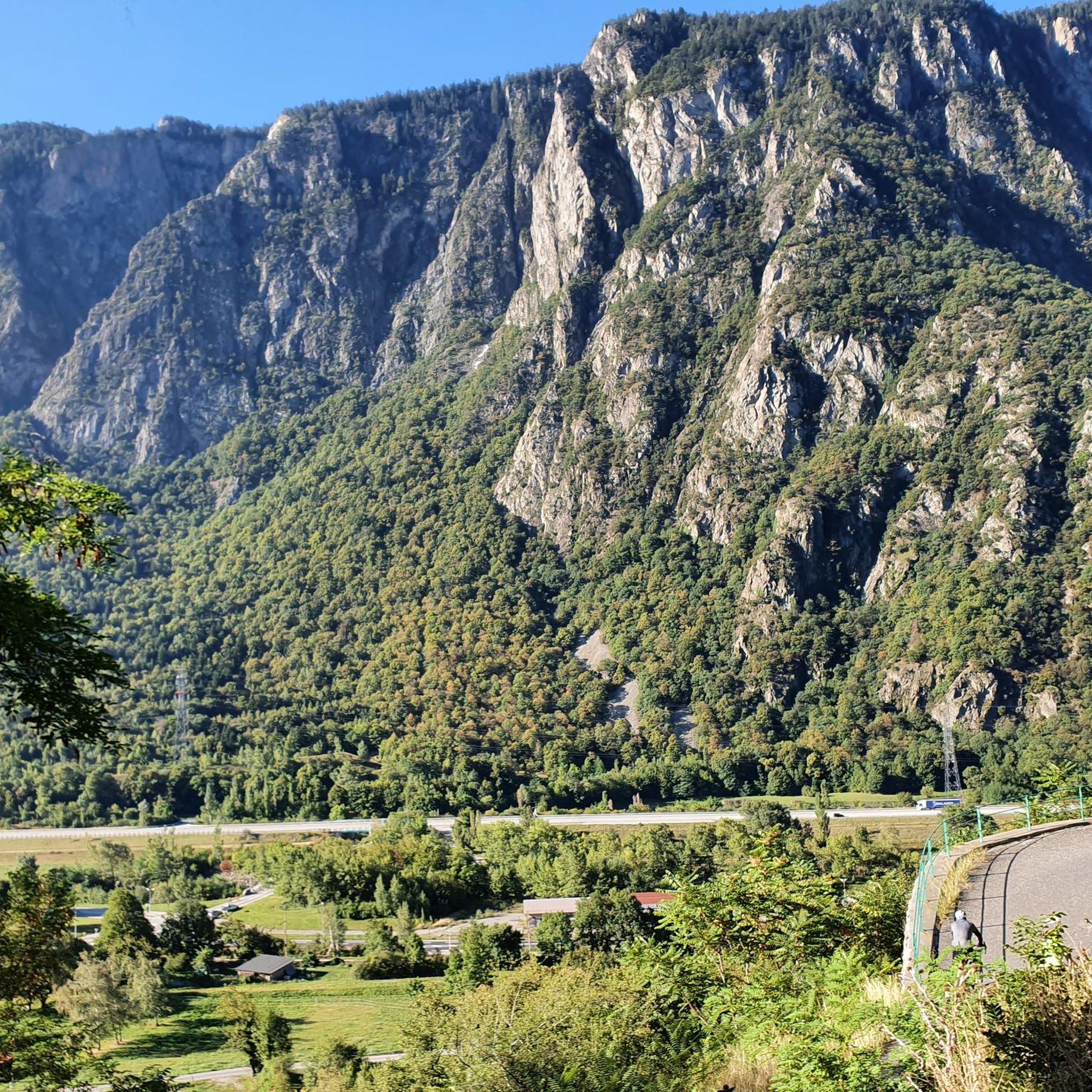
Col du Grand Cucheron
Highlight (Segment) • Mountain Pass
Translated by Google •
Tip by

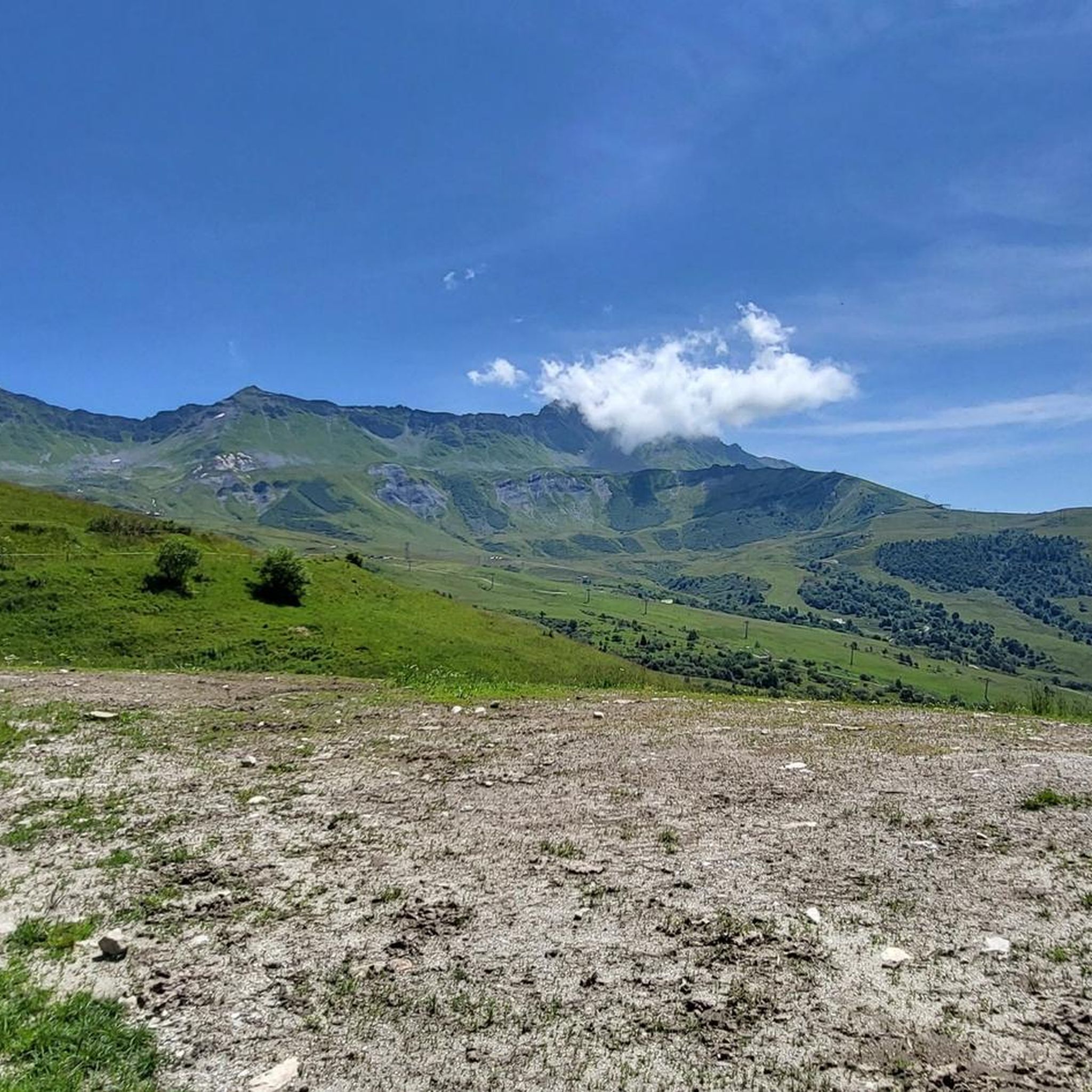
Col de la Madeleine
Highlight • Mountain Pass
Translated by Google •
Tip by
Sign up now to discover places like this
Get recommendations on the best single tracks, peaks, & plenty of other exciting outdoor places.
Sign up for free
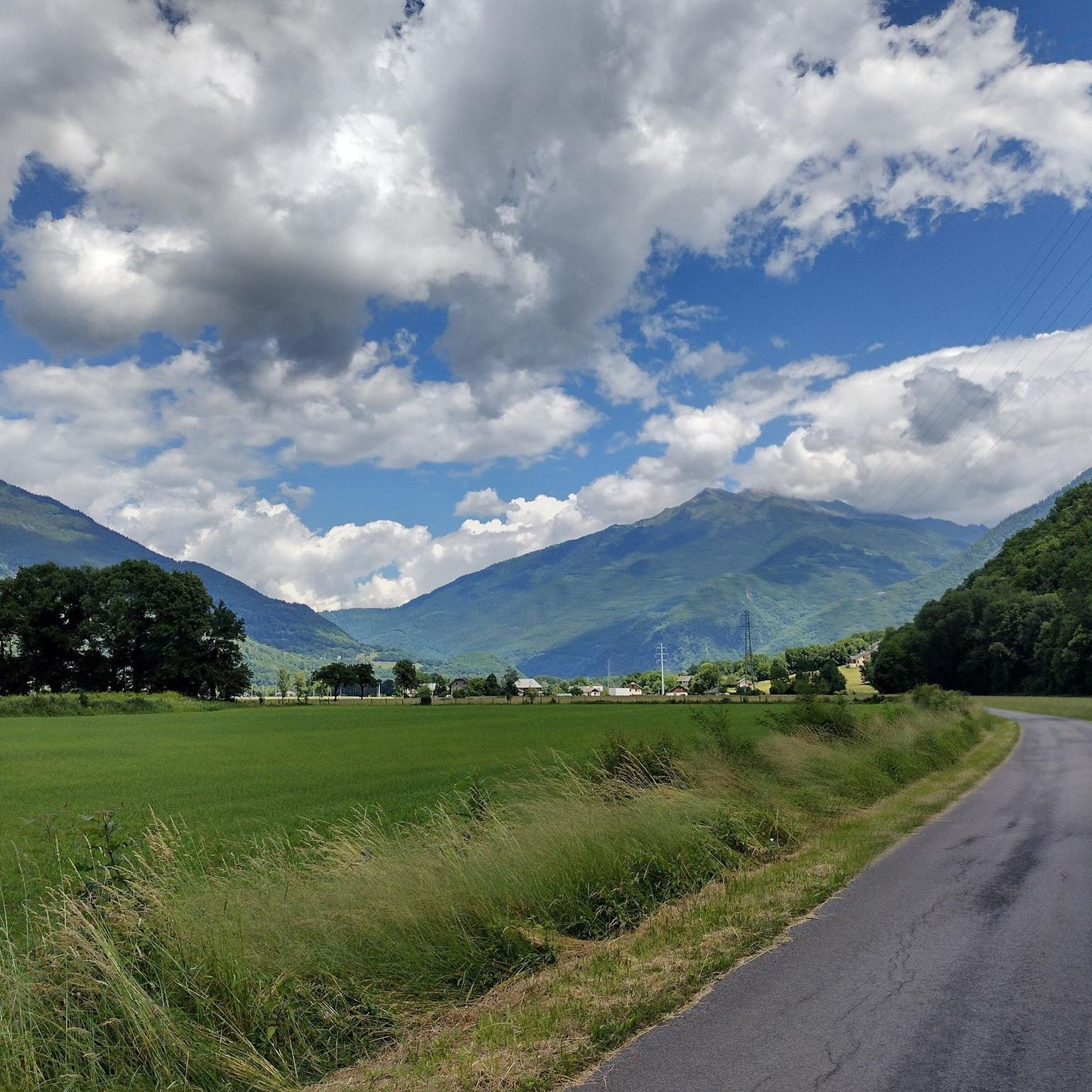
Ascent of Col de la Madeleine from La Chambre
Highlight (Segment) • Climb
Translated by Google •
Tip by

Col du Glandon - from Saint-Étienne-de-Cuines
Highlight (Segment) • Mountain Pass
20km, D+ 1450m
Translated by Google •
Tip by

Col de Champlaurent
Highlight • Mountain Pass
Translated by Google •
Tip by

Sign up for free to discover even more mountain passes around Saint-Léger.
Sign up for free
Already have an account?
Start today with a free account
Your next adventure awaits.
Login or Signup

Tips from the Community

Here is the route for the ascent of the Col du Glandon starting from Saint-Étienne-de-Cuines
1
0
Here is the route for the ascent of the Col de la Croix de Fer starting from Saint-Étienne-de-Cuines, passing through the Col du Glandon!
1
0

The north face of the Col du Glandon, starting from Saint-Étienne-des-Cuines, is one of the most demanding and iconic climbs in the French Alps. The summit sits at 1,924 meters above sea level, overcoming a gradient of 1,470 meters over just over 21 kilometers, resulting in an average gradient of around 7%. However, what truly defines the character of this climb is the unevenness of the profile, which alternates very tough sections with recovery phases before facing an extremely demanding finale. For almost eleven kilometers, the gradient remains within a range of 6 to 8% as the route enters a dense forest. After this initial phase, the landscape opens up and the road passes through Saint-Colomban-des-Villards, where the gradient decreases significantly and even offers practically flat areas. This is a strategic point to hydrate, eat, and prepare your mind for the rest of the climb. After the false flat and approaching the Glandon torrent, the vegetation begins to thin, the road narrows, curves follow, and the average gradient is around 10%, with several sections at 11% that really grind your legs after more than an hour and a half of accumulated effort. Once around the last curve, the arrival at the pass offers spectacular scenery, with views toward the Belledonne massif and the Arves peaks, a pure alpine environment with high-altitude pastures, torrents, and, occasionally, the occasional remnant of snowfields. Conclusion: a legendary climb in the French Alps, with extraordinary scenery and sustained difficulty. As always, the effort is worth it!
0
0

A col is meant to be climbed—and then descended. Because it's fun!
0
0
In my opinion, this is the best side of the Col du Glandon due to the beauty of its final 9 kilometers. The climb is clearly divided into two parts. The first stretches until reaching the village of St. Colomban-des-Villards; it's 8.5 km along a perfectly maintained road, very winding, with no views at all. The second part begins as we leave the village of St. Colomban, after a 1.5 km rest stop and a beautiful fountain where we can refill our water bottles. The second part is pure poetry. The road narrows and you enter a pure high-mountain landscape. It's a much tougher stretch.
1
0

Less emblematic because less frequented on the way up by professionals but frankly simpler and less frequented than from Allemont.
0
0

magnificent view of the snow-capped mountains at the end of May
1
0

Near the Col de la Croix-de-Fer, the Col du Glandon is another major Alpine pass that has been crossed several times during the Tour de France. From La Chambre, the climb is 21 kilometers at an average gradient of 7%.
1
0
Frequently Asked Questions
What are some of the most notable mountain passes around Saint-Léger?
The region around Saint-Léger features several significant mountain passes. Among them, Col du Grand Cucheron is popular for its challenging climb and scenic views of the Maurienne valley. Col de la Madeleine is another challenging pass, famous for its multiple appearances in the Tour de France. For a quieter experience, Col de Champlaurent offers uncrowded routes and pleasant descents into pastures.
Are there challenging mountain passes for experienced cyclists near Saint-Léger?
Yes, several passes offer a significant challenge. Col de la Madeleine is renowned as one of the toughest climbs in the French Alps, with an average gradient of 8% from La Chambre. The Col du Glandon, especially its ascent from Saint-Étienne-de-Cuines, is another major Alpine pass with sustained steep sections and a pure high-mountain landscape in its latter half.
What kind of views can I expect from the mountain passes in this region?
The mountain passes around Saint-Léger offer diverse and breathtaking views. From Col du Grand Cucheron, you can enjoy beautiful panoramas of the Maurienne valley. The Col du Raton provides wild and unspoiled routes with clear views of neighboring peaks and surrounding valleys. If you venture towards Mont Ventoux, its summit offers expansive views stretching from the Mediterranean to the Alps on a clear day.
Are there any mountain passes known for their historical significance, especially in cycling?
Absolutely. Col de la Madeleine and Col du Glandon are both iconic passes that have featured multiple times in the Tour de France, making them significant for cycling history. Near Mont Ventoux, the Pass of Storms is notable for the memorial dedicated to cyclist Tom Simpson, who tragically died during the Tour de France in 1967.
What outdoor activities can I do near these mountain passes?
The region offers a variety of outdoor activities. For mountain biking, you can explore trails like the Col de la Perche – Arbarétan Pass loop. Hiking enthusiasts can find routes such as the Frog Lake – Arbarétan Pass loop. For more challenging mountaineering, consider routes around Grande Montagne d'Arvillard. You can find more details on these activities and routes in the MTB Trails around Saint-Léger, Mountain Hikes around Saint-Léger, and Hiking around Saint-Léger guides.
Are there any less crowded mountain passes for a more tranquil experience?
Yes, Col de Champlaurent is known for its uncrowded routes, offering a peaceful and steady climb through forests and into pastures. This pass provides a serene cycling experience away from busier areas.
What natural features are prominent around the mountain passes?
The passes are set amidst diverse natural landscapes. You'll encounter pine forests, alpine meadows, and steep mountains, particularly around the Col du Raton. Many routes offer views of valleys and distant peaks. The region is characterized by significant elevation changes and varied terrain typical of the French Alps.
Are there facilities like cafes or picnic areas at the top of any passes?
Yes, some passes offer amenities. At the summit of Col de la Madeleine, there is a nice café. Col du Grand Cucheron also features a small picnic area at the top, perfect for a break and enjoying the surroundings.
What is the best season to visit the mountain passes around Saint-Léger?
While specific recommendations vary by pass, the summer months are generally ideal for exploring the mountain passes, especially for cycling and hiking. Passes like Col du Grand Cucheron are recommended during summer due to ample shade on parts of the climb. Always check local conditions, especially for higher passes, as weather can change rapidly.
What do visitors enjoy most about the mountain passes around Saint-Léger?
Visitors frequently appreciate the challenging yet rewarding climbs, the stunning panoramic views, and the sense of accomplishment after conquering a pass. The variety of routes, from quiet ascents to iconic Tour de France climbs, also contributes to a highly valued experience. The natural beauty of the alpine landscapes and the opportunity for outdoor activities like cycling and hiking are also highly praised.
Are there any mountain passes suitable for mountain biking?
Yes, the Col du Raton, nestled in the Southern Alps, is particularly suitable for mountain bike enthusiasts. It offers a wild and unspoiled route through steep mountains, pine forests, and alpine meadows, culminating at an altitude of 1,686 meters.
Can I find passes with varied gradients for an engaging cycling experience?
The Col de Félines offers a challenging yet rewarding cycling experience with varied gradients. The ascent from Entrevaux is approximately 7.5 kilometers long, with an average gradient of 6% and maximum ramps reaching 12% at the beginning, which then ease off, keeping the ride engaging.
Most popular routes around Saint-Léger
Most popular attractions around Saint-Léger

Get inspired with the komoot mobile app


Explore more
See even more epic mountain passes by checking out these guides around Saint-Léger:
