Top 6 Castles around Cours
Best castles around Cours are found within a region characterized by its river valleys and limestone cliffs, notably the Lot Valley. This area is known for its historical significance, with structures often integrated into the natural landscape. The castles here reflect centuries of architectural evolution and strategic importance. Visitors can explore a range of historical sites set against a backdrop of varied terrain.
Best castles around Cours
- The most popular castles is The English Castle of Bouziès, a castle…
Last updated: June 24, 2026
The English Castle of Bouziès
Highlight • Castle
Translated by Google •
Tip by

Château de Cabrerets
Highlight • Castle
Translated by Google •
Tip by

Sign up now to discover places like this
Get recommendations on the best single tracks, peaks, & plenty of other exciting outdoor places.
Sign up for free
Château du Roussillon
Highlight • Castle
Translated by Google •
Tip by

Château de Mercuès
Highlight • Castle
Translated by Google •
Tip by
Château de Mercuès
Highlight • Castle
Tip by

Start today with a free account
Your next adventure awaits.
Login or Signup

Tips from the Community

There is a small shop where you can get wonderful local nut specialties. Very nice staff.
0
0

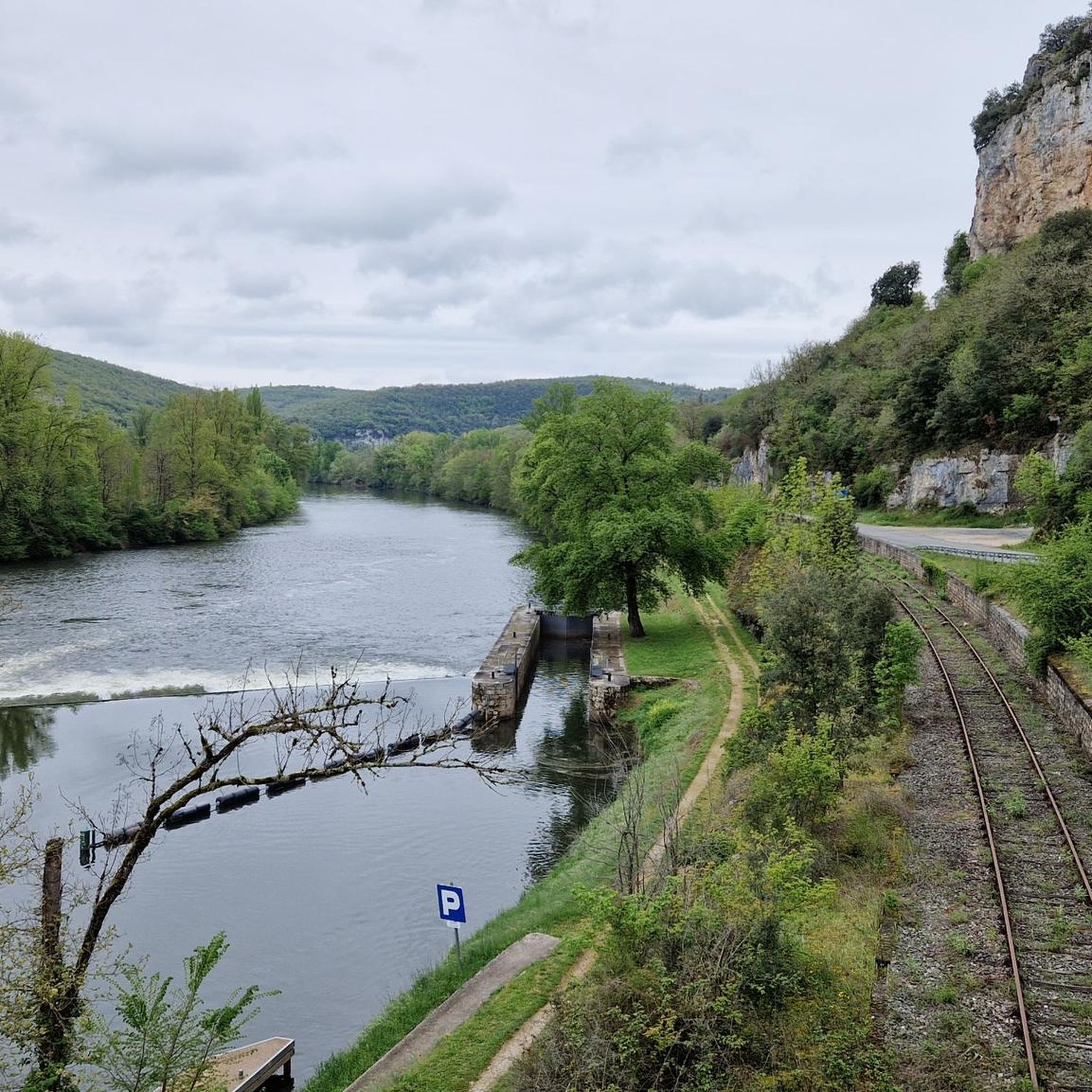
In addition to everything that's been said, the road runs alongside magnificent cliffs, and you even pass under the rock several times – it's amazing!!
0
0


The castle gardens can be visited from Easter to All Saints Day. Groups (up to 20 people) can book a castle tour from July to the beginning of September.
0
0

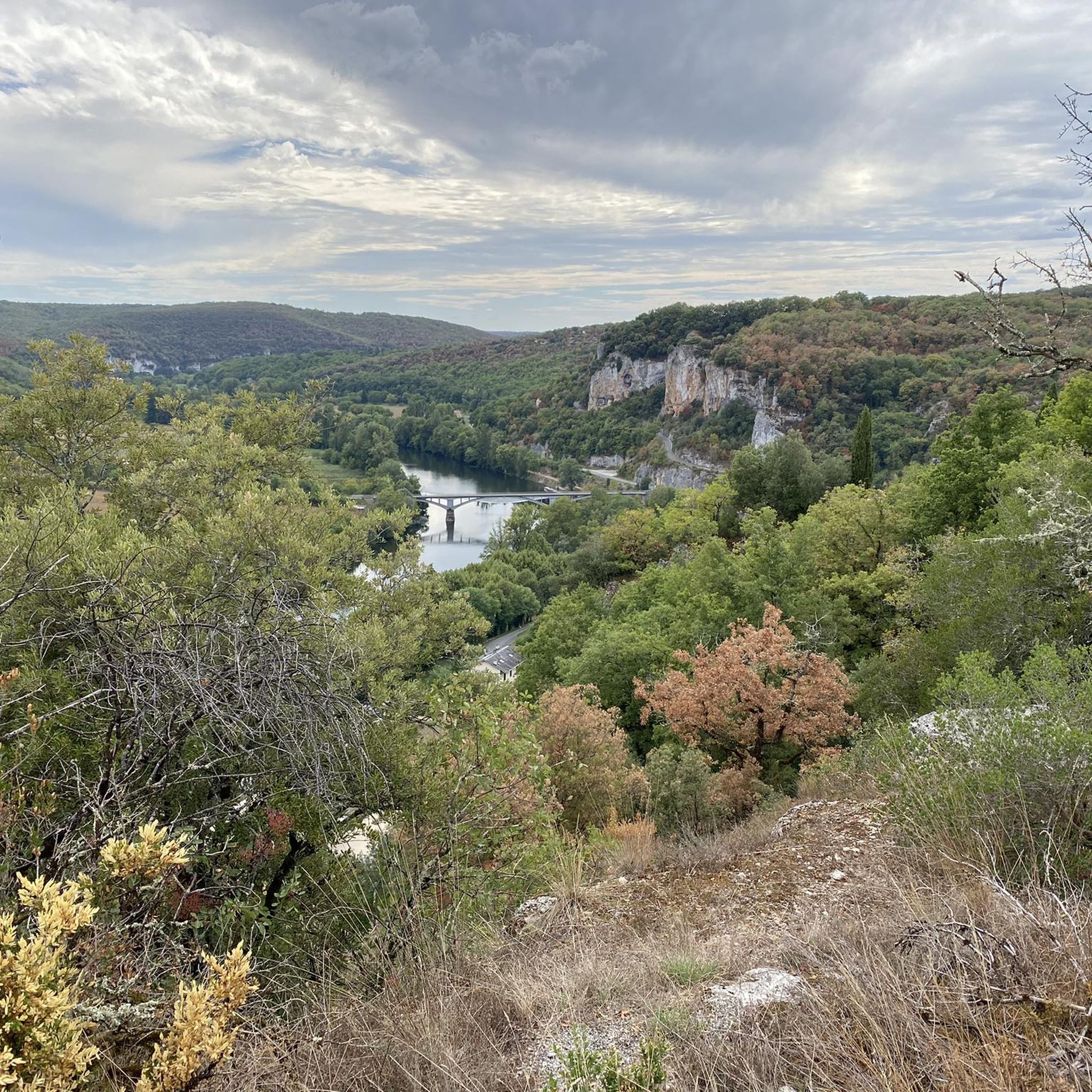
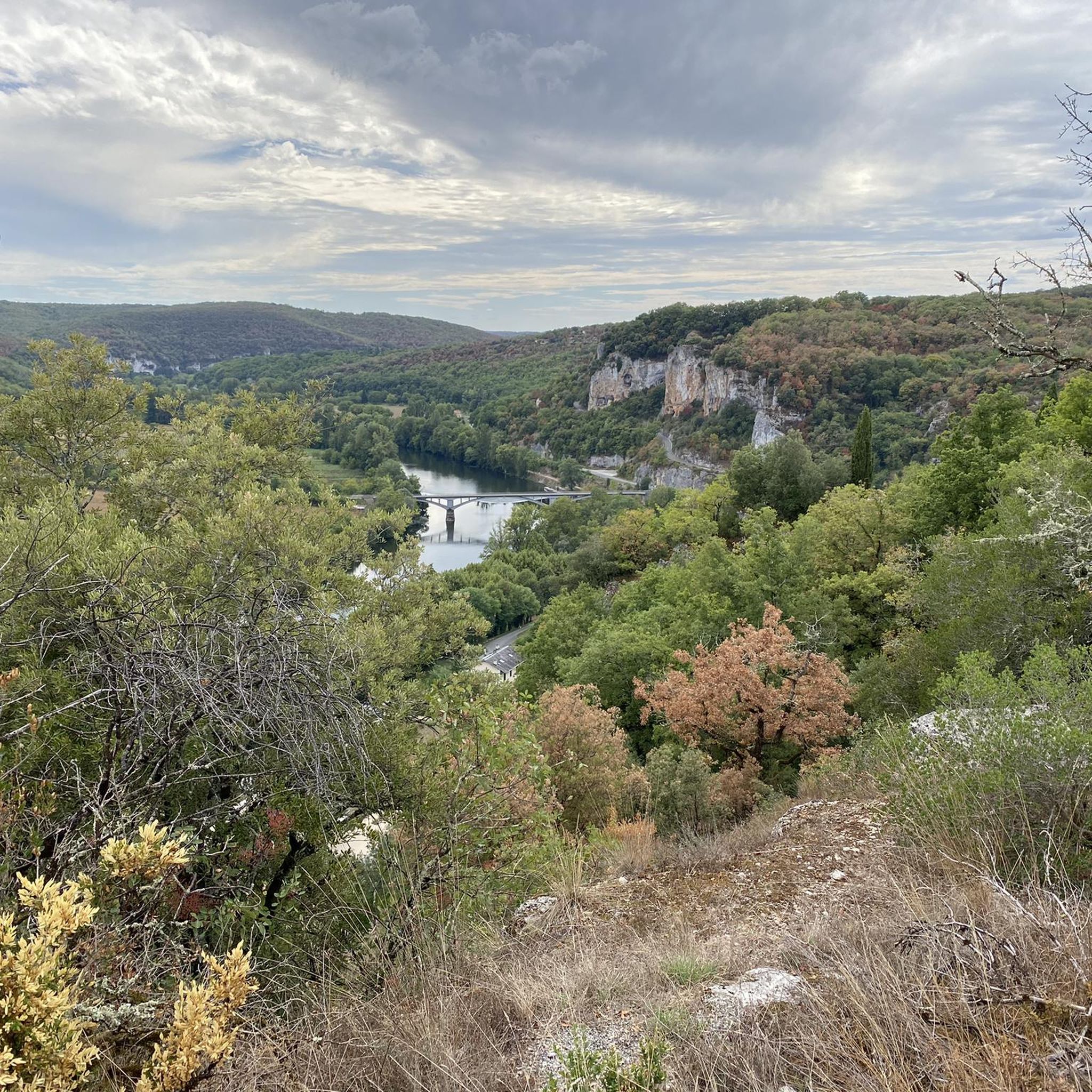
One of the most popular photo motifs in the Lot Valley. It's incredible how this structure was built into the rock and is accessible!
3
0

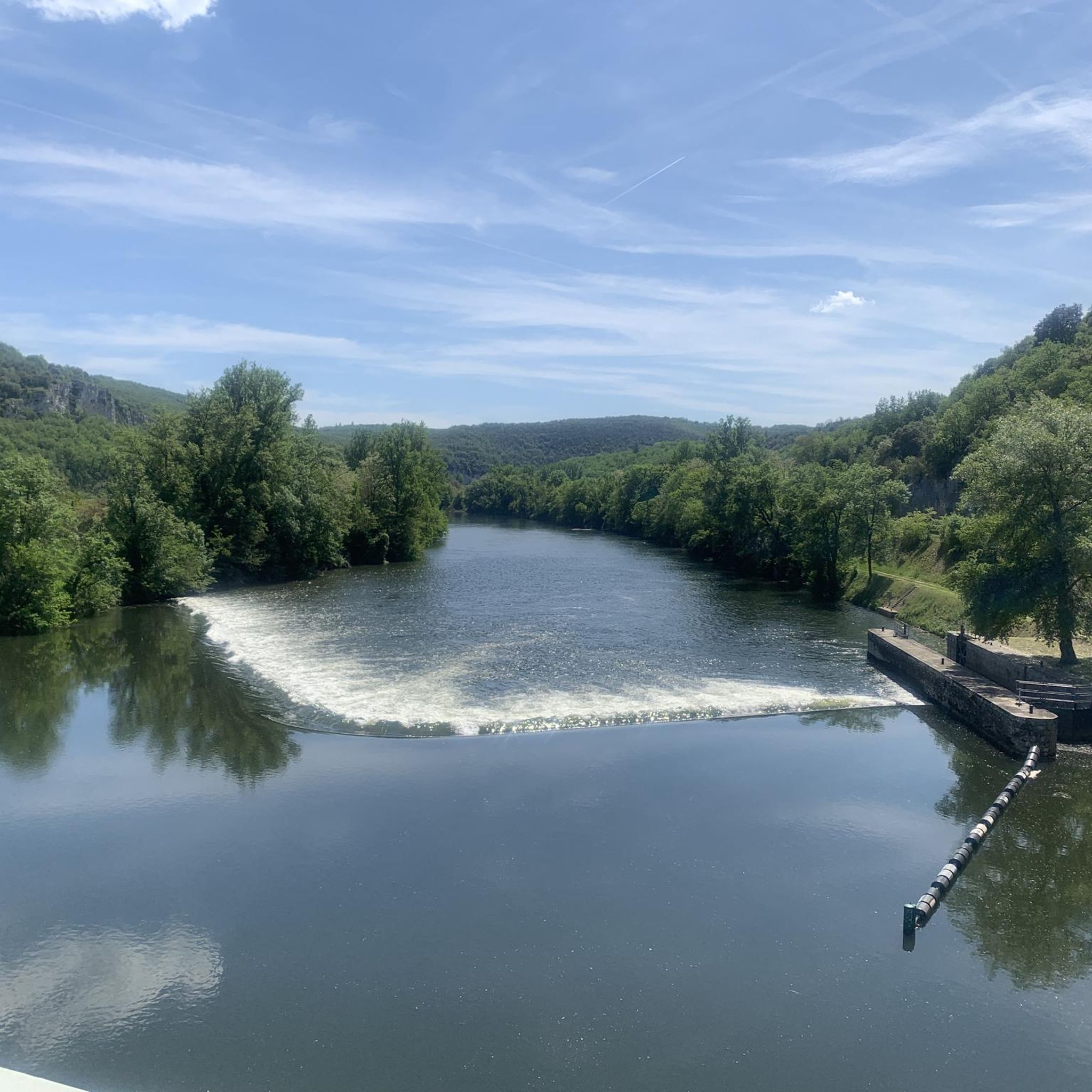
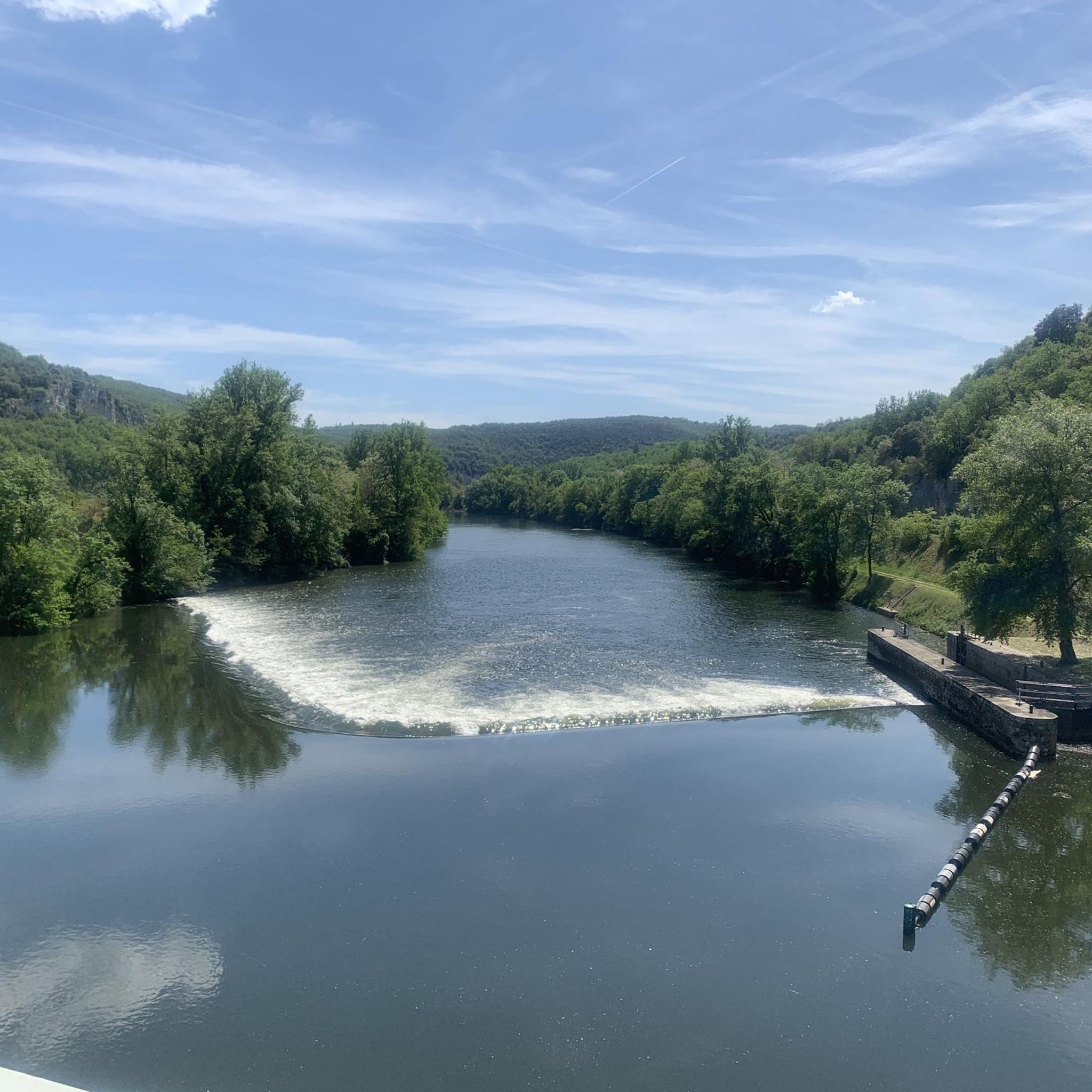
beautiful ride along the Lot river
1
0

This little town is home to the Chateau de Mercues, a beautiful building that is hot a luxury "Relais et Chateaux" hotel, restaurant and also wine maker.
0
0

This magnificent castle can be visited and appreciated at its fair value. You can also stay there if you wish. Legend has it that Shakespeare stayed there and was inspired to write All's well that ends well. (All's well That ends well).
2
0
Frequently Asked Questions
What historical significance do the castles around Cours hold?
The castles in the Cours region are deeply rooted in history, reflecting centuries of architectural evolution and strategic importance. For instance, the English Castle of Bouziès features fortifications from the 11th and 12th centuries, serving as a refuge during attacks. Further afield, the Chateau de Cours in Sénezergues, dating back to the 15th century, was a significant feudal stronghold, while the 14th-century Château de Lescours near Saint-Emilion famously provided asylum for Henri de Navarre, the future King Henri IV.
Can I visit the interior of the castles around Cours?
Visitor access varies by castle. The interior of the English Castle of Bouziès is not open to the public, but it can be admired from the road or the metal bridge of Bouziès. The gardens of Château de Cabrerets can be visited from Easter to All Saints Day, with group tours available from July to early September. Château du Roussillon is open for visits, and you can even stay there. Additionally, the Chateau de Cours in Sénezergues and Château de Lescours near Saint-Emilion offer accommodation, allowing for a unique experience within their historic walls.
Are there family-friendly castles to visit near Cours?
Yes, several castles offer family-friendly experiences. Château de Mercuès is categorized as family-friendly. The Chateau de Cours in Sénezergues provides family rooms for accommodation, and the Château de Lescours near Saint-Emilion offers gîtes, combining historical charm with modern comfort for families.
What unique architectural features can I observe in the castles of this region?
The castles around Cours showcase diverse architectural styles. The English Castle of Bouziès is notable for being dramatically anchored into limestone cliffs. Château de Cabrerets stands out with its two towers and a house crowned with machicolation. The Chateau de Cours in Sénezergues retains much of its feudal architecture, despite some degradation, while the Château de Lescours near Saint-Emilion features remnants of wide moats and loopholes, alongside Renaissance transformations like decorative openings and an elegant staircase.
What outdoor activities can I do near these castles?
The region around Cours offers various outdoor activities. You can explore numerous routes for gravel biking, mountain biking, and cycling. For instance, there are gravel biking routes like the 'Beautiful view of the Lot – Cahors loop from Vers,' MTB trails such as the 'Circuit of the Rauze Valley,' and cycling routes including 'The English Castle of Bouziès – Bouzies loop from Saint-Géry-Vers.' These activities allow you to experience the natural beauty of the Lot Valley and its limestone cliffs.
Are there castles that also offer accommodation?
Yes, some castles in the region provide unique accommodation experiences. Château du Roussillon offers guest stays. The Chateau de Cours in Sénezergues operates as accommodation with family rooms, and the Château de Lescours near Saint-Emilion also provides guest rooms and gîtes, allowing you to immerse yourself in the historical setting.
What is the best time to visit the castles around Cours?
While specific opening hours vary by castle, the region's pleasant weather typically makes spring (April-June) and early autumn (September-October) ideal for visiting. During these periods, the temperatures are mild, and the natural scenery is vibrant, enhancing the experience of exploring historical sites and engaging in outdoor activities.
Can I find castles with connections to local wine production?
Yes, the region has castles with strong ties to viticulture. Château de Mercuès is renowned for its wine, particularly Malbec. The Château de Lescours near Saint-Emilion has been cultivating vines since the 19th century, producing Saint-Emilion Grand Cru wines. Visitors can often enjoy wine tourism experiences, including tastings and estate visits, at these locations.
What natural features can I see near the castles?
The castles are often set against stunning natural backdrops. The English Castle of Bouziès is nestled directly into the cliffs of the Lot Valley. Château de Cabrerets is situated below large rock walls, with a river and beach nearby. The region itself is characterized by its river valleys and limestone cliffs, offering picturesque views and opportunities for exploration.
What do visitors enjoy most about the castles around Cours?
Visitors frequently appreciate the unique integration of these historical structures with the natural landscape, particularly those built into cliffs. The rich medieval history and impressive architecture are also highly valued. The komoot community has shown significant engagement, with over 100 upvotes and 39 photos shared, highlighting the visual appeal and historical depth of these sites.
Are there any castles that served as a refuge or defensive structure?
Many castles in the region were built with defensive purposes in mind. The English Castle of Bouziès, with its 11th and 12th-century fortifications, served as a refuge to protect the population during attacks. The Chateau de Cours in Sénezergues was a significant feudal castle, and the Château de Lescours near Saint-Emilion was originally surrounded by wide, deep moats and fortifications to guard against enemies.
Can I find castles that are part of a larger historical monument designation?
Yes, some castles have received historical recognition. The Chateau de Cours in Sénezergues, for example, was inscribed as a historical monument in 1931, acknowledging its significant past and architectural value. The Château de Lescours near Saint-Emilion is also part of a region rich in history, with Saint-Emilion itself being a UNESCO World Heritage site.
Most popular attractions around Cours

Get inspired with the komoot mobile app


Explore more
Looking for the best castles somewhere else? Discover other guides around Cours:
