The best road cycling routes around Labastide-Marnhac
4.4
(130)
4,033
riders
301
rides
Road cycling around Labastide-Marnhac offers diverse terrain, characterized by the mineral world of Quercy limestone and the gentle green hills of la Vallée Vert. The region features undulating landscapes with altitudes ranging from 137m to 320m, providing engaging climbs and descents. Located near Cahors and the Lot River, the area's well-regarded country roads connect natural beauty with cultural attractions. Cyclists can explore scenic routes through vineyards and picturesque villages.
Best road cycling routes around Labastide-Marnhac
- The most popular road cycling…
Last updated: October 16, 2026
5.0
(2)
74
riders
97.9km
04:32
1,020m
1,020m
Hard road ride. Very good fitness required. Some segments of this route may be unpaved and difficult to ride.
4.0
(2)
40
riders
50.2km
02:19
560m
560m
Moderate road ride. Good fitness required. Some segments of this route may be unpaved and difficult to ride.

22
riders
72.6km
03:22
780m
780m
Moderate road ride. Good fitness required. Mostly well-paved surfaces and easy to ride.
5.0
(1)
64
riders
48.0km
02:15
510m
510m
Moderate road ride. Good fitness required. Mostly well-paved surfaces and easy to ride.
23
riders
Moderate road ride. Good fitness required. Mostly well-paved surfaces and easy to ride.
Get access to more routes and recommendations from other explorers.
Already have an account?
Our route recommendations are based on thousands of hikes, rides, and runs completed by other people on komoot.
Start today with a free account
Your next adventure awaits.
Tips from the Community

The magnificent cornice route overlooking the meanders of the river is located at the level of the spectacular Lot valley, particularly on the heights of the limestone causses and cliffs. In Saint-Cirq-Lapopie: The Lapopie rock and the Bancourel dovecote offer a spectacular 360-degree plunging view over the river.
0
0
The magnificent corniche road overlooking the meanders of the river is located at the level of the spectacular Lot valley, particularly on the heights of the limestone causse and cliffs. In Saint-Cirq-Lapopie: The Lapopie rock and the Bancourel dovecote offer a spectacular 360-degree plunging view over the river.
0
0
In the heart of the Causses du Quercy Regional Natural Park. Located at the confluence of the Lot and Célé valleys, the village of Bouziès, with around 90 inhabitants, is world-renowned for its spectacular natural and historical heritage. The Château des Anglais: Fortifications from the 11th and 12th centuries anchored directly into the vertical cliff face overlooking the road and the river. This site once served as a fortified refuge for the inhabitants during conflicts.
0
0
In the heart of the Parc naturel régional des Causses du Quercy. Located at the confluence of the Lot and Célé valleys, the village of Bouziès, with around 90 inhabitants, is world-renowned for its spectacular natural and historical heritage. The Château des Anglais: Fortifications from the 11th and 12th centuries anchored directly into the vertical cliff face overlooking the road and the river. This site once served as a fortified refuge for the inhabitants during conflicts.
0
0
The first bridge of Cabessut, called the "Pont Neuf", was built of stone in the 13th century by the consuls and clergy of the town. It originally had two defensive towers which were destroyed in 1816. The old stone bridge was demolished in the early 20th century (around 1906) to make way for a wider structure.
0
0
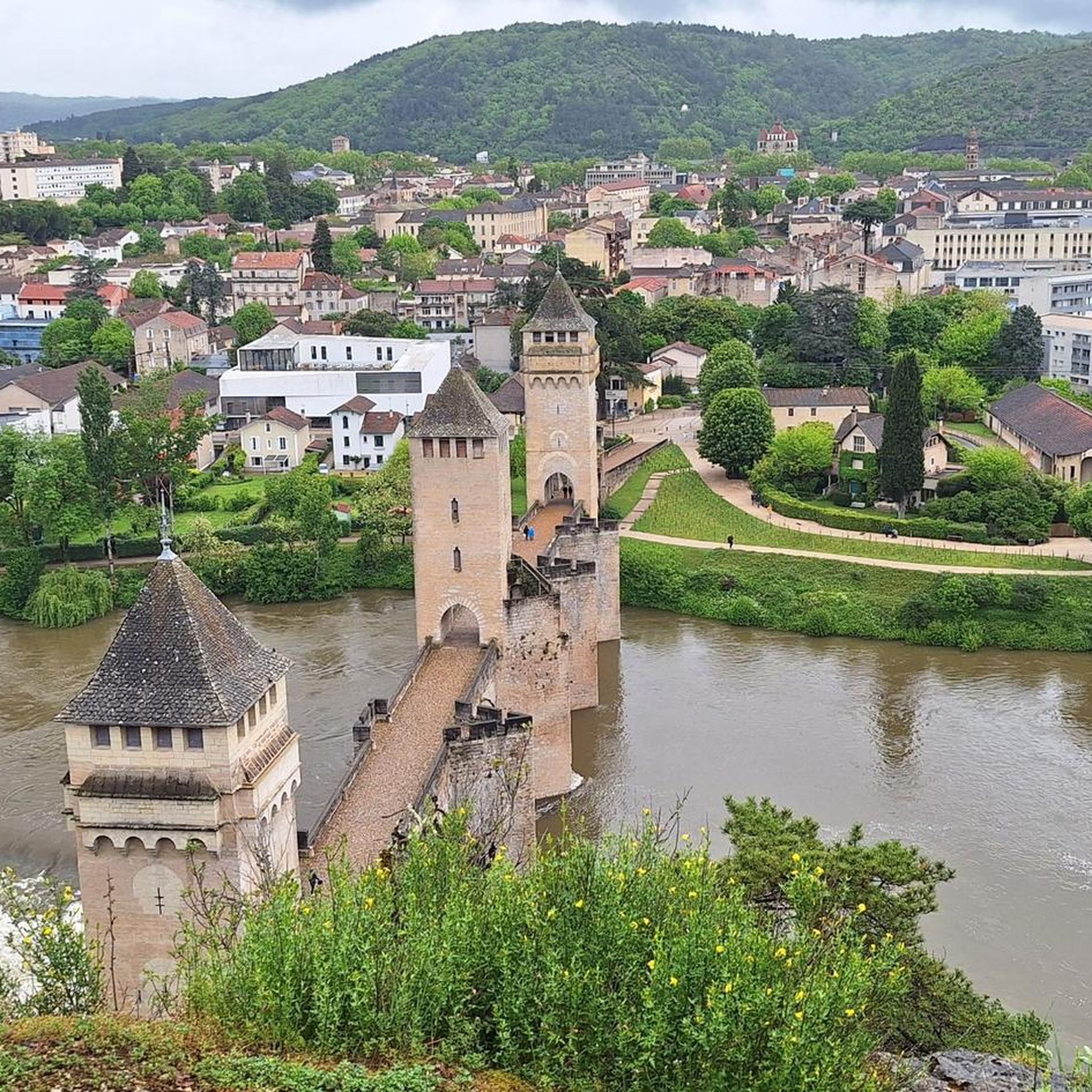
The Valentré Bridge is one of the few fortified medieval bridges in the world. Its Gothic military architecture makes it a masterpiece of defense and engineering. 1308: The start of construction: The decision to build the bridge was made by the consuls of Cahors to secure the western access to the city and adapt to the flourishing trade. 1308-1378: An endless construction site: The work lasted nearly 70 years, slowed down by the Black Death and the Hundred Years' War. It is from this legendary slowness that the famous legend of the Devil was born. 1879: The great restoration: Having become dilapidated, the bridge underwent a major restoration led by the architect Paul Gout (a student of Viollet-le-Duc). He chose to add the famous sculpture of the little devil on the central tower to immortalize the legend. 1998: Worldwide recognition: The bridge was inscribed on the UNESCO World Heritage list as part of the Routes of Santiago de Compostela.
0
0
Pont Valentré is one of the few fortified medieval bridges remaining in the world. Its Gothic military architecture makes it a masterpiece of defense and engineering. 1308: The start of construction: The decision to build the bridge is made by the consuls of Cahors to secure the western access to the city and adapt to the flourishing trade. 1308-1378: An endless construction site: The work lasts nearly 70 years, slowed down by the Black Death and the Hundred Years' War. From this legendary slowness was born the famous legend of the Devil. 1879: The great restoration: Having become dilapidated, the bridge undergoes a major restoration led by architect Paul Gout (a student of Viollet-le-Duc). He chose to add the famous sculpture of the little devil on the central tower to immortalize the legend. 1998: Worldwide recognition: The bridge is inscribed on the UNESCO World Heritage list as part of the Routes of Santiago de Compostela.
0
0
The medieval Tower of Luzech: This 24-meter-high, elongated keep dominates the medieval castrum. Built by the Bishop of Cahors, Guillaume de Cardaillac, in the 13th century, the building is undergoing a major restoration program, supported by the Fondation du patrimoine, to secure its structure and allow its reopening to the public.
0
0
Frequently Asked Questions
How many road cycling routes are available around Labastide-Marnhac?
There are over 320 road cycling routes in the Labastide-Marnhac area, offering a wide variety of options for different skill levels and preferences.
What kind of terrain can I expect when road cycling near Labastide-Marnhac?
The region offers diverse terrain, characterized by the 'mineral world of Quercy limestone' and the 'gentle green hills of la Vallée Vert'. You'll encounter undulating landscapes with altitudes ranging from 137m to 320m, providing engaging climbs and descents. The country roads are well-regarded for cycle tourism, winding through picturesque environments and vineyards.
Are there road cycling routes suitable for beginners in Labastide-Marnhac?
Yes, there are routes suitable for beginners. The area features 12 easy road cycling routes, perfect for those looking for a more relaxed ride. Many moderate routes are also available, offering a good balance of challenge and enjoyment.
Can experienced road cyclists find challenging routes in the area?
Absolutely. For experienced road cyclists, there are 89 difficult routes with significant elevation gains. These routes will test your endurance and provide rewarding challenges across the varied terrain of Quercy limestone plateaus and green river valleys.
Are there circular road cycling routes available?
Yes, many routes in the region are circular. For example, the View of St Cirq Lapopie – Troglodytic Château des Anglais loop from Cahors is a popular 72.4 km circular route. Another option is the Pont Valentré – Luzech loop from Cahors, which is 49.2 km long.
What historical landmarks or scenic viewpoints can I visit while road cycling?
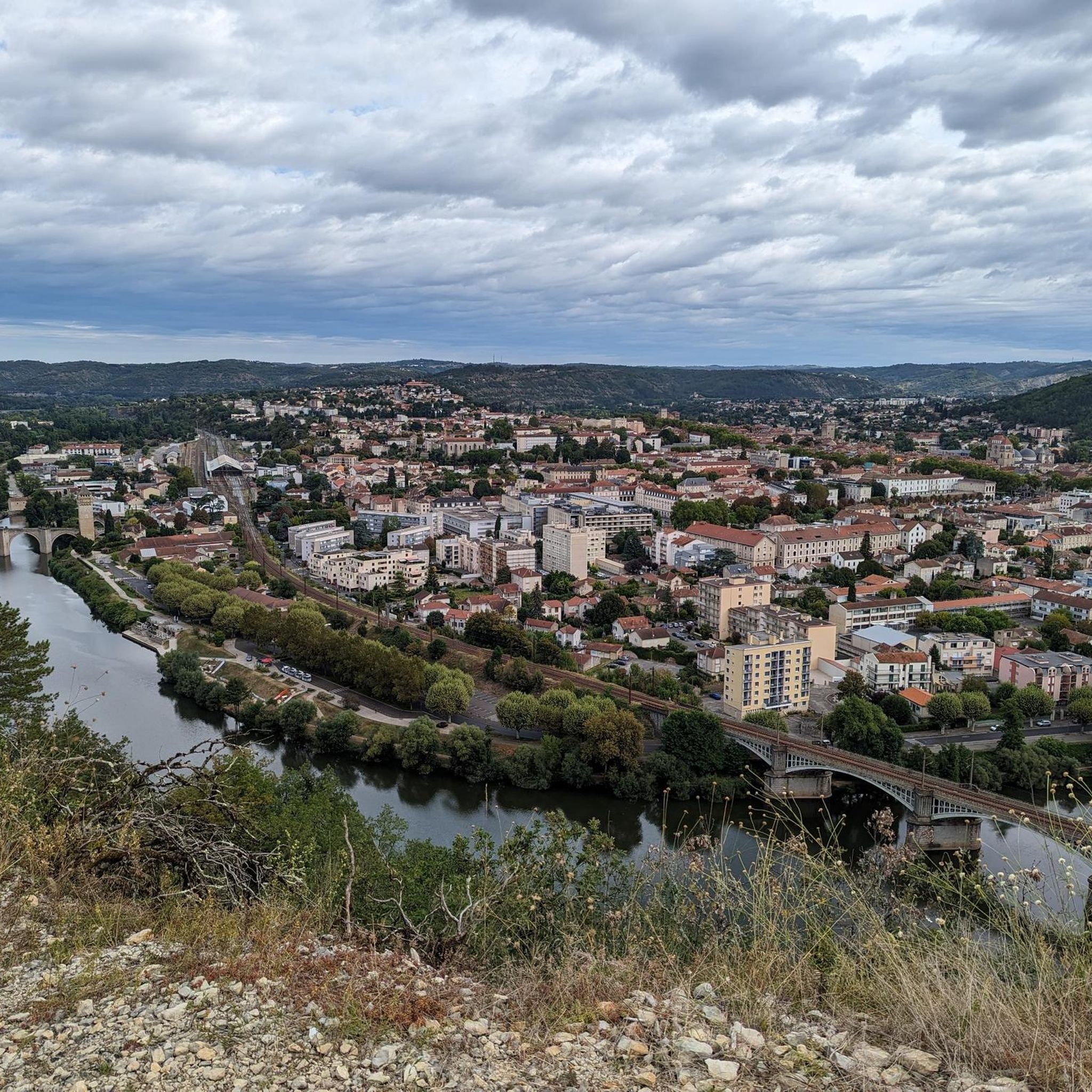
The region is rich in historical and scenic attractions. You can cycle past the impressive fortified Pont Valentré in Cahors, a UNESCO World Heritage site, or visit the historic Saint Stephen's Cathedral. Routes also offer views of the Lot River and the Château de Mercuès. Don't miss the Mont Saint-Cyr viewpoint overlooking Cahors for panoramic vistas.
Are there routes that pass through vineyards or picturesque villages?
Yes, many road cycling routes in the Labastide-Marnhac area traverse the scenic Quercy vineyards, offering beautiful views. You'll also find routes that lead through charming villages like Cabrerets and Puy-l'Evêque, allowing you to experience the local heritage and architecture.
When is the best time of year to go road cycling in Labastide-Marnhac?
The spring and autumn months generally offer the most pleasant conditions for road cycling in Labastide-Marnhac, with milder temperatures and beautiful landscapes. Summer can also be enjoyable, but it's advisable to start rides early to avoid the midday heat.
What do other cyclists enjoy about road cycling in Labastide-Marnhac?
The area is highly rated by the komoot community, with an average score of 4.3 stars from over 110 reviews. Cyclists often praise the diverse terrain, the well-maintained country roads, and the combination of natural beauty with cultural attractions like Saint-Cirq-Lapopie and Cahors.
Is public transport available to reach road cycling routes in Labastide-Marnhac?
Labastide-Marnhac is located just 7 kilometers from Cahors, which serves as a regional hub. While specific public transport options directly to trailheads might be limited, reaching Cahors by train or bus could be a starting point for many routes, including those that begin from the city itself, such as the Cahors – Saint-Barthélemy Church Tower loop.
Are there family-friendly road cycling routes in the Labastide-Marnhac area?
While many routes feature undulating terrain, there are 12 easy routes that could be suitable for families looking for less challenging road cycling experiences. It's recommended to check the elevation profiles of specific routes to ensure they match your family's comfort level.
Most popular routes around Labastide-Marnhac
Most popular attractions around Labastide-Marnhac

Get inspired with the komoot mobile app


Explore more
Browse the best Road cycling routes in other regions.
