Top 6 Castles around Cornac
Castles around Cornac offer a rich historical experience in the surrounding region. While Cornac itself does not have prominent castles, the nearby Lot and Dordogne departments are known for their medieval fortresses. The area features diverse landscapes, from river valleys to limestone cliffs, providing strategic locations for these historical structures. This region is celebrated for its well-preserved medieval castles, each with distinct historical significance and architectural features.
Best castles around Cornac
- The most popular castles is Loubressac Village, a…
Last updated: June 29, 2026
Taillerfer ruins
Highlight • Historical Site
Translated by Google •
Tip by

The English Castle of Autoire
Highlight • Castle
Translated by Google •
Tip by

Sign up now to discover places like this
Get recommendations on the best single tracks, peaks, & plenty of other exciting outdoor places.
Sign up for free
View of the Castelnau-de-Bretenoux castle
Highlight • Viewpoint
Translated by Google •
Tip by

Path to the Château des Anglais and View of Autoire
Highlight • Castle
Translated by Google •
Tip by

Montal Castle
Highlight • Castle
Translated by Google •
Tip by

Sign up for free to discover even more castles around Cornac.
Sign up for free
Already have an account?
Start today with a free account
Your next adventure awaits.
Login or Signup
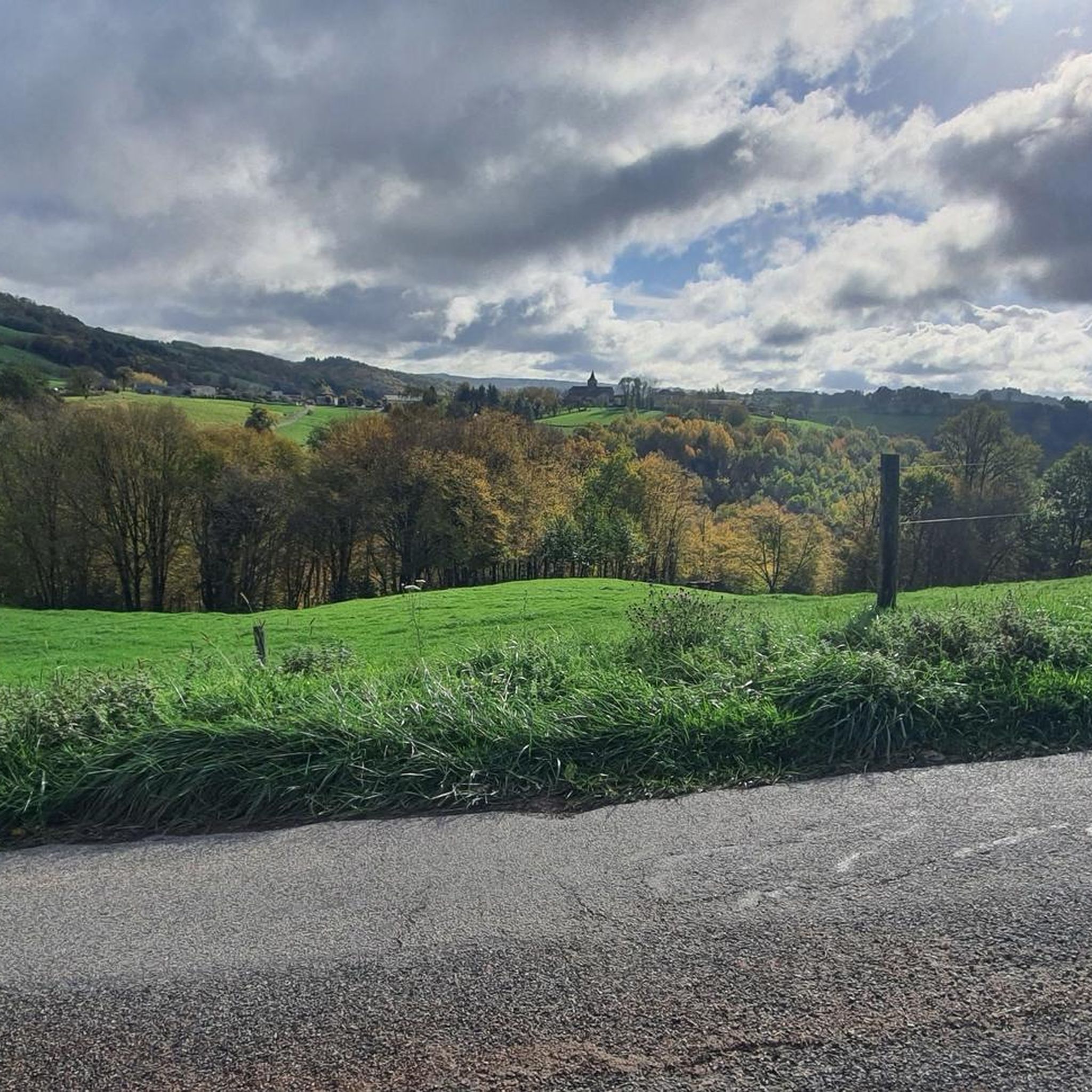
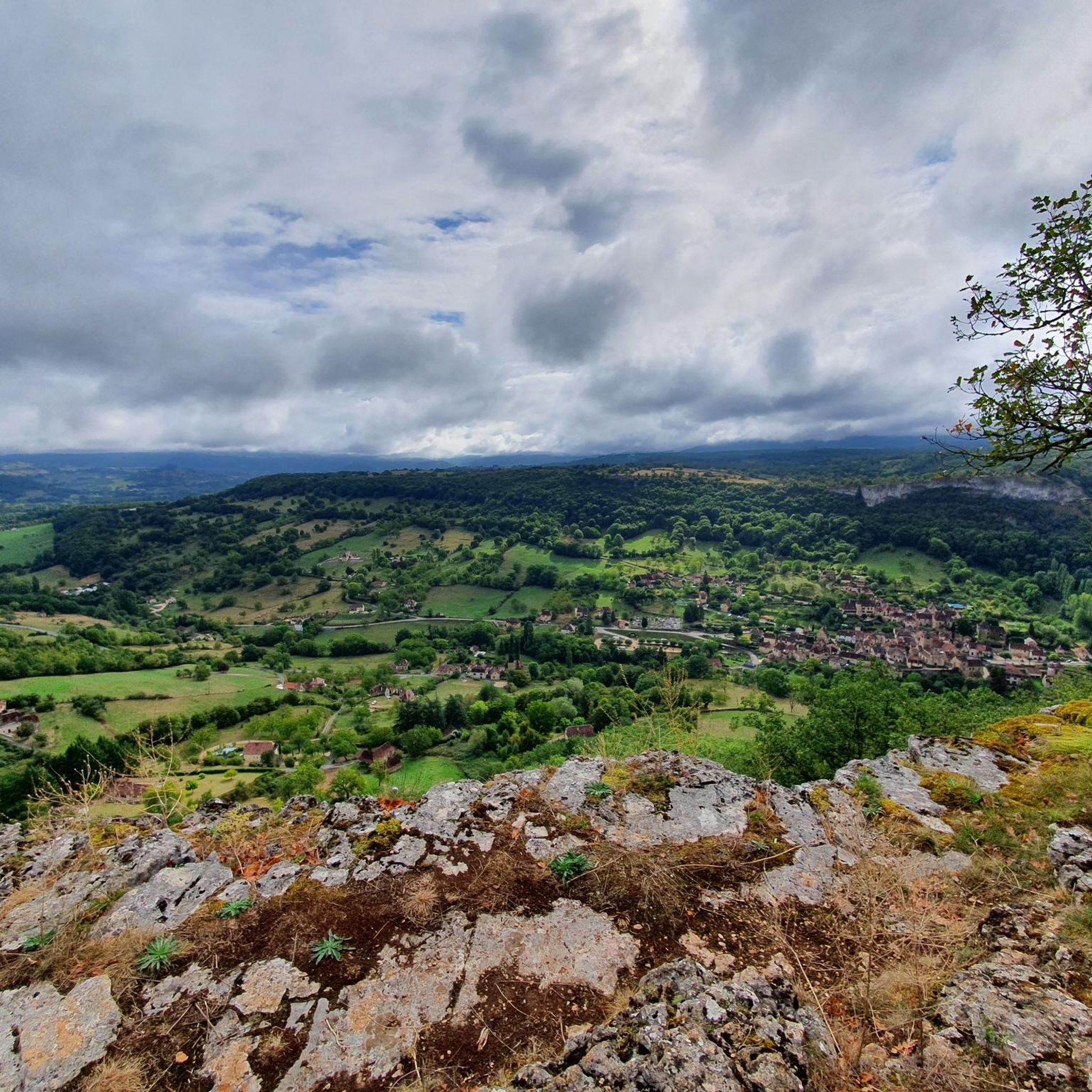
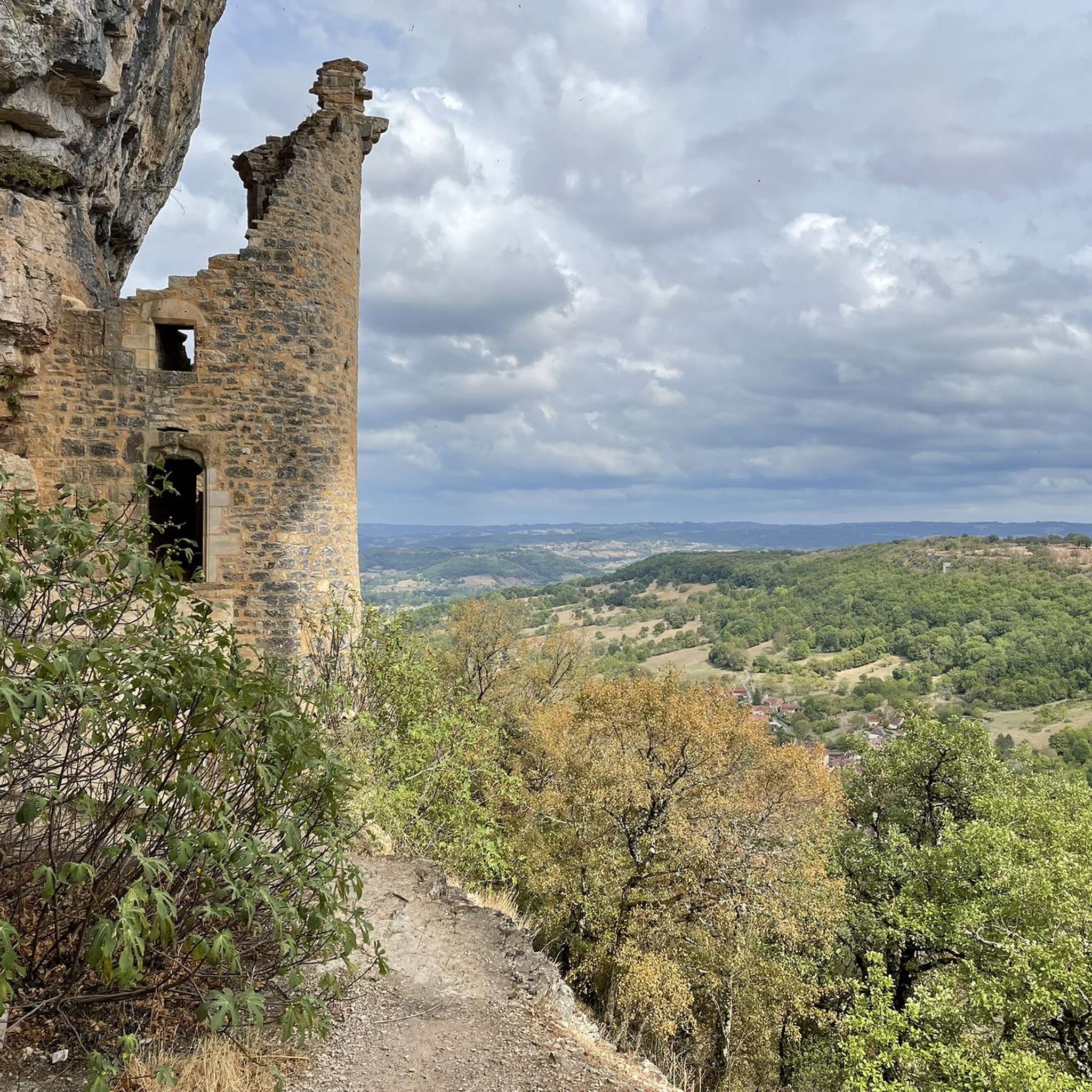
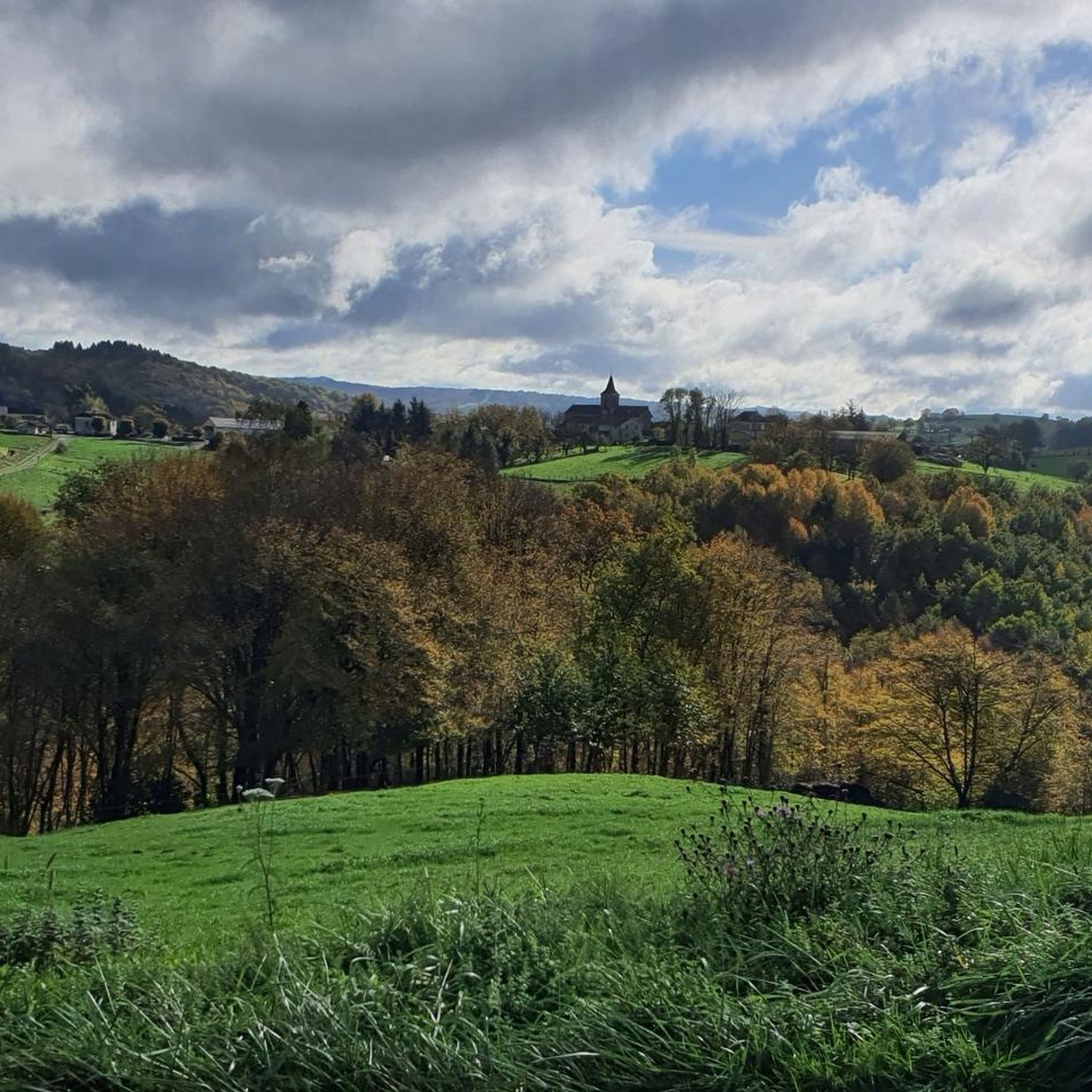


Tips from the Community

Beautiful, partly alpine trail – hiking boots are recommended. The trail sometimes involves stairs.
1
0
Fantastic hike with magnificent views in a small canyon.
1
0

The Château de Taillefer probably dates from the 13th century. Access to the castle was via a ramp carved into the rock. The castle consisted of a one-storey main building, which was probably framed by two narrow courtyards, one on the east side and one on the west side.
1
2
Take your binoculars with you! You can see lots of birds on the cliff face.
2
1

Walking shoes required, magnificent view of Autoire, nice path with few people, children to be avoided
3
0
Must see: The art collection in the castle also includes seven large-format tapestries from the 17th century with scenes from country life.
0
0

Very nice view of the Château Castelnau-Bretenoux.
5
0

Perched at the top of the hill, it is here that one expects to see a large castle like this, with this plan which dominates the whole valley.
3
0
Frequently Asked Questions
What are some notable castles to visit near Cornac?
While Cornac itself doesn't have prominent castles, the surrounding region offers several remarkable examples. The Loubressac Village features a 15th-17th century castle and offers beautiful views over the Dordogne valley. The imposing Château de Castelnau-Bretenoux, known for its striking red stone, is just 5 km away. Further afield, the Château de Beynac in the Dordogne department is highly recommended for its preservation and strategic location.
What historical significance do the castles in this region hold?
The castles in the region, particularly in the nearby Dordogne department, played a significant role in medieval history, including the Hundred Years' War. Many, like the Château de Beynac, were strategically positioned to control waterways and served as defense posts. They showcase centuries of French history and architectural evolution, from primitive keeps to advanced barbicans.
Are there family-friendly castles around Cornac?
Yes, the region offers options for families. The Château de Castelnau-Bretenoux is listed as family-friendly. When visiting castles, it's always a good idea to check their official websites for specific family activities or guided tours suitable for children.
Can I find castles with good viewpoints near Cornac?
Absolutely. Many castles in the area are perched on hills or cliffs, offering spectacular views. The Loubressac Village provides views over the Dordogne valley. The Taillerfer ruins offer panoramic views over the entire Dordogne valley. Additionally, the Château de Castelnau-Bretenoux is best viewed from a dedicated viewpoint, dominating its valley.
What outdoor activities can I combine with a visit to these castles?
The region around Cornac is excellent for outdoor activities. You can find numerous routes for gravel biking, running, and cycling. For example, the "Carennac – View of the Dordogne loop from Loubressac" is a difficult gravel biking route near Loubressac Village. You can explore more options on the Gravel biking around Cornac, Running Trails around Cornac, and Cycling around Cornac guide pages.
Are there specific hiking trails that include castles?
Yes, some trails offer views of or lead to castles. The "Path to the Château des Anglais and View of Autoire" is a challenging trail that includes a castle and offers magnificent views. Many routes in the area, especially those around the Dordogne valley, will provide glimpses of these historical structures. Check the Running Trails around Cornac guide for routes that might pass by or offer views of castles.
What is the best time of year to visit the castles around Cornac?
The best time to visit is generally during spring (April-June) and early autumn (September-October) when the weather is pleasant for exploring and crowds are typically smaller. Summers can be warm, and winters, while quieter, might have reduced opening hours for some attractions. Always check specific castle opening times before your visit.
Are any of the castles near Cornac wheelchair accessible?
Accessibility varies greatly between historical sites. Due to their medieval construction, many castles may have uneven terrain, stairs, and limited access for wheelchairs. It is highly recommended to check the official website of each specific castle you plan to visit for detailed accessibility information before your trip.
What are the parking options for castles in the Cornac area?
Most major castles, especially those popular with tourists, will have designated parking areas nearby, often for a fee. For smaller sites or viewpoints like the View of the Castelnau-de-Bretenoux castle, you might find roadside parking or smaller lots. Always look for signage and be mindful of local parking regulations.
Is public transport available to reach castles around Cornac?
Public transport options can be limited in rural areas like Cornac and its surroundings. While some larger towns might have bus services, reaching individual castles often requires a car. Consider checking local bus schedules or taxi services from nearby towns like Bretenoux or Beaulieu-sur-Dordogne for specific routes.
Are there any lesser-known or 'hidden gem' castles worth exploring?
While the region is known for its prominent castles, exploring the smaller villages often reveals charming, less-visited historical sites. The Taillerfer ruins, overlooking Gintrac, offer a wilder setting and superb views, feeling like a hidden gem. Many local villages also feature remnants of old fortifications or manor houses that offer a glimpse into the past without the crowds.
Can I bring my dog to the castles or nearby trails?
Policies for dogs vary. While many outdoor trails and viewpoints are dog-friendly, access to the interior of castles is often restricted to service animals only. Some castle grounds or exterior areas might permit leashed dogs. Always check the specific rules of each castle before visiting. For trails, ensure your dog is on a leash and you clean up after them.
What makes the Château de Beynac particularly special?
The Château de Beynac is considered one of the best-preserved and most authentic fortified castles in Périgord. Perched atop a limestone cliff overlooking the Dordogne River, it offers breathtaking views. Its rich history spans nine centuries, playing a key role in the Hundred Years' War, and its austere architecture, including a 12th-century keep and 14th-century barbican, provides an immersive journey through five centuries of French history.
What do visitors appreciate most about the castles around Cornac?
Visitors frequently appreciate the stunning panoramic views offered by many of the castles, such as those from Loubressac Village and the Taillerfer ruins. The historical ambiance and the well-preserved nature of these medieval fortresses are also highly valued, allowing for an immersive experience into the region's past. The striking red stone of Château de Castelnau-Bretenoux is also a highlight.
Most popular attractions around Cornac

Get inspired with the komoot mobile app


Explore more
Looking for the best castles somewhere else? Discover other guides around Cornac:
