The best cycling routes around Courniou
4.5
(197)
1,556
riders
77
rides
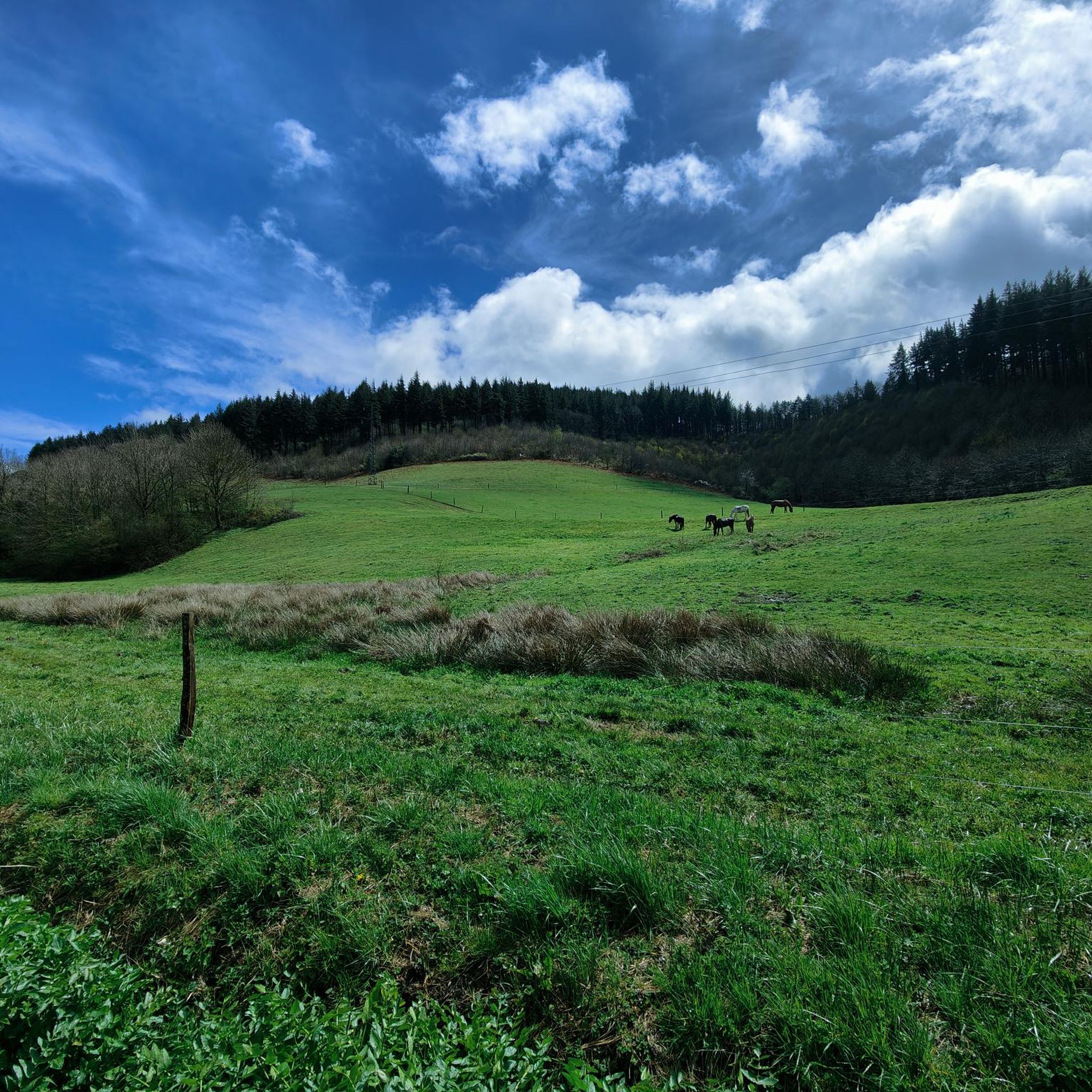
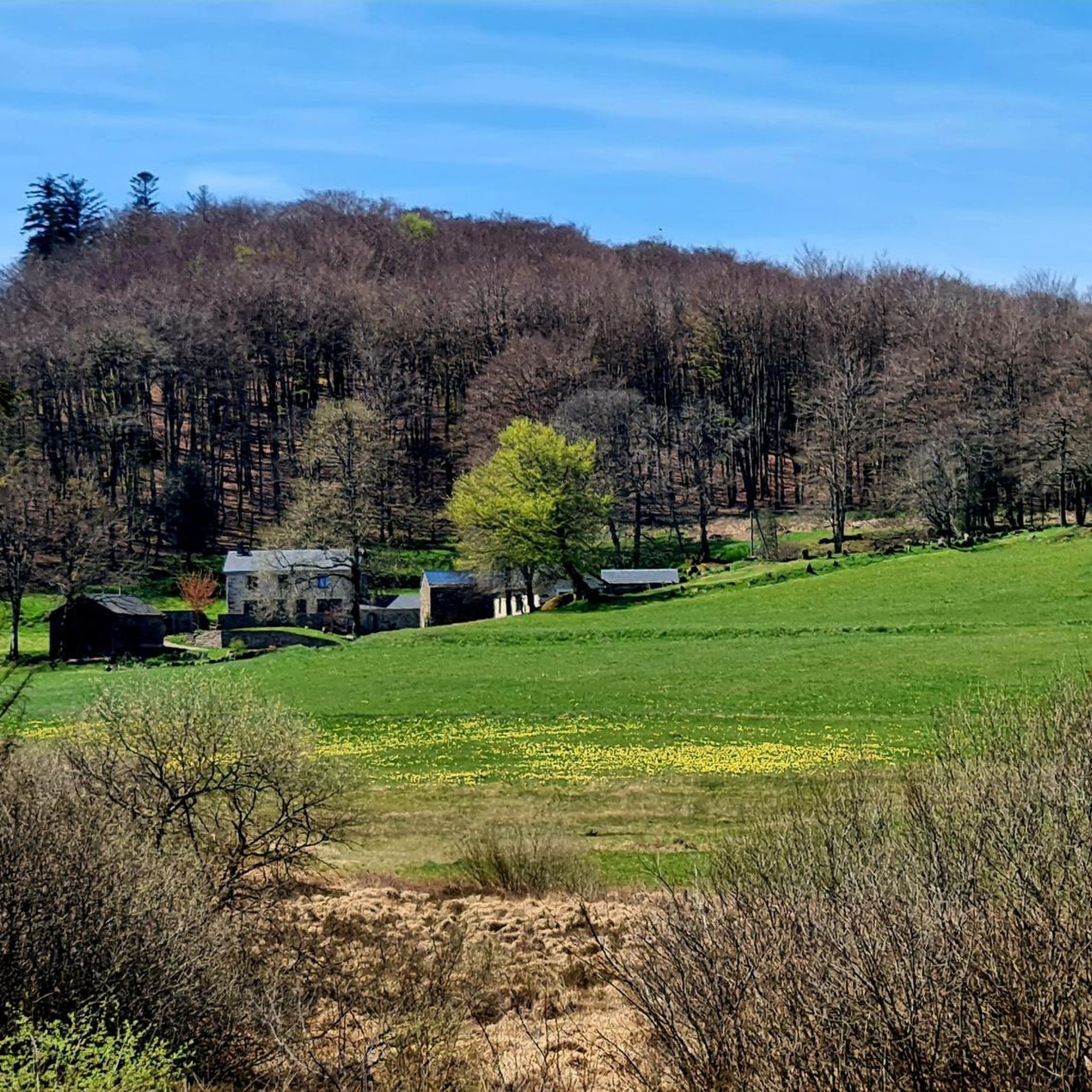
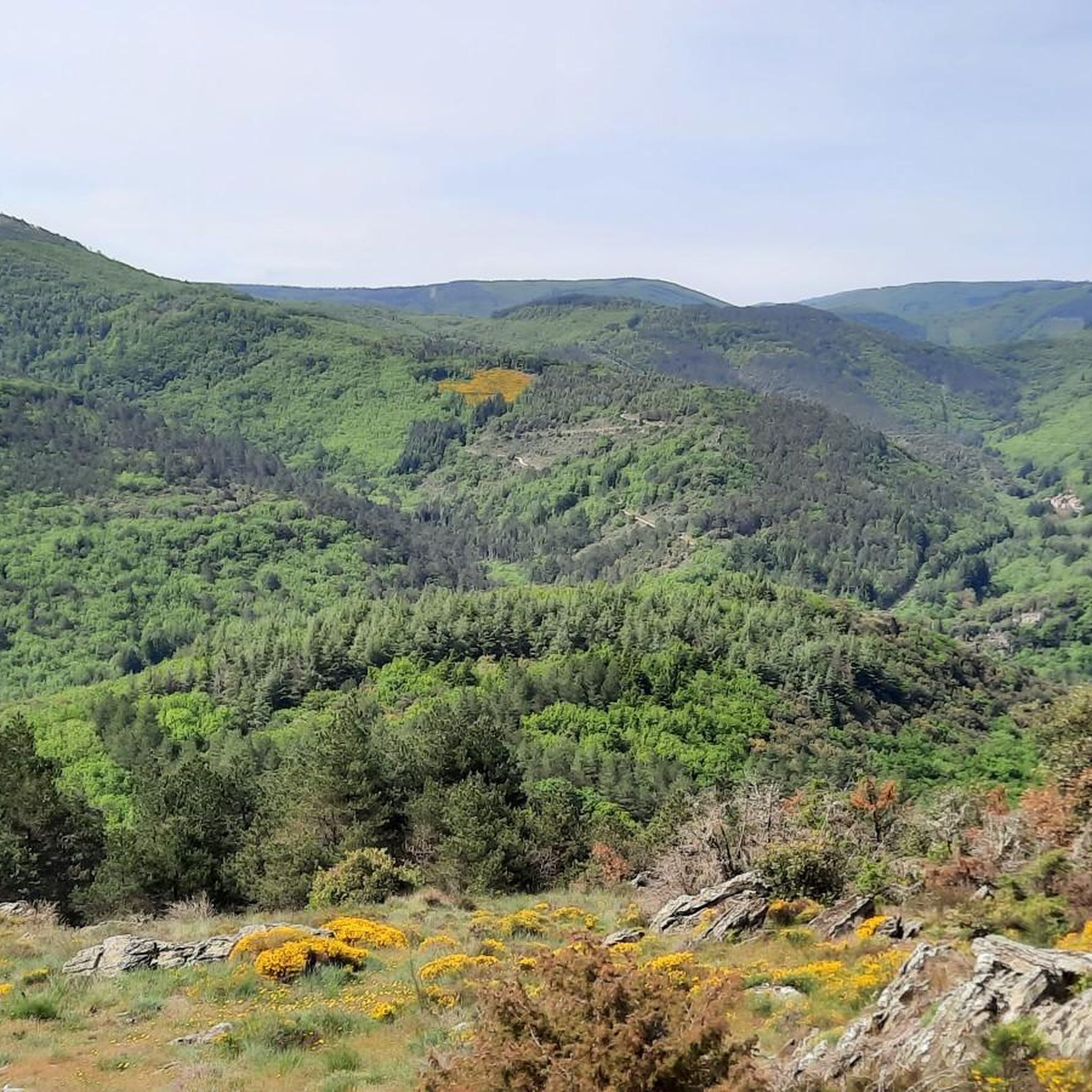
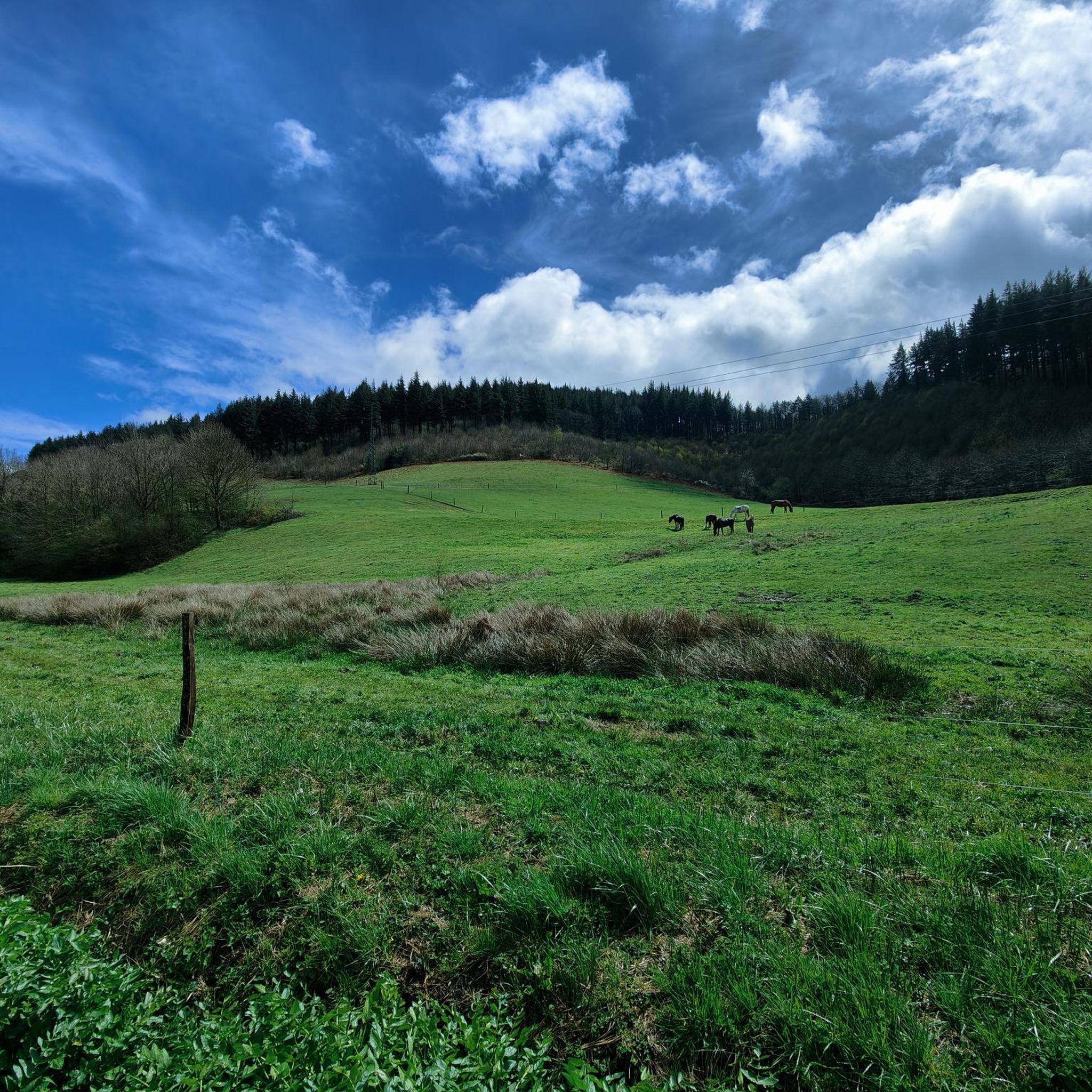
Touring cycling around Courniou, located within the Haut-Languedoc Regional Natural Park, offers diverse landscapes for cyclists. The region features deep forests, wild heathlands, and crystal-clear lakes, providing varied scenic backdrops. Its terrain includes rolling hills, limestone massifs, and the Jaur Valley, with dedicated cycling infrastructure like the Passa Païs Greenway.
Best touring cycling routes around Courniou
- The most popular touring cycling route is Washing barrel – Labastide Tunnel loop from Labastide-Rouairoux, a 20.3 miles (32.7 km) trail that takes…
Last updated: October 7, 2026
4.7
(26)
189
riders
Hard bike ride. Very good fitness required. Mostly paved surfaces. Suitable for all skill levels.
4.7
(10)
61
riders
25.6km
01:42
260m
260m
Moderate bike ride. Good fitness required. Mostly paved surfaces. Suitable for all skill levels.

4.7
(7)
38
riders
28.6km
01:48
200m
200m
Moderate bike ride. Good fitness required. Mostly paved surfaces. Suitable for all skill levels.
4.5
(2)
35
riders
37.3km
02:23
280m
280m
Moderate bike ride. Good fitness required. Mostly paved surfaces. Suitable for all skill levels.
4.7
(3)
18
riders
14.4km
00:59
140m
140m
Easy bike ride. Great for any fitness level. Mostly paved surfaces. Suitable for all skill levels.
Get access to more routes and recommendations from other explorers.
Already have an account?
Our route recommendations are based on thousands of hikes, rides, and runs completed by other people on komoot.
Start today with a free account
Your next adventure awaits.

Tips from the Community

From an old railway line, a wonderful cycle path, dusty in parts with a few asphalt sections. Rode 30 km with a road bike. I would say an experience 🫠 zero traffic
1
0

The former Saint-Pons Cathedral It is difficult to understand Saint-Pons-de-Thomières without stopping here. The building is the former abbey church of a Benedictine monastery founded in 936, around which the town developed. In 1318, the abbey became the seat of a new bishopric: the church then took on the status of a cathedral, which it retained until the Revolution. The Romanesque building, most of which dates back to the second half of the 12th century, still bears the traces of this turbulent history. Fortified in the Middle Ages, the cathedral was heavily damaged in 1567 during the Wars of Religion. Then, in the 18th century, its appearance was profoundly transformed: in 1716, the orientation of the choir was reversed and a new classical facade was built to the east. The medieval remains are particularly remarkable: the two crenellated towers on the north facade recall the defensive character of the building, while the former west facade preserves precious Romanesque reliefs depicting, in particular, the Last Supper, the Washing of the Feet, the Ascension and the Crucifixion. Inside, there are also marble decorations, choir stalls and an organ dating from 1772.
2
0
Clinging to a rocky outcrop almost encircled by the Jaur, Olargues is a remarkable fortified village whose medieval organization is still perfectly legible. At the summit, the former keep of the castle, transformed into a bell tower in the 17th century after the fortress was destroyed on Cardinal Richelieu's orders, still dominates the valley. Below, the Devil's Bridge, built in the 12th century, has spanned the Jaur for nearly nine centuries. Between the two, "calades" (cobbled alleyways) and old houses invite you to step back in time. It is easy to understand why Olargues is among the Most Beautiful Villages in France!
2
0
Located in the Jaur valley, in the heart of the Hauts cantons of the Hérault, Riols is a vast rural village typical of the Haut-Languedoc. The village is intimately linked to the history of the abbey of Saint-Pons-de-Thomières, founded in the 10th century, on which it long depended. From the Middle Ages onwards, Riols was part of a network of monastic possessions. Even today, the old center retains its valley setting, crossed by the Jaur, around which the main routes and activities developed. The Pont-Vieux and several structures on the river bear witness to this close relationship between the village and its watercourse.
2
0

One of the many tunnels that punctuate the PassaPaïs greenway, allowing easy crossing of the territory by bicycle.
0
0

Great campsite! Everything you could want. Cheap, close to the village, toilet paper, soap, and a covered room with a microphone, kettle, tables, chairs, etc. Top notch.
1
0

Bed and breakfast. Perfect welcome. Great comfort. Good food, and most importantly: bike storage! If you have time, the Textile Museum is nearby and definitely worth a visit...
0
0

Frequently Asked Questions
How many touring cycling routes are available around Courniou?
There are over 60 touring cycling routes around Courniou, offering a wide range of experiences for cyclists. These routes are highly rated by the komoot community, with an average score of 4.5 stars from over 170 reviews.
What are the different difficulty levels for touring cycling in Courniou?
Courniou offers a diverse range of routes to suit various abilities. You'll find 9 easy routes, 16 moderate routes, and 42 difficult routes, ensuring options for beginners and experienced cyclists alike. The terrain includes rolling hills, deep forests, and limestone massifs.
What is the best time of year to go touring cycling in Courniou?
The best seasons for touring cycling in Courniou are spring (April-May) and autumn (September-October). During these months, temperatures are pleasant, and there is minimal rainfall, making for ideal riding conditions within the Haut-Languedoc Regional Natural Park.
Are there any family-friendly cycling routes in the area?
Yes, for a gentle and family-friendly experience, consider routes that incorporate the Passa Païs greenway. This car-free route follows an old railway line, providing a smooth journey through wooded areas. An easy option is the Tunnel de la Feuille – Fenille Tunnel loop from Labastide-Rouairoux, which is 9.2 miles (14.8 km) long and leads through wooded areas and tunnels.
What natural features can I expect to see while cycling around Courniou?
The region is rich in natural beauty, characterized by deep forests, wild heathlands, and crystal-clear lakes. You can explore limestone massifs, the scenic Jaur Valley, and even visit the magnificent Grotte de la Devèze, known as 'the palace of the glass spinner,' located in a mountain riddled with caves.
Are there any circular touring cycling routes available?
Yes, many routes in Courniou are designed as loops. For example, the Washing barrel – Labastide Tunnel loop from Labastide-Rouairoux is a moderate 20.3 miles (32.7 km) route that passes through tunnels and offers varied scenery. Another option is the Picnic tables – Path to the lookout loop from Courniou, a moderate 15 km ride.
What interesting landmarks or attractions can I visit along the cycling routes?
Cyclists can discover several points of interest. The village of Riols, situated on the Passa Païs greenway, offers historical sites like the Banasse bridge. You might also encounter the majestic Notre-Dame-de-Trédos Chapel. Further afield, the distinctive Slate-Clad Houses of La Salvetat-sur-Agout showcase unique mountain architecture.
Is there a challenging route for experienced touring cyclists?
Absolutely. For a more rigorous experience, consider the Voie verte PassaPaïs – Fontfroide Pass loop from Saint-Pons-de-Thomières. This difficult 42.7 miles (68.8 km) path incorporates sections of the car-free Passa Païs greenway but includes a demanding climb to Fontfroide Pass, as well as the small road leading to the Cabarétou pass from Riols.
Are there any waterfalls or scenic viewpoints accessible by bike?
Yes, the region offers scenic spots. The Vésoles Waterfall is a notable natural attraction. Many routes also lead through the Jaur valley and towards the Monts du Somail, providing numerous opportunities for scenic viewpoints over the diverse landscapes of the Haut-Languedoc Regional Natural Park.
Can I find cafes or places to stop for refreshments along the routes?
The area around Courniou is dotted with small villages, such as Saint-Pons-de-Thomières and Labastide-Rouairoux. Many of these villages host markets and offer opportunities to find cafes, local produce, and refreshments, providing pleasant breaks during your cycling tour.
What is the Passa Païs Greenway and is it suitable for touring bikes?
The Passa Païs Greenway is a significant car-free route built along an old railway line. It offers a gentle journey through scenic countryside and is suitable for hybrid bikes, mountain bikes, and gravel bikes due to its unpaved surface. It connects charming villages like Riols.
What do other touring cyclists enjoy most about cycling in Courniou?
The area is highly rated by the komoot community, with an average score of 4.5 stars. Reviewers often praise the diverse landscapes, from deep forests and wild heathlands to crystal-clear lakes, as well as the dedicated cycling infrastructure like the Passa Païs Greenway. The variety of routes, catering to all skill levels, is also frequently highlighted.
Most popular attractions around Courniou

Get inspired with the komoot mobile app


Explore more
Browse the best Cycling routes in other regions.
