Attractions and Places To See around Limogne-En-Quercy - Top 20
Best attractions and places to see around Limogne-En-Quercy are found within the Lot department of France, a region characterized by its limestone plateau, the Causse de Limogne. This area features a blend of historical landmarks, unique natural features, and cultural insights. Visitors can explore ancient megalithic structures, traditional dry-stone huts, and museums preserving local heritage. The landscape also offers opportunities to experience the Lot River and its surrounding cliffs.
Best attractions and places to see around Limogne-En-Quercy
- The most popular…
Last updated: October 11, 2026
Saint-Cirq-Lapopie
Highlight • Settlement
Translated by Google •
Tip by

Cajarc
Highlight • Settlement
Translated by Google •
Tip by
Sign up now to discover places like this
Get recommendations on the best single tracks, peaks, & plenty of other exciting outdoor places.
Château de Cénevières
Highlight • Castle
Translated by Google •
Tip by

The Igue of Crégols
Highlight • Gorge
Translated by Google •
Tip by
Cliffs Along the Lot River
Highlight • Gorge
Translated by Google •
Tip by
Sign up for free to discover even more attractions around Limogne-En-Quercy.
Already have an account?
Start today with a free account
Your next adventure awaits.
Popular around Limogne-En-Quercy

Other adventures around Limogne-En-Quercy

Tips from the Community

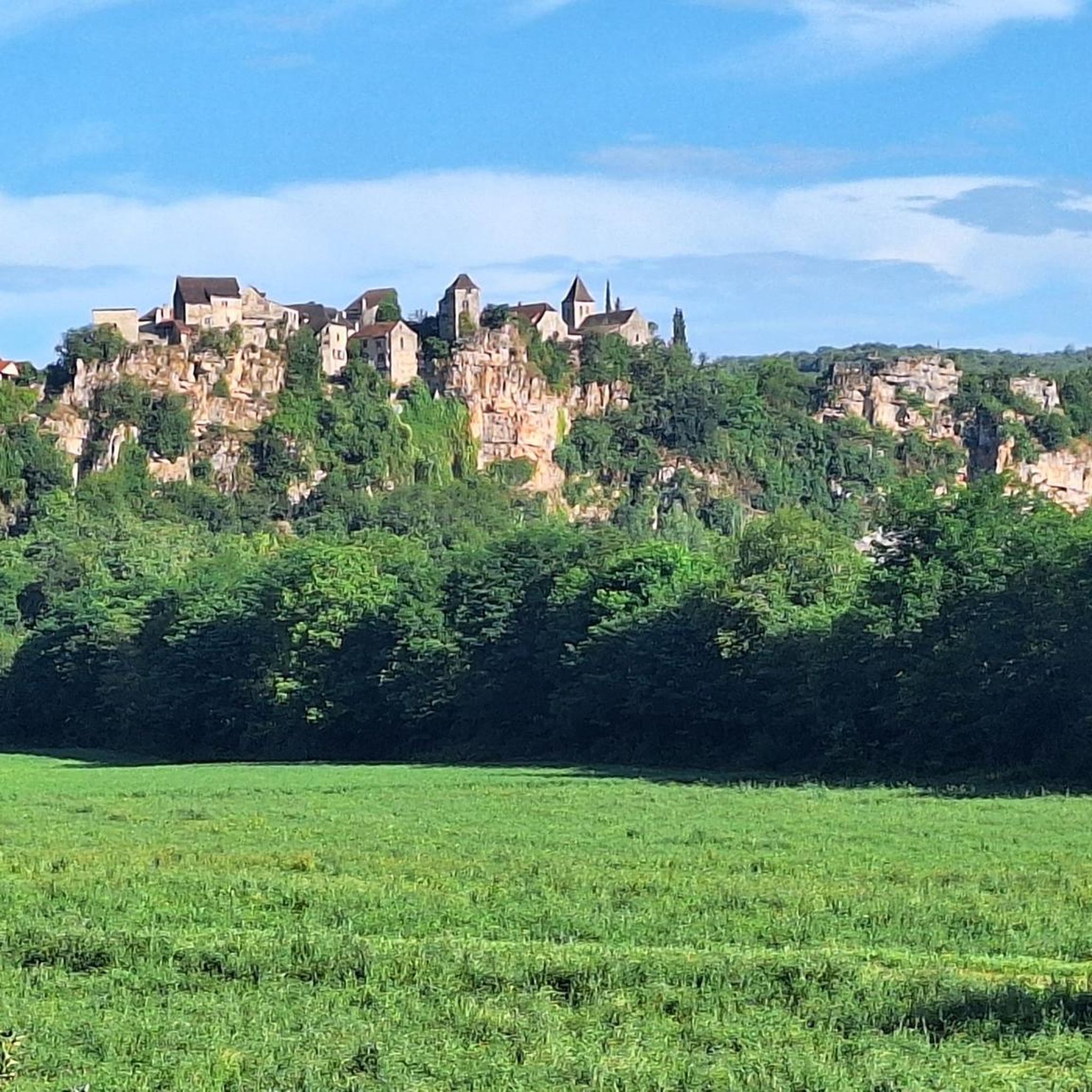
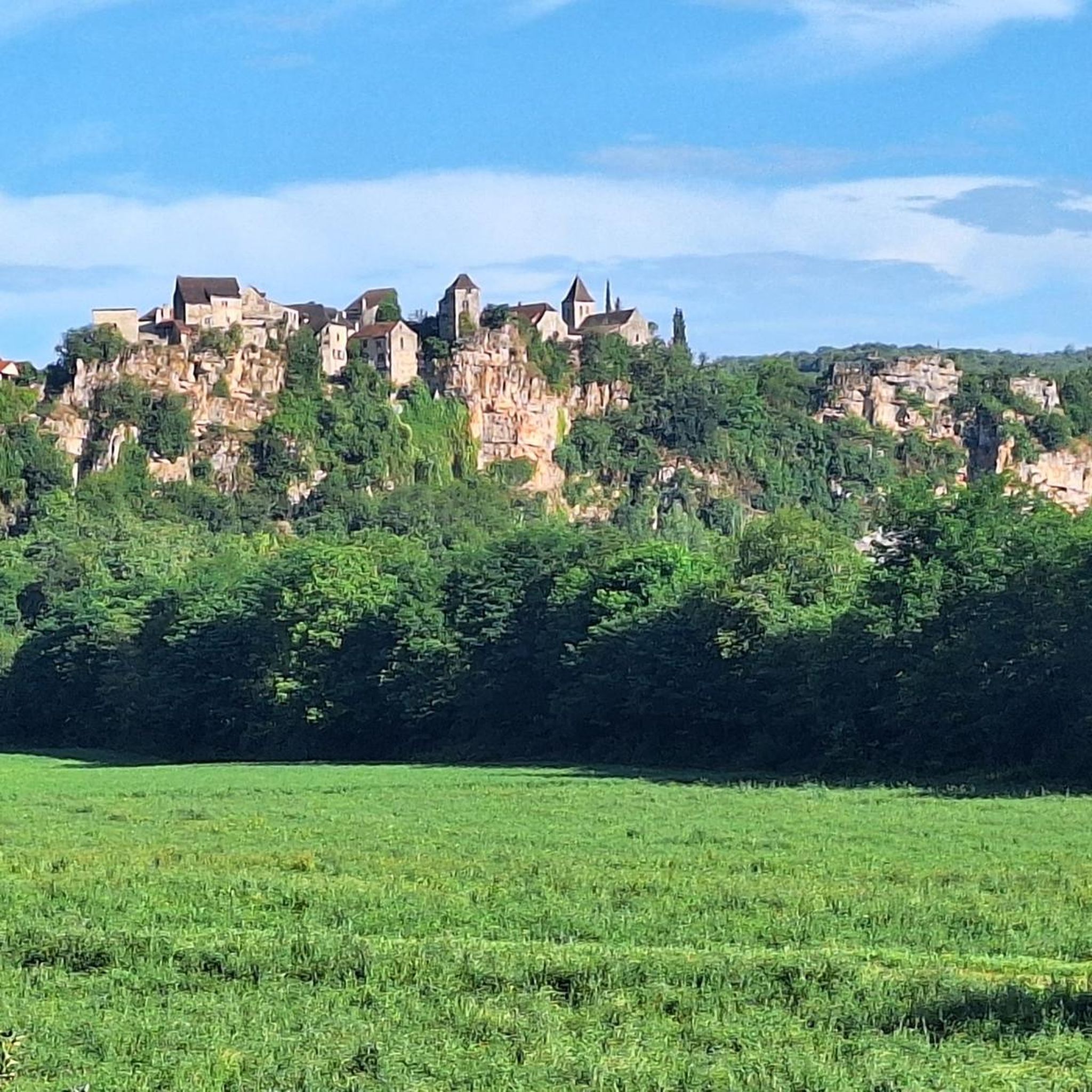
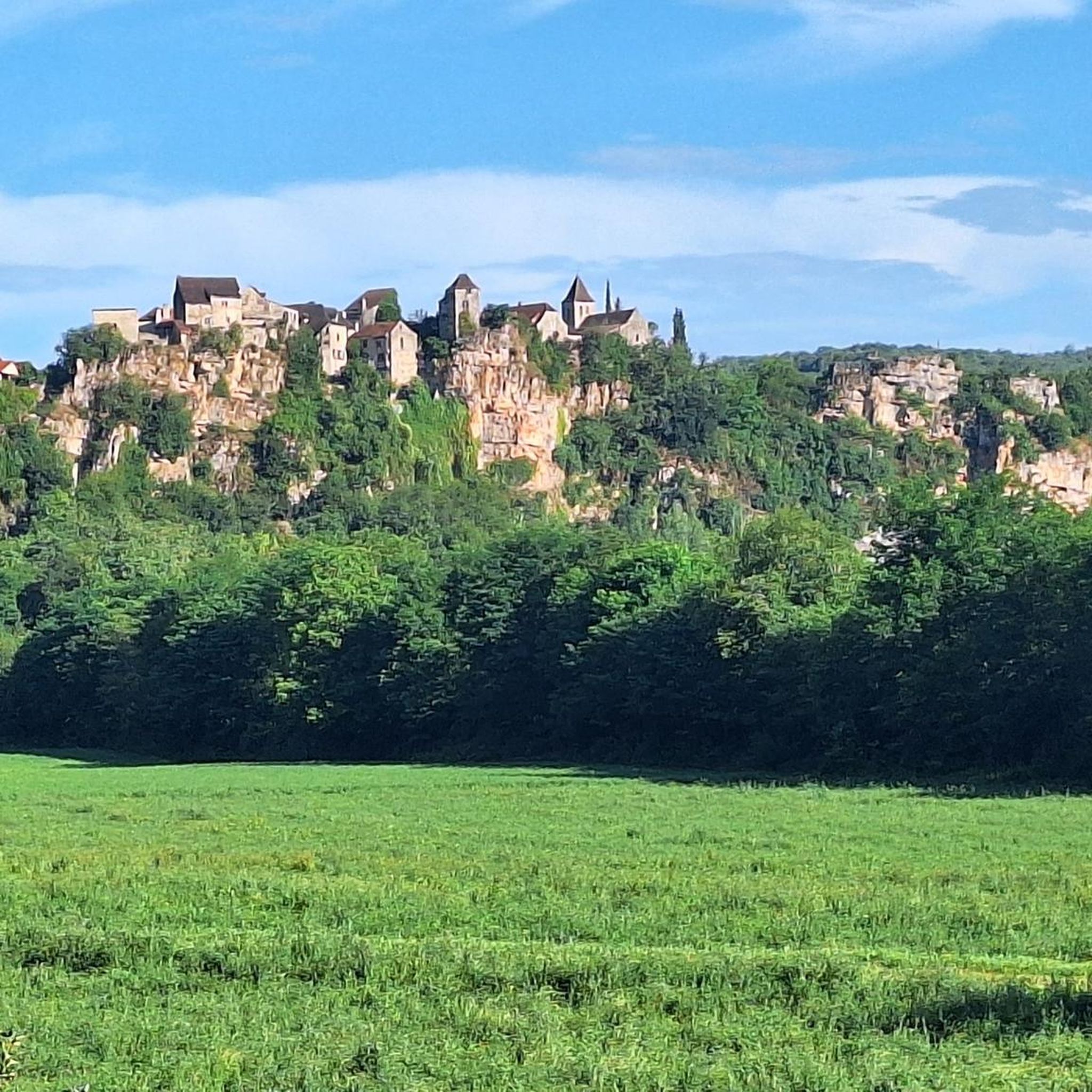
The Château de Cénevières is one of the most prestigious examples of Renaissance architecture in Quercy. Perched on a majestic cliff overlooking the Lot valley, this 13th-century fortified castle, transformed into a pleasure residence in the 16th century, offers a spectacular panorama and a rare immersion into the region's history.
0
0

Private property. Beautiful exterior, but viewings not possible.
0
0

Nice little place with lots of places to stop for a break.
0
0
Somewhat hidden from the cycle route.
0
0

Nice cozy castle, it's charming!
1
0

Very pleasant circuit and largely in the shade. Really beautiful Igue site. Too bad there were so many caterpillars, which spoiled the pleasure of the ride a little.
2
0
Beautiful to do, it's worth a look
1
1

Beautiful castle from the 13th to 16th century. Can be visited for 9€ entrance fee (June 2024). Please note the opening times!
5
0
Frequently Asked Questions
What unique historical sites can I explore around Limogne-en-Quercy?
The area is rich in prehistoric heritage, featuring numerous dolmens. You can explore the Causse de Limogne to discover ancient megalithic structures like the Dolmen du Joncas, accessible via the GR 65 hiking route, and the contemporary dolmen of Rigounenque. For more information on the dolmens, you can visit tourisme-lot.com.
Are there any distinctive cultural features or traditions to discover?
Yes, the "Circuit of the Cabanes" (Gariottes/Cazelles) is a distinctive part of the local rural heritage. This 3.5 km trail showcases 28 traditional dry-stone huts, historically used by farmers. Additionally, the Musée d'Arts et Traditions Populaires in the Maison du Pays de Limogne preserves and displays objects and furniture reflecting the past century's popular traditions, including exhibits on peasant work and woodworking.
What natural landscapes and features are prominent in the Limogne-en-Quercy region?
Limogne-en-Quercy is situated on the Causse de Limogne, a limestone plateau known for its unique landscapes of woods, fields, truffle plantations, and dry-stone walls. A notable natural feature is The Igue of Crégols, a large chasm approximately 80 meters in diameter and up to 40 meters deep, located about 1 km south of Crégols.
Where can I find the best scenic views of the Lot River?
For exceptional views of the Lot River, visit St-Cirq-Lapopie Heights, which also offers a stunning perspective of the village of Saint-Cirq-Lapopie. Another excellent spot is Cliffs Along the Lot River, where paths run along impressive cliffs, providing both bucolic and majestic vistas.
What outdoor activities are available around Limogne-en-Quercy?
The Causse de Limogne is ideal for hiking and cycling. You can also find various running and mountain biking trails. For running enthusiasts, explore routes like the "Igue de Pech Blanc loop from Limogne-en-Quercy" or the "Running loop from Varaire" by checking the Running Trails around Limogne-En-Quercy guide. Mountain bikers can enjoy trails such as the "Windmill Circuit" or the "Dolmen du lac d'Aurié – Malecargue fountain loop from Limogne-en-Quercy" found in the MTB Trails around Limogne-En-Quercy guide.
Are there any family-friendly attractions or activities in the area?
The "Circuit of the Cabanes" offers an engaging walk for families to discover traditional dry-stone huts. The Botanical Trail of Cantagrel, a 2 km path, highlights local plants and vernacular heritage, which can be an educational and enjoyable outing. Exploring the village of Limogne-en-Quercy itself, especially during its vibrant Sunday market, can also be a pleasant family activity.
What is the best time to visit Limogne-en-Quercy for outdoor activities?
The region is generally pleasant for outdoor activities from spring through autumn. The "Black Triangle" of Quercy, known for its exceptional night skies, makes late summer and early autumn ideal for stargazing. For hiking and cycling, spring and early summer offer comfortable temperatures and lush landscapes, while autumn provides beautiful foliage.
What other charming villages are worth visiting near Limogne-en-Quercy?
Just 11 km away, Saint-Cirq-Lapopie is often cited as one of the most beautiful villages in France, perched on a cliff overlooking the Lot River. Another village worth visiting is Cajarc, known for its medieval center and natural setting at the foot of the Lot River, offering relaxation and sports activities.
Are there any unique natural phenomena or geological sites nearby?
Beyond the Igue of Crégols, the area is part of the Regional Natural Park of the Causses du Quercy, which is renowned for having one of the best night skies in metropolitan France, often referred to as the "Black Triangle" of Quercy, offering exceptional stargazing opportunities. The Phosphatière du Cloup d'Aural in Bach also provides insight into ancient phosphate mines and geological features.
What do visitors particularly enjoy about the attractions around Limogne-en-Quercy?
Visitors frequently praise the stunning natural beauty and historical richness. The medieval charm and spectacular location of Saint-Cirq-Lapopie are often highlighted. The paths along the Cliffs Along the Lot River are appreciated for their bucolic and majestic views, with reflections of the cliffs on the water described as magical. The area's blend of ancient history, unique geology, and vibrant village life creates a memorable experience.
Can I find prehistoric cave art or similar ancient sites near Limogne-en-Quercy?
Yes, the renowned Grotte du Pech-Merle in Cabrerets, approximately 15.2 km away, is famous for its well-preserved prehistoric cave paintings and natural scenery, offering a fascinating glimpse into ancient human history.
What is the village of Limogne-en-Quercy itself known for?
The village of Limogne-en-Quercy is known for its preserved identity and vibrant atmosphere, particularly its weekly market on Sundays and specialized winter and summer truffle markets. It is also located on the Camino de Santiago (GR65) and features one of the six "art shelters" – the "Pecten Maximus" by Sara de Gouy, made from scallop shells.
Most popular routes around Limogne-En-Quercy
Most popular attractions around Limogne-En-Quercy

Get inspired with the komoot mobile app


Explore more
Still not found the Highlight you’re looking for? See guides of the top attractions in other regions:
