Attractions and Places To See around Corignac - Top 6
Attractions and places to see around Corignac offer a mix of historical sites and natural landscapes. The region features a large lake, historical churches, and a castle, providing diverse points of interest. Corignac is a location where 6 hidden gems are available for exploration.
Best attractions and places to see around Corignac
- The most popular attraction is View of the Lac de la Blanche, a lake that was once a swamp area and became a recreational site between 1981…
Last updated: July 2, 2026
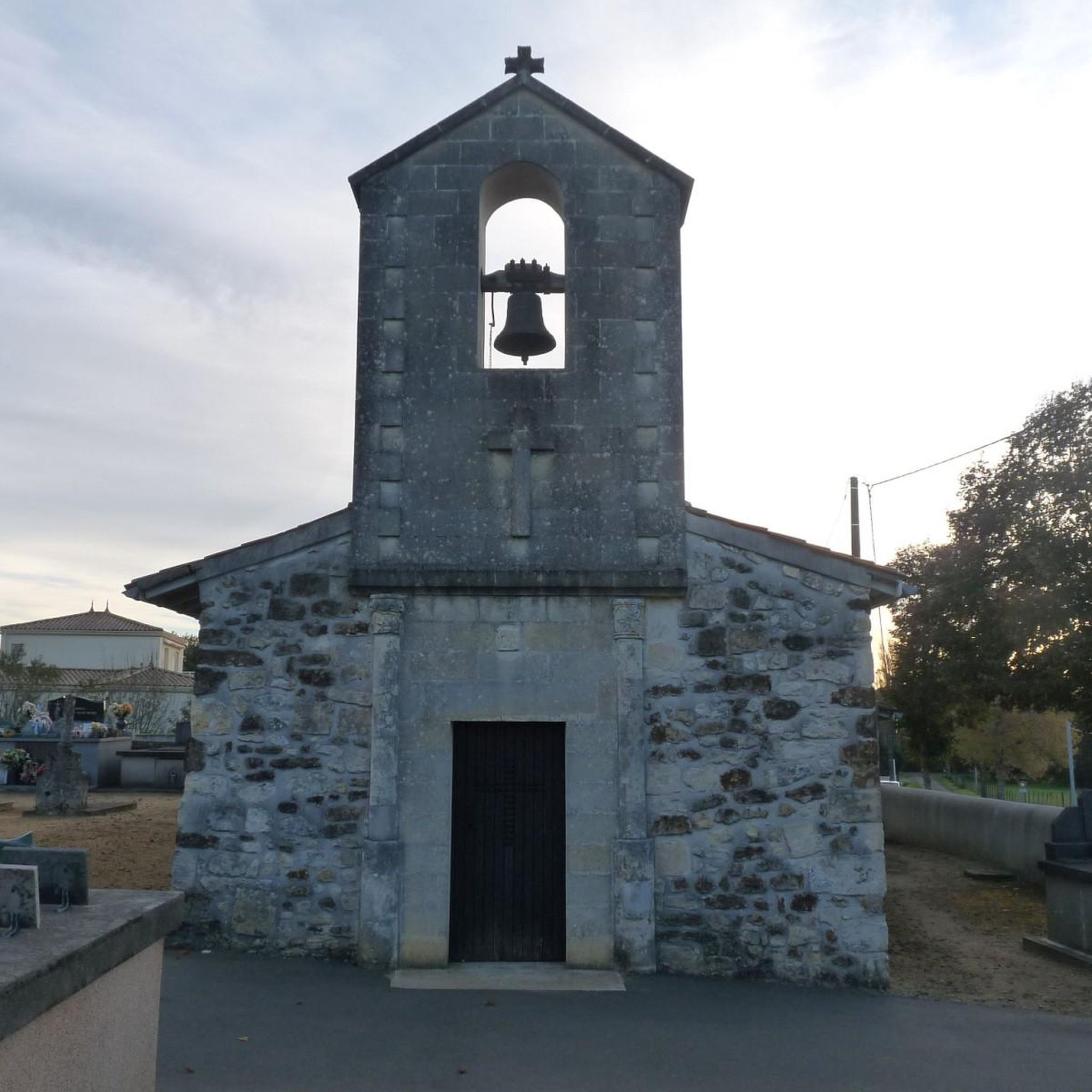
Church of Rouffignac
Highlight • Religious Site
Translated by Google •
Tip by

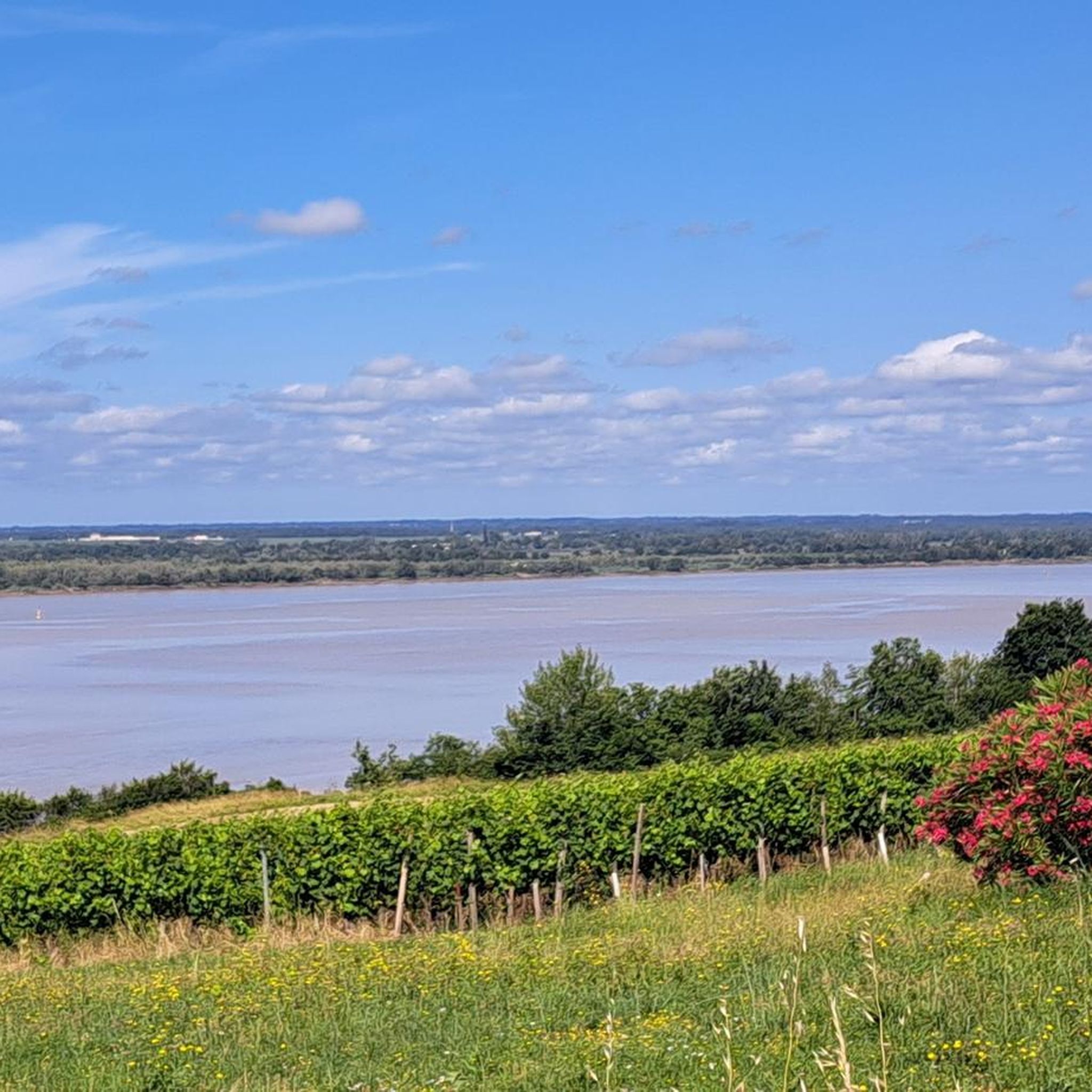
View of the Lac de la Blanche
Highlight • Lake
This site is a natural area of ecological, faunal and floristic interest, where we …
Translated by Google •
Tip by

Sign up now to discover places like this
Get recommendations on the best single tracks, peaks, & plenty of other exciting outdoor places.
Sign up for free
A ballet (awning) typical of the region
Highlight • Other
Translated by Google •
Tip by
Château de Montendre
Highlight • Castle
Translated by Google •
Tip by
A fortified church
Highlight • Other
Translated by Google •
Tip by
Sign up for free to discover even more attractions around Corignac.
Sign up for free
Already have an account?
Start today with a free account
Your next adventure awaits.
Login or Signup



Tips from the Community

This lake was once a swamp area. It became a recreational area between 1981 and 1984. This site is a natural area of ecological, faunal and floristic interest, where we discover vegetation specific to swamps and peat bogs, in particular typical acidophilic plants but also a multitude of invertebrates which are only found in peaty environments: spiders, dragonflies and butterflies including the Sedge Fadet; it is a biotope very favorable to the reproduction of certain amphibians, birds (Harriers, Eurasian Curlew), and mammals (European Otter and European Mink). You can swim, there are slides and boats and kayaks to rent.
0
0
Montendre Castle rises on an eminence 114 meters high and dominates a vast panorama of moors, woods and meadows as well as the tight houses of the old town below. Its origin dates back to the Gallo-Roman era with the construction of a first oppidum in 52 BC. J-C. The castle retains elements from various periods, including part of the enclosures, a round tower, a square tower, a guard room and underground passages. Since the beginning of the 2000s, each summer, international projects (Solidarités Jeunesses) have made it possible to gradually renovate the castle grounds and preserve this site, converted into a promenade. The castle is open for visits from 9 a.m. to 12:30 p.m. and from 2 p.m. to 5:30 p.m. Close on Sunday.
1
0

The high octagonal tower of the bell tower consists of two floors. The first is embellished on each side with two high blind bays. The second finished in the Gothic period is added by eight large windows. The inner curve of each is cut into small lobes reminiscent of the Moorish style. During the construction of the facade, the nave was shortened by one bay. In the 14th century ogival style, the arched portal with arches is accompanied by a trefoil window underlined by a checkered cornice. The square chevet has preserved in the masonry old parts of the semi-circular chevet of Romanesque origin: remains of arcades on columns with capitals, remains of cornices and windows. The old bay in front of the choir is remarkable for the quality of the sculptures of the Romanesque capitals. One represents a shrine on an altar guarded by two figures. According to C. Connoué, it is an original subject for Saintonge which would have its similar in the church of Notre-Dame-de-Soulac (Gironde). The shrine represents a church whose two-storey bell tower has a conical roof like that of the Abbaye aux Dames in Saintes or closer to Rouffignac, Nieul-Ie-Virouil. The scene is framed by two large chandeliers, furniture that is rarely represented in Saintonge sculpture. On another capital, Adam and Eve are represented after the original sin in silly niches drawn by small trees, including that of Good and Evil. Another shows birds in leaves, a subject that is also treated in the church of Grézac or in that of Jarnac-Champagne. Outside, the Romanesque chevet is punctuated by engaged columns of decreasing section.
0
0
The church of this parish, forming a priory of the order of St-Benoît and which came under the abbey of Baignes, was formerly dedicated, and from 1586, to St-Pierre, prince of the apostles, and its construction probably dated of the Roman era. In the 17th century, this church was rebuilt, in the form of a simple rectangle, by Philippe Fortain, Lord of Chamouillac and Louise de Péréfixe, his wife, and consecrated under the new invocation of the apostles St Jacques and St Philippe, whose feast takes place on May 1, by Jacques Raoul, bishop of Saintes, in 1644. Church oriented. The cemetery that surrounded it no longer exists. During the Revolution, the priest Ransanne, who had taken the oath, was not worried, but the sculptures of the front door were mutilated. Rectangular plan church with a single nave and straight apse. The nave, of great simplicity, is traversed on its periphery by a funerary "liter" with the coat of arms of the lord founder. It is covered by a plaster ceiling. On the North wall and on the South wall, two arcades which form large “enfeux”. Above the arcature of the North wall, an inscription relating to the construction of the church: "Philippe Fortain and Péréfixe, his dear wife, who after having lived holy, died on March 30, 1693, founded and made build at their expense the present church and erected into a parish; which was consecrated in 1644, under the names of the apostles Saint-Jacques and Saint-Philippe". On the arcature of the south wall, a motif from the 17th century. Outside, the western facade is partly covered by a porch, a kind of canopy, called in the region "ballet". 17th century entrance door with pediment. Above the pediment, decapitated statue. Two crests, one bearing nine stars, the other a broken chevron and three stars. On each side, bust of the founders. The high altar, placed at the bottom of the apse, is in wood, formerly carved; we see 2 standing holy figures, one of whom is armed with a 2-edged sword. There are also copper candlesticks. At the sides of the altar, are 2 frames without inscription; the one on the right is longer than it is wide; the one on the left is almost square and decorated with designs in the form of arabesques. The church of Chamouillac is not vaulted; it has a wooden ceiling. The bell tower, placed in the middle of the church, is built in structural parts and covered with slates; it contains a small bell weighing more than 100 kilos Church classified as an historic monument on December 5, 1908.
0
0
The parish church of Saint-Pierre in Mérignac, a former dependency of the cathedral chapter, is not dated by any text. It has been revised at various times. The old part of the church, with geometric decoration, was built during the third quarter of the 12th century. Various additions and restorations were carried out in 1578, 1644 and 1734. The nave is vaulted with three equal bays which would have been raised in 1733-1734. The fourth bay, much longer, has a vault of roughly the same date. Note the remains of two Romanesque columns and their sculpted capitals. The entire eastern part of the building dates from 1578. The bays of the nave have windows with columns and capitals in the shape of a telescope on both sides. The square choir, in warheads, is lit to the east by a window with a flamboyant network. To the south, a small barrel-vaulted chapel was built and to the north, the ground floor of the bell tower forms the transept arm. It is surmounted by a dome on pendentives. The facade is very deformed by two oblique buttresses applied to its corners in the 16th century. The apse is surmounted by a gable. The rectangular bell tower has a first floor whose Gothic bays have been blocked and a second with three twin bays, the center one of which is wider. This floor was added in the 18th century. The church has been listed as a historic monument since 1925.
0
0
Built in the 12th century on the plan of a Latin cross, the church of Rouffignac was completely rebuilt in the 14th century. All that remains of the Romanesque period is a part of the heart and the stump of the bell tower.
0
0
Frequently Asked Questions
What natural attractions can I explore around Corignac?
The most prominent natural attraction is the View of the Lac de la Blanche. This lake, once a swamp, was transformed into a recreational area between 1981 and 1984. It's recognized as a natural area of ecological, faunal, and floristic interest, supporting unique vegetation and a diverse range of invertebrates, amphibians, birds, and mammals. You can also swim, rent boats or kayaks, and enjoy slides there.
Are there any historical buildings or sites to visit near Corignac?
Yes, Corignac and its surroundings are rich in history. You can visit the Church of Rouffignac, originally built in the 12th century and rebuilt in the 14th, featuring a high octagonal bell tower and preserved Romanesque elements. Another significant site is the Château de Montendre, a castle with Gallo-Roman origins, offering a vast panorama and retaining elements like round and square towers, and underground passages. Additionally, the Church of Chamouillac, known for its regional 'ballet' awning, and the fortified church of Saint-Pierre in Mérignac, both historic monuments, are also worth exploring.
What are the best options for hiking around Corignac?
The area around Corignac offers several hiking opportunities. Popular routes include the 'Donnezac and Corignac Loop' and the 'Montendre and Chamouillac Churches Loop', both rated as moderate. For an easier walk, consider the 'Lake Baron-Desqueyroux Circuit'. More challenging options like 'Montendre Sousmoulins — circuit through fields and small villages' are also available. You can find more details and routes on the Hiking around Corignac guide page.
Can I go cycling near Corignac's attractions?
Absolutely! There are numerous cycling routes available. You can explore the 'Four Churches Loop from Montendre' or the 'Château de Montendre – View of the Lac de la Blanche loop from Montendre', both moderate in difficulty. For easier rides, try the 'Orangerie de Montendre loop from Corignac'. Discover more routes on the Cycling around Corignac guide page.
Are there family-friendly activities or attractions in the Corignac area?
Yes, several attractions are suitable for families. The View of the Lac de la Blanche is a great spot for families, offering swimming, slides, and boat rentals. Historical sites like the Church of Rouffignac and Château de Montendre are also listed as family-friendly, providing educational and engaging experiences for all ages.
What kind of views can I expect from the Château de Montendre?
The Château de Montendre is situated on an eminence 114 meters high, offering a vast panorama of the surrounding moors, woods, and meadows, as well as the old town below. It's an excellent spot for scenic photography and enjoying expansive landscapes.
What is unique about the Church of Rouffignac?
The Church of Rouffignac is notable for its 12th-century origins and 14th-century reconstruction. It features a distinctive high octagonal bell tower and well-preserved Romanesque elements, including sculpted capitals depicting unique scenes like a shrine on an altar and Adam and Eve after original sin. These sculptures are considered rare for the Saintonge region.
Are there running trails available near Corignac?
Yes, if you enjoy running, there are several trails. Options include the 'Running loop from Montendre' and the 'Lac Baron Desqueyroux loop from Montendre', both of moderate difficulty. For an easier run, consider the 'Running loop from Bussac-Forêt'. More running routes can be found on the Running Trails around Corignac guide page.
What is the history behind the Lac de la Blanche?
The Lac de la Blanche was originally a swamp area. It was developed into a recreational site between 1981 and 1984, transforming it into the ecological and leisure area it is today. Its history as a swamp contributes to its unique vegetation and diverse wildlife.
What do visitors appreciate most about the attractions around Corignac?
Visitors particularly enjoy the blend of historical sites and natural beauty. The Lac de la Blanche is highly appreciated for its recreational opportunities and ecological significance. The historical depth of sites like the Church of Rouffignac and Château de Montendre, with their ancient architecture and panoramic views, also receive high praise from the komoot community.
What are the visiting hours for Château de Montendre?
The Château de Montendre is open for visits from 9 a.m. to 12:30 p.m. and from 2 p.m. to 5:30 p.m. Please note that it is closed on Sundays.

Get inspired with the komoot mobile app


Explore more
Still not found the Highlight you’re looking for? See guides of the top attractions in other regions:
