Attractions and Places To See around Lorgues - Top 20
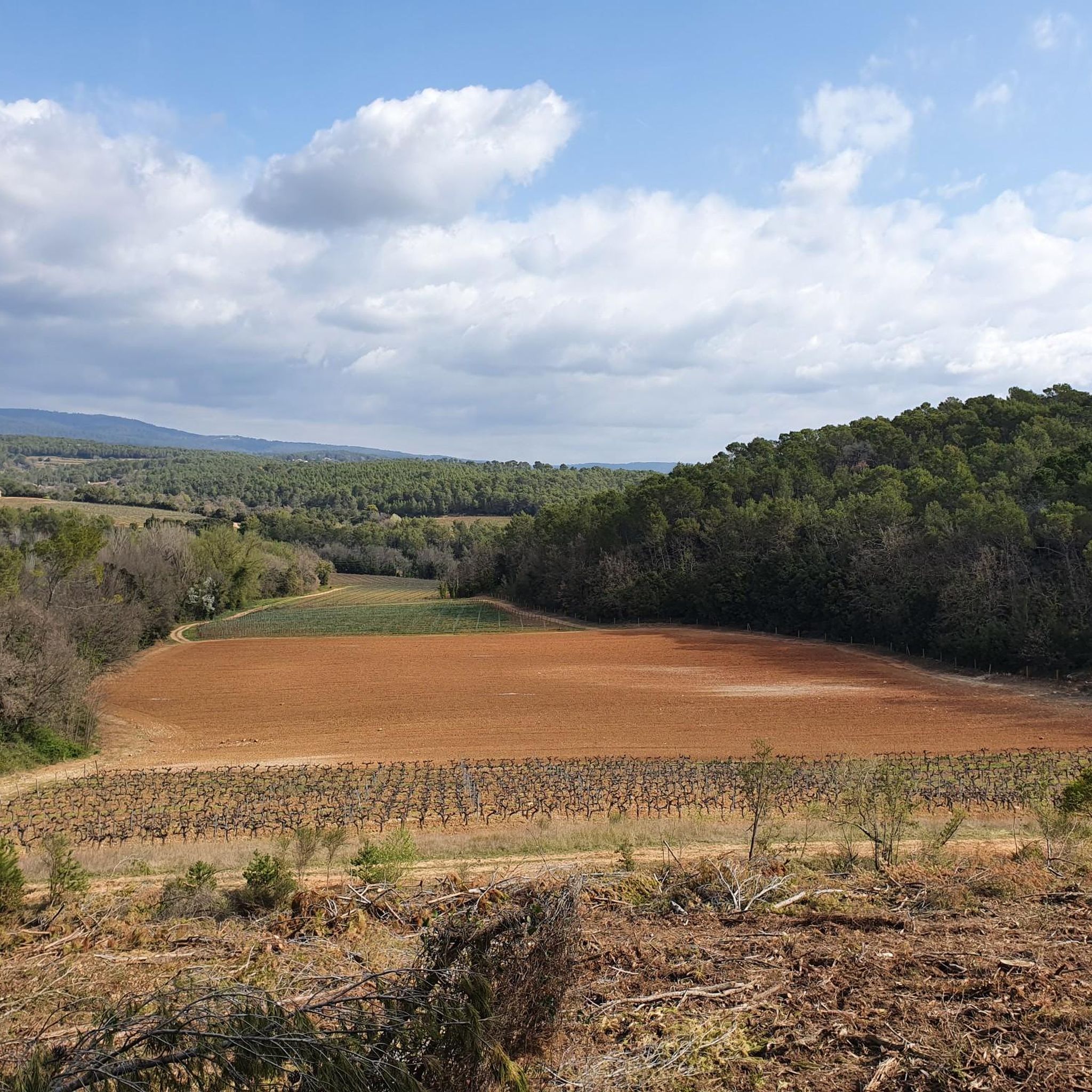
Attractions and places to see around Lorgues include a blend of historical richness, natural beauty, and vibrant local culture in the Var department of South France. The region is characterized by vineyards, olive groves, and rolling hills, offering an authentic Provençal landscape. Visitors can explore ancient towns, historical landmarks, and natural sites like waterfalls and gorges. The area provides opportunities for outdoor activities amidst its diverse scenery.
Best attractions and places to see around Lorgues
- The most popular attractions is…
Last updated: October 9, 2026
Entrecasteaux Castle
Highlight • Castle
Translated by Google •
Tip by

Draguignan
Highlight • Settlement
You will find several dragon statues in the city center …
Translated by Google •
Tip by

Sign up now to discover places like this
Get recommendations on the best single tracks, peaks, & plenty of other exciting outdoor places.
Tombeau de la Lauve
Highlight • Natural Monument
Translated by Google •
Tip by

Saint-Sauveur Church
Highlight • Other
Translated by Google •
Tip by
Caramy Waterfalls
Highlight • Waterfall
Translated by Google •
Tip by

Sign up for free to discover even more attractions around Lorgues.
Already have an account?
Start today with a free account
Your next adventure awaits.

Tips from the Community

A real gem, inconspicuous by the wayside
0
0

Beautiful waterfalls, and not at all advertised. A real insider tip.
0
0
Wonderful to look at in the sunlight. Not pompous, but rather practical and imposing. Unfortunately, not open to the public.
0
0

Please note that the canal is prohibited to bicycles under penalty of fine but very nice to do
0
0

Caramy waterfalls, accessible on foot or on the back of ibex. Idyll not crowded. Fresh water and silky rocks.
1
0

The tholos de la Lauve is a block tomb located at an altitude of 365 m, at the end of the Lauve plateau, in the commune of Salernes, in the Var department in France. It is a unique monument of its kind in Provence The building is a block tomb. The sepulchral chamber, approximately circular in shape (diameter 1.80 m), is made up of limestone blocks arranged with a slight corbelling, which has earned it the name of tholos. It is enclosed in a tumulus made of rubble held by a low wall, itself circular, made up of large blocks. The whole measures 7 m in diameter. No access corridor to the chamber is visible although a few inclined slabs on the west side could constitute a start. It is likely that the chamber was accessed through its top opening, which was perhaps covered by a removable slab1. It was restored in 1993 by Hélène Barge. The tomb was discovered and very carefully excavated in the 1950s by A. Taxil2. The upper layer (average thickness 0.14 m) contained very fragmented burned bones, possibly corresponding to around fifteen individuals2. The lithic material found in this layer consists of a large blade, bladelets, flakes and a flint arrow frame. The ceramic was limited to two atypical shards. The animal bones, without traces of use, correspond only to invasive fauna (snake vertebrae, rabbit bones, toads, small rodents and snail shells) from the natural environment2. The lower layer (average thickness 0.12 m) contained only a few bones, reduced to the state of splinters, and 122 teeth in good condition, representing around 10 individuals, including a few children. The archaeological furniture included decorative objects (9 annular limestone and shell test beads, 2 green rock olives). The lithic objects were limited to leaf arrow armatures.
0
0

This church was not dedicated to one of the many people whom we venerate as blessed or saints and ask for their heavenly intercession with God, or - like so many French churches - to the Mother of God ("Notre-Dame"). The chosen patronage here was the incarnate Son of God, Jesus Christ himself, and the church in Entrecasteaux was consecrated to him under the title “SAINT SAUVEUR” – i.e. as the Redeemer and Savior.
3
0

The parish church of Entrecasteaux, dedicated to Saint Salvator, already existed at the beginning of the 11th century when the place is first documented in 1012. The current church would therefore be the second, built in the 13th century in Romanesque style. It was subsequently rebuilt several times, especially in the 17th century, when a new nave was built on the north side and the bell tower was added.
12
0
Frequently Asked Questions
What historical landmarks can I explore in and around Lorgues?
Lorgues is rich in history. You can wander through the Lorgues Old Town with its medieval walls and gates like the 11th-century Porte Sarrasin. Don't miss the impressive 18th-century Baroque Collegiate Church of Saint-Martin, the 12th-century Clock Tower, and the elegant Palace of Justice. Further afield, visit Entrecasteaux Castle, a private château with French-style gardens, or the serene 12th-century Le Thoronet Abbey, known for its Cistercian architecture.
Where can I experience the natural beauty and landscapes near Lorgues?
The region around Lorgues offers stunning natural beauty. You can visit the Caramy Waterfalls, a beautiful cascade on the Caramy river, or take a short drive to Sillans-la-Cascade for another picturesque waterfall in a lush forest. The area is surrounded by vineyards, olive groves, and rolling hills, perfect for scenic drives. For a grander experience, the Verdon Gorge, often called the 'Grand Canyon of Europe,' is about an hour away, offering breathtaking canyon views and river activities.
Are there opportunities for hiking or cycling around Lorgues?
Yes, Lorgues is an excellent base for outdoor activities. The surrounding countryside, with its gentle hills, pine forests, vineyards, and olive groves, is ideal for hiking and cycling. You can find numerous trails starting from the town. For specific routes, komoot offers several options, such as running trails like the 11.3 km "Lorgues Town Hall – Sauveclare Waterfall loop" or cycling routes like the 41.9 km "Sauveclare waterfall – Chemin du train loop." You can explore more routes on the Running Trails around Lorgues or Cycling around Lorgues guide pages.
What are some family-friendly attractions in the Lorgues area?
Families can enjoy several attractions. Entrecasteaux Castle offers a fascinating glimpse into history with its impressive architecture and gardens. The town of Draguignan, with its charming city center and dragon statues, can be an interesting visit. Natural sites like the Caramy Waterfalls or Sillans-la-Cascade provide beautiful spots for picnics and enjoying nature. Exploring the local Provençal market can also be a fun experience for all ages.
Can I experience local Provençal wine and olive oil production?
Absolutely! Lorgues is nestled in the heart of Provence, surrounded by renowned Côtes de Provence vineyards. Many local châteaux, such as Château Font du Broc and Château La Martinière, offer wine tasting and tours. You can also visit olive oil mills like Moulin de Lorgues or Maison des Huiles d'Olive de Provence to learn about the region's thriving olive oil production and enjoy tastings.
What cultural experiences, like markets or events, does Lorgues offer?
Lorgues boasts a vibrant local culture. The bustling Provençal Market, held every Tuesday morning, is a must-visit for local produce, artisan goods, and an authentic taste of Provençal life. Throughout the year, Lorgues hosts various cultural events, including a festive Christmas market, a Classical Music Festival in summer, and the Fête du Vin (Wine Festival) in late summer, celebrating the grape harvest.
Are there any unique or lesser-known historical sites worth visiting?
Beyond the main landmarks, Lorgues holds some unique historical gems. The Tombeau de la Lauve is a unique block tomb located at an altitude of 365m, offering archaeological significance and panoramic views. The Hermitage of Saint-Ferréol, perched on a hilltop, provides stunning views of the Haut-Var and houses a museum of sacred art. Additionally, the Chapel of Notre-Dame de Ben-Va is notable for its exceptional 15th-century frescoes.
Where can I find the best panoramic views of the region?
For breathtaking views, head to the Collegiate Church of Saint-Martin, which offers good vistas from its elevated position. The Hermitage of Saint-Ferréol on a hilltop provides panoramic views of the Haut-Var. The Tombeau de la Lauve also offers notable panoramic views from its 365m altitude. Generally, the rolling hills and vineyards surrounding Lorgues provide many scenic viewpoints for hikers and cyclists.
What is the best time of year to visit Lorgues for sightseeing and outdoor activities?
The best time to visit Lorgues is typically during the spring (April to June) and early autumn (September to October). During these periods, the weather is pleasantly warm, ideal for exploring historical sites, enjoying outdoor activities like hiking and cycling, and experiencing the local markets and vineyards without the intense heat of summer. Summer (July-August) is also popular, but can be very hot, while winter offers a quieter, cooler experience.
Are there any specific walking tours or trails to explore Lorgues' history?
Yes, you can explore Lorgues' history on foot. The Old Center Walking Tour is marked by plaques and guides visitors through ancient sites, many dating back to the 12th century, including remnants of medieval walls and defensive gates. This allows you to discover the town's rich past at your own pace. For more information on the town's heritage, you can visit the Lorgues Tourism website.
What kind of outdoor activities can I do in the wider region around Lorgues?
Beyond Lorgues itself, the wider region offers diverse outdoor activities. The Massif des Maures, about 24 km away, is a site of natural beauty perfect for exploration. The Verdon Gorge provides opportunities for hiking, canoeing, and other river activities. The area known as Les Sentiers de La Dracenie near Lorgues is great for discovering waterfalls and enjoying mountain views. The Argens River also meanders through lush landscapes, offering scenic spots for outdoor enthusiasts.
Most popular routes around Lorgues
Most popular attractions around Lorgues

Get inspired with the komoot mobile app


Explore more
Still not found the Highlight you’re looking for? See guides of the top attractions in other regions:
