Sainte-Marie-De-Cuines
Sainte-Marie-De-Cuines
Top 15 Mountain Passes around Sainte-Marie-De-Cuines
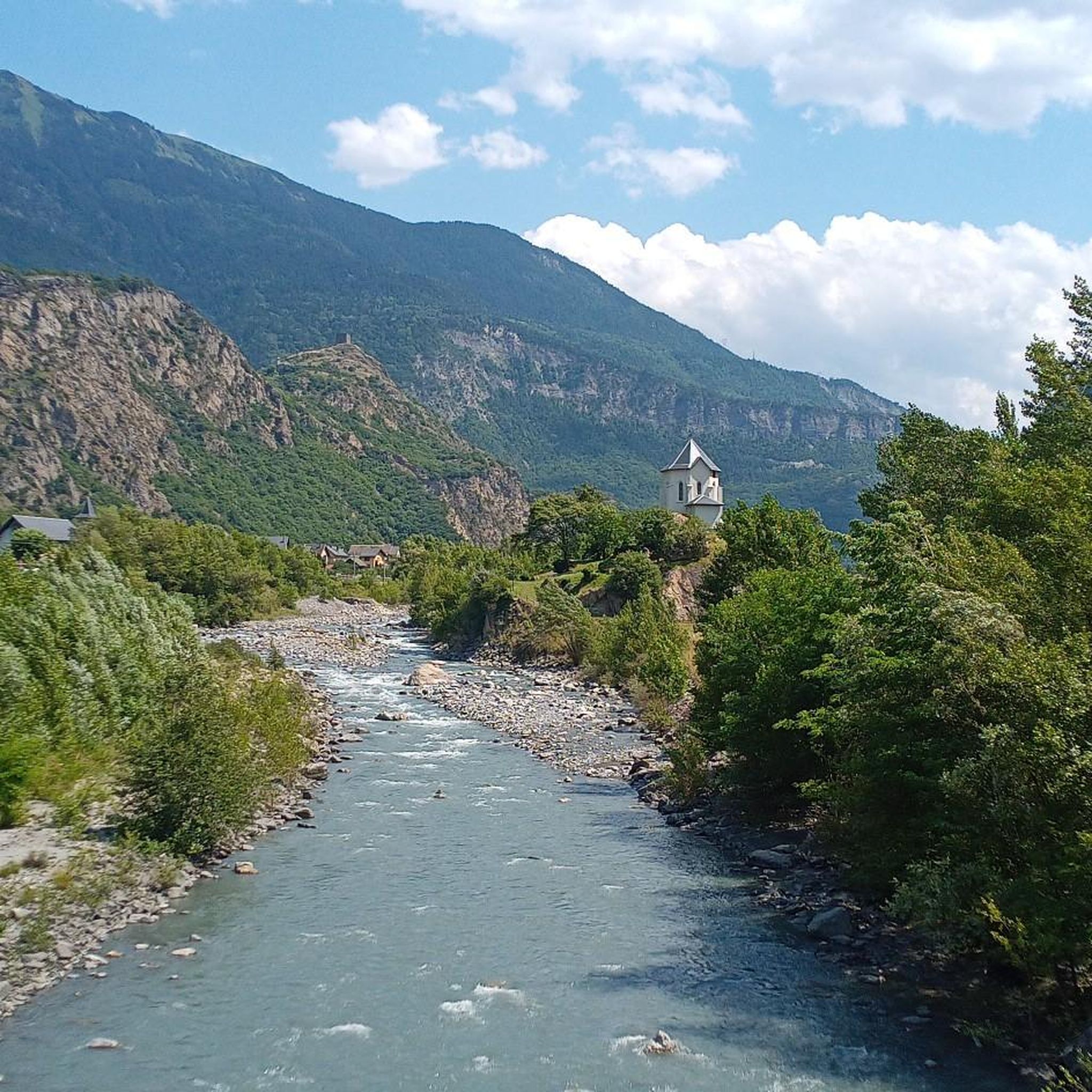
Mountain passes around Sainte-Marie-De-Cuines are located in the Maurienne Valley, serving as a base for exploring iconic French Alps passes. The region is known for its challenging cycling routes and historical significance, with many passes frequently included in the Tour de France. This area provides access to a diverse range of mountain passes, attracting cyclists and outdoor enthusiasts.
Best mountain passes around Sainte-Marie-De-Cuines
- The most popular mountain passes is Col du Chaussy, a mountain_pass that connects Pontamafrey with the…
Last updated: July 10, 2026
Col du Chaussy
Highlight • Mountain Pass
Translated by Google •
Tip by

Col de la Croix de Fer
Highlight • Mountain Pass
Translated by Google •
Tip by

Sign up now to discover places like this
Get recommendations on the best single tracks, peaks, & plenty of other exciting outdoor places.
Sign up for free
Col de Chaussy
Highlight • Mountain Pass
If you ride the shoelace, you'll also get over the pass; it's a nice ride.
Translated by Google •
Tip by

Ascent of Col de la Madeleine from La Chambre
Highlight (Segment) • Climb
Translated by Google •
Tip by

Spectacular Cliffside Road Above Montvernier
Highlight • Structure
Showing Translation
Tip by

Sign up for free to discover even more mountain passes around Sainte-Marie-De-Cuines.
Sign up for free
Already have an account?
Start today with a free account
Your next adventure awaits.
Login or Signup
Popular around Sainte-Marie-De-Cuines
Tips from the Community

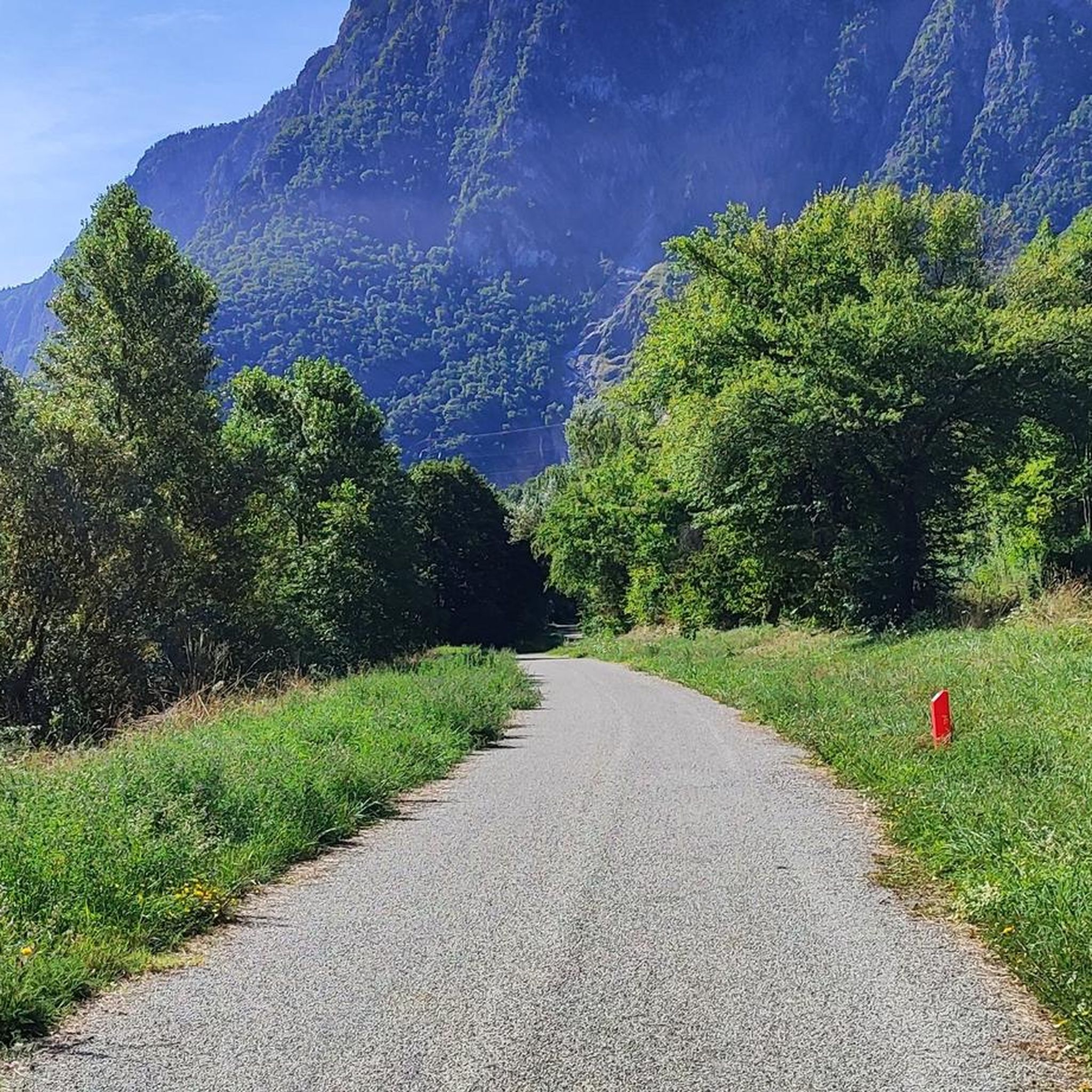
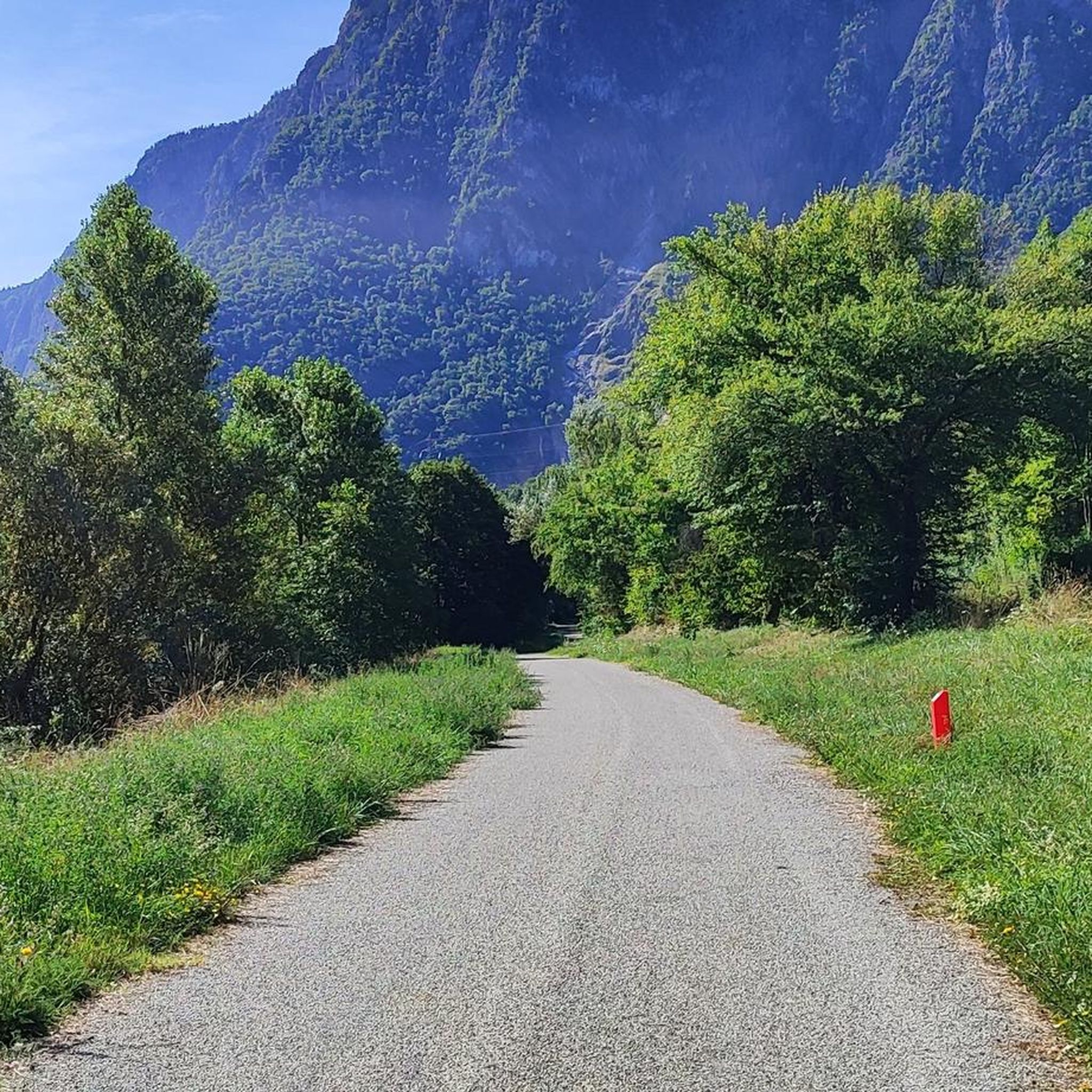
Narrow road, great views. Relatively little traffic.
2
0
Narrow road by the rock, great views.
2
0
Orderly ascent, nice pass with chapel and bar/restaurant. Some water points, but not many.
1
0

Empty, a gas road 😱
0
0


On the side of a cliff, very spectacular.
0
0
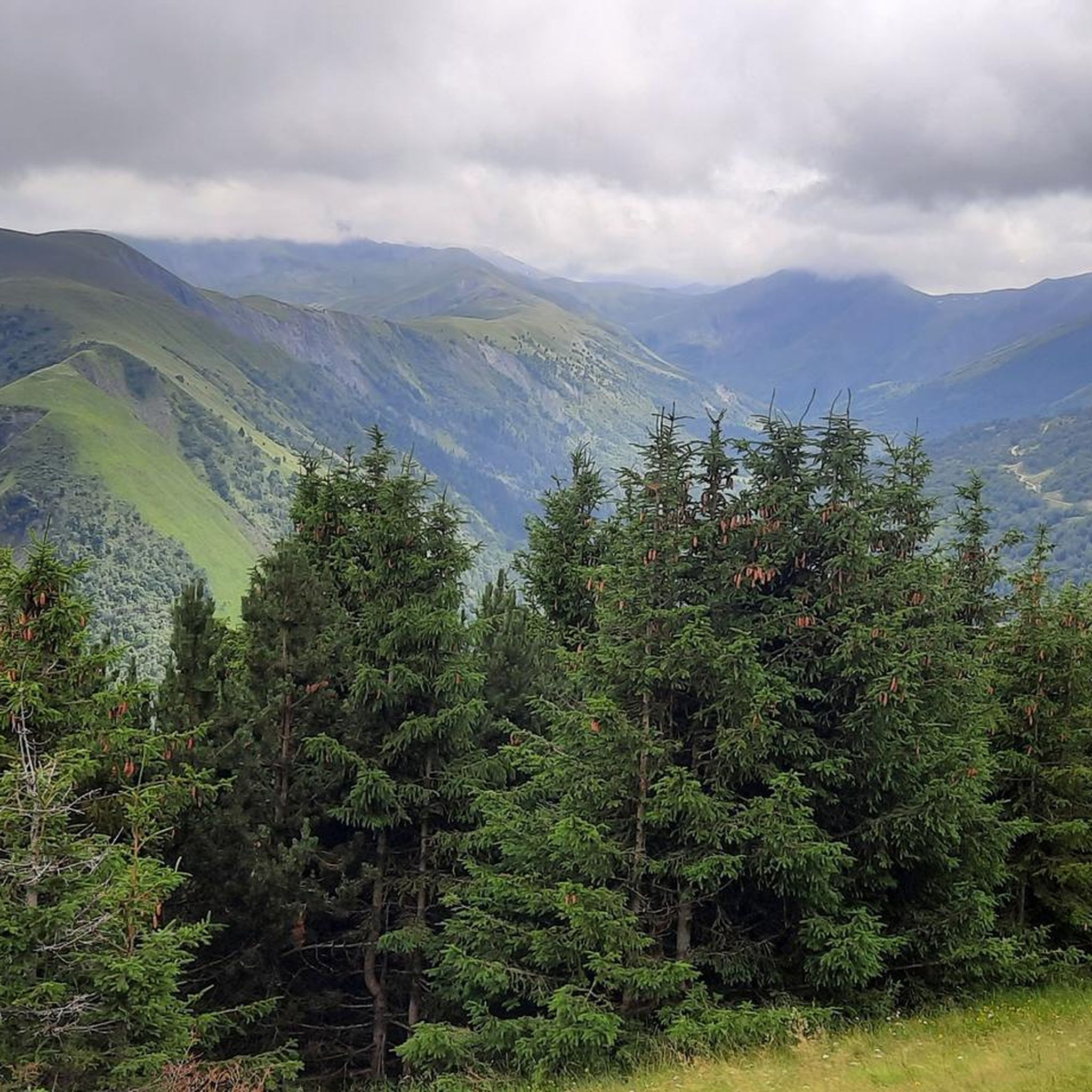
Away from car traffic, a bucolic pass in the middle of mountain pastures.
2
0

The Col de la Croix de Fer culminates at an altitude of 2063 meters. It is the big neighbor of the Col du Glandon, another crossing point between the Maurienne and Oisans valleys. The Tour de France has used this pass 21 times. It is one of the most beautiful in France, a must-visit point for any mountain-loving cyclist!
1
0
Frequently Asked Questions
What are some of the most iconic mountain passes for cycling near Sainte-Marie-De-Cuines?
Sainte-Marie-De-Cuines is an excellent base for accessing legendary passes. Cyclists often target the Col de la Madeleine, a Tour de France staple connecting the Tarentaise and Maurienne valleys, and the Col du Glandon, known for its varied terrain and expansive views. Another significant climb is the Col du Galibier, one of the highest and most demanding passes in the French Alps, offering breathtaking panoramic vistas.
What is the best time of year to visit the mountain passes around Sainte-Marie-De-Cuines?
The best time to visit is typically from late spring to early autumn (roughly May to October). Many of the higher passes, such as the Col de la Madeleine and Col du Glandon, are closed during winter months due to heavy snow, making them inaccessible for cycling and often hiking.
Are there any unique or visually striking roads in the area besides traditional passes?
Yes, the Lacets de Montvernier are a series of incredibly scenic and tight hairpin turns carved into the mountainside. While not a high mountain pass in the traditional sense, they offer a visually stunning and enjoyable cycling experience with impressive views of the valley below. You can also experience the Spectacular Cliffside Road Above Montvernier, which is dug into solid rock and offers impressive views.
What kind of views can I expect from the mountain passes in this region?
The passes offer diverse and spectacular alpine panoramas. From lush green valleys giving way to dramatic, rocky peaks at the Col de la Madeleine, to expansive views of surrounding mountains and valleys from the Col du Glandon. The Col du Galibier, being one of the highest, provides some of the most breathtaking and expansive vistas in the Alps, including potential views of Mont Blanc on clear days.
What outdoor activities can I do near these mountain passes?
Beyond cycling the passes themselves, the region offers a variety of outdoor activities. You can find numerous running trails, including loops from Saint-Avre and Saint-Étienne-de-Cuines. For hiking, options range from moderate routes like the Les Lacets de Montvernier – Old tower loop to more difficult treks like the Pic Nord du Merlet loop.
Are there specific cycling routes that combine multiple passes or offer a significant challenge?
Absolutely. The region is famous for challenging cycling. The Col du Télégraphe is often considered a prelude to the formidable Col du Galibier, making for an iconic combined ascent. Additionally, the Col du Glandon shares much of its route with the Col de la Croix de Fer, allowing for extended scenic rides. Many routes are featured in the Road Cycling Routes around Sainte-Marie-De-Cuines guide.
What is the historical significance of these mountain passes, particularly in relation to the Tour de France?
Many of the passes in this region are deeply embedded in the lore of the Tour de France. The Col de la Madeleine, Col du Glandon, Col du Télégraphe, and Col du Galibier are all legendary climbs that have frequently featured in the race, often serving as decisive points. Even the Lacets de Montvernier have made appearances, adding to their unique appeal.
Are there any amenities like cafes or parking available at the mountain passes?
While specific amenities vary by pass, some do offer facilities. For instance, at the top of the Col de la Madeleine, there is a small restaurant. The Col de la Croix de Fer also has a warm welcoming hostel where you can rehydrate and regain strength. Parking is generally available at trailheads or near the summits of major passes, though it's always advisable to check local information for specific locations.
What makes the Col du Chaussy a popular choice for cyclists?
The Col du Chaussy is a popular mountain pass that connects Pontamafrey with the south ramp of the Col de la Madeleine. It's known as a very nice, quiet racing bike area, with the summit reached after the famous Lacets de Montvernier. It offers a challenging yet rewarding climb away from the main routes.
What are some of the challenges when cycling the Col de la Madeleine from La Chambre?
The Ascent of Col de la Madeleine from La Chambre is considered a tough climb, especially in its lower sections. The steepest parts are often found in the initial third of the ascent. It's a classic route in the Tour de France, demanding both physical endurance and mental stamina, particularly on hot days.
Can I find information on the difficulty of cycling routes in the Sainte-Marie-De-Cuines area?
Yes, komoot provides difficulty grades for many routes. For example, the 'Col de la Madeleine – Itinéraires pour vélo de route en Maurienne' and 'Col du Glandon – Itinéraires pour vélo de route en Maurienne' are both rated as difficult. You can explore various routes and their difficulty levels in the Road Cycling Routes around Sainte-Marie-De-Cuines guide.
Most popular routes around Sainte-Marie-De-Cuines
Most popular attractions around Sainte-Marie-De-Cuines

Get inspired with the komoot mobile app


Explore more
See even more epic mountain passes by checking out these guides around Sainte-Marie-De-Cuines:
