Attractions and Places To See around Labarthe - Top 6
Best attractions and places to see around Labarthe include natural features and historical sites. Located south of Toulouse, Labarthe-sur-Lèze is characterized by the Lèze river meandering through green landscapes, with 70% of its territory dedicated to natural spaces. The area offers a blend of natural beauty and cultural insights, including proximity to the Canal du Midi. Visitors can explore a variety of outdoor activities and local heritage.
Best attractions and places to see around Labarthe
- The most popular attractions is…
Last updated: July 1, 2026
Sansan paleosite
Highlight • Other
Translated by Google •
Tip by

Lac de l'Astarac
Highlight • Lake
Translated by Google •
Tip by

Sign up now to discover places like this
Get recommendations on the best single tracks, peaks, & plenty of other exciting outdoor places.
Sign up for free
Moulin de Durban
Highlight • Other
Translated by Google •
Tip by

Moncassin castle mound
Highlight • Other
Translated by Google •
Tip by
Viewpoint and Motte Castrale of Moncassin
Highlight • Viewpoint
Translated by Google •
Tip by
Sign up for free to discover even more attractions around Labarthe.
Sign up for free
Already have an account?
Start today with a free account
Your next adventure awaits.
Login or Signup


Tips from the Community

Rebuilt in 2018, this mill is one of the few windmills in the region still making flour.
1
0

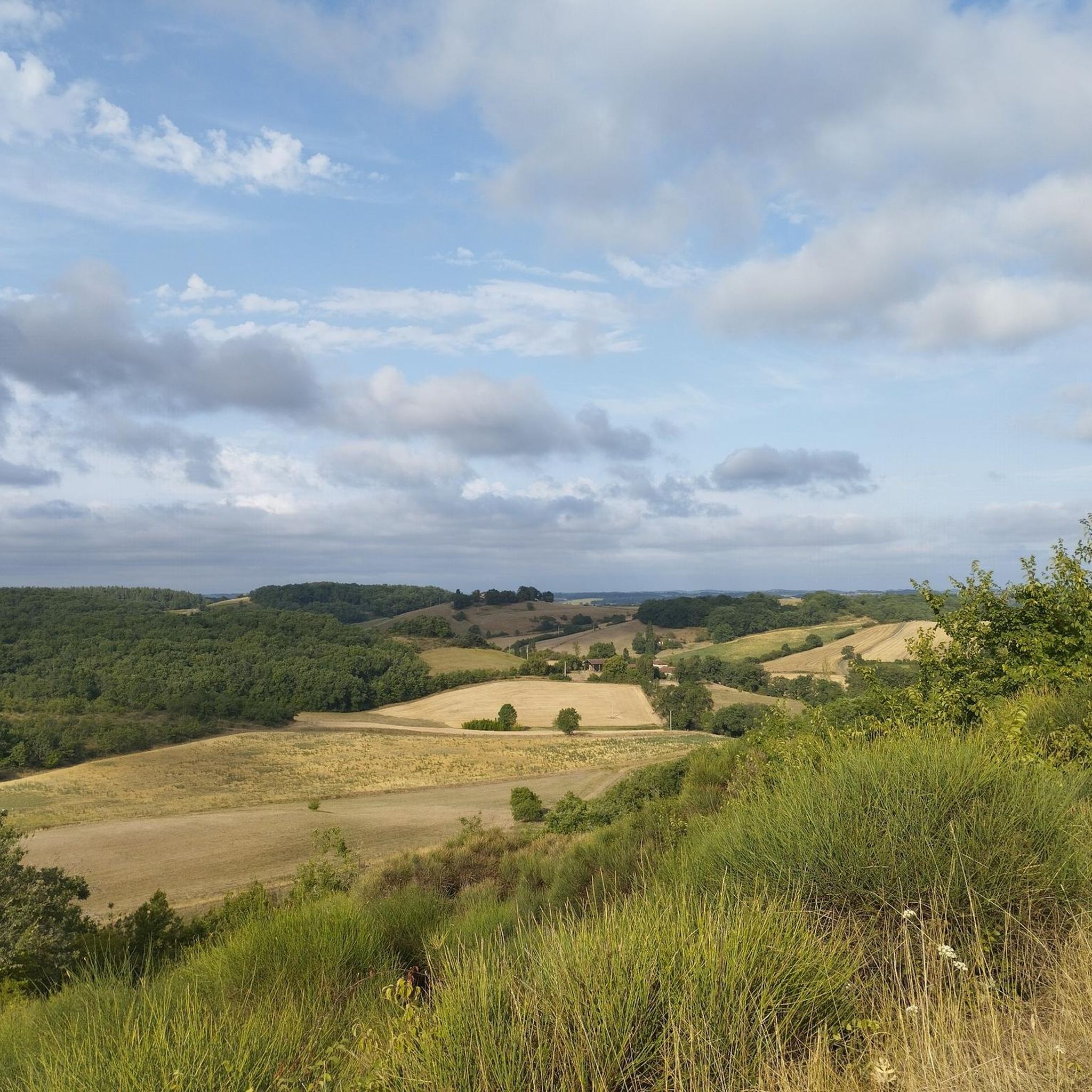
This rather unusual topographical feature must have been the seat of some sort of defensive building. Today, only two crosses remain and the breathtaking view that can be had at the top.
2
0
This artificial lake, whose dam was built in 1976, is a stopover for migratory birds. It is part of the Natura 200 network and a wide variety of migratory birds can be observed here, for example the booted eagle, the red kite, the gray heron and the egrets. A 3 km fitness trail is available.
2
0
This rather unusual topographic feature must have been the seat of a kind of defensive building. Today, only two crosses remain and the stunning views that can be found at the top.
4
0
This artificial lake, whose dam was built in 1976, is a stopover for migratory birds. It is part of the Natura 200 network and a wide range of migratory birds can be observed here, for example the booted eagle, red kite, gray heron and egrets. A 3 km fitness trail is available.
2
1

A 3 km path takes you in the footsteps of a Gers lawyer, Sansan, who in 1834 discovered a paleontological site which revolutionized scientific theories. Oddity: the site belongs to the National Museum of Natural History in Paris. More info: https://www.paleosite-sansan.com/
1
0
The Moncassin village is built on a ridge overlooking the Petite-Baïse. Le Castéra, located on a limestone promontory dominating the valley, is one of the most remarkable castle mounds in Gascony.
1
0
Frequently Asked Questions
What natural features can I explore around Labarthe-sur-Lèze?
The region is rich in natural beauty, with the Lèze River meandering through green landscapes. You can enjoy several public gardens like Jardin Annie Bérail and Parc de la Lèze, or take leisurely walks along promenades such as Promenade de l'Ayguière. The Lac de l'Astarac, an artificial lake and Natura 200 network site, is a stopover for migratory birds and offers a 3 km fitness trail.
Are there hiking or cycling trails suitable for outdoor activities?
Yes, the area around Labarthe-sur-Lèze is well-suited for outdoor enthusiasts. You'll find numerous trails for hiking and cycling. For specific routes, you can explore options like the "Boucle Petit single le long de l'Ariège – Cascade du Ramier" or find more trails in the Cycling around Labarthe or MTB Trails around Labarthe guides.
What historical or cultural sites can I visit around Labarthe?
Beyond its natural charm, Labarthe-sur-Lèze offers historical insights. The Moulin de Durban, rebuilt in 2018, is one of the few windmills in the region still making flour. The Sansan paleosite is a significant paleontological discovery site. Additionally, the UNESCO World Heritage site of the Canal du Midi is about 18 km away, featuring impressive civil engineering like locks and aqueducts.
Are there any notable viewpoints in the region?
Yes, you can find several viewpoints offering scenic vistas. The Viewpoint and Motte Castrale of Moncassin provides stunning views from its summit. Further afield, the Panorama du Calvaire near Cintegabelle offers a superb panorama of the Pyrénées mountains from an orientation table, and the Table d'orientation de Clermont-le-Fort also provides detailed views of southern Haute-Garonne and the Pyrénées.
Can I find family-friendly activities or easy walks?
Absolutely. Many of the natural spaces are suitable for families. The Lac de l'Astarac has a 3 km fitness trail that's great for an easy walk. Public gardens like Jardin Annie Bérail and Parc de la Lèze are designed for strolling and relaxation. The Chapel of Theux and the Three-Hundred-Year-Old Oak is also a family-friendly spot.
What is the Sansan paleosite and what can I do there?
The Sansan paleosite is a historically significant paleontological site where a Gers lawyer made revolutionary discoveries in 1834. A 3 km path allows you to walk in the footsteps of these discoveries. The site is owned by the National Museum of Natural History in Paris.
Is there a unique historical site with natural elements to visit?
Yes, consider visiting The Chapel of Theux and the Three-Hundred-Year-Old Oak. This site features a charming chapel alongside a majestic ancient oak tree, both standing proudly for decades with views towards the Pyrénées.
Are there any places for swimming near Labarthe-sur-Lèze?
While Labarthe-sur-Lèze itself is focused on river landscapes, for those looking to cool off, there are 11 swimming lakes in the vicinity within the Haute-Garonne department. You would need to check local listings for specific lake locations and facilities.
What is the best time of year to visit Labarthe-sur-Lèze for outdoor activities?
The region is enjoyable throughout much of the year. Spring and autumn offer pleasant temperatures ideal for hiking and cycling. Summer can be warm, but the numerous green spaces and public gardens provide shade, and nearby swimming lakes offer opportunities to cool down. Winter is generally milder, allowing for walks, though some outdoor activities might be less comfortable.
Are dog-friendly trails available in the Labarthe area?
Many of the natural walking paths and promenades around Labarthe-sur-Lèze are generally dog-friendly, especially those along the Lèze River and in the various parks. It's always advisable to keep dogs on a leash and respect local signage regarding pet access in specific areas or nature reserves.
What is the Regional Natural Reserve Confluence Garonne/Ariège?
Close to Labarthe-sur-Lèze, this significant natural reserve is recognized for its ecological importance. Spanning approximately 22 hectares of land and 4 hectares of water, it includes part of the ancient bed of the Lèze river, making it a key area for biodiversity and nature observation.
What kind of local heritage does Labarthe-sur-Lèze have?
The name "Labarthe" itself originates from an Occitan word meaning "small wood" or "thicket," reflecting the area's historical dense forestation. The town's heritage also includes the construction of a new church in 1897 and the development of public schools in the late 19th century, showcasing its evolution over time.

Get inspired with the komoot mobile app


Explore more
Still not found the Highlight you’re looking for? See guides of the top attractions in other regions:
