Attractions and Places To See around Watten - Top 20
Attractions and places to see around Watten, located in the Nord department of France, offers a mix of historical landmarks and natural landscapes. The town is characterized by its position near the Audomarois marshes and features significant historical sites. Visitors can explore a blend of cultural points of interest and scenic natural areas, including viewpoints and nature reserves.
Best attractions and places to see around Watten
- The most popular attractions is Watten Hill, a summit that offers a panoramic…
Last updated: October 5, 2026
Romelaëre Ponds Nature Reserve
Highlight • Other
Translated by Google •
Tip by

Watten Hill
Highlight • Summit
Translated by Google •
Tip by
Sign up now to discover places like this
Get recommendations on the best single tracks, peaks, & plenty of other exciting outdoor places.
Saint-Omer station
Highlight • Monument
Translated by Google •
Tip by
Ruin of St Martin's church
Highlight • Other
Translated by Google •
Tip by
Clairmarais Church
Highlight • Other
Translated by Google •
Tip by
Sign up for free to discover even more attractions around Watten.
Already have an account?
Start today with a free account
Your next adventure awaits.
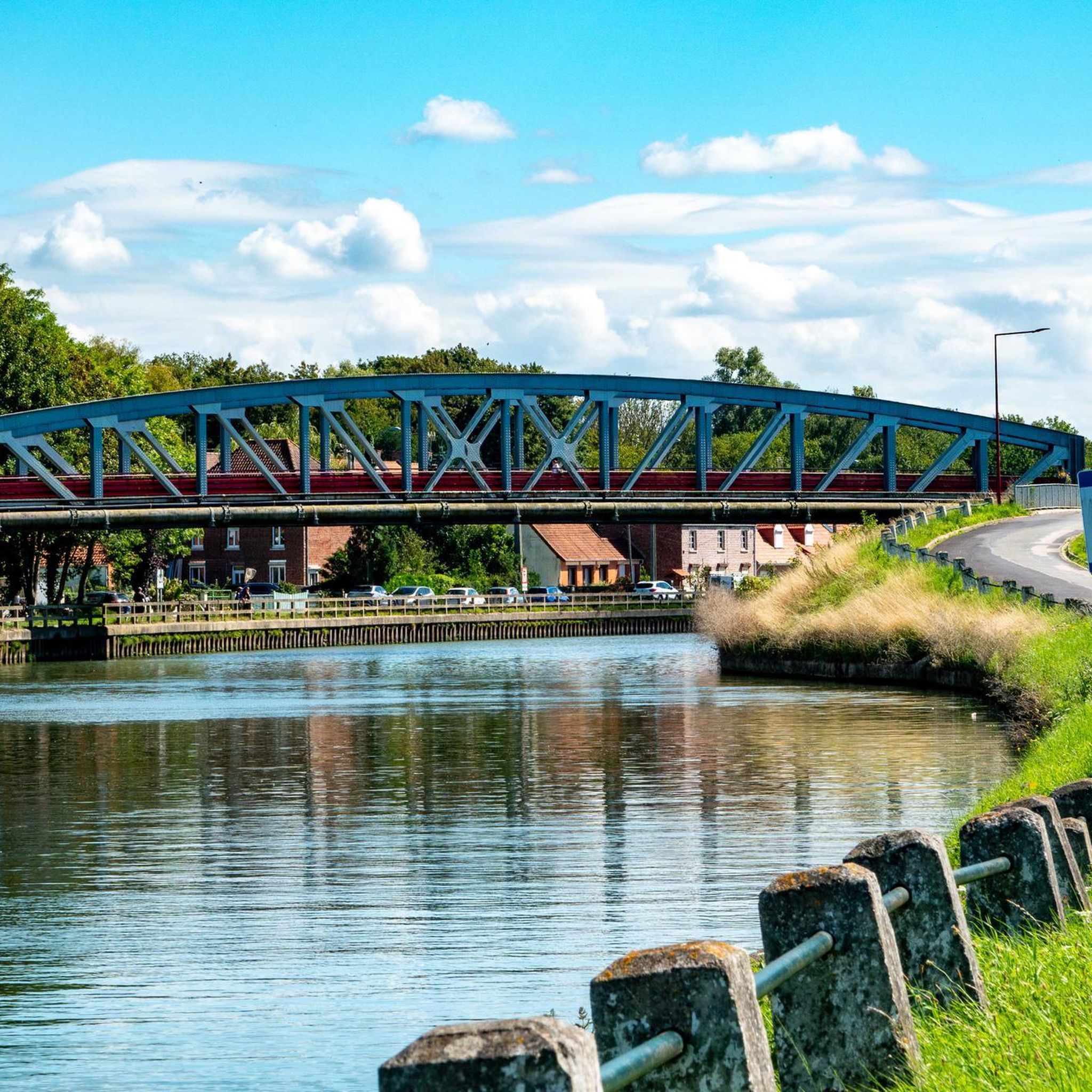
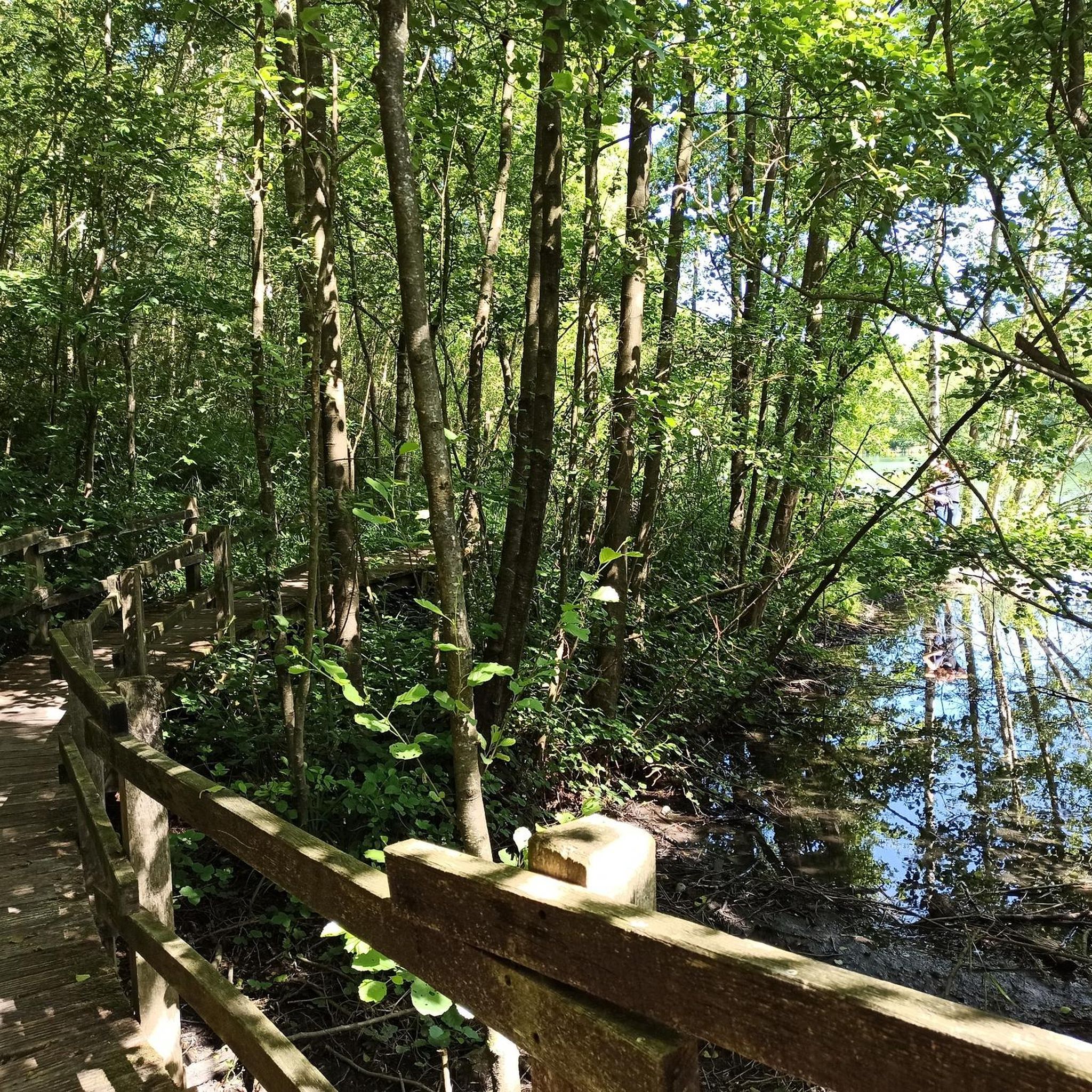
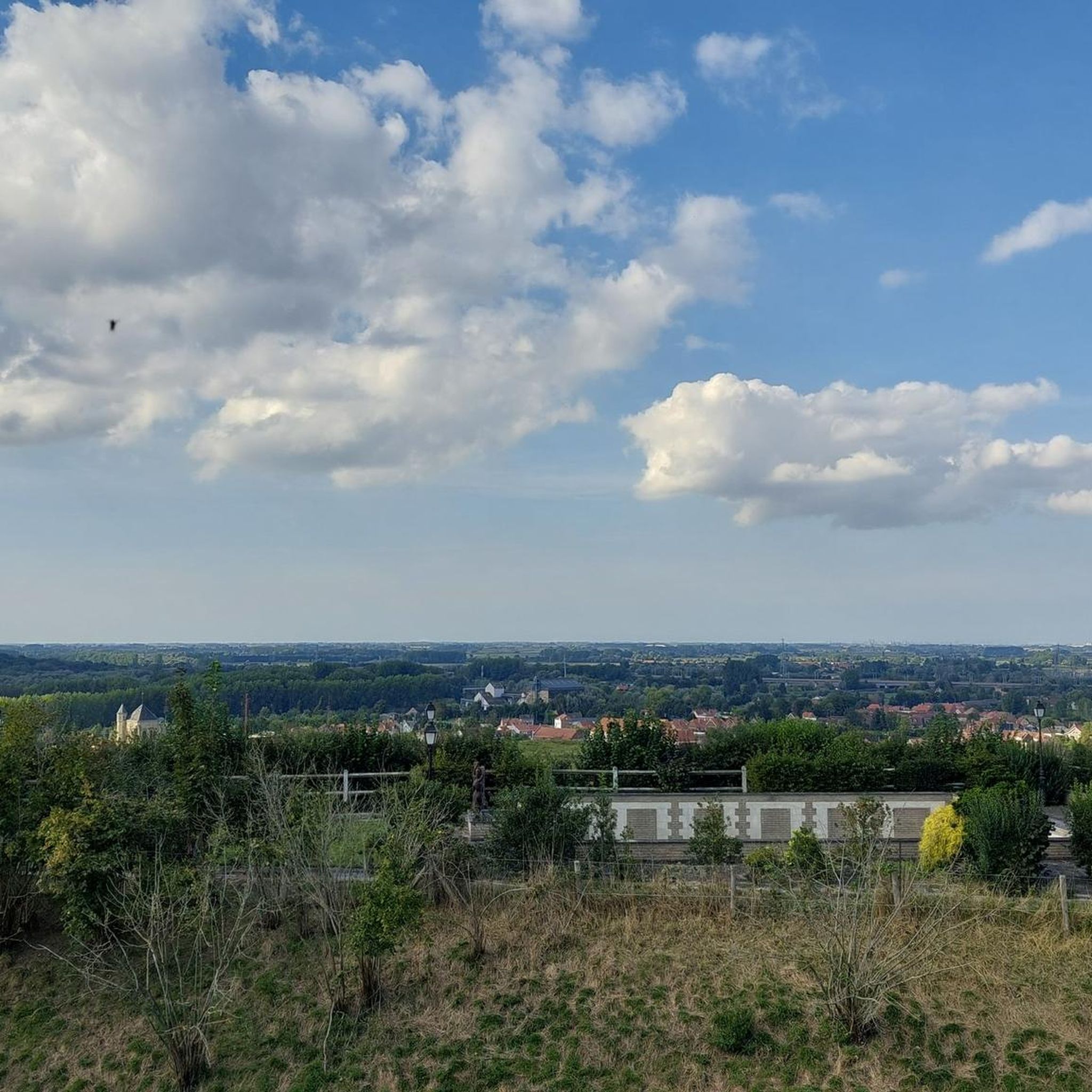
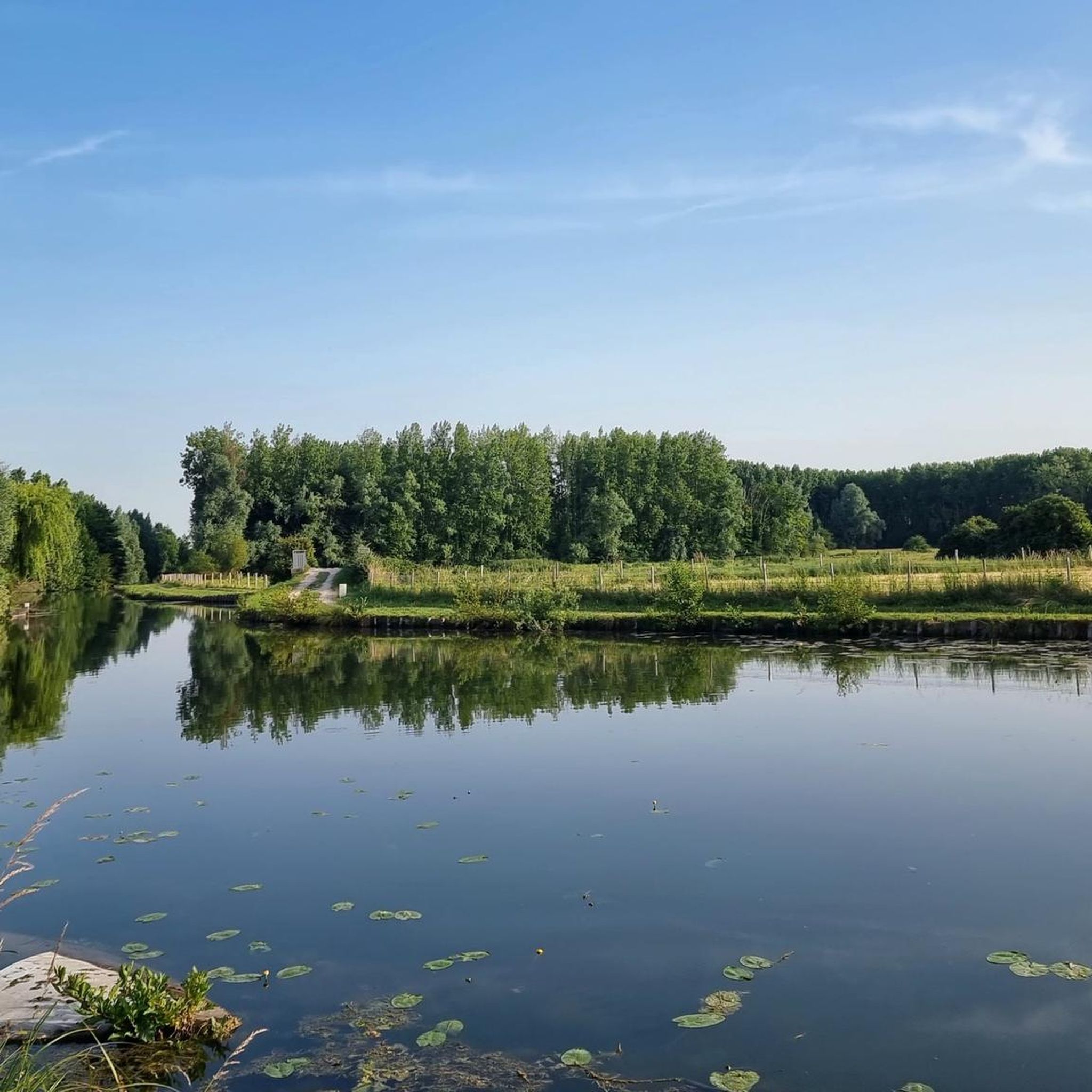


Tips from the Community


After being closed for several years, the Saint-Omer train station has been given a facelift. The new, completely renovated building is dedicated to travelers, of course, but also to artists, craftspeople, entrepreneurs… La Station isn't just a station; it's "a space for innovation with a station inside." (c) https://nl.tourisme-saintomer.com/verwonderend/erfgoed-wonderen/meesterwerken-bewonderen/het-station-een-station-en-een-plaats-voor-innovatie/
0
0

starting point for quite a few hikes
0
0

nature reserve where you can take a short circular walk (1 hour) and go to the observatory
0
0
here is an information board with all tourist information
0
0

The church of Clairmarais was built in 1873, near the ruins of the former Cistercian abbey that gave the village its name. It replaced the abbey church that was destroyed during the French Revolution. The church is dedicated to Saint Bernard of Clairvaux, the spiritual father of the abbey. Today it is a landmark in the village and a silent witness to the religious heritage of this region. Note the coloured memorial to the dead next to the church.
5
0

Imposing church in the town.
3
0
Frequently Asked Questions
What historical landmarks can I explore in Watten and the surrounding area?
Watten offers a rich history with several notable landmarks. You can visit the historic Mill of the Mountain, dating back to 1731, and the Tower of the Abbey of Our Lady of Mount, which are both part of the Watten Hill site. The town also features the Church of Saint-Gilles, with origins from 1236, and 17th-century earthen ramparts. Nearby, you can explore the impressive Saint-Omer Cathedral, known for its historical artifacts and architecture, and the Ruin of St Martin's church, a former Benedictine monastery in Saint-Omer.
Are there natural areas or viewpoints to enjoy near Watten?
Yes, Watten is surrounded by natural beauty. The Watten Hill provides a panoramic viewpoint overlooking the Audomarois marshes and the Flemish lands. You can also visit the Romelaëre Ponds Nature Reserve, a 108-hectare area with ponds, canals, and diverse flora and fauna. The Blue Lake (Site naturel du Lac Bleu) is another picturesque setting for relaxation.
What kind of outdoor activities can I do around Watten?
The region around Watten is excellent for outdoor enthusiasts. You can explore various cycling routes, including mountain biking, road cycling, and touring bicycle options. For example, there are routes like the 'Lansberghe Path – Boat Lift of Fontinettes loop' for MTB, or 'Cassel – Mont de Watten loop' for road cycling. You can find more details on these activities in the dedicated guides for MTB Trails around Watten, Road Cycling Routes around Watten, and Cycling around Watten.
Are there hiking trails available near Watten's attractions?
Yes, there are several trails. The Trail of the Mountain Watten connects the fortified site, the mill, and the abbey tower at the summit of Mount Watten, offering scenic views. The long-distance walking route GR 128 also passes through Watten, appealing to hikers. For specific routes, consider exploring the cycling guides mentioned above, as many paths are suitable for walking or can be adapted for hiking.
What is the <a href="https://www.komoot.com/highlight/906519" target="_blank" rel="noopener">Romelaëre Ponds Nature Reserve</a> like?
The Romelaëre Ponds Nature Reserve is a beautiful natural place covering approximately 108 hectares. It features a landscape of ponds, canals, and bridges, remnants of 19th-century peat cutting. It's known for its rich diversity of flora and fauna, and there's an observatory for wildlife viewing. Visitors can also experience crossing a stream via a chain ferry.
What can I see at <a href="https://www.komoot.com/highlight/3943701" target="_blank" rel="noopener">Saint-Omer Cathedral</a>?
Saint-Omer Cathedral is a magnificent religious building. Inside, you'll find the tomb of St. Audomarus, a mausoleum by Jacques Dubroeucq, 15th-century tombstones, and a 'Descent from the Cross' painting by Rubens. Other highlights include a 13th-century statue of Notre-Dame des Miracles, an astronomical clock from 1558, and the impressive statue group 'Grand Dieu de Thérouanne'.
Is <a href="https://www.komoot.com/highlight/6456829" target="_blank" rel="noopener">Saint-Omer station</a> worth visiting?
The Saint-Omer station is a historically significant building with neoclassical architecture, dating back to 1904. It has been recently renovated and is not just a transport hub but also a space for innovation, artists, and craftspeople. It is also wheelchair accessible.
What is the significance of the Abbey of Our Lady of Mount on <a href="https://www.komoot.com/highlight/2140793" target="_blank" rel="noopener">Watten Hill</a>?
The Tower of the Abbey of Our Lady of Mount, located on Watten Hill, represents the remains of an abbey founded in 1072. It was the first monastery of regular canons in Flanders and served as the burial place of Thierry d'Alsace, Count of Flanders. The tower and its surrounding walls are classified as historic monuments.
Are there any specific tips for visiting the <a href="https://www.komoot.com/highlight/906519" target="_blank" rel="noopener">Romelaëre Ponds Nature Reserve</a>?
When visiting the Romelaëre Ponds Nature Reserve, be aware that dogs are generally not allowed to protect the delicate ecosystem. There is a great observatory at the end of the walk for birdwatching and enjoying the scenery. You might also pass by fields of cauliflower and use an oak trough to cross a swamp, adding to the unique experience.
What is the 'Journey of Discovery in the History of Watten'?
The 'Journey of Discovery in the History of Watten' is an immersive experience designed to delve into the town's rich past. It allows visitors to learn about Watten's historical significance, from its ancient abbey ruins to its 17th-century ramparts and historic mill.
What are the Audomarois Marshes, and how can I experience them near Watten?
The Audomarois Marshes are a unique natural environment located near Watten. This vast wetland area is characterized by its network of canals and waterways. You can experience them by visiting the Romelaëre Ponds Nature Reserve, which is part of these marshes, or by enjoying the panoramic views from Watten Hill, which overlooks them.
Most popular attractions around Watten

Get inspired with the komoot mobile app


Explore more
Still not found the Highlight you’re looking for? See guides of the top attractions in other regions:
