Attractions and Places To See around Balignac - Top 7
Best attractions and places to see around Balignac include a selection of historical and religious sites within this small rural commune. Located in the Tarn-et-Garonne department of the Occitanie region, Balignac is characterized by its tranquil, agricultural setting in the Lomagne area. Visitors can experience the quiet pace of French rural life and explore the natural surroundings.
Best attractions and places to see around Balignac
- The most popular attraction is Saint-Antoine Chapel of Saint-Antoine, a religious building where the…
Last updated: June 29, 2026
Saint-Saturnin Church
Highlight • Other
In …
Translated by Google •
Tip by

Saint-Antoine Chapel of Saint-Antoine
Highlight • Religious Site
The Antonites used to work here, caring for pilgrims and the sick. The order of the Antonites …
Translated by Google •
Tip by
Sign up now to discover places like this
Get recommendations on the best single tracks, peaks, & plenty of other exciting outdoor places.
Sign up for free
Saint-Orens and Saint-Louis Church
Highlight • Other
Translated by Google •
Tip by

Flamarens Castle
Highlight • Other
Translated by Google •
Tip by

Plieux Village
Highlight • Settlement
Translated by Google •
Tip by
Sign up for free to discover even more attractions around Balignac.
Sign up for free
Already have an account?
Start today with a free account
Your next adventure awaits.
Login or Signup



Tips from the Community

Coming from Mossiac, the town of Saint-Antoine is the 18th stage of the Camino de Santiago (Chemin de Saint-Jaques) if you follow the VIA PODIENSIS (from Le Puy-en-Velay to the Pyrenees).
2
1
On the Via Podiensis, pilgrims pass through many towns and can visit many churches. On the 19th stage (counting according to "Rother"), which leads from Saint-Antoine to Lectoure, this church is passed.
1
1

Saint-Antoine is a commune in the Gers department of France and has 174 inhabitants. The place is part of the district of Condom.
3
0
The small village of Flamarens is located in the department of Gers, in the Midi-Pyrénées region. The inhabitants are called the Flamalingois and the Flamalingoises. Surrounded by the municipalities of Miradoux, Saint-Antoine and Peyrecave, Flamarens is located 25 km southeast of Agen. The Métau and Montret streams on the one hand, tributaries of the Auroue and the Pourchet, Mouron and Teulère streams, tributaries of the Arratz on the other, are the main rivers that cross the city.
4
0
The surface of Flamarens is 14.5 km², so the population density is 8.2 inhabitants per km².
3
0
Flamarens is a commune in the French department Gers (region Occitanie) and has 119 inhabitants (2009). The place is part of the district of Condom
3
0
The church has been classified as an object of historical monuments since 1978
3
0
The church dates from the 16th and 19th centuries and was built on the site of the fortified castle, probably destroyed in the 14th century and its materials. All that remains of the military building is the keep with its spiral staircase and embrasures, which has been transformed into a bell tower, unfinished.
4
0
Frequently Asked Questions
What kind of historical attractions can I find near Balignac?
The area around Balignac offers several historical and religious sites. You can visit the Saint-Antoine Chapel of Saint-Antoine, known for its Antonite history and relics. Another significant site is the Saint-Orens and Saint-Louis Church, which dates from the 16th and 19th centuries and was built on the site of a fortified castle. Additionally, the 13th-century Flamarens Castle, typical of Gascon architecture, is open for visits and even serves as a pilgrim lodging.
Are there opportunities for outdoor activities like hiking or cycling around Balignac?
Yes, the tranquil, agricultural setting of Balignac and the broader Lomagne area is ideal for outdoor activities. You can find various routes for both hiking and cycling. For hiking, options range from moderate to difficult, such as the "Landscapes of the Gers – Saint-Saturnin Church loop from Saint-Antoine" or the "Château d'Avezan loop from Gaudonville." Cycling enthusiasts can explore routes like the "Château de Gramont loop from Lavit" or the "Flamarens Castle loop from Flamarens." You can find more details on these routes in the Hiking around Balignac and Cycling around Balignac guides.
What is the natural landscape like around Balignac?
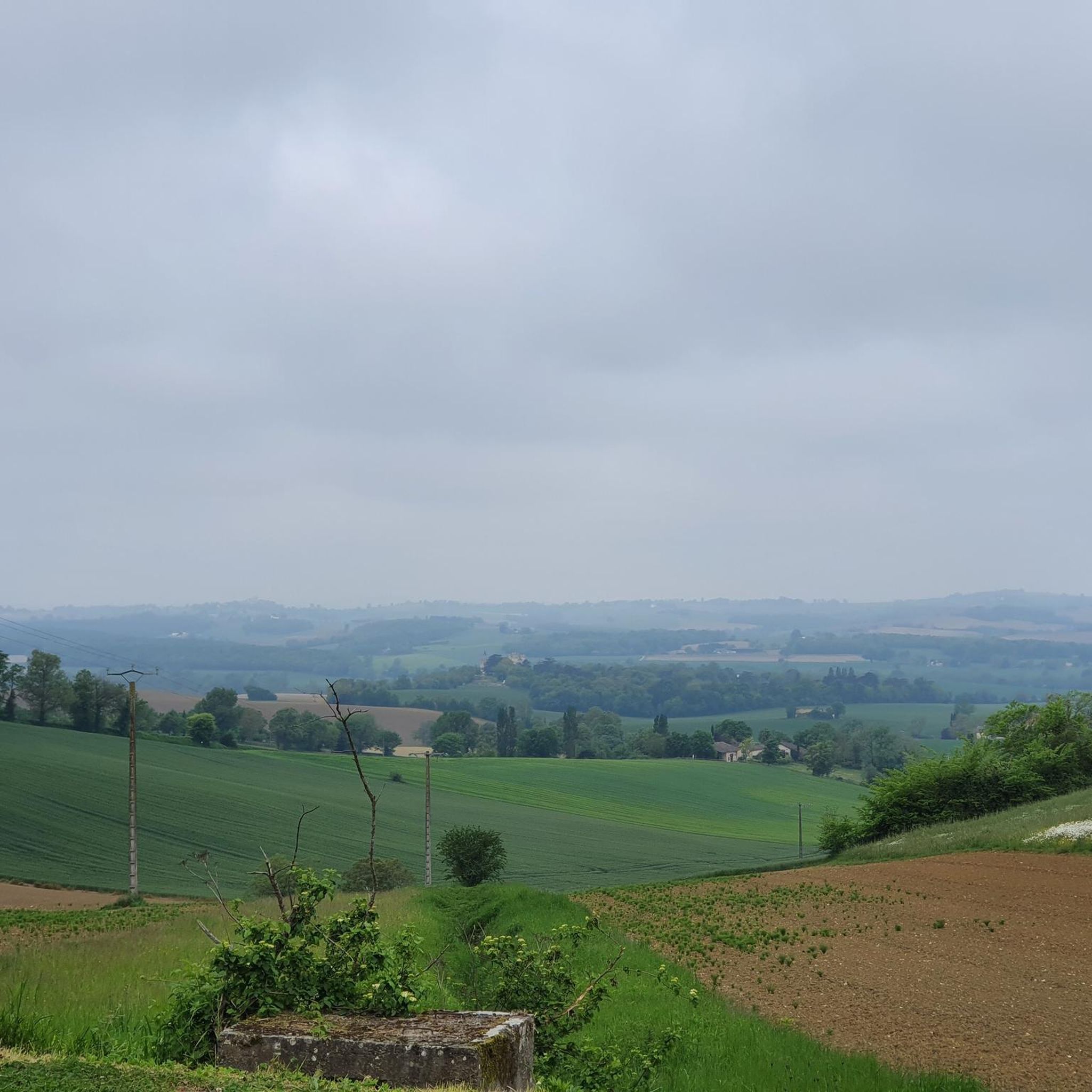
Balignac is situated in a picturesque agricultural landscape within the Lomagne area, often referred to as the "French Tuscany." The region is characterized by serene rural charm, polyculture, and poly-livestock farming. Small waterways like the Cameson and Paradis streams drain the commune, offering pleasant scenery for walks and enjoying the countryside.
Are there any family-friendly attractions or activities in the area?
While Balignac itself is a small rural commune, the nearby Plieux Village is noted as a family-friendly highlight. It features an imposing 14th-century castle that has been transformed into a center for contemporary art exhibitions and cultural encounters, which can be an engaging experience for families.
What is the best time of year to visit Balignac and its surroundings?
The region's agricultural landscape and outdoor activities are best enjoyed during the milder seasons. Spring and early autumn typically offer pleasant weather for hiking and cycling, with comfortable temperatures and beautiful scenery. Summer can also be lovely, though it might be warmer, especially for strenuous activities.
Can I find places to eat or drink near the attractions?
As Balignac is a very small rural commune, dedicated cafes or pubs directly adjacent to each attraction might be limited. However, exploring the broader Lomagne region and nearby larger villages will offer more options for dining and refreshments. It's advisable to plan ahead or carry provisions, especially when venturing into more remote areas for outdoor activities.
What are the options for parking at the attractions?
For attractions like churches and castles in rural areas, parking is generally available nearby, often in small village squares or designated areas. For example, Flamarens Castle, being a significant site, would likely have visitor parking. When embarking on hiking or cycling routes, trailheads often have informal parking spots. Specific parking details for each highlight are best checked locally upon arrival.
Is Balignac accessible by public transport?
Due to its small size and rural nature, Balignac does not have extensive public transport links. Access is primarily by car, which offers the most flexibility for exploring the various attractions and the surrounding countryside. Visitors relying on public transport would likely need to reach a larger nearby town and then arrange for local transport or a taxi.
Are there any dog-friendly walking routes near Balignac?
The rural environment around Balignac and the Lomagne area generally offers many opportunities for dog-friendly walks. Most hiking and walking routes through the countryside, fields, and small villages are suitable for dogs, provided they are kept under control, especially near livestock or in populated areas. Always ensure to follow local regulations regarding leashes and waste disposal.
What makes Balignac unique or a "hidden gem"?
Balignac's uniqueness lies in its authentic, tranquil rural French life. It's a place to experience the quiet pace of a small village within a picturesque agricultural setting, away from typical tourist crowds. Its charm comes from its serene natural surroundings and the opportunity to discover local heritage sites like the Saint-Antoine Chapel and Flamarens Castle, offering a glimpse into the region's history and architecture.
What kind of cycling routes are available near Balignac?
The area around Balignac offers a variety of cycling routes for different skill levels. Road cyclists can find routes like the "Roadbike loop from Lavit" (easy, 40 km) or the more challenging "Village of Larrazet – Faudoas loop from Lavit" (difficult, 86 km). For touring cyclists, there are routes such as the "Château de Gramont loop from Lavit" (difficult, 58 km) or shorter, moderate loops like the "Plieux Village – Château de Gramont loop from Marsac" (27 km). More details are available in the Road Cycling Routes around Balignac and Cycling around Balignac guides.
Are there any easy hiking trails suitable for beginners?
Yes, while some routes are more challenging, you can find easier hiking options. For instance, the "Château de Gramont loop from Gramont" is an easy 4.6 km hike. These shorter, less strenuous trails are perfect for beginners or those looking for a relaxed stroll through the countryside. You can explore more options in the Hiking around Balignac guide.
What do visitors appreciate most about the attractions around Balignac?
Visitors particularly appreciate the historical depth and architectural beauty of sites like the Saint-Antoine Chapel and Flamarens Castle. The castle, in particular, is noted for its major renovation work and its unique atmosphere as a pilgrim lodging. The overall experience of immersing oneself in the quiet, authentic pace of life in a small French village, surrounded by picturesque agricultural landscapes, is also highly valued.

Get inspired with the komoot mobile app


Explore more
Still not found the Highlight you’re looking for? See guides of the top attractions in other regions:
