Attractions and Places To See around Bignoux - Top 20
Best attractions and places to see around Bignoux include a blend of historical sites and natural beauty within this commune in the Vienne department of Nouvelle-Aquitaine, France. Approximately 50% of its territory is covered by woodlands, including a significant portion of the Forêt de Moulière. The area is also in close proximity to major attractions in neighboring towns like Poitiers and Futuroscope. This region offers a variety of cultural and natural points of interest for visitors.
Best attractions and places…
Last updated: August 26, 2026
Château de Dissay
Highlight • Castle
The Château de …
Translated by Google •
Tip by

View of the Abbaye Saint-Junien de Nouaillé-Maupertuis
Highlight • Religious Site
Translated by Google •
Tip by

Sign up now to discover places like this
Get recommendations on the best single tracks, peaks, & plenty of other exciting outdoor places.
Sign up for free
Tison Islet
Highlight • Other
Translated by Google •
Tip by

The Child's Tomb
Highlight • Monument
Translated by Google •
Tip by
Blossac Park
Highlight • Other
Points of Interest:
Landscaping:
Translated by Google •
Tip by
Sign up for free to discover even more attractions around Bignoux.
Sign up for free
Already have an account?
Start today with a free account
Your next adventure awaits.
Login or Signup


Tips from the Community

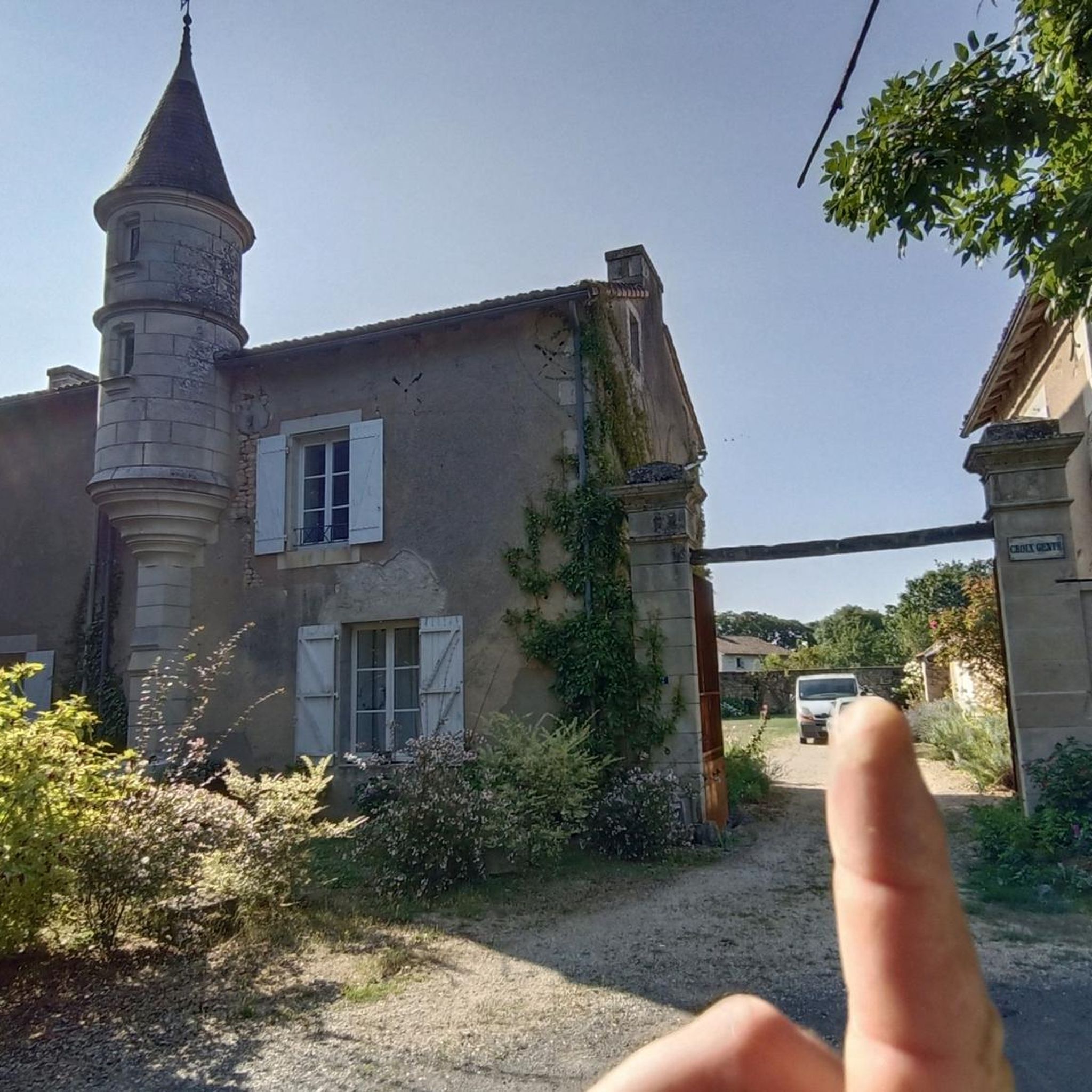
Luxury hotel and restaurant project. From the outside, the castle is interesting to see. It reminds me of the Château de Pierrefonds, in a miniature version. It is classified as a historic monument,
0
0

Still as beautiful!
0
0

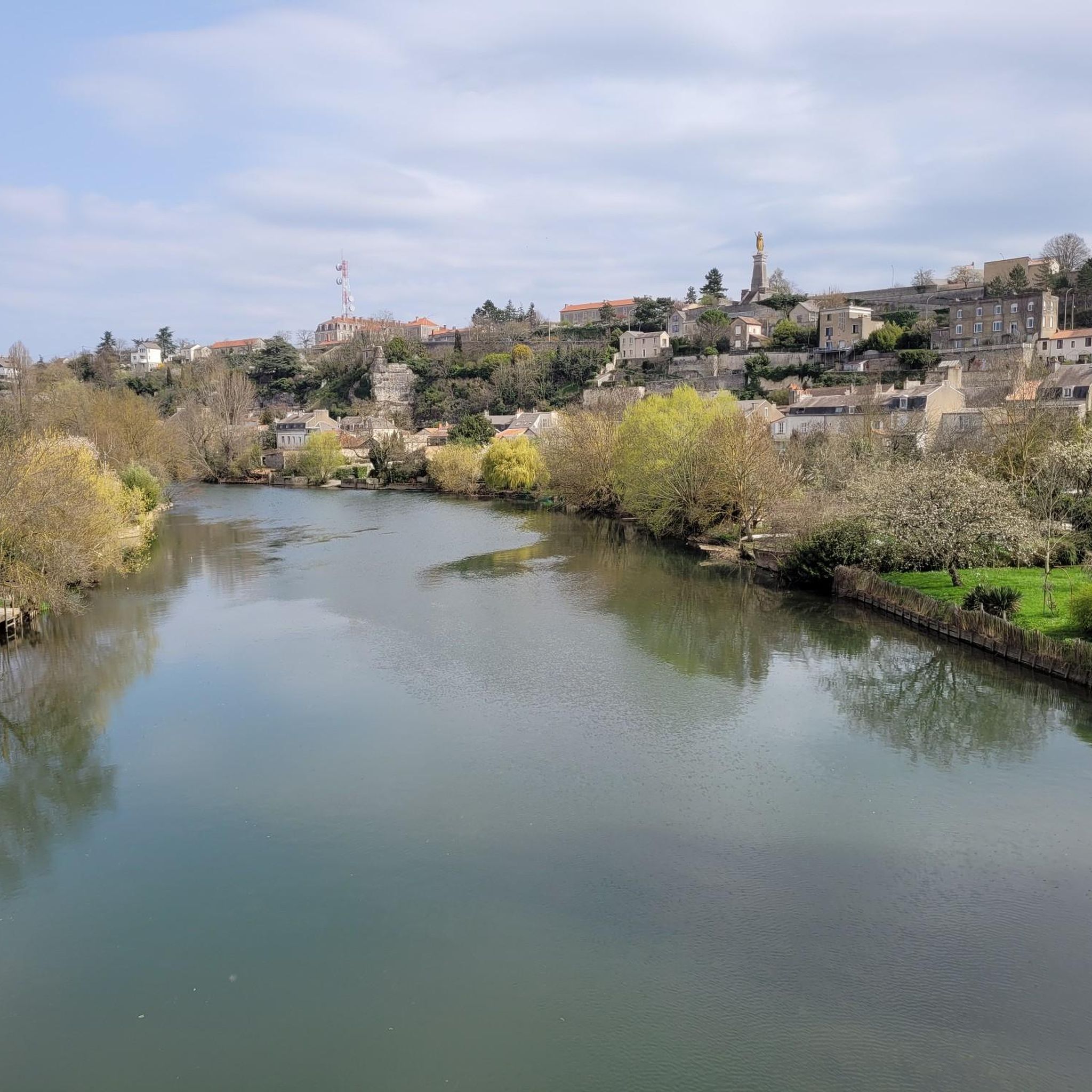
This medieval building, surrounded by walls and gardens, stands majestically in the heart of a charming village. From the surrounding paths, the view of the abbey reveals its slate roofs and stone walls. The setting is bucolic, with the river and the surrounding meadows.
1
0

Blossac Park is a major green space located in Poitiers, Nouvelle-Aquitaine. This park is appreciated for its careful design, its landscaped features, and its many outdoor activities. Points of Interest: Landscaping: French Gardens: The park is known for its French gardens, with symmetrical paths, well-maintained flowerbeds, and elegant fountains. These elements reflect careful planning and attention to detail. Pond and Fountains: A large pond decorated with water jets and statues, as well as fountains, add a touch of sophistication and freshness to the park. These elements contribute to a relaxing and aesthetic atmosphere. Why visit Blossac Park? Beautiful Natural Setting: The park offers an attractive natural setting with well-maintained gardens, fountains, and green spaces ideal for relaxing and enjoying nature. Diverse Activities: With its sports fields, playgrounds, and picnic areas, the park offers a range of activities for all ages and interests. Accessibility: Located in the heart of Poitiers, the park is easily accessible for residents and visitors to the city, offering a haven of peace in the center of the urban hustle and bustle. In summary, Parc de Blossac is a must-see place in Poitiers for those looking to enjoy a well-appointed green space, rich in activities, and perfect for moments of relaxation or family outings.
2
0
The Abbey of Saint-Junien de Nouaillé-Maupertuis is a remarkable historical site located approximately 10 kilometers southeast of Poitiers, in the Nouvelle-Aquitaine region. Founded in the 7th century, this abbey has played an important role in the religious and cultural life of the region over the centuries. Points of Interest: Ancient History: Founded by Saint-Junien, a Benedictine monk, the abbey was an influential religious center during the Middle Ages. It enjoyed a period of prosperity before declining over the following centuries. Architecture: Although the abbey has undergone modifications and destruction over time, it still preserves important vestiges of its past, including elements of the abbey church, chapels, and parts of the convent buildings. Visitors can admire the impressive ruins that testify to the scale and grandeur of the medieval abbey. Why visit the Abbey of Saint-Junien of Nouaillé-Maupertuis? Historical Richness: The visit allows you to delve into the religious and cultural history of the region, exploring the remains of an influential medieval abbey. Architecture and Ruins: The remains of the abbey offer a fascinating insight into medieval architecture, with elements still visible that tell of its glorious past. Natural Setting: Situated in a peaceful environment, the site is ideal for a leisurely stroll and immersion in the surrounding natural beauty. Cultural Heritage: As a historical monument, the abbey is a key element of the local heritage and deserves a visit to appreciate the rich history of the region. The Abbey of Saint-Junien of Nouaillé-Maupertuis is therefore a must-see place for those interested in medieval history, religious architecture, and the beauty of historical sites.
1
0
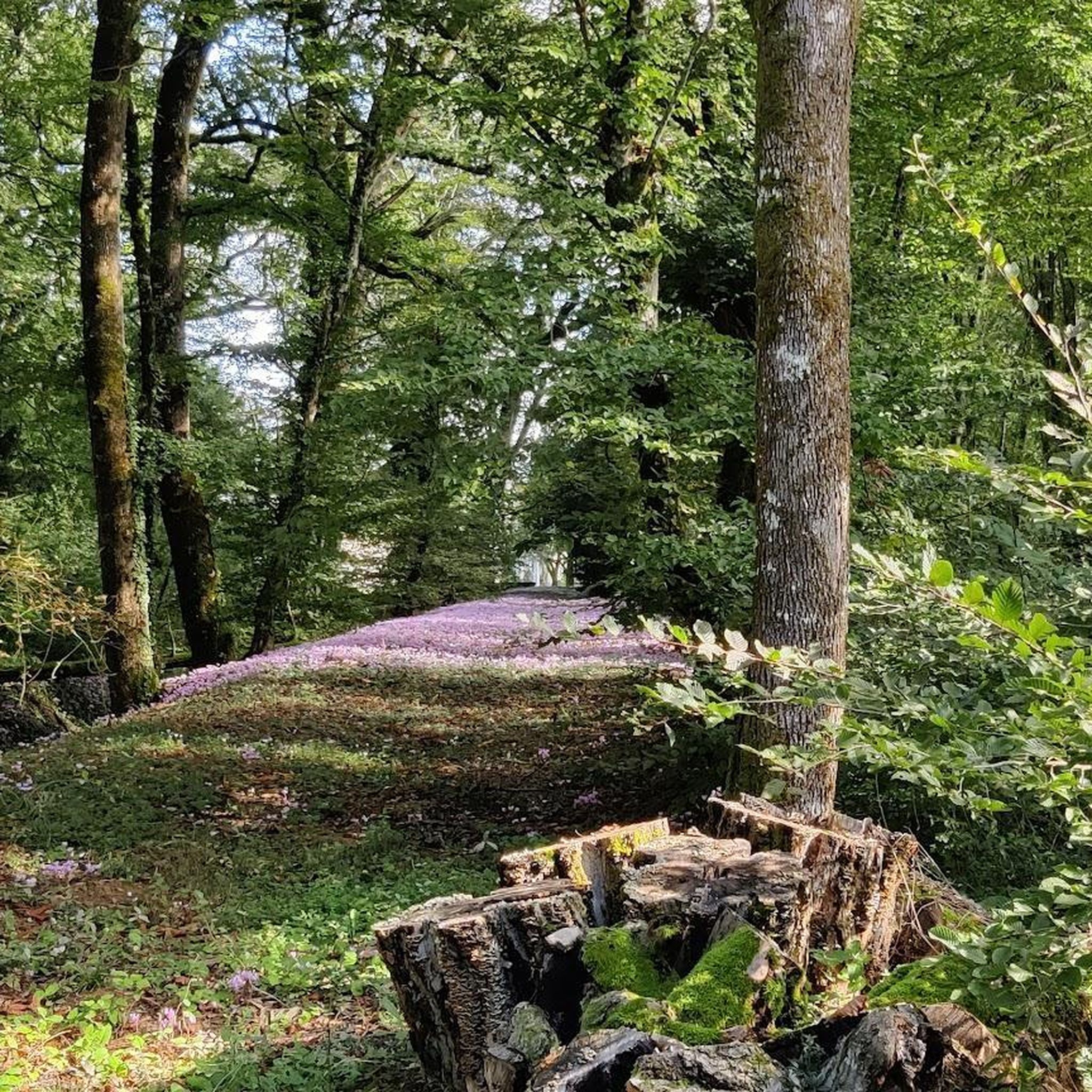
The "Tombe à l'Enfant" is a funerary monument located near Poitiers, known for its history and distinctive architecture. This tomb is an example of the rich history and culture of the region, although the specific details may vary depending on the source. Points of Interest: Architecture: The tomb is often characterized by distinctive architectural elements, sometimes evoking medieval or classical styles, with a structure that may include inscriptions, sculptures or symbolic ornaments. History: The name "Tombe à l'Enfant" suggests that it may be the mausoleum of a young child or a member of the noble family, which adds a poignant dimension to its history. These tombs are often linked to local stories and specific funerary traditions. Why visit the Tombe à l'Enfant? Historical Heritage: The visit allows you to discover an aspect of the local funerary heritage and appreciate the historical architecture. Peaceful Atmosphere: The tranquil setting and beauty of the site offer a moment of reflection and connection with the past. Local Culture: The tomb is a significant element of Poitiers' cultural heritage, enriching the understanding of local traditions. By visiting the Tombe à l'Enfant, you immerse yourself in an important part of Poitiers' history and culture, while enjoying a calm and contemplative environment.
1
0
Frequently Asked Questions
What historical sites can I visit in and around Bignoux?
Bignoux itself boasts several historical landmarks, including the 13th-century Manoir de la Grande Foye and the even older 11th-century Logis de Château-Fromage. You can also find the Château des Martins, Château de Lirec, and Maison noble de Champôt within the commune. Nearby, don't miss the impressive View of the Abbaye Saint-Junien de Nouaillé-Maupertuis, a medieval edifice surrounded by walls and gardens, or the Château de Dissay, a late 15th-century castle that once served as a residence for the bishops of Poitiers.
Are there natural areas or forests to explore near Bignoux?
Yes, Bignoux is notably green, with approximately 50% of its territory covered by woodlands. The Bois de Lirec is a natural heritage site within the commune. A significant portion of the extensive Forêt de Moulière, recognized as a Zone Naturelle d'Intérêt Écologique, Faunistique et Floristique (ZNIEFF), is also located here, offering ample opportunities for nature walks and exploration.
What are some family-friendly activities in the Bignoux area?
For a fun day out, the renowned Futuroscope theme park, known for its futuristic and multimedia attractions, is just about 10.4 km from Bignoux. Many of the historical sites like the Abbaye Saint-Junien de Nouaillé-Maupertuis and Château de Dissay are also considered family-friendly, offering educational and engaging experiences. Exploring the woodlands of Forêt de Moulière can also be a great family activity.
What outdoor activities can I do near Bignoux's attractions?
The area around Bignoux is excellent for outdoor activities. You can find numerous cycling and mountain biking routes. For mountain biking, consider routes like the 'Moulière Forest House – The Child's Tomb loop' or the 'Château du Bois Doucet – Château d'Harcourt loop'. For cycling, there are options such as the 'Moulière Forest House loop'. You can explore more routes on the MTB Trails around Bignoux and Cycling around Bignoux guide pages.
Are there good walking or running trails in the Bignoux region?
Yes, the Forêt de Moulière and the surrounding areas offer various walking and running trails. You can find routes suitable for different fitness levels, including easy walks and more challenging runs. For example, there's a 'Moulière Forest House loop' for running. Discover more options on the Running Trails around Bignoux guide page.
What are some notable attractions in nearby Poitiers?
Poitiers, located about 10 km from Bignoux, offers a rich array of historical and cultural sites. Key attractions include Blossac Park, the prominent Eglise Notre-Dame-la-Grande, and the Cathédrale Saint-Pierre. You can also visit early Christian monuments like the 4th-century Baptistère Saint-Jean and the 7th-century Hypogée des Dunes. Don't miss the Tison Islet, an urban green space on the banks of the Clain, or the The Dunes Panorama for a great view of the city.
What do visitors enjoy most about the attractions near Bignoux?
Visitors particularly appreciate the blend of historical richness and natural beauty. The majestic medieval architecture of sites like the Abbaye Saint-Junien de Nouaillé-Maupertuis, set in a green, bucolic environment, is highly praised. The historical significance of places like the Château de Dissay and the unique history of The Child's Tomb also captivate visitors. The area's extensive woodlands, such as the Forêt de Moulière, are cherished for their peaceful setting and outdoor activity opportunities.
Is there public transport available to reach attractions near Bignoux, such as Nouaillé-Maupertuis or Poitiers?
While Bignoux itself is a smaller commune, public transport options are available to connect to larger nearby towns and their attractions. Poitiers is well-connected and serves as a hub for regional transport. For specific routes and schedules to destinations like Nouaillé-Maupertuis or Poitiers, it is recommended to check local public transport services.
Are there any viewpoints or scenic spots in the Bignoux area?
Yes, the region offers several scenic spots. The View of the Abbaye Saint-Junien de Nouaillé-Maupertuis provides a picturesque vista of the abbey with its slate roofs and stone walls, surrounded by the river and meadows. In nearby Poitiers, The Dunes Panorama offers a breathtaking view of the city and its historic landmarks.
What is the best time of year to visit Bignoux and its surrounding attractions?
The region of Vienne, including Bignoux, is generally pleasant to visit from spring through early autumn (April to October). During these months, the weather is typically mild, making it ideal for exploring historical sites, enjoying outdoor activities in the Forêt de Moulière, and visiting theme parks like Futuroscope. Summer offers the warmest temperatures, perfect for longer days of exploration.
Are there any hidden gems or lesser-known historical sites in Bignoux?
Beyond the more prominent castles, Bignoux holds several historical sites that offer a glimpse into its past. These include Les Prés, linked to the Resistance, Le Pas de Saint Martin, a religious site, and La Mare de Jinchou. These locations provide a deeper connection to the local history and culture, away from the main tourist paths.
Can I find places to eat or stay in Bignoux or nearby?
While Bignoux is a smaller commune, you can find accommodation and dining options in the immediate vicinity and in nearby larger towns. The Château de Dissay, for example, now operates as a hotel with a spa and gourmet restaurant. Poitiers, being a larger city just 10 km away, offers a wide range of restaurants, cafes, and accommodation choices.

Get inspired with the komoot mobile app


Explore more
Still not found the Highlight you’re looking for? See guides of the top attractions in other regions:
