The best cycling routes around Brassac
4.1
(20)
79
riders
44
rides
Touring cycling around Brassac offers diverse landscapes within the Haut-Languedoc Regional Natural Park. The region is characterized by the Agout River valley, providing scenic routes along its banks. Cyclists can also explore the unique granite formations of Sidobre and the varied topography of the Monts de Lacaune and Plateau des Lacs, which include extensive forests and lakes. This combination of river valleys, geological features, and forested hills provides a range of terrain for touring cyclists.
Best touring cycling routes around…
Last updated: June 24, 2026
5.0
(2)
6
riders
53.3km
03:37
820m
820m
Cycle the difficult 33.1-mile Vallée de la Séoune loop, gaining 2687 feet in 3h 36m, passing castles and scenic viewpoints.
9.62km
00:41
140m
140m
Cycle an easy 6.0-mile (9.6 km) loop around the historic Abbaye de Saint-Maurin, enjoying village views and gentle 472 feet (144 metres) of

Sign up for free
4.0
(1)
11
riders
59.1km
03:52
740m
740m
Hard bike ride. Very good fitness required. Mostly paved surfaces. Suitable for all skill levels.
4.0
(2)
6
riders
40.6km
02:36
400m
400m
Moderate bike ride. Good fitness required. Mostly paved surfaces. Suitable for all skill levels.
4.0
(1)
5
riders
58.8km
03:42
520m
520m
Hard bike ride. Very good fitness required. Mostly paved surfaces. Suitable for all skill levels.
Get access to more routes and recommendations from other explorers.
Sign up for free
Already have an account?
Our route recommendations are based on thousands of hikes, rides, and runs completed by other people on komoot.
Start today with a free account
Your next adventure awaits.
Login or Signup
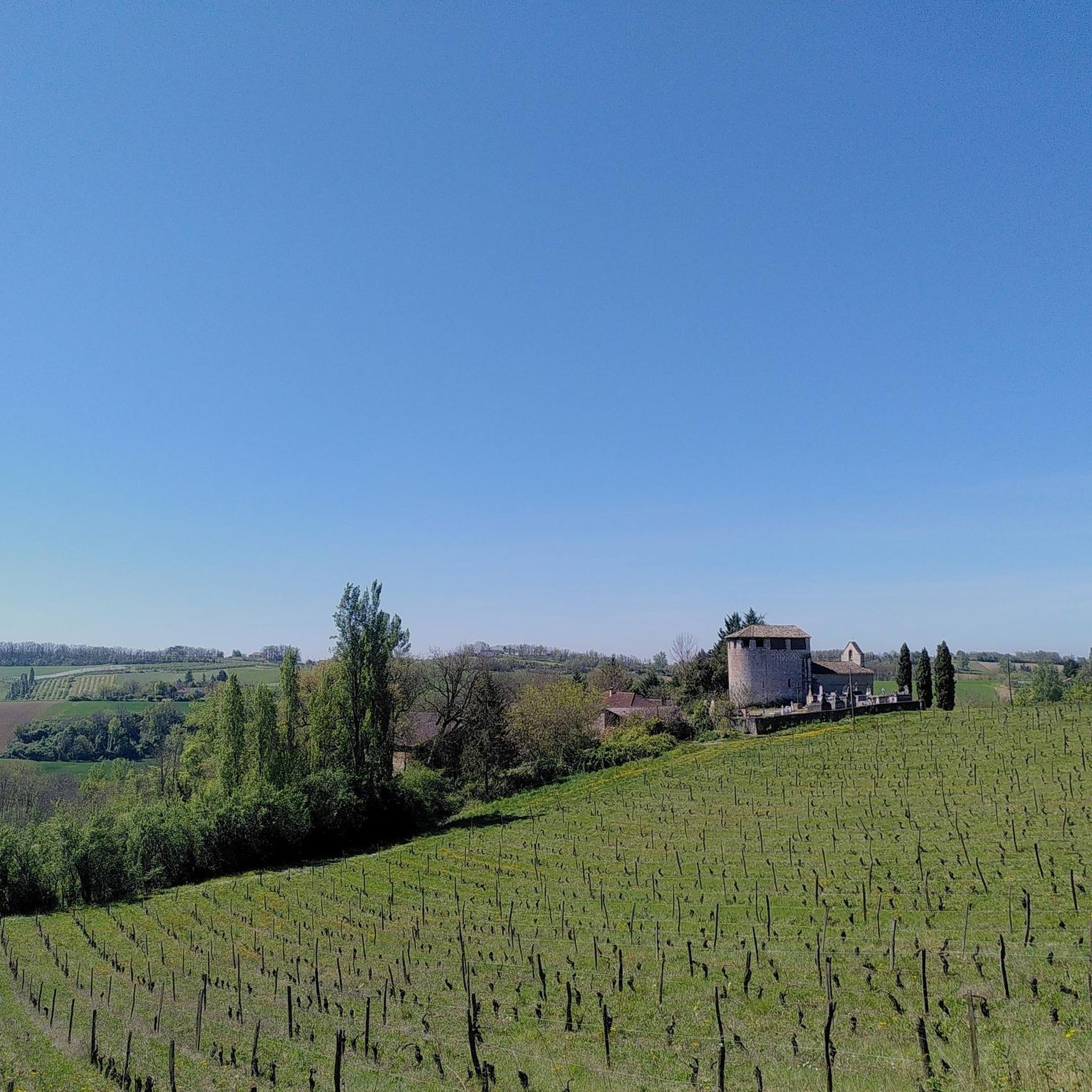

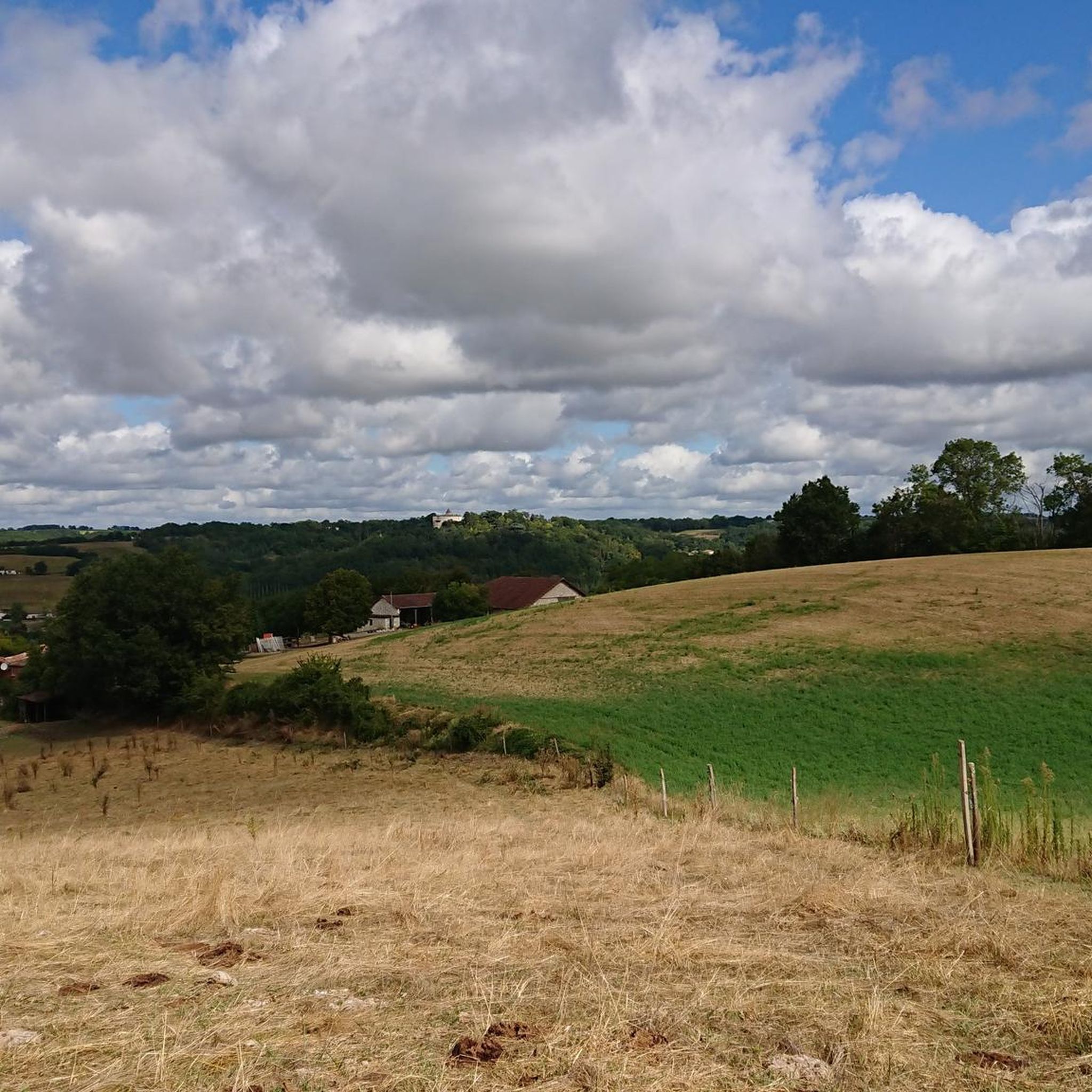
Tips from the Community


Perched on a rocky spur overlooking the Séoune Valley, Puymirol is a fortified town founded in 1246, making it the oldest in Lot-et-Garonne. Its narrow streets lined with white stone houses and its central square surrounded by arcades reflect its rich medieval past.
0
0

Saint-Maurin is located in the hollow of a green valley where the Escorneboeuf flows. To see: its half-timbered houses, its market hall, the remains of the Benedictine abbey from the 11th and 12th centuries and its abbey castle built in 1500.
0
0
The construction of Saint-Maurin Abbey dates from the end of the 11th century, following its affiliation with Moissac Abbey and the Benedictine order. This large monastic ensemble spread out to numerous surrounding churches and priories, as many possessions which showed its influence and importance within a radius of 20 kilometers. Ruined then restored several times during the Hundred Years' War and during the Wars of Religion, it was during the Revolution that the buildings were sold in batches. Today, you can still admire the choir of the old abbey church as well as two chapels, the cloister, the convent buildings, the abbey castle and its gardens.
0
0
Overlooking the valley from its promontory, the town of Beauville seems to be one with the rock. To see: the corner square, surrounded by stone and half-timbered houses, the Saint-Jacques church, dating from the 14th century (with its Renaissance door and the bell tower-porch). It is said that during the Hundred Years' War, Beauville, formerly called Boville (city of the Ox), triumphantly resisted the attacks of the English.
0
0
Old fortified castle, located on a rocky promontory, defending the village of Beauville. It is made up of thick surrounding walls, a protective half-moon. The foundations and bases date from the end of the 13th century. About half of the building dates from the 16th century (mullioned windows). The Renaissance architecture is present in the front door and the fireplaces. Finally, a wing of the building was rebuilt in the 19th century. From 1831 to 1976, the building served as a gendarmerie barracks. Private castle. Can only be seen from the outside. By the way, don't forget to enjoy the beautiful views outside from this high vantage point.
0
0
Combebonnet would have originally been the center of a rural exploitation. To defend it, its owner would have built a small fortress. The original castle had the shape of a right triangle whose east and west angles were topped with cantilevered watchtowers. Two of the sides were naturally fortified. At the end of the 13th or beginning of the 14th century, a square tower armed with cross pattée loopholes was added to the north corner. The castle was remodeled and enlarged at the end of the 15th or beginning of the 16th century. It was perhaps at this time that buildings, now demolished, were attached to the east, and a chapel was built as well as the enclosure which defended some houses. In the 17th century, the castle was extended on the north side. The two semi-circular portals decorated with columns, giving access to the courtyard, date from this period. To the west stands a chapel with a flat apse.
0
0

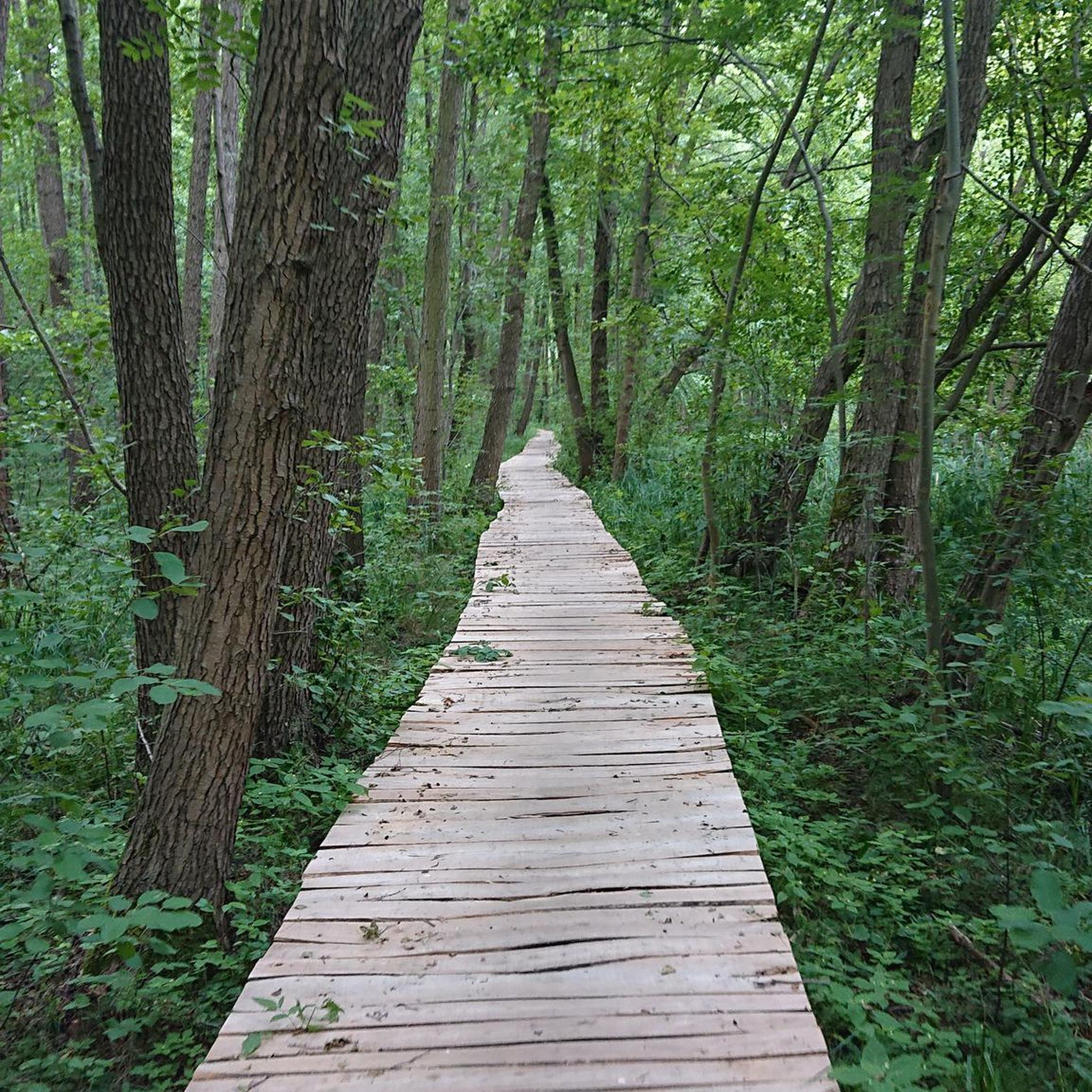
Small bridge from the canal over the small river.
3
0
Frequently Asked Questions
How many touring cycling routes are available around Brassac?
There are over 40 touring cycling routes available around Brassac, offering a wide range of options for different skill levels. You'll find everything from easy circuits to more challenging routes with significant climbs.
What kind of terrain can I expect on touring cycling routes around Brassac?
The terrain around Brassac is quite varied. You can expect scenic routes along the Agout River valley, unique granite formations in the Sidobre region, and the forested hills of the Monts de Lacaune and Plateau des Lacs. This combination provides diverse scenery, from gentler riverside paths to routes with significant elevation changes.
What historical landmarks can I see while cycling around Brassac?
Brassac and its surroundings are rich in history. You can cycle past the village's old 12th-century bridge, which is a classified historic monument. Routes like the Combebonnet Castle – Saint-Maurin Market Hall loop from Beauville will take you through historical landmarks such as Combebonnet Castle and the Saint-Maurin Market Hall. You might also encounter the medieval castles (Catholic and Protestant) that define the village's past.
Are there touring cycling routes suitable for beginners or families?
Yes, Brassac offers routes suitable for various abilities. For an easier ride, consider the Abbaye de Saint-Maurin Circuit, which is an easy 6.0 miles (9.6 km) path, perfect for a gentle ride passing by historical sites. The region has 1 easy route out of 42, with many moderate options also available.
Are there any long-distance touring cycling routes in the area?
Yes, there are several longer routes for touring cyclists. For example, the Séoune Valley Loop is a challenging 33.1 miles (53.3 km) trail with significant elevation changes. Another option is the Castelsagrat – Perfect place for lunch break – View of Lauzerte loop from Fauroux, which covers 57 km (35.4 miles).
What do other cyclists say about touring in Brassac?
The touring cycling routes in Brassac are highly rated by the komoot community, with an average score of 4.2 stars from over 21 reviews. Cyclists often praise the varied terrain, from river valleys to unique granite landscapes, and the well-maintained network of routes that cater to different fitness levels.
Can I find circular touring cycling routes in Brassac?
Yes, many of the touring cycling routes around Brassac are designed as loops, allowing you to start and finish in the same location. Examples include the Séoune Valley Loop and the Beauville – Séoune Aqueduct loop from Beauville.
What is the best time of year for touring cycling in Brassac?
Brassac, located in the Haut-Languedoc Regional Natural Park, generally offers pleasant cycling conditions from spring through autumn. The warmer months allow for enjoyment of the lakes and rivers, while spring and early autumn provide comfortable temperatures for longer rides through the diverse landscapes of valleys, forests, and plateaus.
Are there options for parking near the touring cycling routes?
While specific parking details for each route are best checked on individual tour pages, Brassac, as a hub for outdoor activities, generally provides parking facilities within the village and at common starting points for trails. It's advisable to check local signage upon arrival.
Is public transport accessible for reaching touring cycling routes in Brassac?
Brassac is a rural area, and public transport options might be limited compared to larger cities. While some local bus services may connect Brassac to nearby towns, it's recommended to check regional transport schedules in advance if you plan to rely on public transport to access specific touring cycling routes.
Are there places to eat or stay along the touring cycling routes?
Brassac itself offers various amenities, including cafes, pubs, and accommodation options. While cycling, you'll pass through charming villages where you might find local eateries. For specific routes, it's a good idea to check the komoot tour planner for points of interest like restaurants or guesthouses along your chosen path.
Are the touring cycling routes around Brassac dog-friendly?
Many outdoor areas in the Haut-Languedoc Regional Natural Park are generally dog-friendly, especially on trails where dogs are kept on a leash. However, specific rules can vary depending on the exact route or protected areas. It's always best to check local regulations or signs along your chosen route to ensure it's suitable for cycling with your dog.
Most popular attractions around Brassac

Get inspired with the komoot mobile app


Explore more
Browse the best Cycling routes in other regions.
