Attractions and Places To See around Montaigu-De-Quercy - Top 20
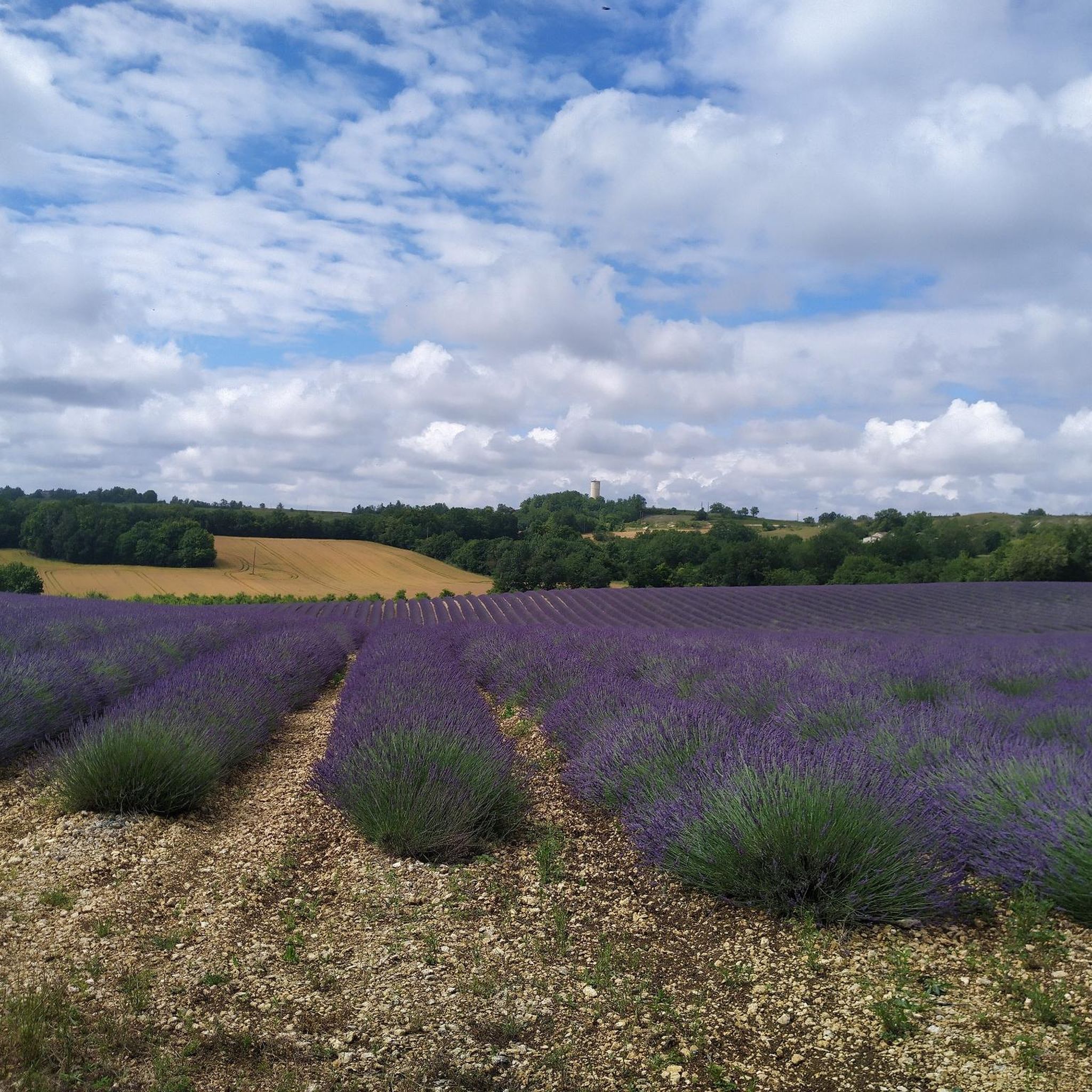
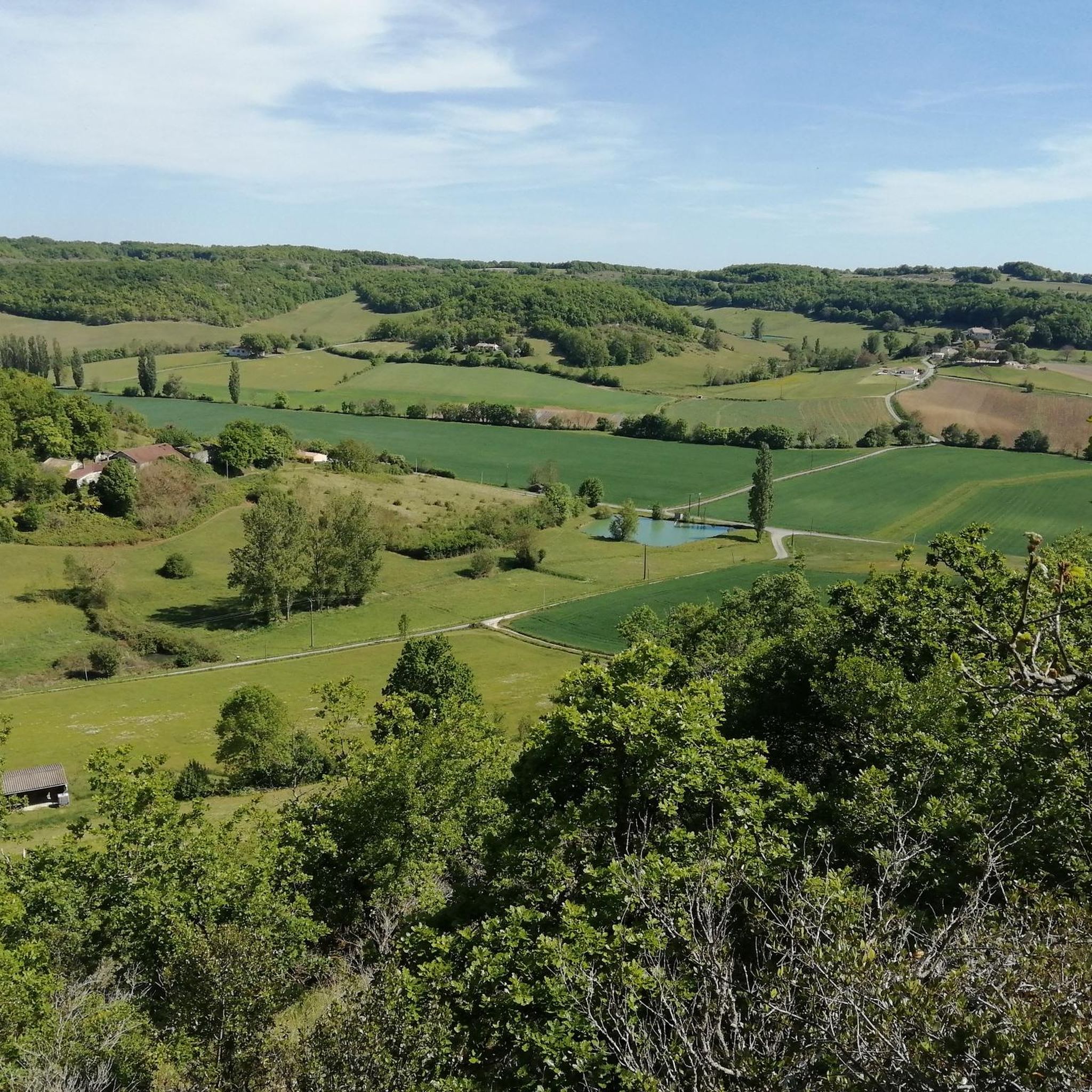
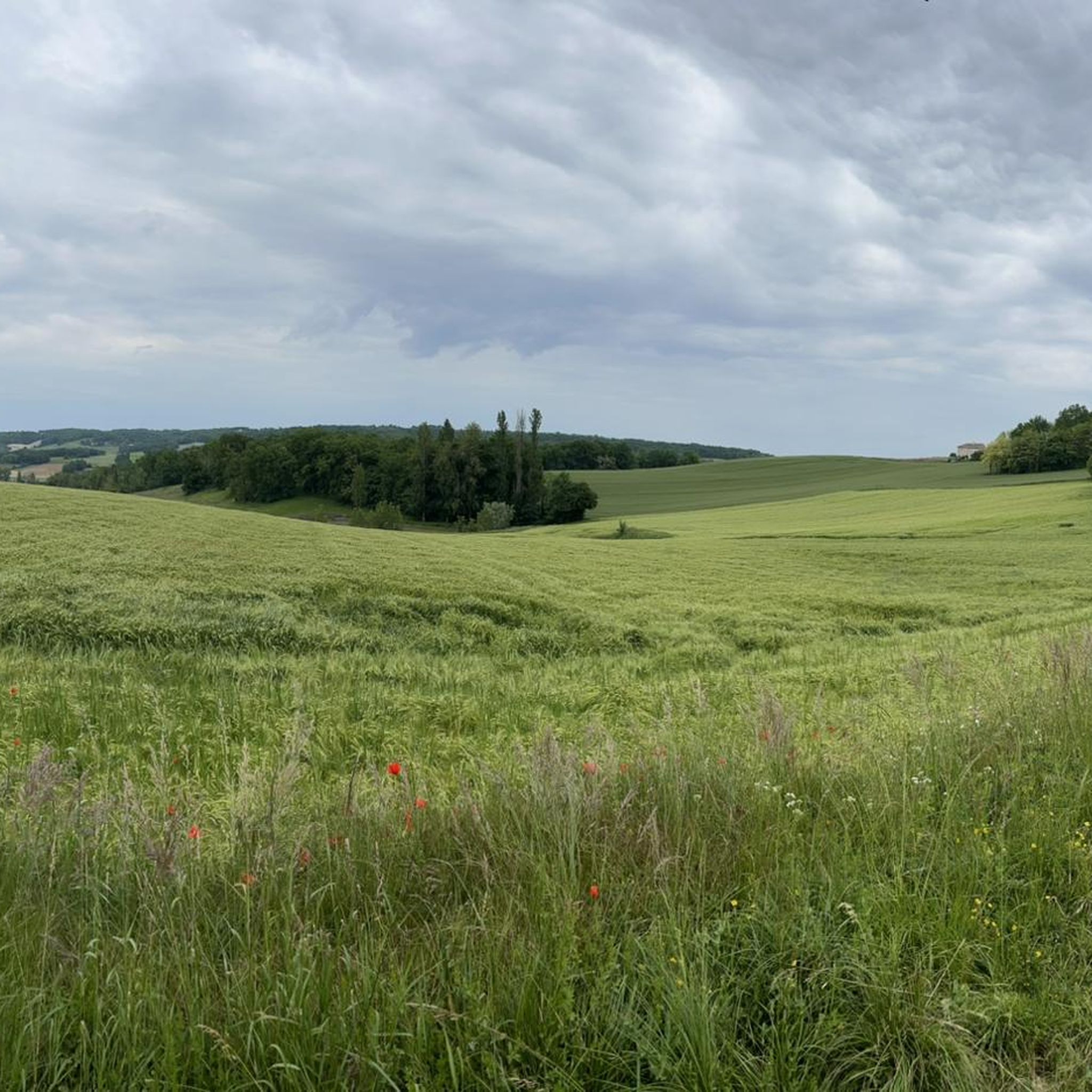
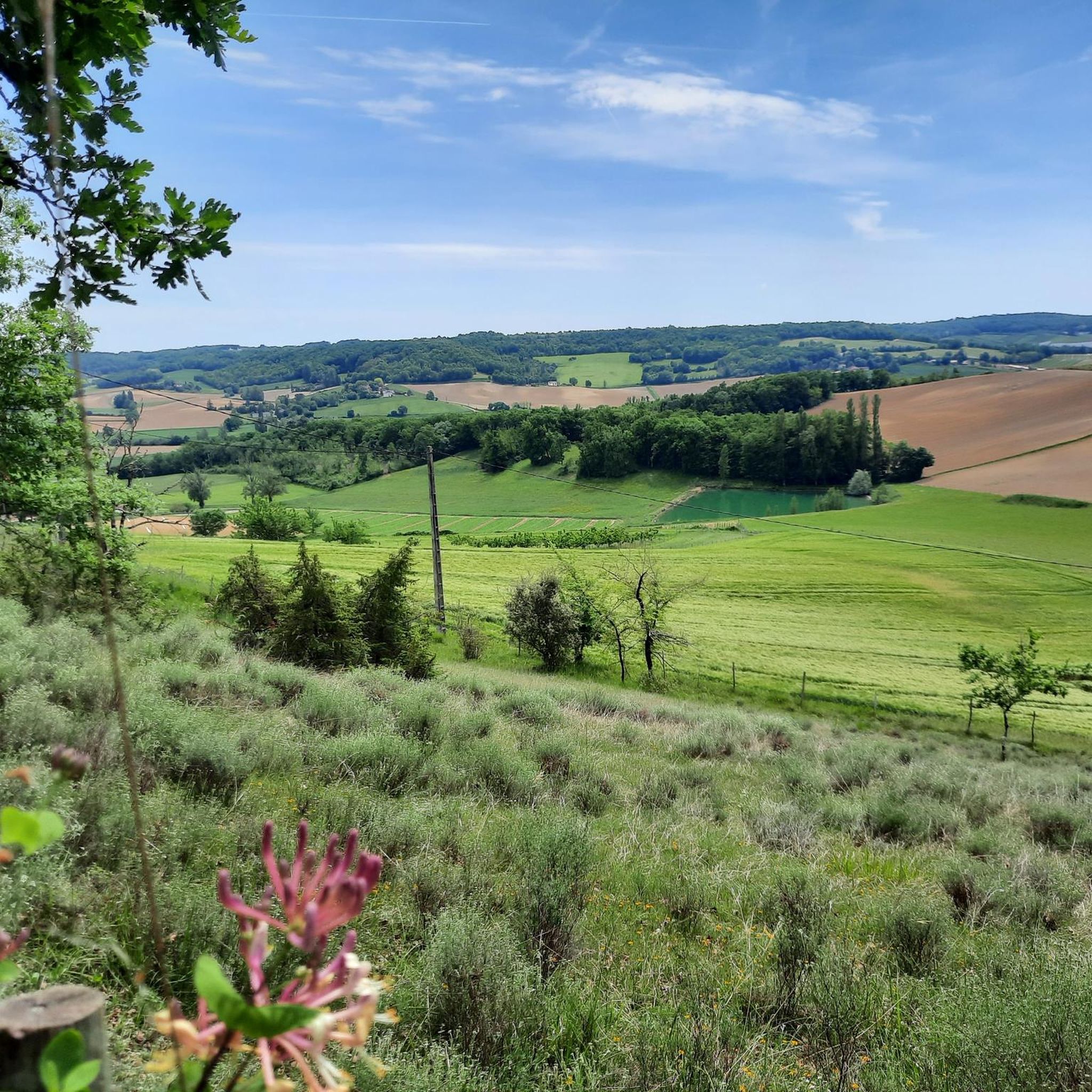
Best attractions and places to see around Montaigu-De-Quercy, a market town in Tarn-et-Garonne, offers a blend of historical sites, natural beauty, and cultural points of interest. The region is characterized by scenic countryside with elongated hills and valleys, providing an exceptional natural setting. Visitors can explore a historic center with cobbled streets, significant churches, and the remnants of a feudal castle. The area is recognized for its commitment to ecotourism, making it suitable for outdoor enthusiasts.
Best attractions and places to see around Montaigu-De-Quercy
- The most popular attractions is Place des Cornières de Lauzerte, a historical site that features a market square surrounded by arcades and old stone houses. This medieval bastide, founded in 1241, is classified as one of France's "Most Beautiful Villages" and offers views over the valleys.
- Another must-see spot is Montcuq Old Town, a historical site with a prominent 12th-century keep. The village is known for its small streets, old stone houses, and the Eglise de Rouillac with Romanesque wall paintings.
- Visitors also love Saint-Hilaire Church of Montcuq, a religious building located in a charming village. The church is part of Montcuq, which features a tree-lined promenade for relaxing strolls.
- Montaigu-De-Quercy is known for its historical sites, religious buildings, and castles. The region offers a variety of attractions to see and explore, from medieval architecture to scenic viewpoints.
- The attractions around Montaigu-De-Quercy are appreciated by the komoot community, with more than 80 upvotes and over 40 photos shared by visitors.
Last updated: October 18, 2026
Place des Cornières de Lauzerte
Highlight • Historical Site
Many of the facades date from the Middle Ages to the Renaissance. Most are beautifully renovated.
Lauzerte is located on a hill and can be seen from afar. It was a defensive situation in the Middle Ages. During the Hundred Years' War, this place was expanded into a fortified village (bastide). Lauzerte was an important guard post on the route between Cahors and Moissac in the 12th century.
Translated by Google •
Tip by

Montcuq Old Town
Highlight • Historical Site
Translated by Google •
Tip by

Sign up now to discover places like this
Get recommendations on the best single tracks, peaks, & plenty of other exciting outdoor places.
Saint-Hilaire Church of Montcuq
Highlight • Religious Site
In July 2022, the village was chosen over the city of Lyon to host the first Popcorn Festival. "Popcorn" is a show broadcast every Tuesday on Twitch. It is hosted by Domingo with hand-picked guests. It discusses current events, but not only that. For over two and a half hours, the viewer has no time to get bored. The event is now one of the most watched on the streaming platform.
Montcuq is a charming village. Its tree-lined promenade runs along the lower part of the village, offering a lovely stroll as well as a perfect place to relax.
Translated by Google •
Tip by

Château de Beauville and viewpoint
Highlight • Castle
Translated by Google •
Tip by

Lauzerte Medieval Hilltop Village
Highlight • Settlement
Translated by Google •
Tip by

Sign up for free to discover even more attractions around Montaigu-De-Quercy.
Already have an account?
Start today with a free account
Your next adventure awaits.


Tips from the Community

Built at the end of the 13th century and remodelled in the 18th century following a fire in 1562, then again in 1881, the village church forms a single-nave stone vessel with a polygonal apse. The choir (Radiant Gothic) is covered. The stained glass windows, in very vivid colour ranges, depict the lives of Christ and Saint-Hilaire.
0
0
Montcuq is a superb medieval hilltop village with a rich heritage in the heart of Quercy Blanc: La Tour de Montcuq: A majestic 12th-century keep that proudly overlooks the village. Built between the late 12th and early 13th centuries under the authority of the Counts of Toulouse.Destruction of the castle: During the Albigensian Crusade and the treaties with the King of France, the local lord had to dismantle the ramparts. Only this keep survived.Particularities: It has a rectangular (or trapezoidal) shape and a square turret housing a unique spiral staircase. Scientifically, the name has nothing lewd about it: it comes from the Occitan Moncuc, which simply means a conical hill or a fortified hill.
0
0
Lauzerte is a magnificent medieval bastide from the 12th century perched on a rocky outcrop. Lauzerte is an essential and mythical stop for pilgrims on the Via Podensis (the path from Le Puy-en-Velay). Founded by the Count of Toulouse, this ancient strategic town has a checkerboard architecture typical of the bastides of the Southwest.
0
0
Lauzerte is a magnificent medieval bastide from the 12th century perched on a rocky spur. Lauzerte is an essential and mythical stop for pilgrims on the Via Podensis (the route from Puy-en-Velay). Founded by the count of Toulouse, this ancient strategic city features a checkerboard architecture typical of the bastides of the Southwest.
0
0

A cozy town with many opportunities to stock up on provisions.
0
0

Old fortified castle, located on a rocky promontory, defending the village of Beauville. It is made up of thick surrounding walls, a protective half-moon. The foundations and bases date from the end of the 13th century. About half of the building dates from the 16th century (mullioned windows). The Renaissance architecture is present in the front door and the fireplaces. Finally, a wing of the building was rebuilt in the 19th century. From 1831 to 1976, the building served as a gendarmerie barracks. Private castle. Can only be seen from the outside. By the way, don't forget to enjoy the beautiful views outside from this high vantage point.
0
0

Chateau de Beauville, beautiful but quiet village in the Dordogne
0
0

Beauville Castle was a fortified castle built around the 13th century. What you see today was mostly built in the 16th century. It was used as a Gendarmerie barracks from 1831 to 1976. By the way, don't forget to appreciate the beautiful views outside from this high vantage point.
3
0
Frequently Asked Questions
What historical sites can I explore in Montaigu-de-Quercy and its surroundings?
Montaigu-de-Quercy boasts a picturesque historic center with cobbled streets and old houses, including a charming Clock Tower dating back to 1830. You can also visit significant churches like Notre-Dame-de-Gouts and Saint Pierre of Pervillac, known for its 15th-century mural paintings. Nearby, explore the medieval bastide of Place des Cornières de Lauzerte, or the Montcuq Old Town with its 12th-century keep and the Saint-Hilaire Church of Montcuq.
Are there any castles or fortified structures to visit in the area?
Yes, the region has a rich history of fortified structures. While the original feudal castle in Montaigu-de-Quercy was largely destroyed, its strategic location offers historical significance. You can visit the Château de Beauville and viewpoint, a fortified castle largely built in the 16th century, offering beautiful views from its high vantage point. Additionally, Montcuq Old Town is dominated by a prominent 12th-century keep.
What natural attractions and viewpoints are there around Montaigu-de-Quercy?
The area is known for its scenic Tarn-et-Garonne countryside, characterized by elongated hills and valleys. A nearby lake offers opportunities for water activities and relaxation. For stunning vistas, visit the Château de Beauville and viewpoint, or the Viewpoint historic Belaye, which provides exceptional views of vineyards and the surrounding municipalities.
What kind of outdoor activities can I do near Montaigu-de-Quercy?
Montaigu-de-Quercy is a 'Green Station' village, ideal for outdoor enthusiasts. You can enjoy hiking, cycling, and mountain biking through the scenic countryside. The nearby lake also offers various water activities. For detailed routes, explore the Hiking around Montaigu-De-Quercy, Road Cycling Routes around Montaigu-De-Quercy, and MTB Trails around Montaigu-De-Quercy guides.
Are there easy hiking trails suitable for families around Montaigu-de-Quercy?
Yes, there are several easy hiking options. For instance, the 'Water Spillway – Small Waterfall loop from Montaigu-de-Quercy' is an easy 5.2 km route. You can find more family-friendly trails in the Hiking around Montaigu-De-Quercy guide.
What are some charming nearby villages worth visiting?
Beyond Montaigu-de-Quercy, you can explore several picturesque villages. Lauzerte, about 13 kilometers away, is classified as one of France's 'Most Beautiful Villages' and offers stunning views. Roquecor, approximately 6 km away, is a perched village with an attractive historic center. Montcuq Old Town is also a notable village with historical charm.
What do visitors enjoy most about the attractions around Montaigu-de-Quercy?
Visitors frequently appreciate the historical depth and scenic beauty of the region. They enjoy strolling through the cobbled streets of historic centers like Lauzerte, admiring the well-preserved architecture, and taking in the panoramic views from various viewpoints. The peaceful countryside and opportunities for outdoor activities are also highly valued.
Is Montaigu-de-Quercy a good destination for ecotourism?
Yes, Montaigu-de-Quercy is recognized as a 'Station Verte,' which signifies its commitment to ecotourism and highlights its exceptional natural setting. This makes it an excellent choice for visitors looking to enjoy nature responsibly and engage in outdoor activities like hiking and cycling.
Can I find Romanesque art or architecture in the churches around Montaigu-de-Quercy?
Yes, you can. The Saint Pierre of Pervillac church is particularly noteworthy for its 15th-century mural paintings. Additionally, the Montcuq Old Town features the Eglise de Rouillac from the 12th century with Romanesque wall paintings in the chancel, showcasing the region's rich artistic heritage.
Are there any museums in the vicinity of Montaigu-de-Quercy?
Yes, the Memory Museum of Lacour is located nearby and is listed as a sight to discover, offering insights into the local history and culture.
What is the best time to visit Montaigu-de-Quercy for outdoor activities?
The region's pleasant climate makes it suitable for outdoor activities for much of the year. Spring and autumn generally offer mild temperatures ideal for hiking and cycling. Summer is also popular, especially for water activities at the nearby lake, though it can be warmer.
Most popular routes around Montaigu-De-Quercy

Get inspired with the komoot mobile app


Explore more
Still not found the Highlight you’re looking for? See guides of the top attractions in other regions:
