The best walks and hikes around Chaniers
4.5
(141)
791
hikers
14
hikes
Hiking around Chaniers offers a blend of diverse landscapes, prominent waterways, and varied trails. The region is characterized by a green setting with the Charente River meandering through, alongside fields, vineyards, and extensive woodlands. Natural features like the Coran Valley and the Bourrut further enhance the area's appeal for outdoor activities. The terrain generally features gentle elevation changes, making it accessible for various hiking preferences.
Best hiking trails around Chaniers
- The most popular hiking route is Chaniers chain bin –…
Last updated: October 12, 2026
5.0
(2)
14
hikers
7.99km
02:07
80m
80m
Moderate hike. Good fitness required. Easily-accessible paths. Suitable for all skill levels.
10
hikers
10.1km
02:40
80m
80m
Moderate hike. Good fitness required. Easily-accessible paths. Suitable for all skill levels.

4
hikers
4.05km
01:06
60m
60m
Easy hike. Great for any fitness level. Easily-accessible paths. Suitable for all skill levels.
3.5
(2)
5
hikers
8.41km
02:12
60m
60m
Moderate hike. Good fitness required. Easily-accessible paths. Suitable for all skill levels.
3
hikers
8.37km
02:13
90m
90m
Moderate hike. Good fitness required. Easily-accessible paths. Suitable for all skill levels.
Get access to more routes and recommendations from other explorers.
Already have an account?
Our route recommendations are based on thousands of hikes, rides, and runs completed by other people on komoot.
Start today with a free account
Your next adventure awaits.


Tips from the Community

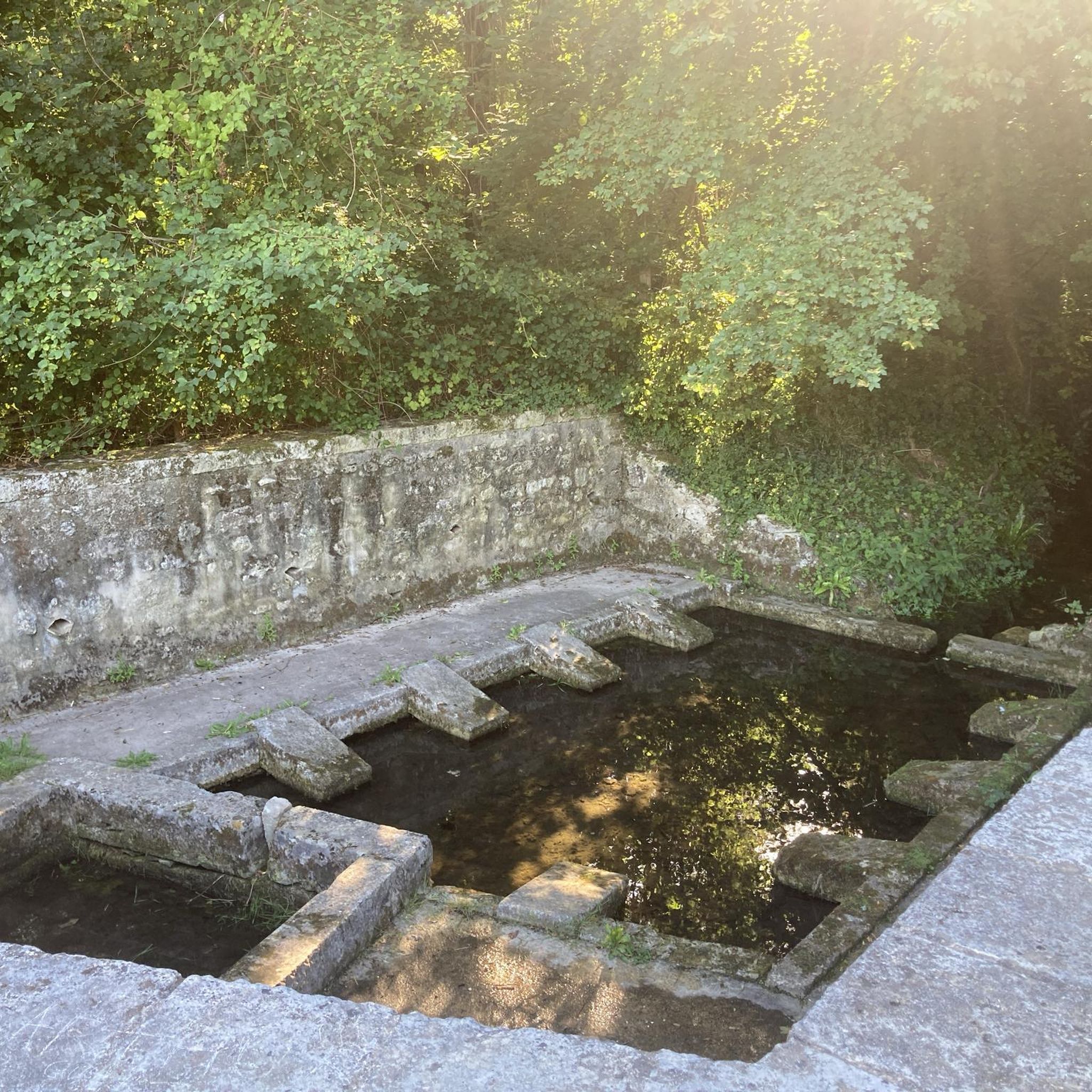
The Chaniers ferry (Charente-Maritime) is one of the last traditional river ferries still in operation in France. It allows crossing the Charente River between Chaniers and Courcoury, a few kilometers downstream from Saintes. A crossing used for centuries History of the Chaniers ferry The ferry crossing at Chaniers is very old: it dates back to the Middle Ages. In the mid-17th century, it was already an important crossing point on the Charente. It was not only used to cross the river: it also allowed residents to access the meadows on the other side, particularly for agricultural activities. In the early 20th century, the Chaniers ferry was part of a much larger network of crossings on the Charente. In 1909, thirteen ferries were still recorded in Charente-Inférieure, including the one in Chaniers. Ferries were essential at the time before the proliferation of bridges. Why "chain ferry"? The principle consists of holding the ferry on a chain connecting the two banks. The ferryman uses this chain to move the boat forward and keep it on its course despite the current. In Chaniers, the current ferry is motorized, unlike the ferry in Dompierre-sur-Charente, which is operated manually. The Tourist Office, however, still describes it as a "chain ferry," and the municipality as the traditional crossing method connecting Chaniers to Courcoury. The ferry today The crossing takes place between Le Communal in Chaniers and the Courcoury bank. It is free and can transport pedestrians, cyclists, and motorized vehicles. Its operation depends in particular on the flow of the Charente River. The municipality of Chaniers officially presents "the port of Chaniers and its chain ferry" as an element of its local heritage. Important point: I am correcting my previous message: the Chaniers ferry is not simply a "19th-century ferry." The crossing has been attested since the Middle Ages; it is its mode of operation and its equipment that have evolved over the centuries.
0
0

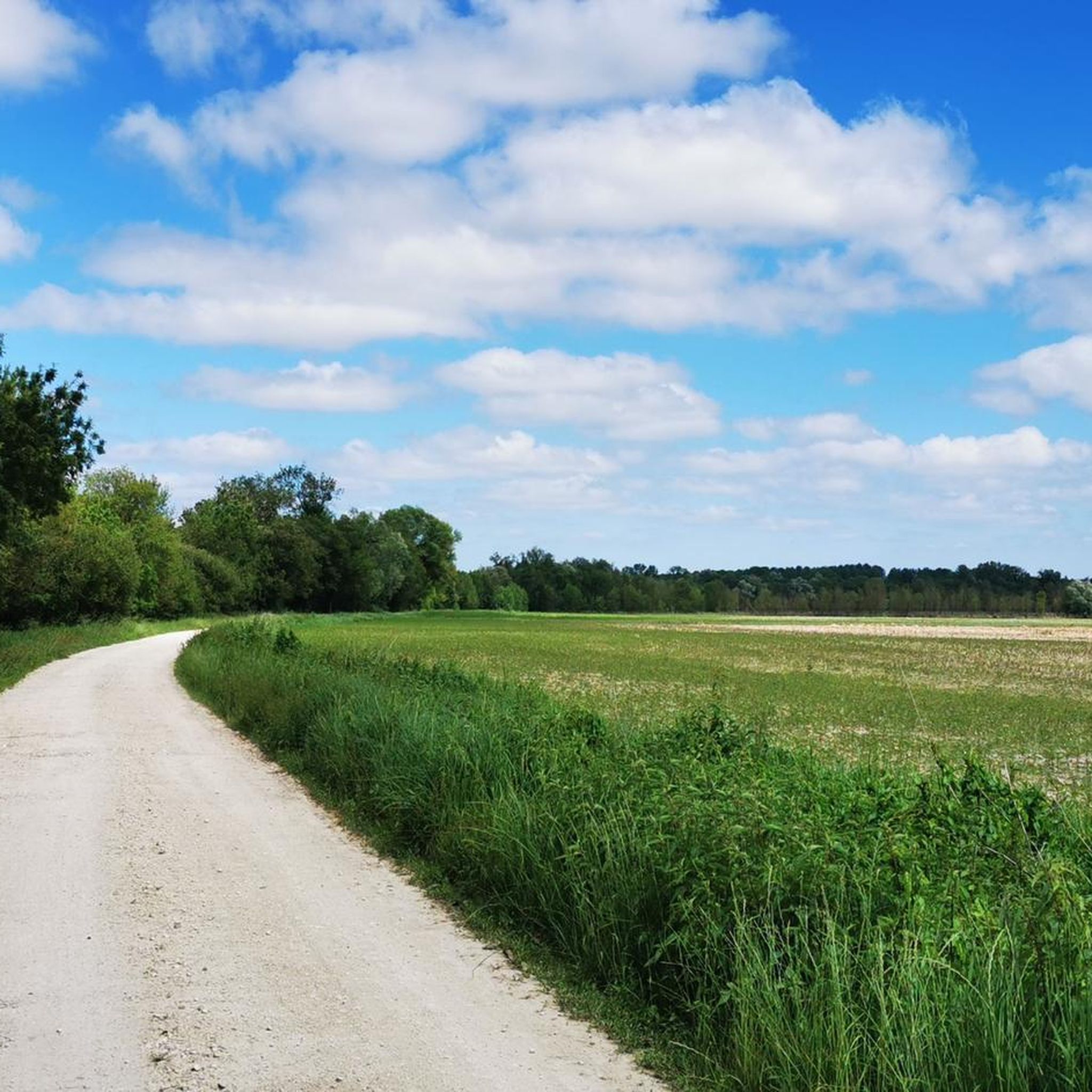
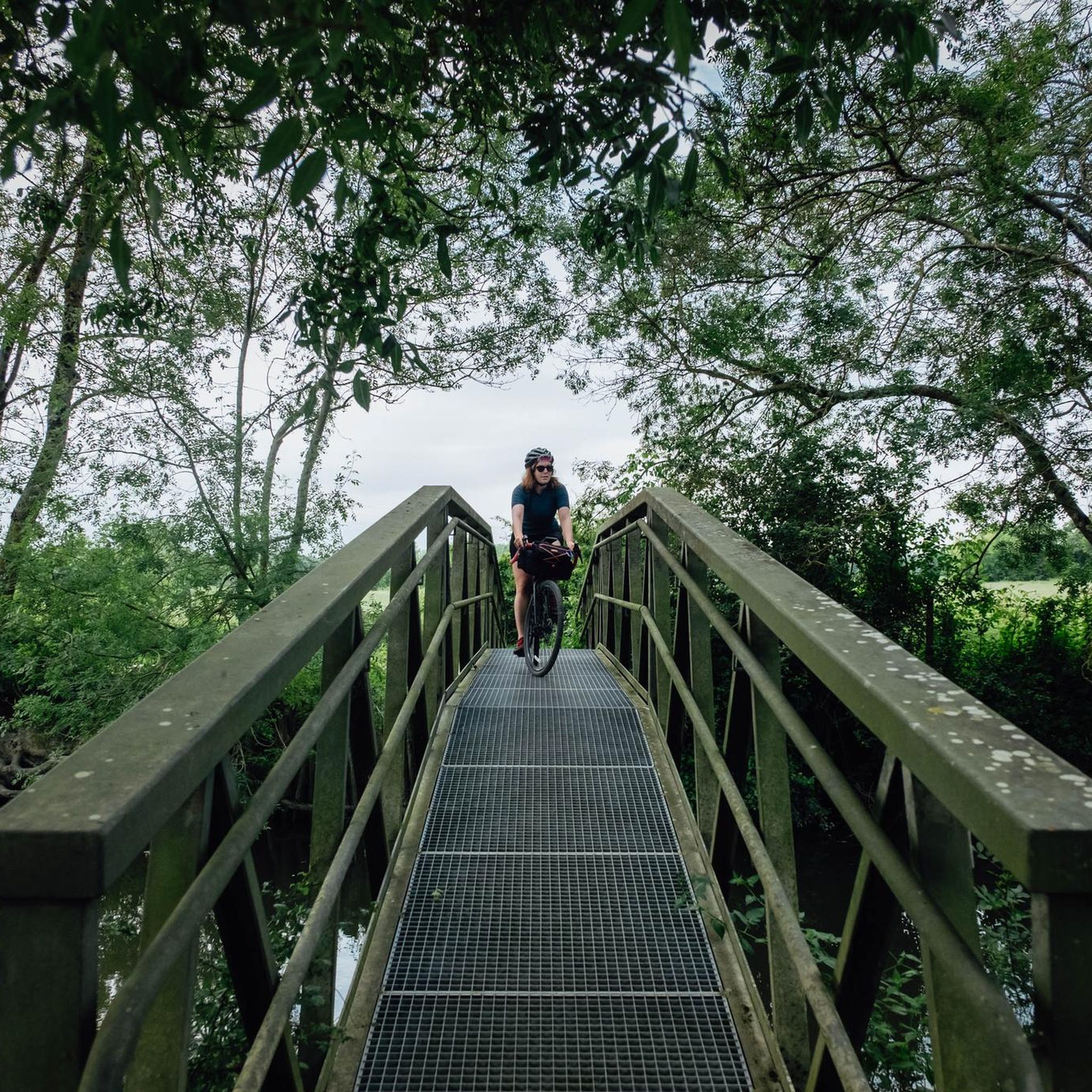
I really enjoyed this ride. I’m 46, I did it on a 40 year old road bike, it’s more suited to a cyclocross bike!
1
0
Great hike, to be done at the end of April, beginning of May for the colors or in the fall Appreciable tranquility
1
0

Built in the 11th and 12th centuries, this church, listed as a historic monument in 1912, is a spectacular work of art. Well worth the drive past when crossing town!
0
0
Frequently Asked Questions
What kind of landscapes can I expect to see while hiking in Chaniers?
Chaniers offers a diverse range of landscapes, characterized by its "green setting." You'll find trails winding along the
Charente River, through picturesque vineyards, and into extensive woodlands. The region also features the tranquil Coran Valley and the Bourrut, providing varied natural scenery for your hikes.
Are there easy hiking trails suitable for beginners or families in Chaniers?
Yes, Chaniers has several easy trails perfect for beginners or families. For example, the St Sauvant loop from Saint-Sauvant is an easy 4 km route. Another accessible option is the Chaniers chain bin loop from Chaniers, which is about 6.5 km and also rated easy.
What historical landmarks or points of interest can I discover on hikes around Chaniers?
Hiking around Chaniers allows you to explore both natural beauty and historical sites. You can visit the historic Moulin de la Baine, a 17th-century mill with its locks, often mentioned on local routes. The Saint-Martin Church is another notable landmark. Further afield, you can find the Abbaye de Fontdouce and the impressive Saint-Pierre Cathedral in Saintes.
Are there any circular hiking routes in Chaniers?
Yes, many of the trails in Chaniers are circular, offering convenient starting and ending points. Popular circular options include the Hiking loop from Chaniers (8 km), the Les Forges loop from Saintes Grandes Rives, l'Agglo (8.4 km), and the Chaniers chain bin – Saint-Martin Church loop from Chaniers (12.2 km).
What is the typical duration and distance of hikes in Chaniers?
Hikes in Chaniers vary in length and duration. You can find shorter, easy routes like the St Sauvant loop from Saint-Sauvant, which is about 4 km and takes just over an hour. Longer, moderate trails, such as the Chaniers chain bin – Saint-Martin Church loop from Chaniers, can be up to 12.2 km and take around three hours to complete.
What do other hikers say about the trails in Chaniers?
The hiking trails in Chaniers are highly regarded by the komoot community, with an average rating of 4.4 stars from over 100 reviews. Hikers often praise the region's diverse landscapes, the peaceful atmosphere along the Charente River, and the well-maintained paths that cater to various skill levels.
Are there any trails that offer views of the Charente River?
Absolutely. The Charente River is a prominent feature of the region, and many trails are designed to follow its banks, offering idyllic waterside vistas. You'll find numerous opportunities to enjoy views of the river as you hike through the area.
What is the best time of year to go hiking in Chaniers?
Chaniers is suitable for hiking throughout much of the year. Spring and autumn offer pleasant temperatures and vibrant scenery, with blooming wildflowers or colorful foliage. Summer is also popular, especially for trails that offer shade from woodlands or opportunities to enjoy the river. Winter hikes are possible, though some paths might be muddier.
Are there any trails that pass through vineyards in Chaniers?
Yes, the region around Chaniers is known for its vineyards, and several hiking routes will take you directly through these picturesque landscapes. You can enjoy views of the grapevines as you explore the countryside.
What is the general difficulty level of hiking trails in Chaniers?
The trails in Chaniers are generally accessible, with a mix of easy and moderate options. The terrain typically features gentle elevation changes, making it suitable for a wide range of hikers. There are no difficult-rated trails in the immediate area, ensuring a pleasant experience for most.
Can I find trails that lead to viewpoints in Chaniers?
While Chaniers itself is relatively flat, the broader region offers opportunities for scenic views. Some trails, particularly those on slightly elevated ground or along the Charente River, provide expansive panoramic views of the valley and the surrounding countryside, including vineyards and woodlands.
Are there any specific trails that highlight the Coran Valley?
Yes, the Coran Valley is a notable natural feature in Chaniers, and there are trails specifically designed to explore this area. The "Coran Valley trail" is an easy 8.7 km path that allows you to experience the beauty of this waterway and its surroundings.
Most popular attractions around Chaniers

Get inspired with the komoot mobile app


Explore more
Browse the best Hikes in other regions.
