Attractions and Places To See around Fontcouverte - Top 20
Best attractions and places to see around Fontcouverte, located in Charente-Maritime, include a variety of historical sites and religious buildings. The region is characterized by its rolling, wooded terrain, offering popular walks and hiking trails. Fontcouverte is situated near Saintes and the Charente River, providing access to both natural landscapes and significant cultural landmarks. The area's history is evident through remnants of a Roman aqueduct and several centuries-old churches and abbeys.
Best attractions and places to see around Fontcouverte
- The…
Last updated: October 5, 2026
Chaniers chain bin
Highlight • Structure
Tip by

Abbaye de Fontdouce
Highlight • Historical Site
Translated by Google •
Tip by

Sign up now to discover places like this
Get recommendations on the best single tracks, peaks, & plenty of other exciting outdoor places.
Saint-Martin Church
Highlight • Other
Translated by Google •
Tip by

Abbaye aux Dames de Saintes
Highlight • Religious Site
Translated by Google •
Tip by

Saint-Pierre Cathedral (Saintes)
Highlight • Religious Site
Translated by Google •
Tip by

Sign up for free to discover even more attractions around Fontcouverte.
Already have an account?
Start today with a free account
Your next adventure awaits.


Tips from the Community

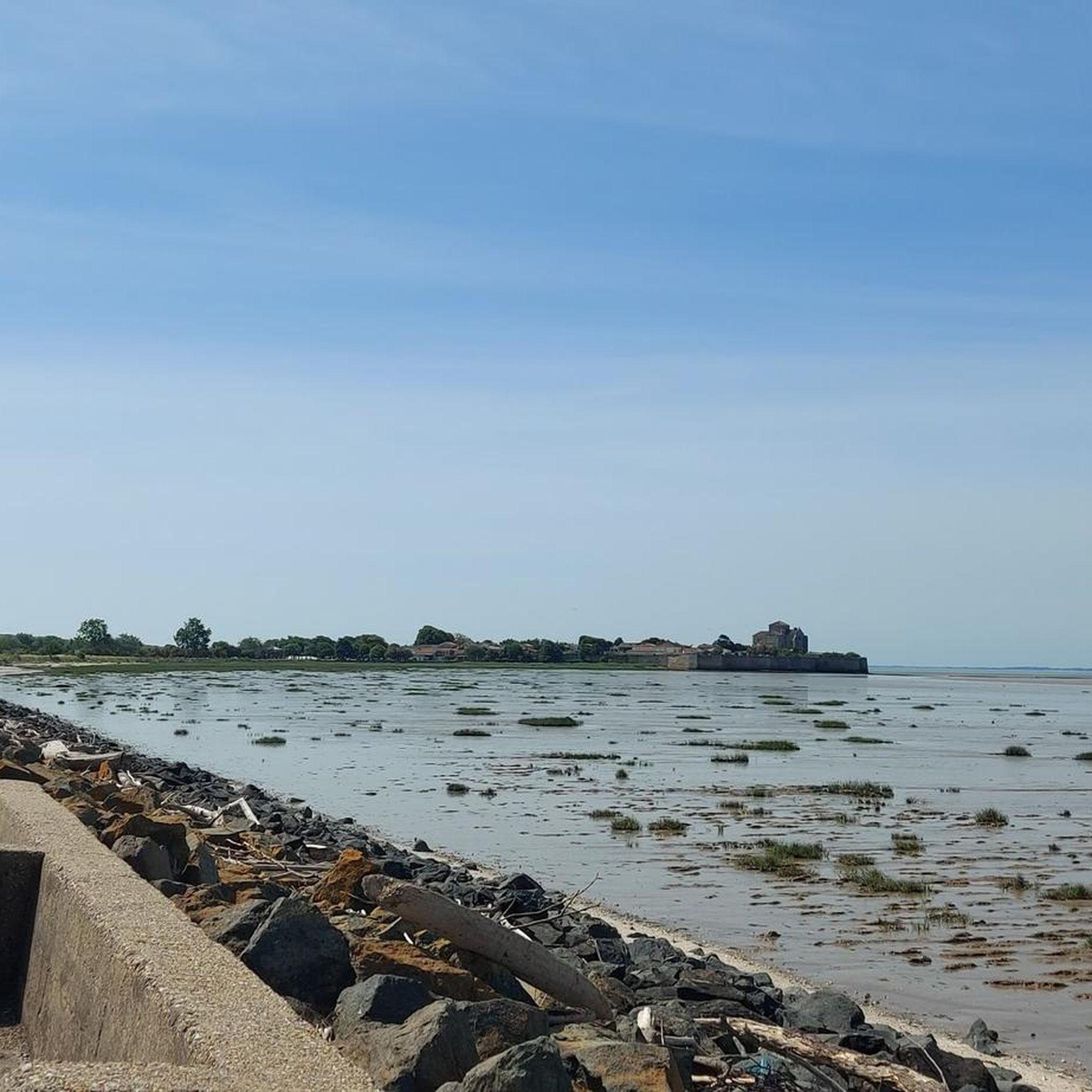
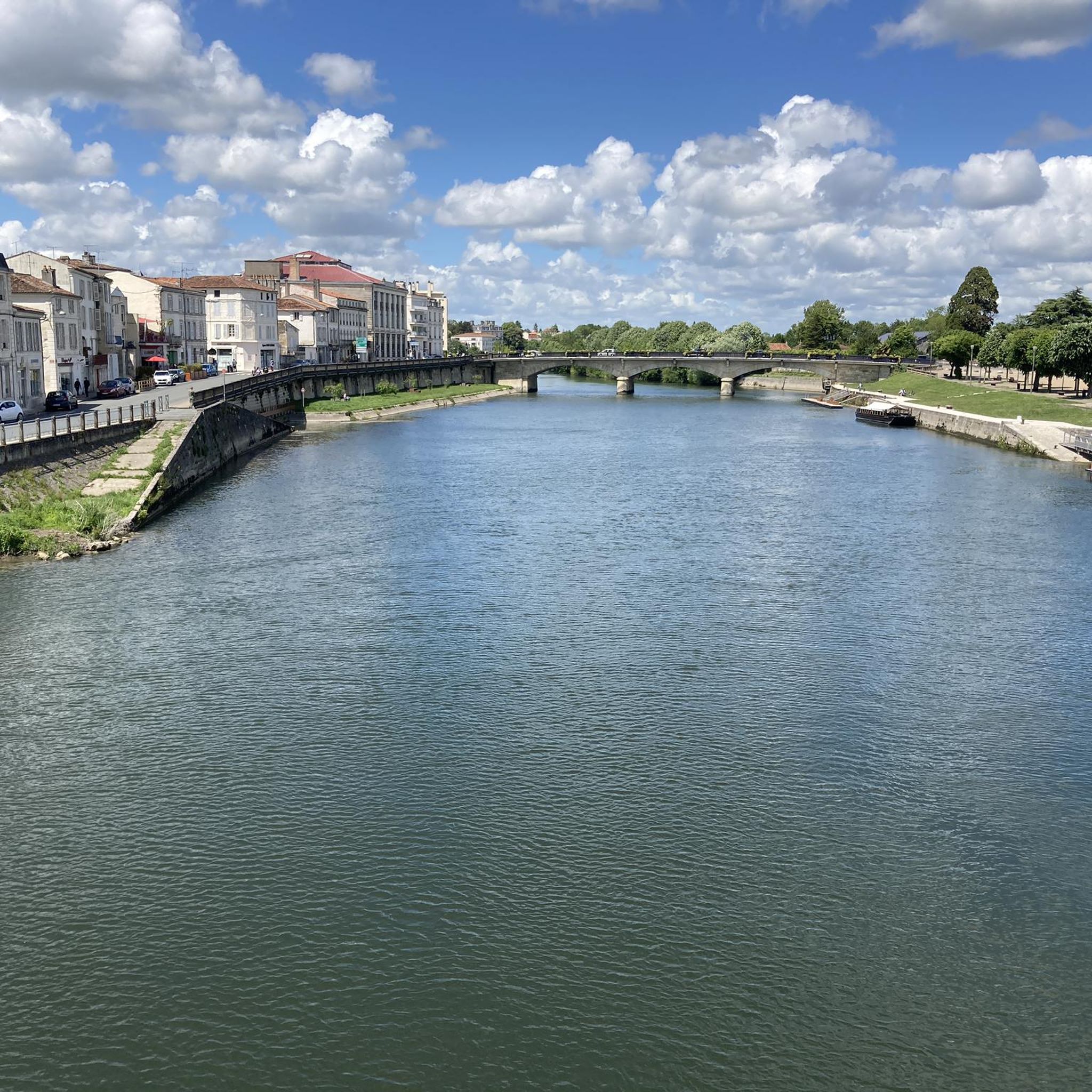
The Chaniers ferry (Charente-Maritime) is one of the last traditional river ferries still in operation in France. It allows crossing the Charente River between Chaniers and Courcoury, a few kilometers downstream from Saintes. A crossing used for centuries History of the Chaniers ferry The ferry crossing at Chaniers is very old: it dates back to the Middle Ages. In the mid-17th century, it was already an important crossing point on the Charente. It was not only used to cross the river: it also allowed residents to access the meadows on the other side, particularly for agricultural activities. In the early 20th century, the Chaniers ferry was part of a much larger network of crossings on the Charente. In 1909, thirteen ferries were still recorded in Charente-Inférieure, including the one in Chaniers. Ferries were essential at the time before the proliferation of bridges. Why "chain ferry"? The principle consists of holding the ferry on a chain connecting the two banks. The ferryman uses this chain to move the boat forward and keep it on its course despite the current. In Chaniers, the current ferry is motorized, unlike the ferry in Dompierre-sur-Charente, which is operated manually. The Tourist Office, however, still describes it as a "chain ferry," and the municipality as the traditional crossing method connecting Chaniers to Courcoury. The ferry today The crossing takes place between Le Communal in Chaniers and the Courcoury bank. It is free and can transport pedestrians, cyclists, and motorized vehicles. Its operation depends in particular on the flow of the Charente River. The municipality of Chaniers officially presents "the port of Chaniers and its chain ferry" as an element of its local heritage. Important point: I am correcting my previous message: the Chaniers ferry is not simply a "19th-century ferry." The crossing has been attested since the Middle Ages; it is its mode of operation and its equipment that have evolved over the centuries.
0
0

I really enjoyed this ride. I’m 46, I did it on a 40 year old road bike, it’s more suited to a cyclocross bike!
1
0

Magnificent We can also have a picnic
0
0

A must-see visit alongside this abbey on a magnificent circuit
0
0

The Abbaye-aux-Dames is built around the church of Sainte-Marie, built in the twelfth century. Famous for its facade and its characteristic "pinecone" bell tower, it is one of the emblematic monuments of Saintonge's Romanesque art. After several wars and fires, the place was restored in the 1970s and 1980s and is now a hotel. When you walk through the long corridors you feel like you have been transported back to the time when the abbey was still alive.
4
0
The Saint-Pierre Cathedral is located in the heart of the old town on the left bank of the Charente. According to tradition, the founding of this episcopal see goes back to Saint Eutrope. The construction of the first Christian building on the site of the current cathedral could not be dated with any precision. It probably dates back to the 6th century.
5
0

A former Benedictine abbey created in 1047, Abbaye-aux-Dames was the first women's monastery in Saintonge. These powerful women were nuns, that is to say, nuns living cloistered and having taken a vow of piety, occupying their lives in contemplation. They carried the crosier, in other words the pastoral staff of a bishop, and minted coins. Richly endowed, the abbey carried its influence well beyond the borders of the county and over time it became one of the most powerful women's monasteries in all of South-West France. With up to a hundred nuns at its peak, it was entrusted with the mission of instructing young girls, often from the French nobility, and counted among its most illustrious residents the future Marquise de Montespan, favorite of Louis XIV. The Abbaye-aux-Dames is structured around the Sainte-Marie church, built in the 12th century, famous for its facade and its characteristic “pine cone” bell tower. The premises were restored during the 1970s and 1980s and now house a Cité de la musique in which the Saintes Festival dedicated to classical music takes place each year. You can also stay in a wing of the building, the cells having been converted into hotel rooms, and leave your bike in a secure room.
0
0
Towards the end of the 12th century, an abbey church was built. At the beginning of the 13th century, attached to the west of the first Romanesque abbey, a Gothic-style cloister was gradually built. The abbey reached its peak from this period: in addition to its priories (la Grainetière in Vendée and la Tenaille near Pons), it owned land within a radius of 100 km, including saltworks on the coast. In the 15th century, Fontdouce obtained the title of royal abbey leading to a profound change in its mode of administration: the abbot was no longer elected by his peers within the community but was appointed by the king. It is often a great layman to whom the king grants the commendation, that is to say 80% of the income of the abbey. Then, the wars of religion, in the 16th century, accelerated its decline. The abbey church is ransacked: it will never be rebuilt. The years following the French Revolution also brought their share of destruction: several buildings, including the refectory, disappeared. The last monks were driven out in 1793 and the following year the site was sold as National Property to serve as agricultural property. The farmer who bought the place then built, on the remains of the conventual buildings, a house in the First Empire style. In the 1820s, Fontdouce entered the family of the current owners who, on December 16, 1986, had the Gothic parts, chapter house and parlor classified as historical monuments2. From 1970, the current owners undertook a series of excavations intended for the restoration of the Abbey of Fontdouce. They are gradually bringing the beautiful chapter house and the Gothic parlor back to life, the two superimposed Romanesque chapels and several other remains. These restoration works earned them third prize in the masterpiece in danger competition in 1979. In 1986, the site was entirely classified as a Historic Monument1. Today, Fontdouce remains a private property, focused on tourist and cultural activities, supported in its development actions by a team of enthusiasts grouped together within the Association Guillaume de Conchamp.
1
0
Frequently Asked Questions
What historical sites can I explore around Fontcouverte?
The Fontcouverte area, particularly in Charente-Maritime, is rich in history. You can visit the Abbaye de Fontdouce, a historical site founded around 1111 with a Gothic-style cloister. Additionally, remnants of a Roman aqueduct, built around 20 AD, transported water from Font Morillon in Fontcouverte. The region also features the Abbaye aux Dames de Saintes, a significant 12th-century women's monastery.
Are there any notable religious buildings to visit in the Fontcouverte area?
Yes, Fontcouverte and its surroundings are home to several impressive religious buildings. The Saint-Césaire Church, built in the 12th century in the Saintonge Romanesque style, is a must-see. You can also visit the Saint-Martin Church, an 11th-century Romanesque church with a distinctive apse and bell tower. The grand Saint-Pierre Cathedral (Saintes) is also nearby, located in the heart of the old town.
What kind of outdoor activities are available near Fontcouverte's attractions?
The rolling, wooded terrain around Fontcouverte is ideal for various outdoor activities. You can find numerous marked and unmarked paths for walking, jogging, and mountain biking. For specific routes, explore the hiking trails around Fontcouverte, running trails, and MTB trails. The wider region also offers river-based activities on the Charente River.
Can I find hiking trails suitable for different skill levels around Fontcouverte?
Yes, the area offers a variety of hiking trails. For example, the 'Circuit des Arches' is a 16.5 km loop with over 300 meters of elevation change, suitable for moderate hikers. You can also find routes like the 'Remains of a Roman aqueduct – Ancient Washhouse loop from Les Neuf Puits' which is rated as easy, or more challenging options like the 'Remains of a Roman aqueduct loop from Fontcouverte' which is a difficult 28.4 km running route. More details on these and other routes can be found in the hiking guide for Fontcouverte.
Are there options for mountain biking near Fontcouverte?
Absolutely! Fontcouverte's wooded and hilly landscape is great for mountain biking. You can explore routes such as the 'Church Square loop from Fontcouverte' (27.3 km, moderate) or the 'Remains of a Roman aqueduct – Ancient Washhouse loop from Fontcouverte' (34.1 km, moderate). For a comprehensive list of routes, check out the MTB Trails around Fontcouverte guide.
What natural features characterize the Fontcouverte region?
Fontcouverte, particularly in Charente-Maritime, is known for its rolling, heavily wooded terrain, making it a green and scenic area. The L'Escambouille stream is the most significant stream within the commune. The wider region is also close to the Charente River, offering additional natural beauty and aquatic opportunities.
Are there family-friendly attractions in Fontcouverte?
Yes, several attractions around Fontcouverte are suitable for families. The Abbaye de Fontdouce is categorized as family-friendly, offering a historical and cultural experience. The Abbaye aux Dames de Saintes and Saint-Pierre Cathedral (Saintes) are also listed as family-friendly, providing engaging visits for all ages.
What is the significance of the Roman Aqueduct in Fontcouverte?
The Roman Aqueduct in Fontcouverte is a significant historical landmark. Built around 20 AD under Emperor Tiberius, its remnants transported water from Font Morillon. These vestiges offer a glimpse into the ancient Roman engineering and the historical importance of the area.
What do visitors particularly enjoy about the attractions near Fontcouverte?
Visitors appreciate the rich history and architectural beauty of the region. The Abbaye de Fontdouce is praised for its historical depth and ongoing restoration efforts. The Saint-Césaire Church is admired for its distinctive Saintonge Romanesque style. The Abbaye aux Dames de Saintes is noted for its impressive facade, 'pinecone' bell tower, and its unique history as a women's monastery, with some visitors even enjoying stays in its converted cells.
Are there any cultural workshops or artistic activities in Fontcouverte?
Yes, in Fontcouverte, Charente-Maritime, you can find L'Atelier De Dessin De Fontcouverte, an artistic workshop that offers creative leisure activities. This provides an opportunity to engage with the local arts scene.
What are some lesser-known historical sites or 'hidden gems' in the Fontcouverte area?
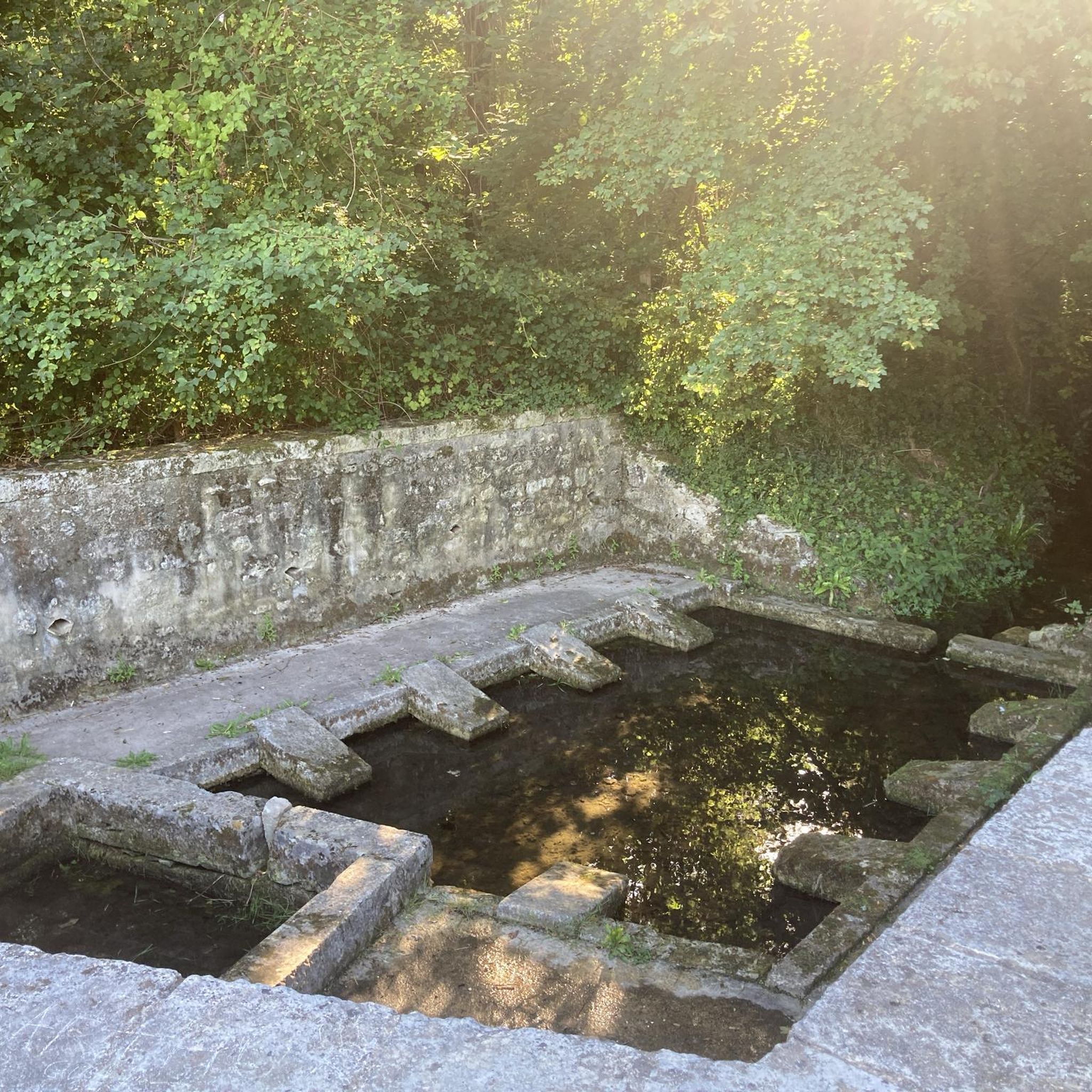
Beyond the major abbeys and churches, Fontcouverte offers some intriguing lesser-known sites. The Lavoir de la Fontmorillon, a late 19th-century wash house, provides a glimpse into local heritage. Additionally, the 12th-century Saint Vivien Church and the 19th-century Château de Rochemont offer quieter historical exploration.
What is the best time to visit Fontcouverte for outdoor activities?
The rolling, wooded terrain of Fontcouverte makes it pleasant for outdoor activities for much of the year. Spring and autumn generally offer mild temperatures ideal for hiking, running, and mountain biking, with beautiful foliage in the fall. Summer can be warm, but the wooded areas provide shade for walks.
Most popular routes around Fontcouverte

Get inspired with the komoot mobile app


Explore more
Still not found the Highlight you’re looking for? See guides of the top attractions in other regions:
