The best cycling routes around Bussac-Sur-Charente
4.5
(315)
2,115
riders
157
rides
Touring cycling around Bussac-Sur-Charente offers routes through a diverse landscape shaped by the Charente River valley, featuring serene prairies and agricultural plateaus. The region includes distinctive limestone hills, locally known as "coteaux calcaires," interspersed with wooded valleys. These valleys contain winding streams and a variety of trees, alongside scattered vineyards that define the agricultural scenery. The terrain provides varied options for touring cyclists.
Best touring cycling routes around Bussac-Sur-Charente
- The most popular touring cycling route is La Flow Vélo: Saintes…
Last updated: October 14, 2026
5.0
(2)
9
riders
22.1km
01:21
140m
140m
Easy bike ride. Great for any fitness level. Mostly paved surfaces. Suitable for all skill levels.
11
riders
33.8km
02:44
310m
310m
Hard bike ride. Good fitness required. You may need to push your bike for some segments of this route.

9
riders
24.8km
01:59
250m
250m
Moderate bike ride. Good fitness required. Mostly paved surfaces. Suitable for all skill levels.
5.0
(1)
6
riders
23.3km
01:37
220m
220m
Moderate bike ride. Good fitness required. Mostly paved surfaces. Suitable for all skill levels.
4
riders
Hard bike ride. Good fitness required. You may need to push your bike for some segments of this route.
Get access to more routes and recommendations from other explorers.
Already have an account?
Our route recommendations are based on thousands of hikes, rides, and runs completed by other people on komoot.
Start today with a free account
Your next adventure awaits.



Tips from the Community

🏛️ Construction: 18-19 AD The arch was built around 18-19 AD, during the reign of Emperor Tiberius. It stood at the entrance to the Roman bridge crossing the Charente, at the outlet of the Via Agrippa, which connected Lyon to Saintes. It is therefore not truly a "triumphal arch": it was both a road monument and a monumental gate marking the entrance to Mediolanum Santonum, the capital of Roman Aquitaine. 👤 Who had it built? The arch was financed by Caius Julius Rufus, a Romanized notable from Saintonge. He dedicated it to Tiberius as well as his nephew Germanicus. The inscriptions engraved on the entablature still allow us today to know the figures to whom it was dedicated. The name "Arch of Germanicus" therefore comes from this dedication, and not from the fact that Germanicus personally had the arch built or crossed it. 🏗️ A rather exceptional monument The arch has two bays, likely allowing for the differentiation of traffic flows. It measures approximately 15 m high by 16 m wide. Its Corinthian and composite capitals bear witness to particularly meticulous Roman architecture. It constituted a true demonstration of the power and Romanization of Saintes. ⚠️ The moment the arch almost disappeared This is probably the most interesting episode in its history. For centuries, the arch was always located at the level of the Roman bridge and then the medieval bridge, on the right bank of the Charente. In the 19th century, the old bridge had become dilapidated. When it was decided to demolish it, around 1843, the arch was also threatened with destruction. It was then that Prosper Mérimée, Inspector General of Historical Monuments, intervened. He advocated for its preservation and arranged for its dismantling, relocation, and reassembly on the new bank. Another figure is also associated with this preservation: Victor Hugo, who stayed in Saintes in September 1843 and intervened in favor of the monument's conservation with Mérimée. 📍 Why is the arch no longer exactly in its ancient location? The arch we see today, on Place Bassompierre, is therefore no longer in its original location. It was moved a few dozen meters during the transformation of the quays and the disappearance of the old bridge. It was dismantled stone by stone and then reassembled in order to preserve it. It is now located in the immediate vicinity of the ancient Roman bridge crossing. 🏛️ Protection The Arch of Germanicus was finally classified as a historical monument in July 1905. An interesting detail The Crazannes quarries, located near Saintes, supplied a limestone widely used in the region's ancient constructions. Crazannes stone was notably used for monuments such as the Arch of Germanicus. In summary: 18-19 → construction of the arch at the entrance to the Roman bridge ↓ Antiquity → Middle Ages → the arch remains associated with the crossing of the Charente ↓ 1843 → demolition of the old bridge and threat to the arch ↓ 1843-1844 → Mérimée's intervention and relocation of the arch ↓ 1905 → classified as a Historical Monument
0
0

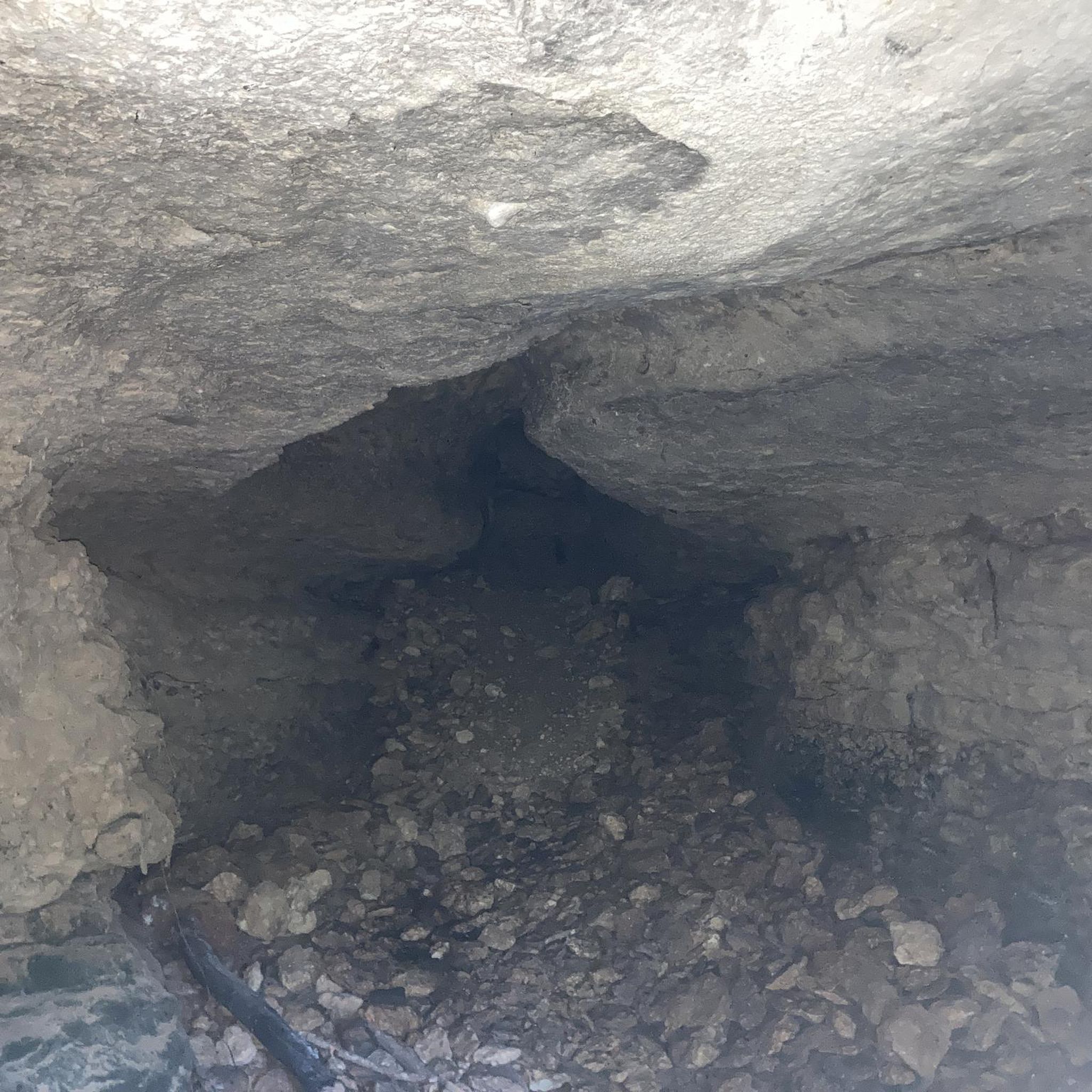
Guided tours possible from April 2026! These two fountains were developed by the inhabitants in the 18th and 19th centuries, using the water source of the aqueduct built by the Romans in the 1st century BC. A washhouse and a mill were built there. At the bottom of the mill, restored in 1993 by the village inhabitants, you can discover the "Roman slab" pipeline. The water no longer flows through this aqueduct but disappears into a fault to join the natural underground conduit. Until around 1935, this fountain was owned by a miller who, at his will, prohibited access to the inhabitants, which forced the municipality at the time to build another washhouse upstream in an old quarry.
0
0


beautiful passages along the Charente with pretty monuments and small waterfront cafés in Port d’Envaux and Saintes.
0
0

The Gallo-Roman amphitheater of Sainte, also called the Arena of Saintes, is an elliptical monument built between 40 and 50 AD, probably during the reigns of Tiberius and Claudius. It measures approximately 126 meters by 102 meters and could accommodate between 12,000 and 15,000 spectators, making it one of the largest and oldest amphitheaters in Gaul. Located in a natural valley called the "Arènes valley," it takes advantage of the topography to limit construction work, with stands backing onto the hill. The site has two monumental gates, the "Gate of the Living" to the east and the "Gate of the Dead" to the west, and has been the subject of a major restoration project since 2021 to preserve this exceptional heritage. Accessible on foot from the city center, it offers an immersion in Roman history with an educational trail and activities for families
1
0


Saintes train station. Direct connection to La Rochelle, La Roche-sur-Yon, Nantes… (By bike, via prior reservation).
0
0

Several ruins of ancient Gallo-Roman viaducts
0
0
Frequently Asked Questions
How many touring cycling routes are available around Bussac-Sur-Charente?
There are over 140 touring cycling routes in and around Bussac-Sur-Charente, offering a wide variety of options for different preferences and skill levels. These routes are highly rated by the komoot community, with an average score of 4.5 stars from over 320 reviews.
What are the typical landscapes I will encounter on touring cycling routes in Bussac-Sur-Charente?
Touring cycling routes in Bussac-Sur-Charente feature a diverse landscape. You'll ride through the serene prairies of the Charente River valley, agricultural plateaus, and distinctive limestone hills known as 'coteaux calcaires'. The area also includes wooded valleys with winding streams and scattered vineyards, offering a rich variety of scenery.
Are there any long-distance cycling routes that pass through Bussac-Sur-Charente?
Yes, Bussac-Sur-Charente is part of the broader cycling network. The prominent La Flow Vélo route, which stretches from Sarlat to Ile d'Aix, passes through the region. Additionally, the wider Charente area offers nearly 460 km of shared-use or dedicated cycling lanes, including the 'Tour Charente' network.
Can I find circular touring cycling routes around Bussac-Sur-Charente?
Yes, there are several circular touring cycling routes. For example, the Crazannes Castle – Crazannes Sculptures loop from Saintes is a moderate 25.9-mile (41.7 km) route that takes you through the area around the historic castle. Another option is the more challenging Loop around Crazannes, its Castle and the stone sculptures, a 56.1-mile (90.4 km) path.
What historical sites or landmarks can I see along the touring cycling routes?
Many routes offer opportunities to explore historical sites. You can visit the Crazannes Castle, a historic landmark, which is featured on routes like the Loop around Crazannes. The nearby city of Saintes, just 4.9km away, also offers attractions such as the Arch of Germanicus, the Abbaye aux Dames de Saintes, and Saint Peter's Cathedral.
Are there family-friendly touring cycling routes in Bussac-Sur-Charente?
Yes, the region offers routes suitable for families. The 'Tour Charente' network includes 10 distinct cycling loops in South Charente, categorized by difficulty, with specific routes designated as 'family' or 'discovery' options. These often follow quieter paths along riverbanks or through vineyards.
What are the difficulty levels of touring cycling routes in Bussac-Sur-Charente?
The routes around Bussac-Sur-Charente cater to various skill levels. You'll find 62 easy routes, 57 moderate routes, and 30 difficult routes. This range allows for everything from relaxed rides along the Charente River to more challenging tours through rolling hills and varied terrain.
Where can I park my car when starting a touring cycling route in Bussac-Sur-Charente?
While specific parking locations for each route vary, Bussac-Sur-Charente and nearby towns like Saintes offer public parking facilities. Many routes, such as the 'Belle balade à Bussac sur Charente', start from central points like the town hall, where parking is often available.
Is public transport accessible for cyclists in Bussac-Sur-Charente?
Information on specific public transport options for cyclists in Bussac-Sur-Charente is limited. However, the nearby city of Saintes is a regional hub, and it's advisable to check local bus or train services for their bike carriage policies if you plan to use public transport to access the starting points of routes.
Are there places to eat or stay along the touring cycling routes?
Yes, the region is well-equipped with amenities for cyclists. You'll find cafes, restaurants, and accommodation options in Bussac-Sur-Charente and the surrounding towns, particularly in Saintes. Many routes pass through villages where you can stop for refreshments or to sample local produce, including Cognac and farm products.
What is the best time of year for touring cycling in Bussac-Sur-Charente?
The Charente-Maritime department generally enjoys a pleasant climate, making spring (April-June) and early autumn (September-October) ideal for touring cycling. During these periods, the weather is typically mild, and the landscapes are vibrant, with fewer crowds than in peak summer.
Are there dog-friendly touring cycling routes in Bussac-Sur-Charente?
While many outdoor areas in France are generally welcoming to dogs, specific regulations for cycling routes can vary. It's recommended to keep dogs on a leash, especially in agricultural areas or near livestock. Always carry water for your dog and be mindful of local signage regarding pet access on trails.
What do other touring cyclists enjoy about the routes in Bussac-Sur-Charente?
The touring cycling routes in Bussac-Sur-Charente are highly rated by the komoot community, with an average score of 4.5 stars. Cyclists often praise the diverse terrain, from serene river valleys to rolling hills and vineyards, as well as the opportunities to explore historic towns and cultural sites along the way.
Most popular routes around Bussac-Sur-Charente
Most popular attractions around Bussac-Sur-Charente

Get inspired with the komoot mobile app


Explore more
Browse the best Cycling routes in other regions.
