Attractions and Places To See around Craywick - Top 20
Best attractions and places to see around Craywick include a diverse landscape shaped by the North Sea and historical significance. The region features coastal nature reserves, historical sites, and fortified structures. Visitors can explore remnants of past conflicts and protected natural habitats. Craywick offers a range of points of interest for those interested in history and the natural environment.
Best attractions and places to see around Craywick
- The most popular attractions is Platier d'Oye National Nature Reserve, a nature…
Last updated: April 25, 2026
Rescue Museum
Highlight • Historical Site
Translated by Google •
Tip by

Platier d'Oye National Nature Reserve
Highlight • Other
Translated by Google •
Tip by

Sign up now to discover places like this
Get recommendations on the best single tracks, peaks, & plenty of other exciting outdoor places.
Sign up for free
Écardines Bunkers
Highlight • Historical Site
Tip by

Grand-Fort-Philippe
Highlight • Other
Of the dozens of …
Translated by Google •
Tip by
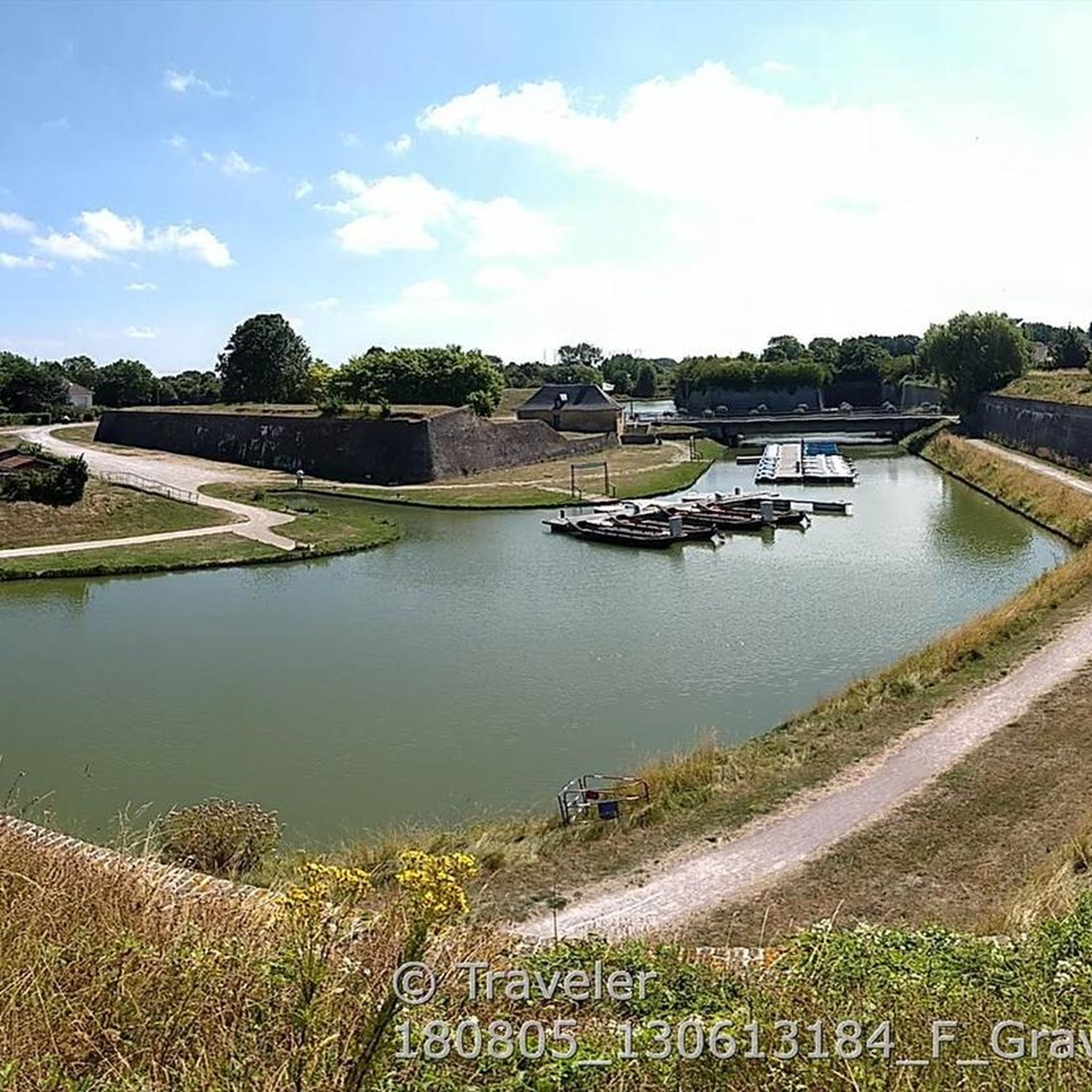
Porte aux Boules
Highlight • Monument
It was originally equipped with …
Translated by Google •
Tip by

Sign up for free to discover even more attractions around Craywick.
Sign up for free
Already have an account?
Start today with a free account
Your next adventure awaits.
Login or Signup

Tips from the Community

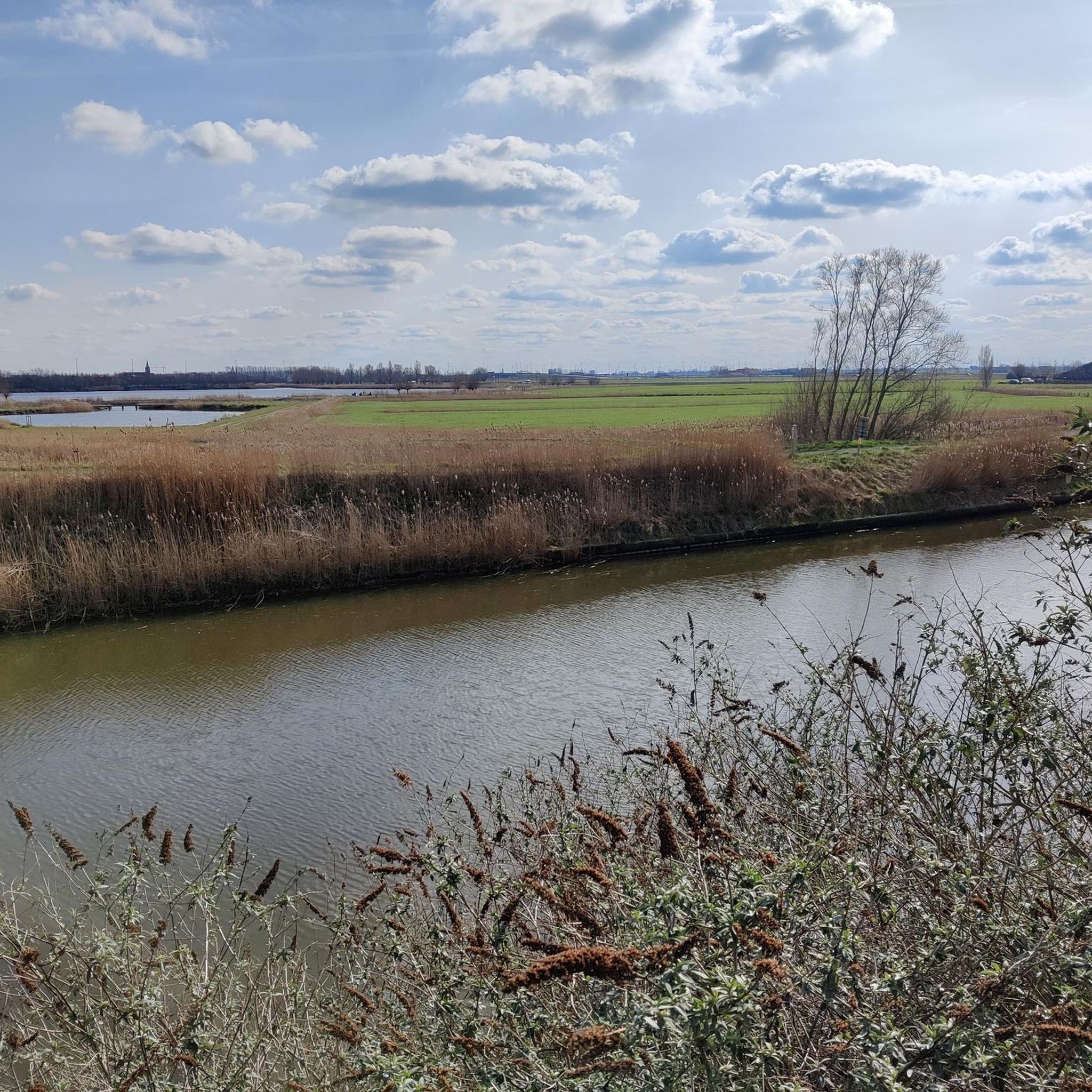
The Réserve Naturelle Nationale du Platier d'Oye is a magnificent nature reserve located near Dunkirk. This reserve covers an area of 391 hectares and offers a unique ecosystem with a rich biodiversity. Here you can discover 230 species of birds, 20 species of mammals and 361 species of flowers and plants. It is an important stopover for migratory birds along the coast of the Manche and the North Sea. There are three marked hiking trails through the dunes and wetlands, which are popular with botanists, birdwatchers and regular walkers. The reserve is always open and offers a wonderful place to explore nature and enjoy the peace and beauty of the area.
10
0
On the beach to the North of Les Ecardines there are some bunkers which belong to the Infantry Stützpunkt Martha. This strongpoint with 2 bunkers laying on the beach was part of the coastal defence and observation. One of the bunkers on the beach is a Regelbau R120 observation bunker with a 21P7 metal cupola on top. It has three entrances and a armoured close defence opening for a MG. A flanking wall lies next to it in the sand. Next to the observation bunker is a Regelbau R630 type bunker. It housed a gun behind a big armoured plate. The armament of Strongpoint Martha consisted of MG’s in the R630 (MG stand for Machine Gewehr – machine guns), a 5cm M19 mortar, a 5cm gun, a 3,7cm Anti Tank gun, a MG-cupola, 2 Mortars and 5 MG’s. This heavily defended strongpoint housed the observation bunker of HKB Murane, as well as the headquarters of the 8th kompagnie. These bunkers, are part of a Luftwaffe Field Division instead of the Kriegsmarine. InfStp. Martha has eight bunkers in total. The other bunkers of this strongpoint can be found further up the dunes.
11
0


Formerly a boathouse, the Gravelines Rescue Museum exhibits the history of sea rescuers and uses a launching ramp. This site, essential to understanding rescue operations, allows you to discover the techniques and equipment used over the years.
2
0


A paradise for ornithologists, the Oye Platier nature reserve is the first French stopover for many migratory birds. It has an area of 391 hectares. Shaped by the combined action of the sea, sand and wind, it is one of the must-see attractions on the Opal Coast.
3
0

A remnant of the Atlantic Wall and thus of the Second World War. Not necessarily beautiful but important as a memorial.
5
0
Frequently Asked Questions
What historical sites can I explore around Craywick?
The region is rich in history. You can visit the Rescue Museum, housed in a former boathouse, which details the history of sea rescuers. Another significant historical attraction is the Écardines Bunkers, remnants of the Atlantic Wall that offer insight into wartime fortifications. Additionally, the Porte aux Boules, an ancient fortified gate in Gravelines, showcases the region's defensive architecture.
Are there any nature reserves or natural attractions in the area?
Yes, the most prominent natural attraction is the Platier d'Oye National Nature Reserve. This 391-hectare reserve features dunes and wetlands, serving as a crucial stopover for migratory birds and boasting rich biodiversity with numerous species of birds, mammals, and plants. It offers marked hiking trails for exploration.
What kind of outdoor activities can I do near Craywick's attractions?
You can enjoy various outdoor activities. For cycling enthusiasts, there are routes like the 'Carnot Powder Magazine, Ramparts – Porte aux Boules loop' or the 'Saint Willibrord Church ⛪ – Citadel of Gravelines loop'. Find more options on the Cycling around Craywick guide. If you prefer running, explore trails such as the 'Running loop from Saint-Georges-sur-l'Aa' or the 'Étang de la Ferme Galamé loop' detailed in the Running Trails around Craywick guide. Mountain biking is also an option with routes like the 'Porte aux Boules – Gravelines Ramparts loop' available in the MTB Trails around Craywick guide.
Are there family-friendly attractions around Craywick?
The Rescue Museum is considered family-friendly, offering an engaging look at maritime history. Children under 12 can enter for free. The Platier d'Oye National Nature Reserve also provides an excellent opportunity for families to explore nature and observe wildlife on its marked trails.
What is the best time to visit Craywick for outdoor activities?
The Platier d'Oye National Nature Reserve is always open, making it accessible year-round. However, for optimal birdwatching, spring and autumn are ideal due to migratory patterns. For general outdoor activities like cycling and running, the milder weather of spring, summer, and early autumn is generally most pleasant.
Can I find easy walking trails near Craywick?
Yes, the Platier d'Oye National Nature Reserve offers three marked hiking trails through its dunes and wetlands, which are suitable for regular walkers and provide an easy way to explore the natural environment.
What are the opening hours and admission fees for the Rescue Museum?
The Rescue Museum is open in April, May, June, and September on Saturdays, Sundays, and public holidays from 2 p.m. to 6 p.m. In July and August, it's open Mondays from 9 a.m. to 12 p.m., and Wednesday to Sunday and public holidays from 2 p.m. to 6 p.m. Admission is free for children up to 12 years old, 3€ for adults, and 5€ for a combined visit with the Museum of the Sea.
Are there any less crowded attractions to visit?
While popular, the Platier d'Oye National Nature Reserve offers extensive space, allowing visitors to spread out and enjoy nature in relative tranquility, especially outside peak hours. Exploring the Écardines Bunkers on the beach can also offer a more solitary experience, particularly during off-season or weekdays.
What is Grand-Fort-Philippe known for?
Grand-Fort-Philippe is a historic fishing village located at the mouth of the River Aa on the Opal Coast. It's known for its strong ties to fishing, with activities like ropemaking, smokehouses, and shipbuilding historically central to its identity. It also houses a traditional smokehouse that still prepares fish in the traditional way.
Can I find viewpoints or scenic spots in the Craywick area?
The Platier d'Oye National Nature Reserve offers scenic views of dunes, wetlands, and the coastline, making it an excellent spot for birdwatching and enjoying natural landscapes. The remnants of the Écardines Bunkers on the beach also provide unique vantage points over the sea and surrounding area.
What should I bring for hiking or walking near Craywick?
When exploring the marked trails at the Platier d'Oye National Nature Reserve or other walking paths, it's advisable to wear comfortable walking shoes suitable for varied terrain (sand, wetlands). Depending on the weather, bring layers of clothing, sun protection, and plenty of water. Binoculars are recommended for birdwatching.

Get inspired with the komoot mobile app


Explore more
Still not found the Highlight you’re looking for? See guides of the top attractions in other regions:
