Attractions and Places To See around Leffrinckoucke - Top 20
Best attractions and places to see around Leffrinckoucke include a blend of historical sites, natural landscapes, and coastal features. This commune in the Nord department of France is characterized by its preserved coastline, significant dunes, and military history. Visitors can explore remnants of past conflicts and enjoy the natural environment where the sea meets the dunes. The area offers opportunities for both historical exploration and outdoor activities.
Best attractions and places to see around Leffrinckoucke
- The most popular attractions is…
Last updated: October 9, 2026
Maerebrug (Maere Bridge) over the Nieuwpoort–Dunkirk Canal
Highlight • Bridge
Translated by Google •
Tip by

Belgium–France Border at Grenspad and 1819 Border Marker
Highlight • Monument
Translated by Google •
Tip by

Sign up now to discover places like this
Get recommendations on the best single tracks, peaks, & plenty of other exciting outdoor places.
Krakeelduinen Nature Reserve
Highlight • Natural
Translated by Google •
Tip by

Nieuwpoort–Dunkirk Canal
Highlight (Segment) • River
Translated by Google •
Tip by
Pier Kloeffe Statue, De Panne
Highlight • Monument
Translated by Google •
Tip by

Sign up for free to discover even more attractions around Leffrinckoucke.
Already have an account?
Start today with a free account
Your next adventure awaits.

Tips from the Community

The route contains many sections with cobblestones and a couple of sections of unpaved road. There were also two roadworks, where you had to walk past.
1
0

Petrus Decreton may not sound familiar, but you'll probably recognize his nickname, Pier Kloeffe. The Icelandic explorer who regularly fished on the beach after the First World War was immortalized in a bronze statue by Louis Van Den Eynde. Source: https://www.strandverblijf.be/nl/wandelingen/beeldenroute-de-panne
4
0
First of all, this boundary marker on the beach is completely new, as an earlier one was irreparably damaged in 2021. The date and initials refer to the brief period from 1814 to 1830 when France bordered the Netherlands. The former boundary marker was first erected in 1819. Now, this boundary marker 2.0 marks the border between Belgium and France. The point also indicates the westernmost point of Belgium combined with the northernmost point of mainland France.
5
0

The Maerebrug in De Panne is an elegant steel bridge spanning the Nieuwpoort–Dunkirk Canal and playing a vital role in the Westhoek recreational network. Designed with gentle slopes on both sides, it is easily accessible for cyclists, walkers, and horse riders. With a width of four meters and a span of 33 meters, the bridge offers safe and comfortable passage over the water and forms a link between Belgian and French nature reserves.
1
0

Currently no flags to be seen
2
1

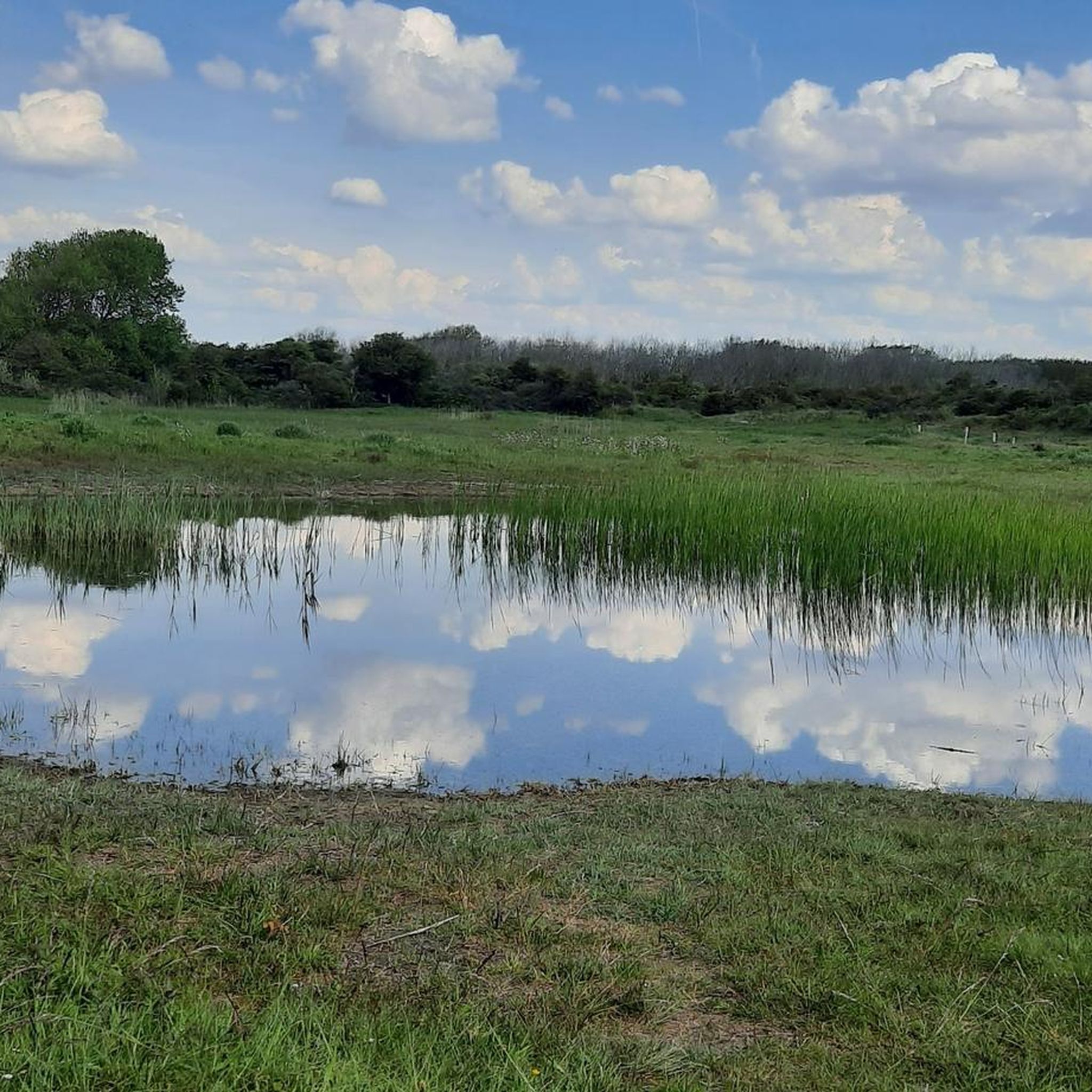
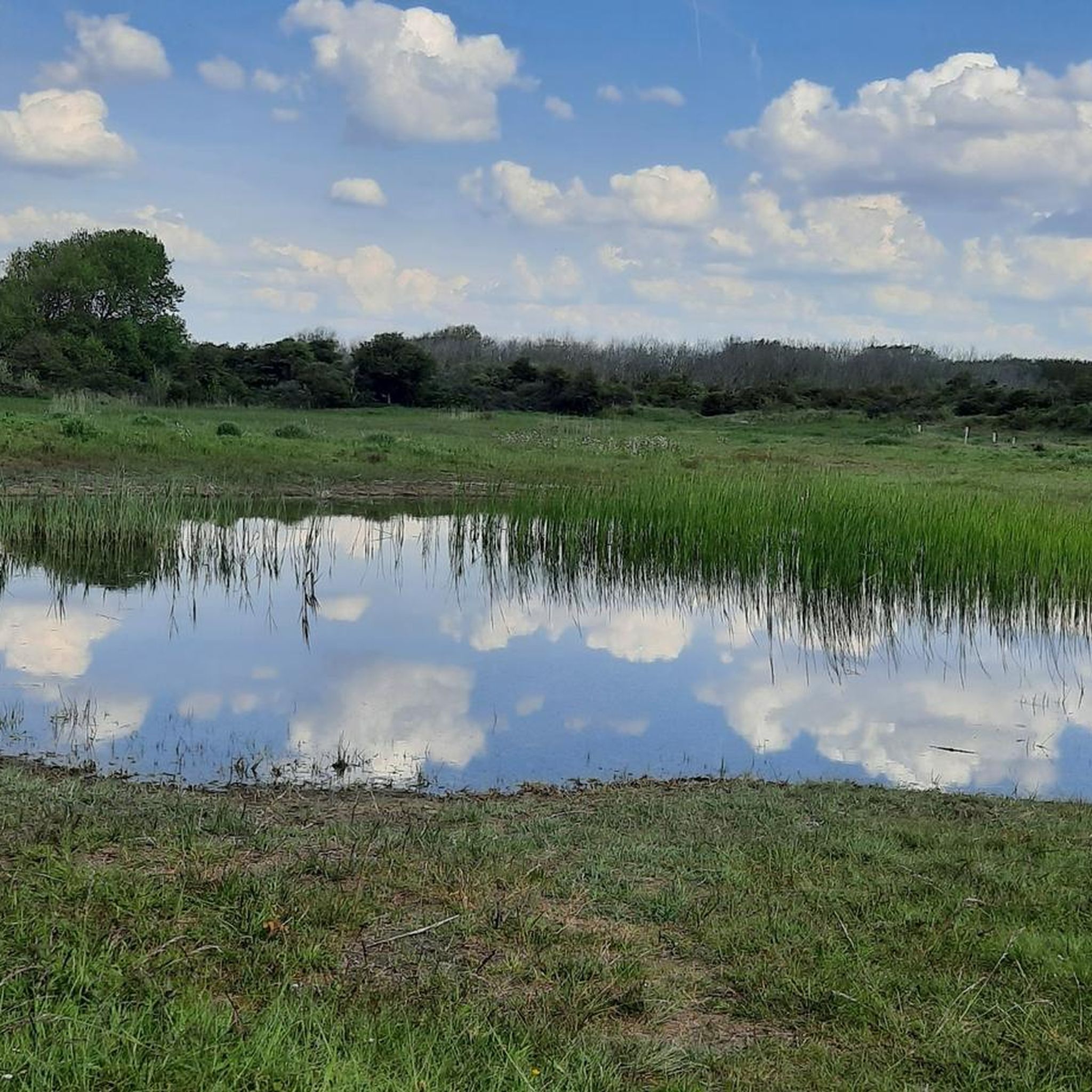
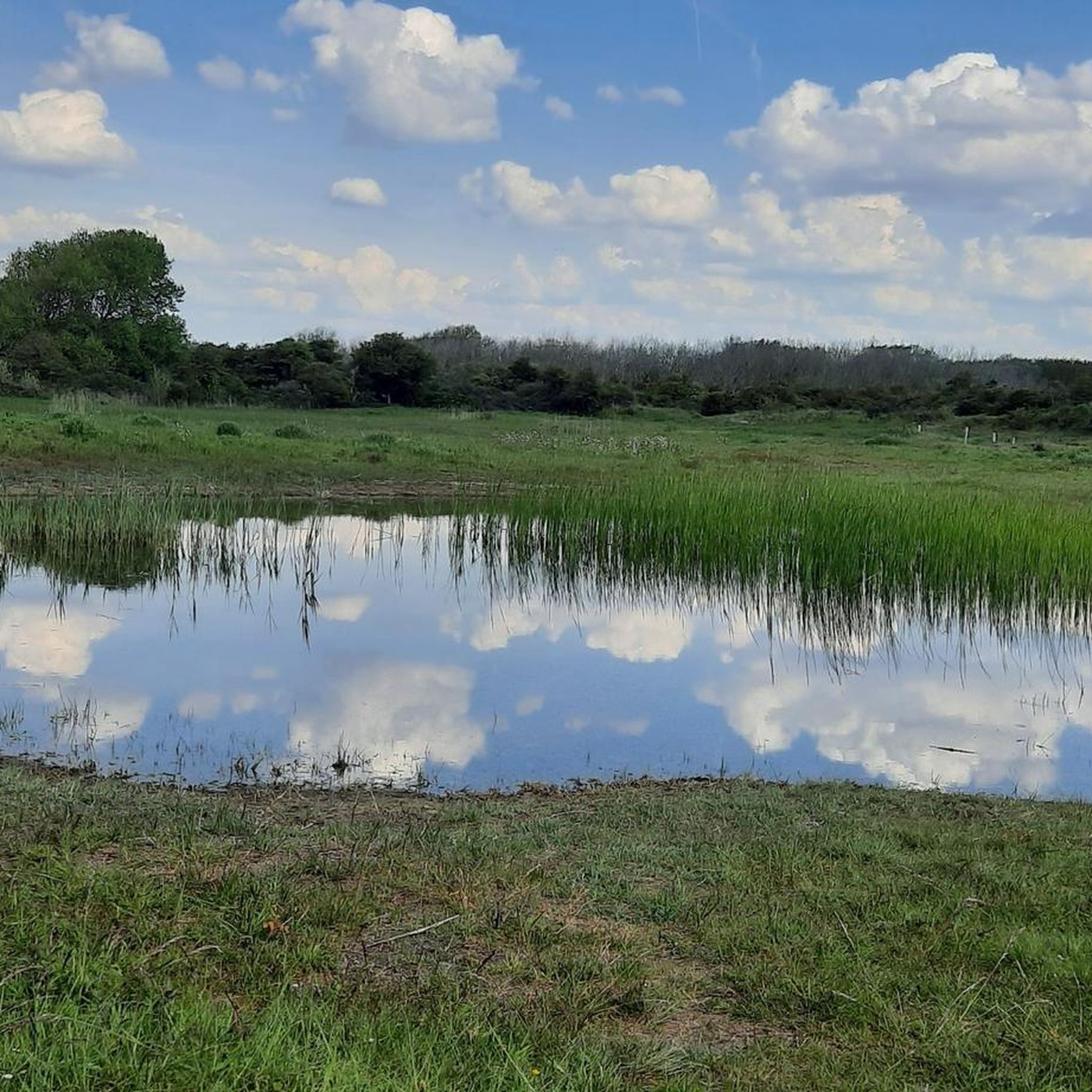
Nature reserve. You're pretty much alone here.
3
0

The Maerebrug was installed in 2013 as part of the functional and recreational cross-border project Dunkirk-De Panne and is a fixed, steel bridge for cyclists, pedestrians and horse riders. There are gentle access ramps on both sides of the bridge so that road users can use the bridge easily. The bridge is 4 meters wide and spans a length of 33 meters. The construction of the bridge was integrated into the rural environment as much as possible. The bridge was given the name 'Maerebrug' as a reference to the connection that this bridge makes to the two parts of the Maerestraat, once one whole, but cut in two by the construction of the Nieuwpoort-Duinkerke canal. 'Maere' refers to 'mer', 'mar' (sea) and 'Moere' (so between the sea and the marshes).
3
1

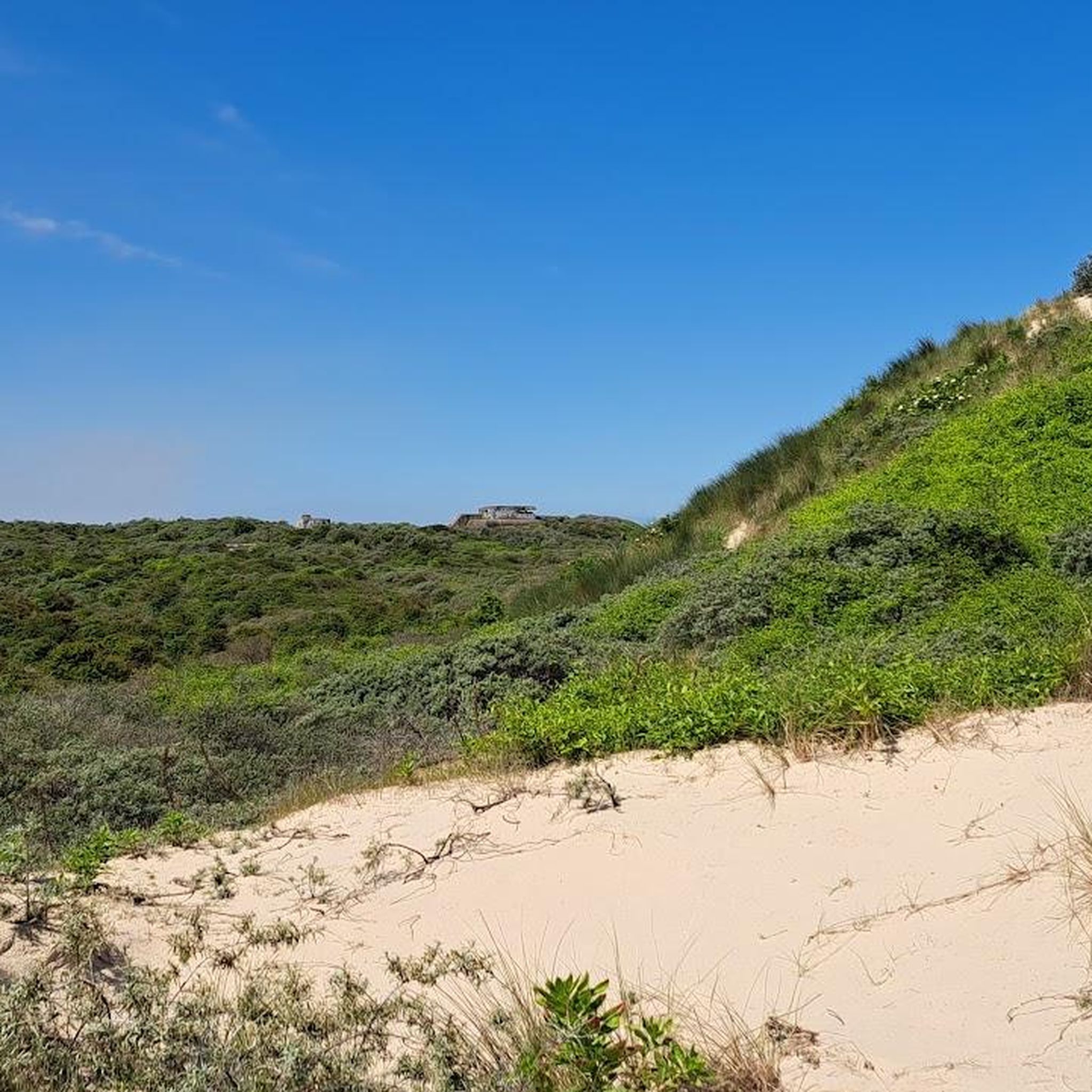
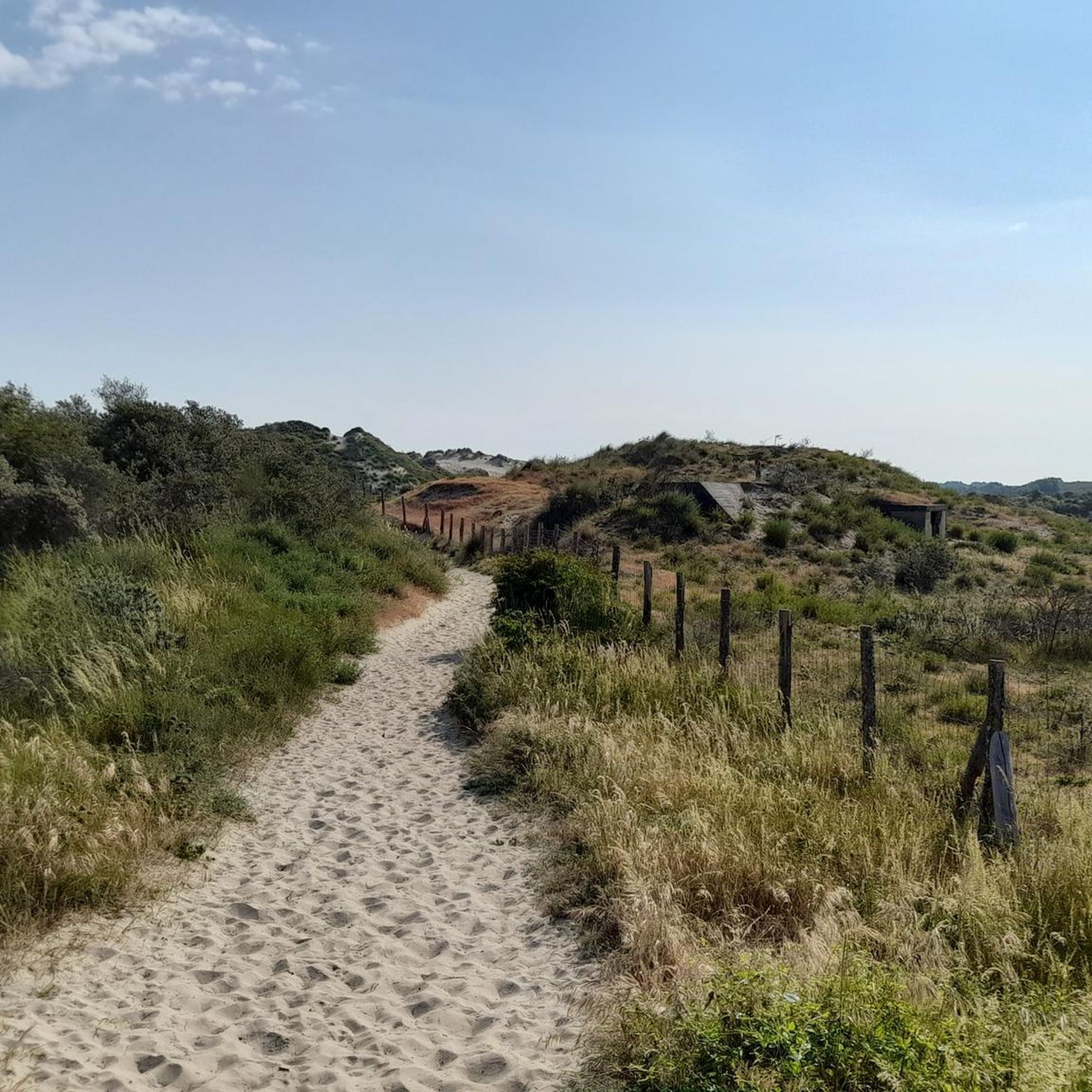
Together with the IJzermonding and the Zwin, the Krakeelduinen are part of the Natura 2000 area Dune Areas. After WWII the dunes were used as a water extraction area, but nowadays the dune area is being restored to its natural glory. You will now find Scottish Blackface sheep grazing the area and since the concrete has been removed the sand can flow freely again.
3
0
Frequently Asked Questions
What natural landscapes can I explore around Leffrinckoucke?
Leffrinckoucke boasts exceptional natural settings, including the Krakeelduinen Nature Reserve, which is undergoing restoration and home to Scottish Blackface sheep. You can also visit the Dune Dewulf Nature Reserve, part of the 'Grands Sites de France' network, offering a blend of dry dunes and moist dune pans. The commune's coastline features the serene Plage de Leffrinckoucke, known for its fine sand and tranquil views, and the extensive Dunes of Leffrinckoucke, which are home to rare flora and fauna.
What historical sites can I visit in Leffrinckoucke?
Leffrinckoucke is rich in history. The most prominent site is the Fort des Dunes, a 19th-century military fortress that played a significant role in World War II's Operation Dynamo. It houses a museum detailing the region's military past. You can also explore the remnants of the Atlantic Wall at Batterie de Leffrinckoucke, offering a glimpse into its past as a French and British headquarters. Additionally, the Belgium–France Border at Grenspad and 1819 Border Marker provides historical context related to the border and old smuggler stories.
Are there family-friendly attractions in the area?
Yes, several attractions are suitable for families. The Belgium–France Border at Grenspad and 1819 Border Marker is a historical site that can be interesting for all ages. The Pier Kloeffe Statue, De Panne, located on the beach, offers a cultural point of interest in a family-friendly setting. The Dune Dewulf Nature Reserve is also considered family-friendly, offering space for exploration and nature observation.
What kind of outdoor activities can I do near Leffrinckoucke's attractions?
The area around Leffrinckoucke is ideal for various outdoor activities. You can enjoy long nature walks along the 15 kilometers of continuous beach extending to Belgium. The Vélomaritime, a European cycling route, passes through Leffrinckoucke, offering a gentle way to explore the coast. Water sports like speed-sailing, sand yachting, and kitesurfing are popular at Plage de Leffrinckoucke. For more structured routes, you can find numerous hiking routes, road cycling routes, and MTB trails in the vicinity.
Are there good hiking opportunities near Leffrinckoucke's attractions?
Yes, Leffrinckoucke offers excellent hiking opportunities, especially through its dune landscapes and along the coast. You can explore trails within the Krakeelduinen Nature Reserve and the Dune Dewulf Nature Reserve. For specific routes, consider the 'Fortress in the dunes – Blockhaus 602 in the Dunes loop from Leffrinckoucke' or the 'Zuydcoote Beach – long beautiful beach loop from Leffrinckoucke'. More options are available in the hiking guide for Leffrinckoucke.
Can I cycle around the attractions in Leffrinckoucke?
Absolutely! Leffrinckoucke is very cyclist-friendly. The Maerebrug (Maere Bridge) over the Nieuwpoort–Dunkirk Canal is specifically designed for cyclists, pedestrians, and riders, connecting different parts of the region. The Vélomaritime route also passes through, offering scenic coastal rides. You can find various road cycling routes and MTB trails, such as the 'Malo-les-Bains Beach loop from Leffrinckoucke' or the 'Digue du Vent – De Panne - Dunkirk loop from Leffrinckoucke'.
Is there a museum dedicated to the region's history?
Yes, the Fort des Dunes houses a museum, known as Musérial - Fort des Dunes. It traces the region's military history, displaying exhibits, period uniforms, weapons, and photographs, with a particular focus on World War II and Operation Dynamo. It serves as both a museum and a memorial, contributing to the cultural vitality of the Dunkirk area.
What is the best time to visit Leffrinckoucke?
Leffrinckoucke can be enjoyed year-round, but the best time often depends on your preferred activities. The warmer months are ideal for beach activities and water sports. Spring and autumn offer pleasant temperatures for hiking and cycling through the dunes and along the coast. The Fort des Dunes also hosts various cultural events throughout the year, so checking their schedule might influence your visit.
Are there any unique or 'hidden gem' attractions in Leffrinckoucke?
Beyond the main highlights, the fascinating wrecks of boats along Plage de Leffrinckoucke, including the 'Claude' supply barge from Operation Dynamo, offer a unique and often overlooked sight, appearing and disappearing with the tides. Exploring the uncrowded bunkers of the Batterie de Leffrinckoucke also provides a more intimate historical experience away from larger crowds.
What do visitors enjoy most about Leffrinckoucke?
Visitors particularly appreciate the blend of historical significance and natural beauty. The serene beaches and extensive dune landscapes, like the Krakeelduinen Nature Reserve, are highly valued for their tranquility and opportunities for nature connection. The historical sites, such as the Fort des Dunes and the Belgium–France Border at Grenspad, offer engaging insights into the past. The wide, clean beaches are also a favorite for walking and relaxation.
Are there any accessible attractions for visitors with mobility needs?
The Maerebrug (Maere Bridge) over the Nieuwpoort–Dunkirk Canal is designed with soft access ramps, making it accessible for pedestrians, cyclists, and riders. The Pier Kloeffe Statue, De Panne, located on the wide beach, is also generally accessible. While some dune paths might be challenging, many coastal areas offer flatter terrain suitable for easier movement.
Can I bring my dog to the attractions in Leffrinckoucke?
Many natural areas, such as the beaches and dune paths, are generally dog-friendly, especially for walks. However, it's always advisable to check local regulations for specific nature reserves like Krakeelduinen or Dune Dewulf, as rules can vary regarding leashes or restricted areas to protect wildlife. Historical sites like the Fort des Dunes may have specific policies regarding pets inside buildings.
Most popular routes around Leffrinckoucke
Most popular attractions around Leffrinckoucke

Get inspired with the komoot mobile app


Explore more
Still not found the Highlight you’re looking for? See guides of the top attractions in other regions:
