The best road cycling routes around Pouant
4.6
(10)
195
riders
96
rides
Road cycling routes around Pouant traverse the varied landscape of the Vienne department in west-central France, characterized by rolling hills and agricultural plains. The region offers a diverse topography with elevations ranging from 47 meters to 112 meters, providing both flatter sections and moderate climbs. Cyclists can expect quiet country roads that wind through rural areas, interspersed with small woodlands and terraced vineyards. This terrain supports a range of road cycling experiences, from leisurely rides to more challenging routes.
Best…
Last updated: July 6, 2026
4.0
(2)
3
riders
Easy road ride. Great for any fitness level. Mostly well-paved surfaces and easy to ride.
5
riders
29.9km
01:17
110m
110m
Easy road ride. Great for any fitness level. Mostly well-paved surfaces and easy to ride.

Sign up for free
3
riders
73.6km
03:04
460m
460m
Moderate road ride. Good fitness required. Mostly well-paved surfaces and easy to ride.
5
riders
26.0km
01:12
160m
160m
Easy road ride. Great for any fitness level. Mostly well-paved surfaces and easy to ride.
4
riders
61.8km
02:27
210m
210m
Moderate road ride. Good fitness required. Mostly well-paved surfaces and easy to ride.
Get access to more routes and recommendations from other explorers.
Sign up for free
Already have an account?
Our route recommendations are based on thousands of hikes, rides, and runs completed by other people on komoot.
Start today with a free account
Your next adventure awaits.
Login or Signup

Tips from the Community

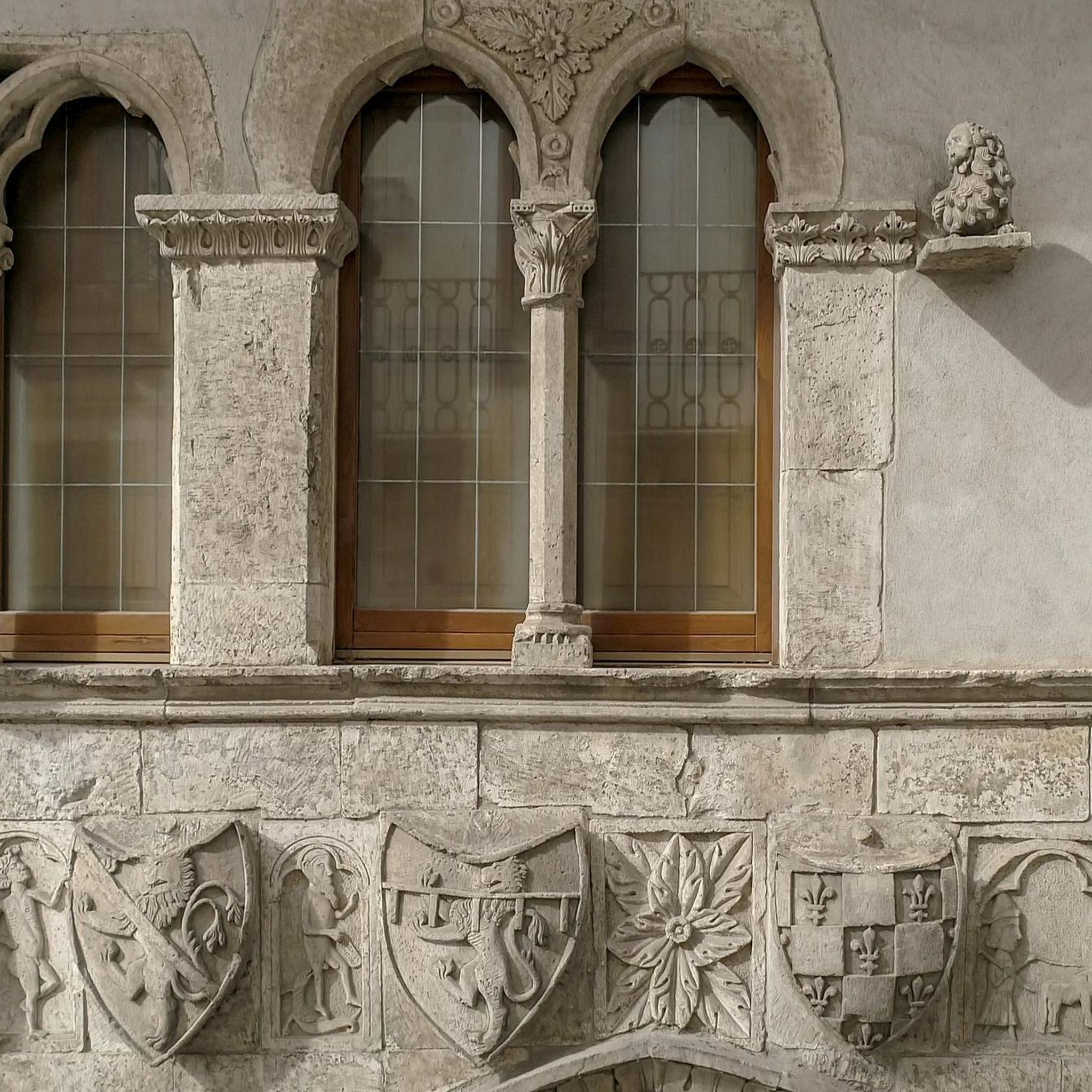
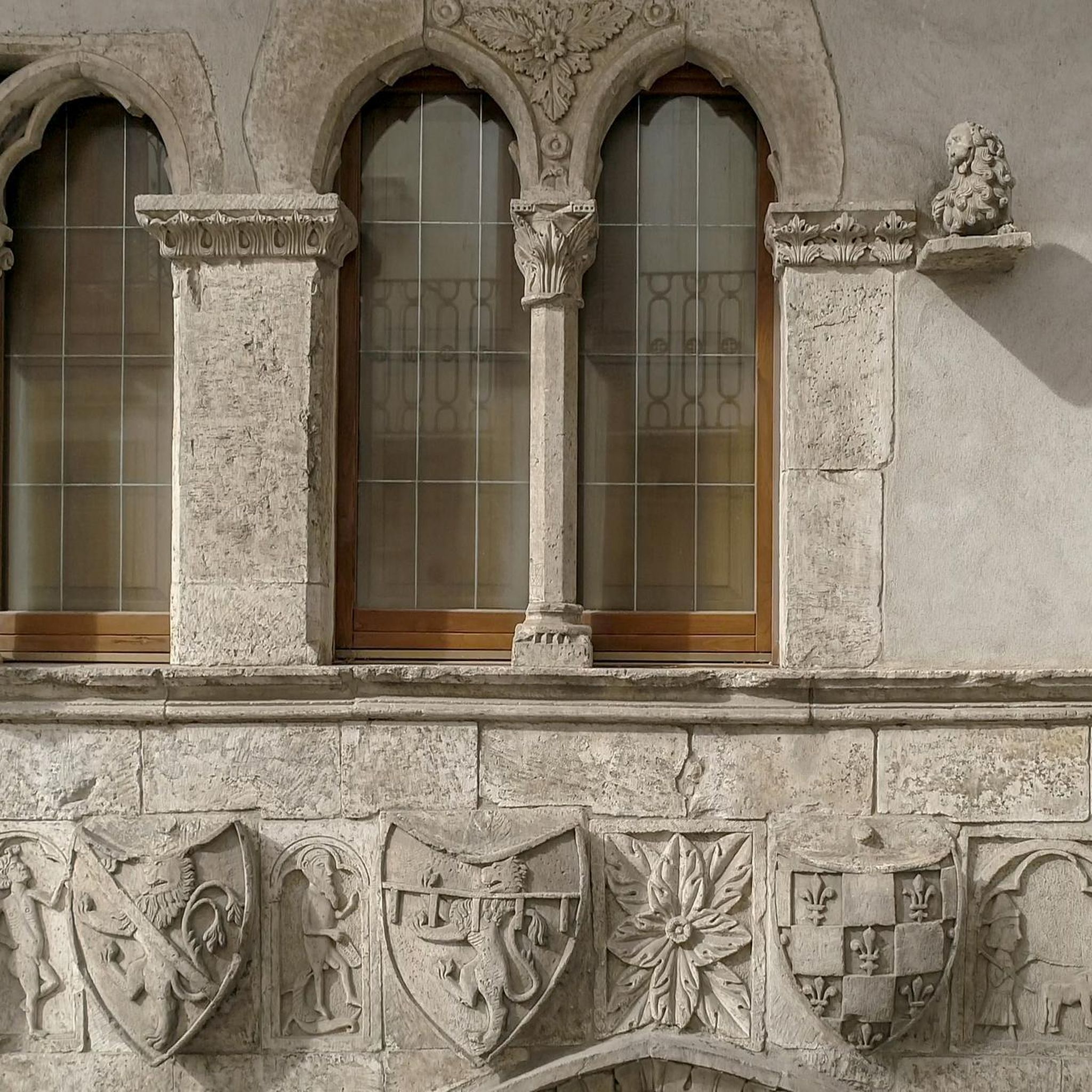
Crissay-sur-Manse is one of the most beautiful villages in France. The Manse River, which gives the village its name, flows through the southern part of the municipality. Sights: - Saint-Maurice Church (early 16th century) - Houses from the 15th and 16th centuries - Castle ruins (15th century)
0
0

A must-see: the Happy-culteurs of Champigny sur Veude (the station).
0
0

Location: 46.907001, -0.002937 http://www.thegreenwichmeridian.org/tgm/location.php?i_latitude=46.907001
0
0

This café belongs to the Auberge de Crissay, but you can stop even if you are not staying at the establishment. The view is magnificent! https://www.logishotels.com/fr/hotel/logis-auberge-de-crissay-254579?partid=1535
1
0

In 1631, to thank his minister, Cardinal Richelieu, for his eminent services, King Louis XIII did him the favor of erecting "a town enclosed by walls and moats and building a market hall" and establishing four annual fairs and two markets per week. Thus emerged from nothing, an "ideal city" according to the precepts of the time which would bear the name of the Cardinal. Richelieu entrusted Jacques Lemercier, architect of the king, author of the Sorbonne and the Palais-Royal, with the task of building, on the site of the family property, a vast castle, a reflection of his grandeur and a new city, nearby. Nearly 2000 workers would work on the site. Inside the walls, the Cardinal gave the land to whoever agreed to build a pavilion within two years according to the plans filed with the city registry. The inhabitants will be exempt from tax and gabelle until there are 100 houses built. 4/5 of the project will be completed between 1632 and 1642, the year of the Cardinal's death. Contrary to the words of Jean de la Fontaine (who also ironically described the town as "the most beautiful village in the universe"), far from being deserted, the town had 4,000 inhabitants in 1690, compared to less than 2,000 today. This innovative project, which linked the construction of a castle and a town in the same program, foreshadowed the Versailles construction site that would open 30 years after the completion of the city walls of Richelieu. Adjacent to the walls, Richelieu Park, with an area of 475 ha, housed the vast estate of the castle of the du Plessis family (original surname of Cardinal Richelieu), of which only a few vestiges remain today. Richelieu is now a somewhat unusual town in the French landscape, with its three access gates and its two large symmetrical squares. Organized in quadrilaterals and perpendicular streets in the manner of American cities, it offers a unique testimony to urban planning of the Grand Siècle.
0
0

The Notre Dame church was built in 1635 by Pierre Le Mercier.
0
0

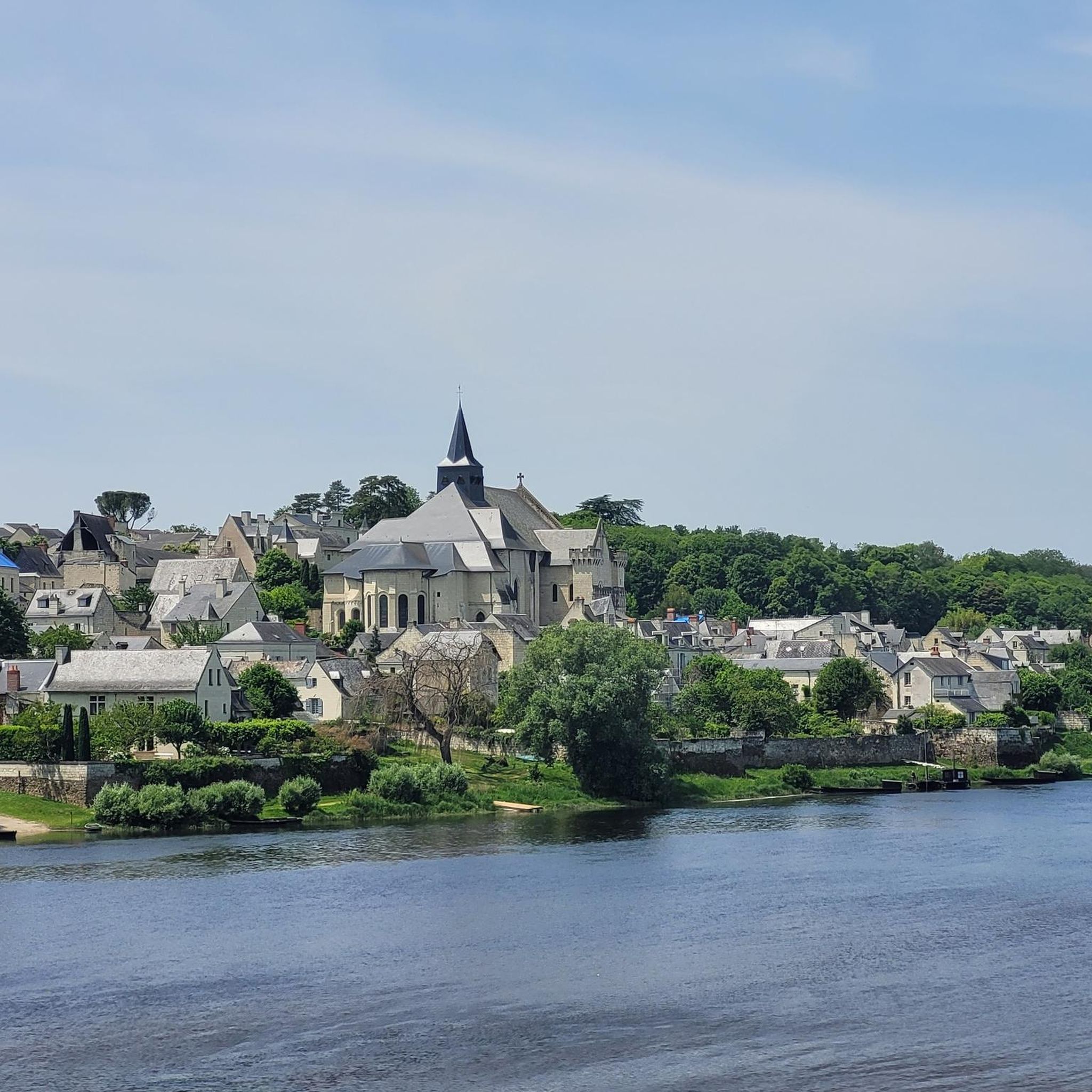
L'Île-Bouchard is a commune made up of two suburbs, Saint Maurice and Saint Gilles, each on opposite sides of the Vienne. The two suburbs are connected by a bridge and separated by the island which gives its name to the city - Île-Bouchard.
1
0

Frequently Asked Questions
What kind of terrain can I expect on road cycling routes around Pouant?
The region around Pouant, located in the Vienne department, features a diverse landscape ideal for road cycling. You'll find a mix of rolling hills and agricultural plains, with elevations ranging from 47 to 112 meters. This topography provides both gentler, flatter sections and some rewarding climbs, ensuring varied experiences for different fitness levels. Expect quiet country roads winding through rural areas, interspersed with small woodlands and terraced vineyards.
How many road cycling routes are available in the Pouant area?
There are over 90 road cycling routes available around Pouant, catering to various skill levels. This includes approximately 35 easy routes, 55 moderate routes, and a few more challenging options, ensuring there's something for every cyclist.
What are some notable historical landmarks or attractions I can see while cycling near Pouant?
The area is rich in history and culture. You can cycle past impressive sites like the Château du Rivau, located just 11 km from Pouant. Other routes might take you near the historic town of Richelieu, or offer views of the Royal Fortress of Chinon. Within Pouant itself, you can find the historic 'Wind of Bollee' wind pump and the Romanesque church of Saint-Hilaire.
Are there any family-friendly road cycling routes around Pouant?
Yes, the region offers several routes suitable for families, particularly those with gentler terrain. Many of the 35 easy routes available are perfect for a relaxed family outing. For example, the Champigny-sur-Veude – Château des Brétignolles loop from Assay is an easy 22.4-mile (36.1 km) trail that leads through rural landscapes and past châteaux, offering a pleasant experience for all ages.
What is the best time of year for road cycling in Pouant?
The Vienne department, where Pouant is located, is generally pleasant for cycling. The region experiences a diverse climate, but spring and autumn typically offer the most comfortable temperatures for road cycling. The roads are well-maintained, and the rural setting provides serene routes away from heavy traffic, making it enjoyable across multiple seasons.
Can I find circular road cycling routes in the Pouant area?
Yes, many of the routes around Pouant are designed as loops, allowing you to start and end your ride in the same location. For instance, the popular Le Cardinal – Cardinal Richelieu loop from Richelieu is a 25.5-mile (41.0 km) circular route that connects to the historic town of Richelieu.
What do other road cyclists enjoy most about cycling in Pouant?
The road cycling routes in Pouant are highly rated by the komoot community, with an average score of 4.3 stars from over 10 reviews. Cyclists often praise the quiet country roads, varied topography, and the opportunity to explore charming rural areas and historical sites like the Royal Fortress of Chinon.
Are there any long-distance road cycling options near Pouant?
While many routes are moderate in length, you can find longer options for more endurance-focused rides. For example, the Richelieu – Crissay-sur-Manse Village loop from Richelieu covers a distance of 46.4 miles (74.7 km), offering a more extended cycling experience through the scenic countryside.
Where can I find parking for road cycling routes in Pouant?
As Pouant is a rural area, parking is generally available in and around the commune, especially near the starting points of popular routes or in nearby towns. Many routes begin from villages like Richelieu or Assay, where you can typically find suitable parking for your vehicle.
Are there any specific cycling regulations or permits required in the Vienne department?
Generally, no special permits are required for road cycling on public roads in the Vienne department or France. However, it's always advisable to follow standard French road cycling regulations, such as wearing a helmet (mandatory for children under 12, recommended for all), having appropriate lighting for night cycling, and respecting traffic laws. For more information on general cycling regulations in France, you can consult official tourism or government websites.
What kind of natural features can I expect to see along the routes?
The surrounding countryside of Pouant is characterized by its rural, dispersed habitat. Cyclists can expect to traverse agricultural plains interspersed with small woodlands, offering a tranquil and immersive experience. The broader region is also known for its proximity to the Natural Park Loire-Anjou-Touraine, celebrated for its cycling routes along rivers and through vineyards, providing diverse natural beauty.
Can I access Pouant by public transport for cycling trips?
While Pouant is a smaller commune, public transport options in the wider Vienne department can connect you to larger towns like Poitiers or Châtellerault. From these hubs, you might find local bus services or regional trains that allow bikes, though direct access to Pouant itself might be limited. Planning your journey in advance and checking local transport schedules is recommended.
Most popular attractions around Pouant

Get inspired with the komoot mobile app


Explore more
Browse the best Road cycling routes in other regions.
