The best cycling routes around Rocquemont
4.5
(124)
601
riders
116
rides
Touring cycling around Rocquemont features routes through the Oise department, characterized by its extensive forests and gentle river valleys. The region offers a landscape of rolling terrain, interspersed with historical sites and agricultural areas. Elevations are generally low, making for accessible cycling. This area provides a mix of natural scenery and cultural points of interest suitable for touring cyclists.
Best touring cycling routes around Rocquemont
- The most popular touring cycling route is Saintines - Béthisy-St-Pierre Bicycle Route, an 11.1…
Last updated: July 5, 2026
4.0
(1)
3
riders
17.8km
01:17
220m
220m
This moderate 11.1-mile touring cycling route connects Saintines and Béthisy-Saint-Pierre, offering scenic views and historical sites.
1
riders
19.5km
01:22
210m
210m
Cycle a moderate 12.1-mile loop through the Réserve biologique dirigée des Grands Monts, exploring the Compiègne State Forest and historic r

Sign up for free
4.2
(10)
32
riders
Easy bike ride. Great for any fitness level. Mostly paved surfaces. Suitable for all skill levels.
5.0
(3)
8
riders
26.1km
01:34
150m
160m
Moderate bike ride. Good fitness required. Mostly paved surfaces. Suitable for all skill levels.
5.0
(1)
8
riders
53.0km
03:11
350m
350m
Moderate bike ride. Good fitness required. Mostly paved surfaces. Suitable for all skill levels.
Get access to more routes and recommendations from other explorers.
Sign up for free
Already have an account?
Our route recommendations are based on thousands of hikes, rides, and runs completed by other people on komoot.
Start today with a free account
Your next adventure awaits.
Login or Signup
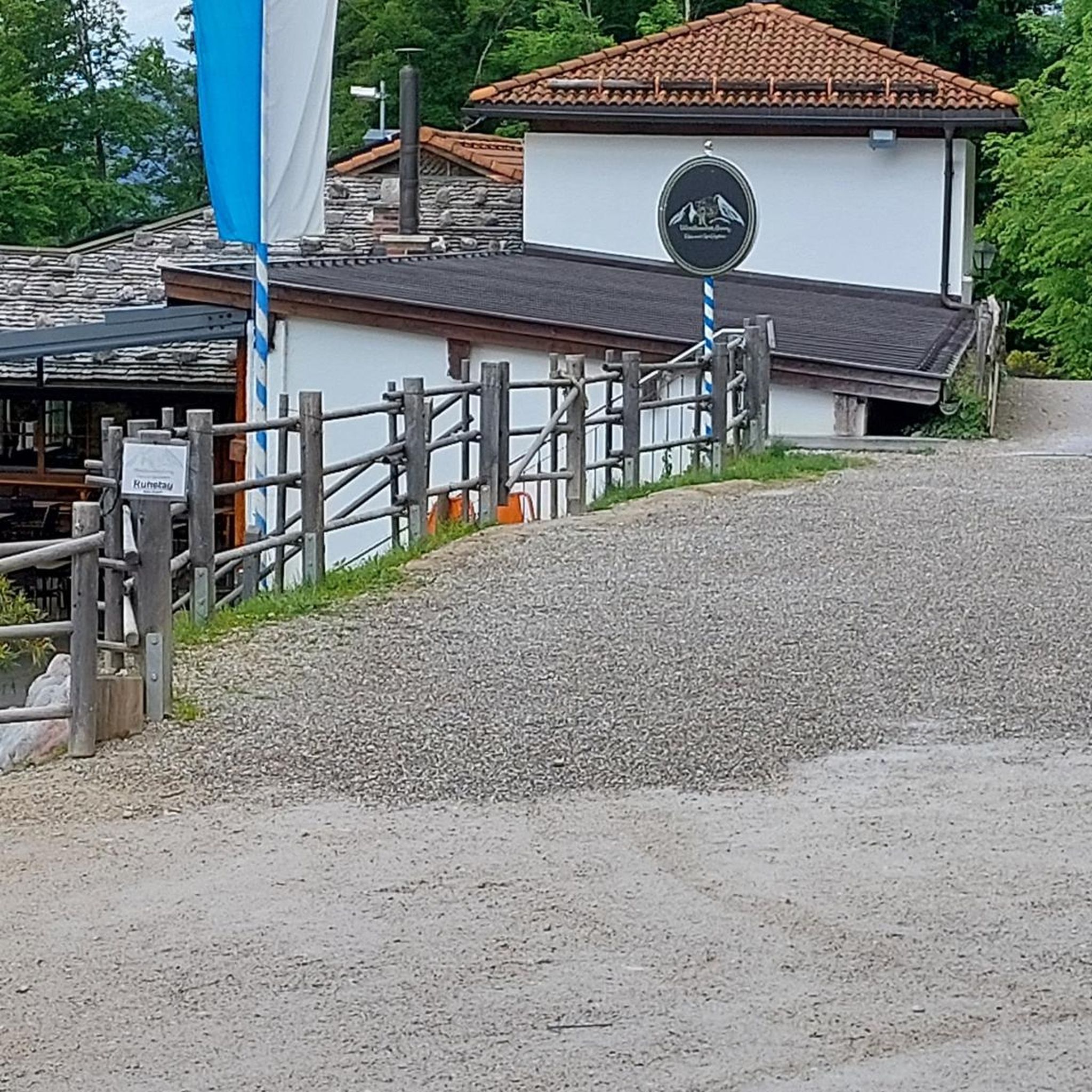
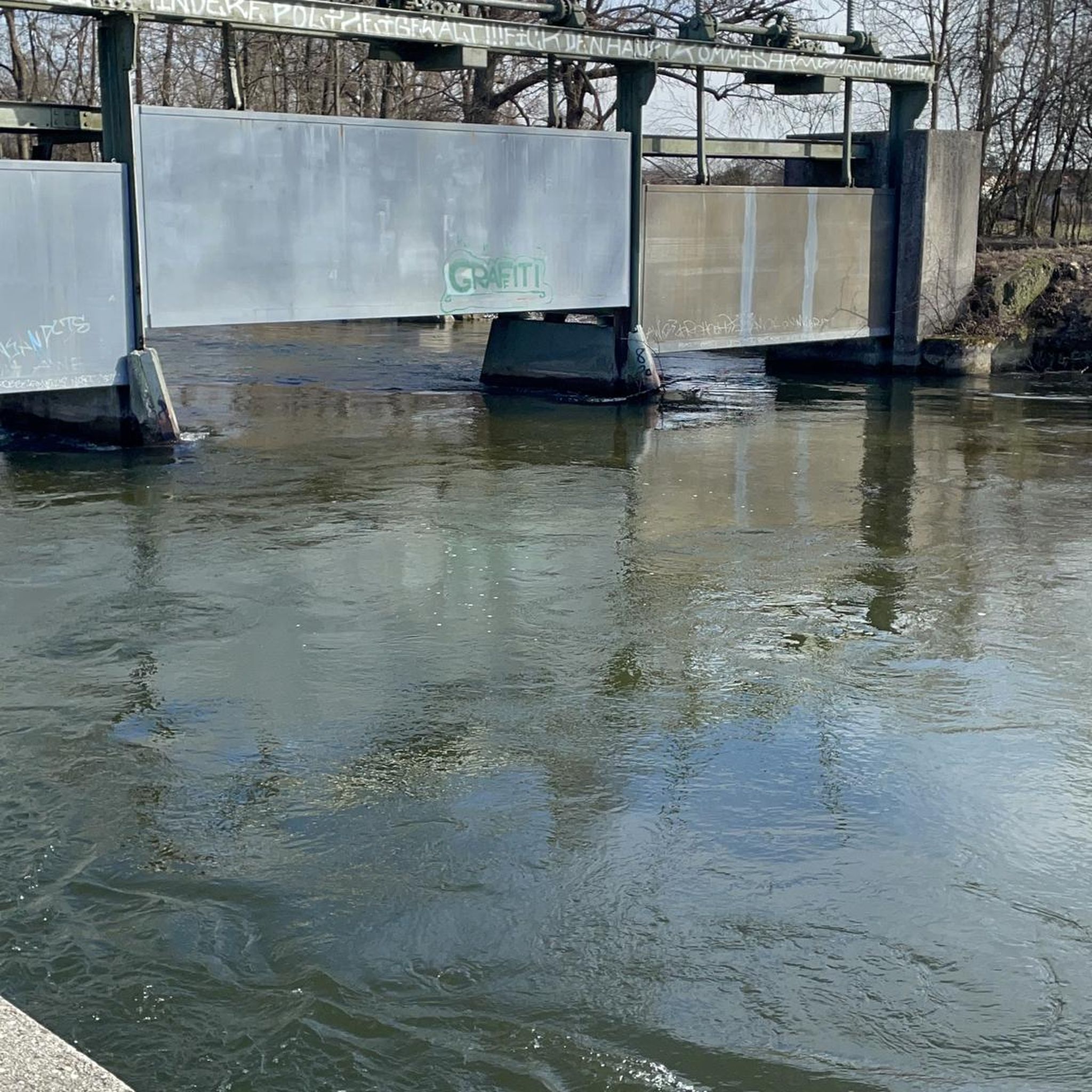

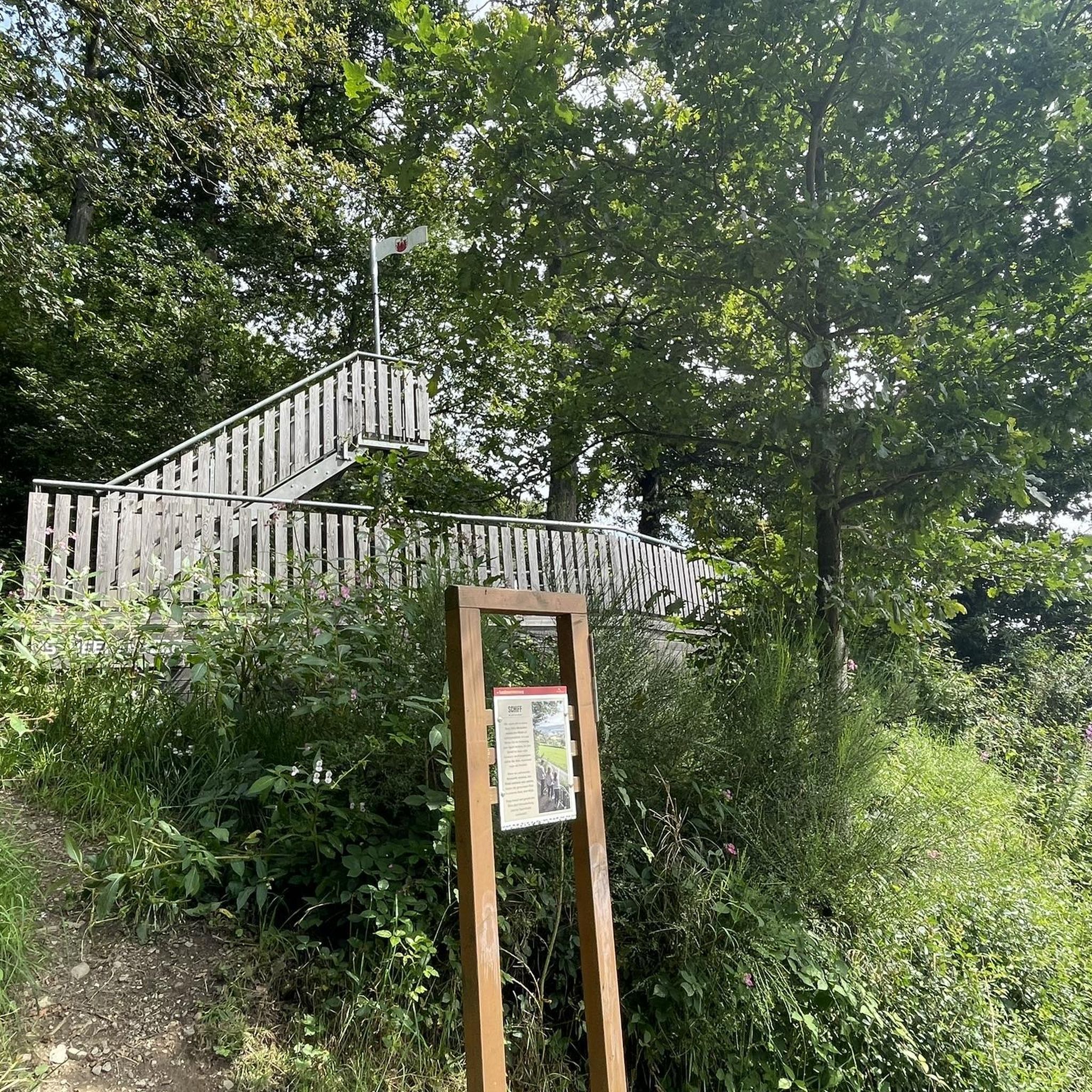
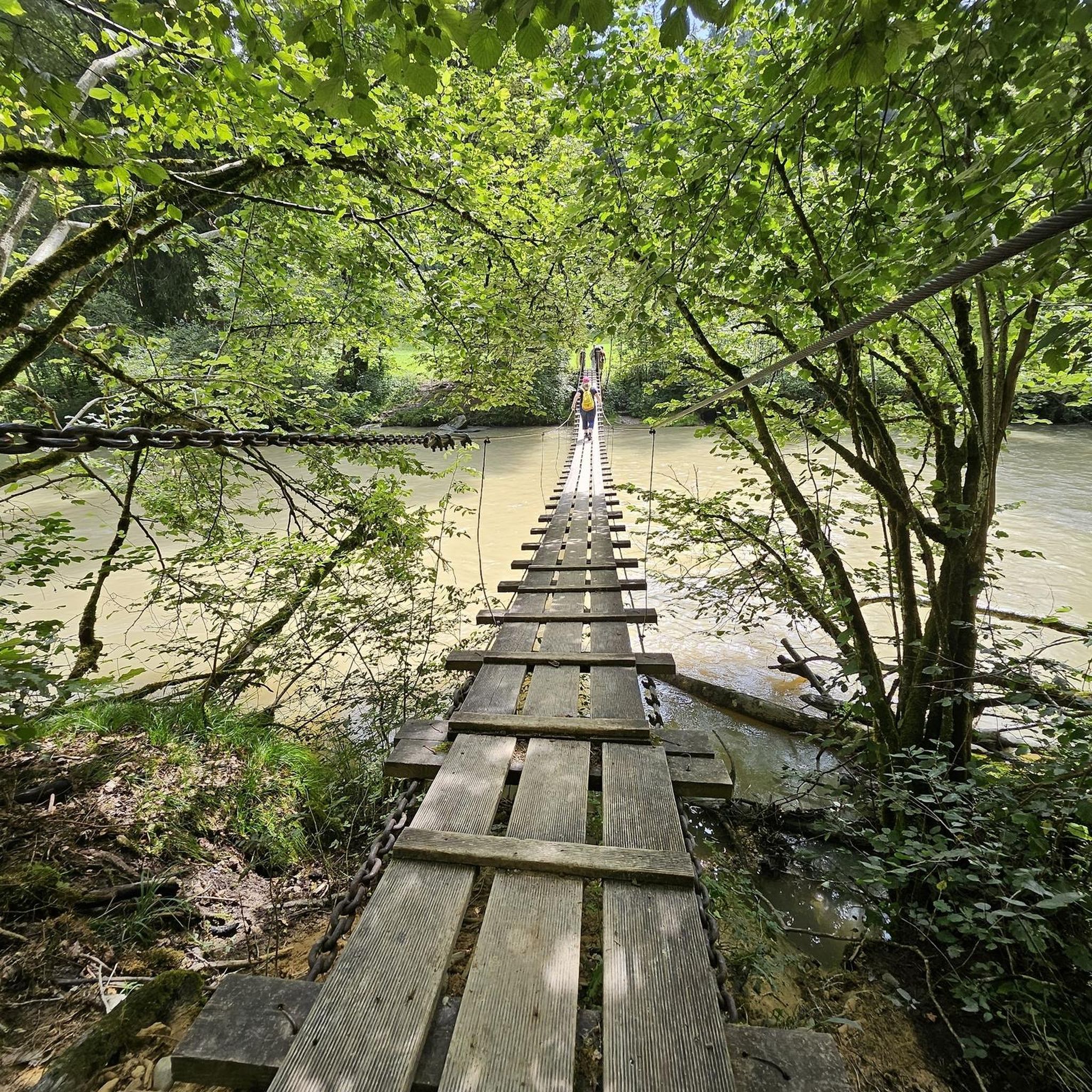
Tips from the Community

At the tip of the fortified spur of Crépy-en-Valois, the former Saint-Arnoul priory (founded in the 10th century, which became a Benedictine abbey and then an important Cluniac priory in 1076) suffered heavy damage during the Hundred Years' War, particularly during the sack of 1434. Of the church, the necropolis of the Counts of Valois, the western wall of the crypt and that of the north aisle remain, revealing a remarkable Romanesque vocabulary (acanthus leaf capitals, Carolingian traditions). Enhanced since 1964, the complex still retains the 12th-century stoker's room, the superb chapter house and the eastern gallery of the cloister.
0
0

A lovely section of trail through the ponds. It's well-surfaced and very quiet.
2
0

Very beautiful ponds on the Oise near Verberie.
1
0

Take good tires and provisions with you
1
0


The first known castle at a place called la Noue or la Noüe was built at the end of the 10th or at the very beginning of the 11th century in the town of Pisseleux, in the commune of Villers-Cotterêts. It was replaced by another castle built in the 13th century and then in the 15th and 16th centuries, the enclosure, the keep, the dovecote and the turret can still be seen on the facade of the main building. Source: Wikipedia
0
0

The oldest building within the grounds of the Château de la Douye is what appears to be part of the “Grand Hôtel” built by King John II the Good in 1344 and partially destroyed during the 100 Years' War. John II liked Bethisy which he called his “desert”. He made numerous stays there. The Château de la Douye is more recent. It is described as a composite manor, made up of two buildings at right angles: one very simple, is from the 17th century; the other contains the chapel whose window with flamboyant tracery retains stained glass. At the intersection a 15th century staircase turret. The history of the castle is little known. The first owners seem to have been the Anthonis, lords of Douye. Around 1475, Gilles Anthonis, Lord of Douye, Baron and Vémars, was Notary and Secretary to King Louis XI and hereditary Gruyer of Béthisy, in the forest of Cuise. Subsequently, for example, it was the turn of Berthelemy (1570), Le Doux (1655) and Beaurain (1762). More recently, La Douye welcomed the Missionary Sisters of the Holy Spirit. Numerous works have now completely transformed the interiors. The stained glass window is also more modern. Around 1820 the arms of Charles VI and VII were visible on the turret and in the chapel. Charles VI, the beloved or the madman, king of France from 1380 to 1422. Charles VII, the victorious, king of France from 1422 to 1461.
0
0
Frequently Asked Questions
How many touring cycling routes are available around Rocquemont?
There are over 120 touring cycling routes in the Rocquemont area, catering to various skill levels. This includes 29 easy routes, 68 moderate routes, and 26 more challenging options.
Are there easy touring bike routes suitable for beginners in Rocquemont?
Yes, Rocquemont offers several easy touring bike routes. An excellent option for beginners is the Saint-Vaast-de-Longmont Church – Steep Forest Trail loop from Béthisy-Saint-Pierre, which is 15.3 miles long and features gentle terrain through forested areas.
What is the typical duration for touring bike routes in Rocquemont?
The duration of touring bike routes varies depending on the distance and your pace. For example, the Saintines - Béthisy-St-Pierre Bicycle Route, at 11.1 miles, typically takes about 1 hour 16 minutes. Longer routes, such as the Ruins – Château de Noue loop from Glaignes, can take over 3 hours to complete.
Are there any circular touring bike routes in the Rocquemont area?
Yes, many of the touring bike routes around Rocquemont are designed as loops, allowing you to start and finish in the same location. The Champlieu Roman Ruins and Compiègne Forest Loop is a popular circular route that takes you through historic sites and woodlands.
What kind of scenery can I expect on touring bike routes around Rocquemont?
Touring cyclists in Rocquemont can expect a diverse landscape featuring extensive forests, tranquil river valleys, and rolling agricultural areas. The region is characterized by its natural beauty and historical sites, offering a mix of natural scenery and cultural points of interest.
What historical sites or landmarks can I explore along the touring bike routes?
The Rocquemont area is rich in history. Along your rides, you might encounter sites like Montépilloy Castle, the ancient Gallo-Roman ruins of Champlieu, or Douye Castle. Many routes also pass by charming local churches such as Pondron Church.
Is parking available near the touring bike routes in Rocquemont?
While specific parking details for each route are not always listed, Rocquemont and its surrounding villages, such as Béthisy-Saint-Pierre or Glaignes, typically offer public parking areas. These are often found near town centers or designated trailheads, providing convenient access to the routes.
What is the best time of year for touring cycling in Rocquemont?
The Oise department, where Rocquemont is located, generally experiences mild weather. Spring and autumn offer pleasant temperatures and beautiful scenery, with fewer crowds. Summer is also suitable, though it can be warmer. Winter cycling is possible but may require appropriate gear for colder conditions.
Are there any touring bike routes that pass by castles or châteaux?
Yes, several routes in the region incorporate historical estates. The Château de la Douye – Saint-Arnoul Abbey loop from Béthisy-Saint-Pierre is a great example, allowing you to cycle past the Château de la Douye and other historical points of interest.
What do other touring cyclists say about the routes in Rocquemont?
The touring cycling routes around Rocquemont are highly regarded by the komoot community, with an average rating of 4.4 stars from over 100 reviews. Cyclists often praise the quiet woodlands, the well-maintained paths, and the opportunity to discover historical landmarks along the way.
Are there any longer, more challenging touring bike routes for experienced cyclists?
For experienced cyclists looking for a longer ride, the Rocquemont area offers more challenging options. The Ruins – Château de Noue loop from Glaignes is a moderate route spanning over 32 miles with a notable elevation gain, providing a good test for endurance.
Most popular routes around Rocquemont
Most popular attractions around Rocquemont

Get inspired with the komoot mobile app


Explore more
Browse the best Cycling routes in other regions.
