Top 13 Castles around Pleurtuit
Best castles around Pleurtuit are situated in a region known for its historical significance and coastal features, including the Rance estuary. The area provides a diverse landscape for exploration, combining historical sites with natural beauty. This part of Brittany features various fortifications and estates that reflect centuries of regional history. Visitors can explore structures ranging from medieval ruins to 18th-century châteaux.
Best castles around Pleurtuit
- The most popular castles is Saint-Malo Castle, a castle built by the Dukes of…
Last updated: June 23, 2026
Saint-Malo Castle
Highlight • Castle
Translated by Google •
Tip by

Queen's Fort
Highlight • Castle
Translated by Google •
Tip by

Sign up now to discover places like this
Get recommendations on the best single tracks, peaks, & plenty of other exciting outdoor places.
Sign up for free
View of Fort National from Éventail Beach
Highlight • Viewpoint
Translated by Google •
Tip by
Bidouane Tower
Highlight • Historical Site
Translated by Google •
Tip by

Guildo Castle
Highlight • Castle
The castle was once the property of Prince Gilles of Brittany, whom his own brother, Duke …
Translated by Google •
Tip by

Sign up for free to discover even more castles around Pleurtuit.
Sign up for free
Already have an account?
Start today with a free account
Your next adventure awaits.
Login or Signup

Tips from the Community

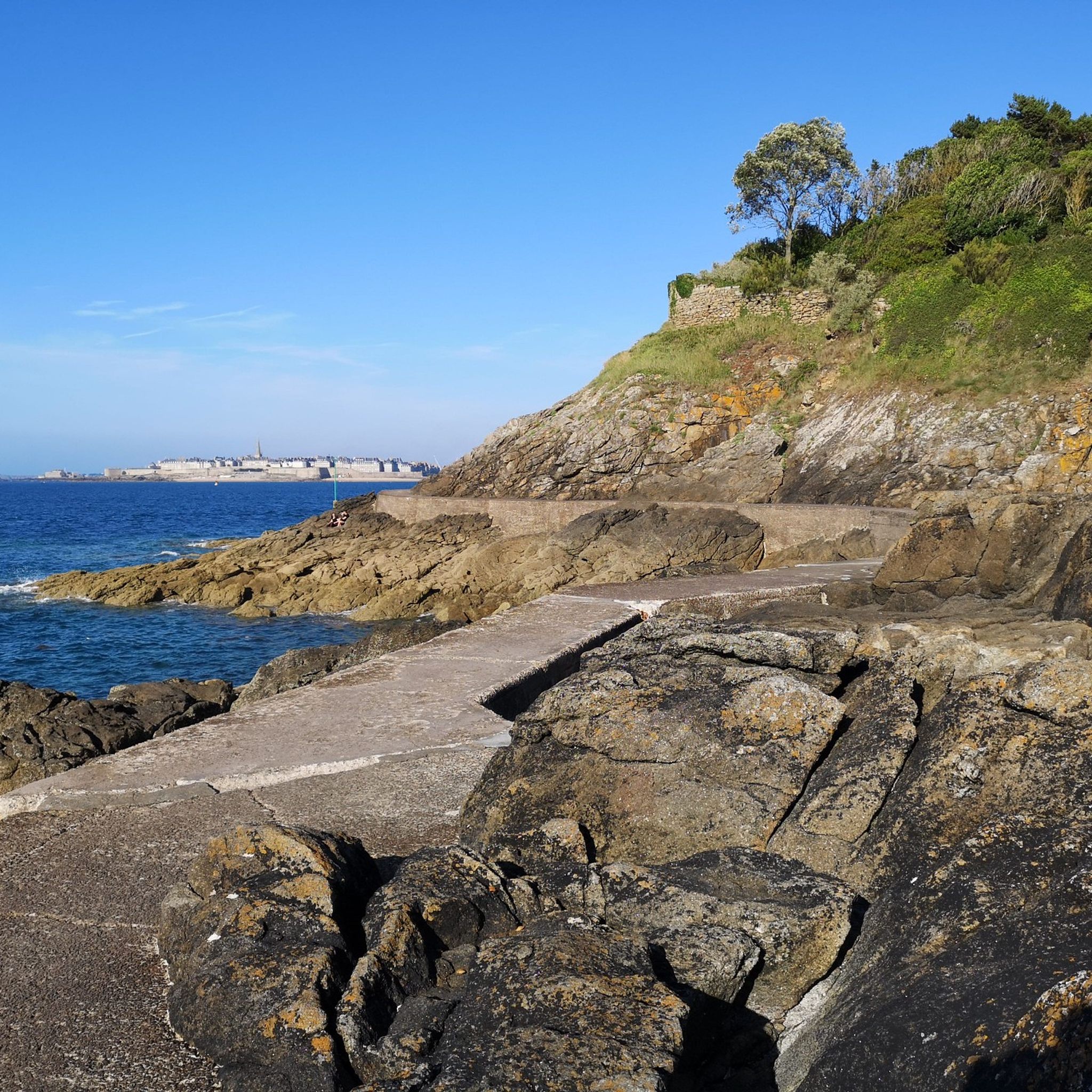
The Fort à la Reine is a historic bastion of the city walls of Saint-Malo, originally built in the 17th century by order of Vauban and later heightened in the 18th century. Located at the northwestern tip of the city, near the Tour Bidouane and the Plage de Bon-Secours, it provided strategic defense across the bay. Today, it is freely accessible, part of the city wall circuit, and offers panoramic views.
1
0
The Bidouane Tower is a historic gunpowder tower at the northwestern tip of the city walls, built in the 15th century for the defense of the city. In 1693, an attack by Anglo-Dutch forces on the tower failed when a ship loaded with explosives ran aground prematurely. In 1889, the tower lost its military function and today serves as a lookout point with panoramic views of the Bay of Saint-Malo, the islands of Grand Bé and Petit Bé, and the coast as far as Cap Fréhel.
1
0

The Fort à la Reine in Saint-Malo is a historic bastion that forms part of the city's fortifications. It was originally built in 1694 as the "Bastion du Cheval-Blanc" after an Anglo-Dutch attack on Saint-Malo. The famous military engineer Vauban ordered its construction to better protect the city against enemy attacks.
7
0
The Château de Saint-Malo is a historic castle in the city of Saint-Malo, Brittany. Located in the old town of Saint-Malo (Intra-Muros), close to the city beach and the city walls. Built in the 15th century by the Dukes of Brittany, particularly under Duke Jean V, it originally served to control the city of Saint-Malo, which was known for its strong sense of independence.
7
0

Today, a "national fort". This enclosure is private but regularly open to visitors.
1
1

It is hard to believe that people were able to build such buildings in such unusual places before
1
1

Beach close to intramuros and you can pass there on the furrow
0
0

The château was built between the 15th and 18th centuries by the Dukes of Brittany to secure their control over the city. It has been classified as a Monument Historique since July 1886.
6
0
Frequently Asked Questions
What unique castles can I visit near Pleurtuit?
Beyond the well-known fortifications, the Château de Montmarin in Pleurtuit stands out. This 18th-century malouinière features unusual architecture with a very tall main building and reverse-hulled roofs. It's particularly renowned for its six hectares of "Remarkable" gardens, which descend in terraced levels towards the Rance estuary.
Are there family-friendly castles to visit in the Pleurtuit area?
Yes, several castles and historical sites around Pleurtuit are suitable for families. Saint-Malo Castle and Guildo Castle are both categorized as family-friendly. The View of Fort National from Éventail Beach also offers an accessible historical experience with beach access.
What are the best castles for scenic views near Pleurtuit?
For stunning vistas, the Queen's Fort in Saint-Malo offers panoramic views of Sillon beach, Fort National, and the islands of Conchée and Cézembre. The Bidouane Tower also provides a beautiful perspective of the two Be islands. Additionally, the gardens of Château de Montmarin offer picturesque views over the Rance estuary.
What historical insights can I gain from visiting castles in this region?
The castles around Pleurtuit offer a rich historical tapestry. Saint-Malo Castle, built by the Dukes of Brittany, showcases centuries of regional authority. Guildo Castle, with its ruins overlooking the Arguenon, reveals its strategic defensive importance and tales of medieval figures like Prince Gilles of Brittany. The Queen's Fort and Fort National highlight the area's maritime defense history.
Are there hiking or walking trails near these castles?
Yes, the region offers various walking and hiking opportunities. You can find routes like the "Guildo Castle – It's worth it! loop from Pleurtuit" for cycling, which also offers scenic walking sections. For running, there's the "Cancaval Point loop from Le Minihic-sur-Rance" which provides coastal views. Explore more options on the Running Trails around Pleurtuit guide.
What outdoor activities can I do near the castles around Pleurtuit?
Besides exploring the castles, the area is great for outdoor activities. You can enjoy cycling with routes like the "Saint-Malo's ramparts – Beauchet Tidal Mill loop" from the Cycling around Pleurtuit guide. Gravel biking is also popular, with routes such as "Dinan Old Town – The Port of Dinan loop" available in the Gravel biking around Pleurtuit guide. Running trails are also abundant, including the "Lakeside Gravel trail – View of the Frémur Reservoir loop".
What is the best time to visit castles around Pleurtuit?
The region's castles and gardens, like those at Château de Montmarin, are particularly beautiful during spring and summer when the gardens are in full bloom. Coastal walks and exploring fortifications like those in Saint-Malo are pleasant during milder weather. While some sites are accessible year-round, checking specific opening hours for individual castles is recommended, especially during off-peak seasons.
What do visitors enjoy most about the castles around Pleurtuit?
Visitors frequently appreciate the blend of historical significance and natural beauty. The unique architecture of sites like Château de Montmarin and its remarkable gardens are a highlight. The historical context of Saint-Malo Castle and the scenic views from the ramparts and forts are also highly rated, with many enjoying the artistic atmosphere near the castle.
Is public transport available to reach castles near Pleurtuit?
While specific public transport routes to every castle may vary, Saint-Malo, where Saint-Malo Castle and Queen's Fort are located, is well-served by public transport. For other sites like Château de Montmarin or Guildo Castle, it's advisable to check local bus schedules or consider driving for easier access.
Are there any hidden gem castles or lesser-known historical sites worth visiting?
Beyond the main attractions, the Château de Montmarin, though notable, offers a more tranquil and less crowded experience compared to the bustling Saint-Malo fortifications. Its unique architecture and extensive gardens make it a distinctive historical site that provides a different perspective on the region's heritage.
Can I bring my dog to the castles or nearby trails?
Dog policies vary by site. While many outdoor trails and coastal walks around Pleurtuit and Saint-Malo are dog-friendly, often requiring dogs to be on a leash, specific castle interiors or formal gardens may have restrictions. For example, the gardens of Château de Montmarin are generally accessible, but it's best to confirm their specific dog policy before visiting.
What natural features can I expect to see around the castles?
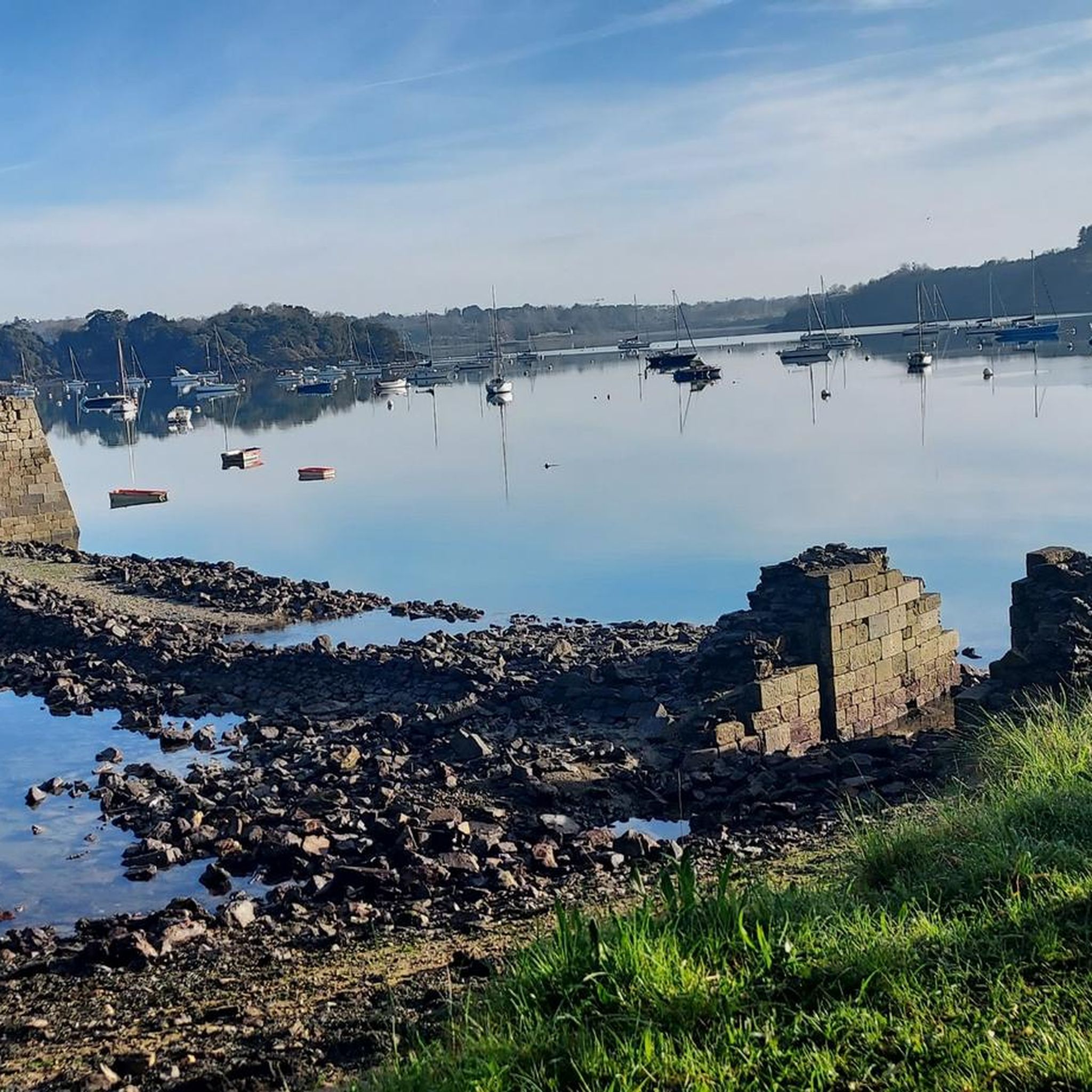
The castles in this region are often set amidst beautiful natural landscapes. Guildo Castle ruins overlook the mouth of the Arguenon, offering river estuary views. The Château de Montmarin is situated on the Rance estuary, with its gardens descending towards the water. The Saint-Malo fortifications provide coastal views of beaches and islands, such as from Queen's Fort.
Most popular routes around Pleurtuit
Most popular attractions around Pleurtuit

Get inspired with the komoot mobile app


Explore more
Looking for the best castles somewhere else? Discover other guides around Pleurtuit:
