The best road cycling routes around Moissac
4.6
(88)
2,392
riders
88
rides
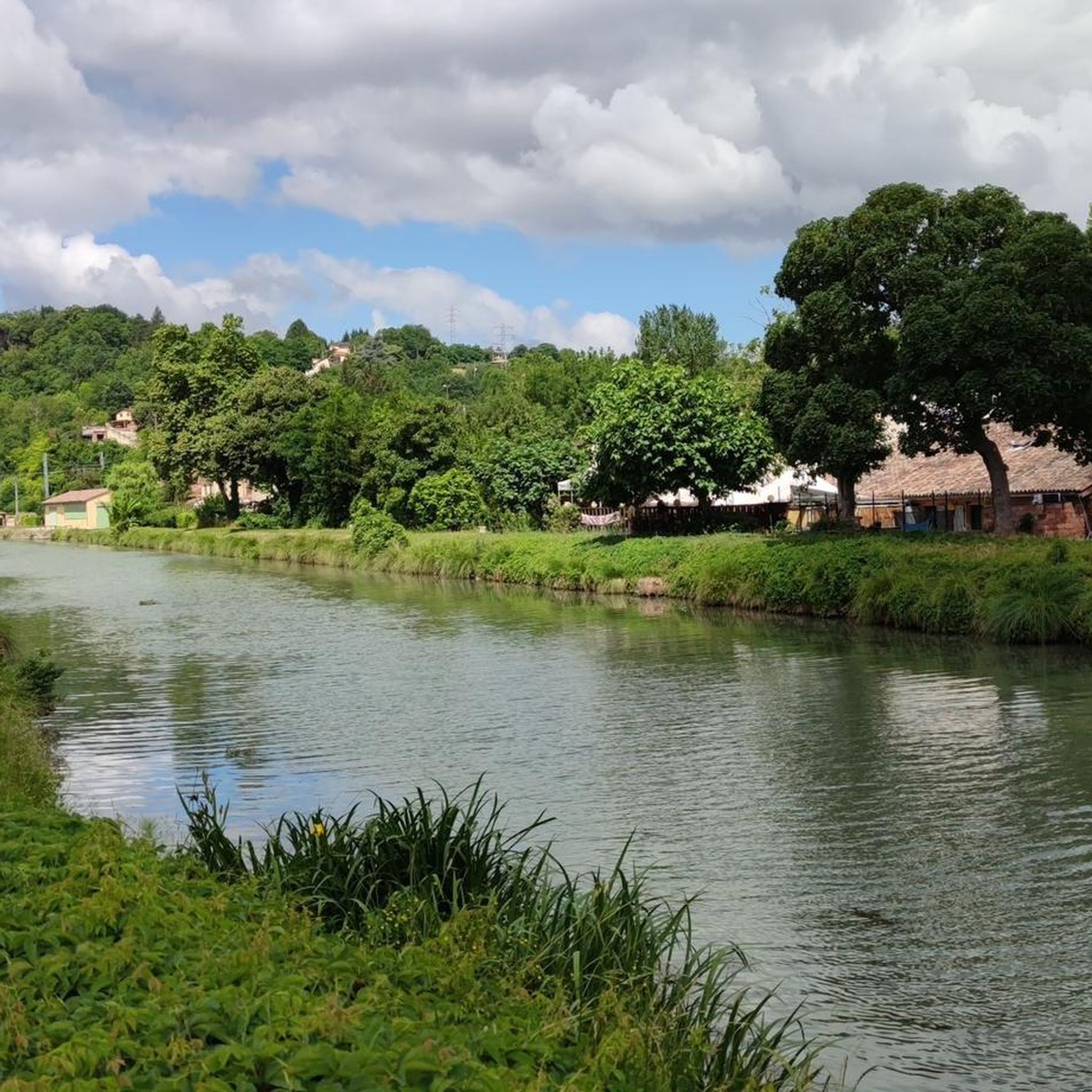
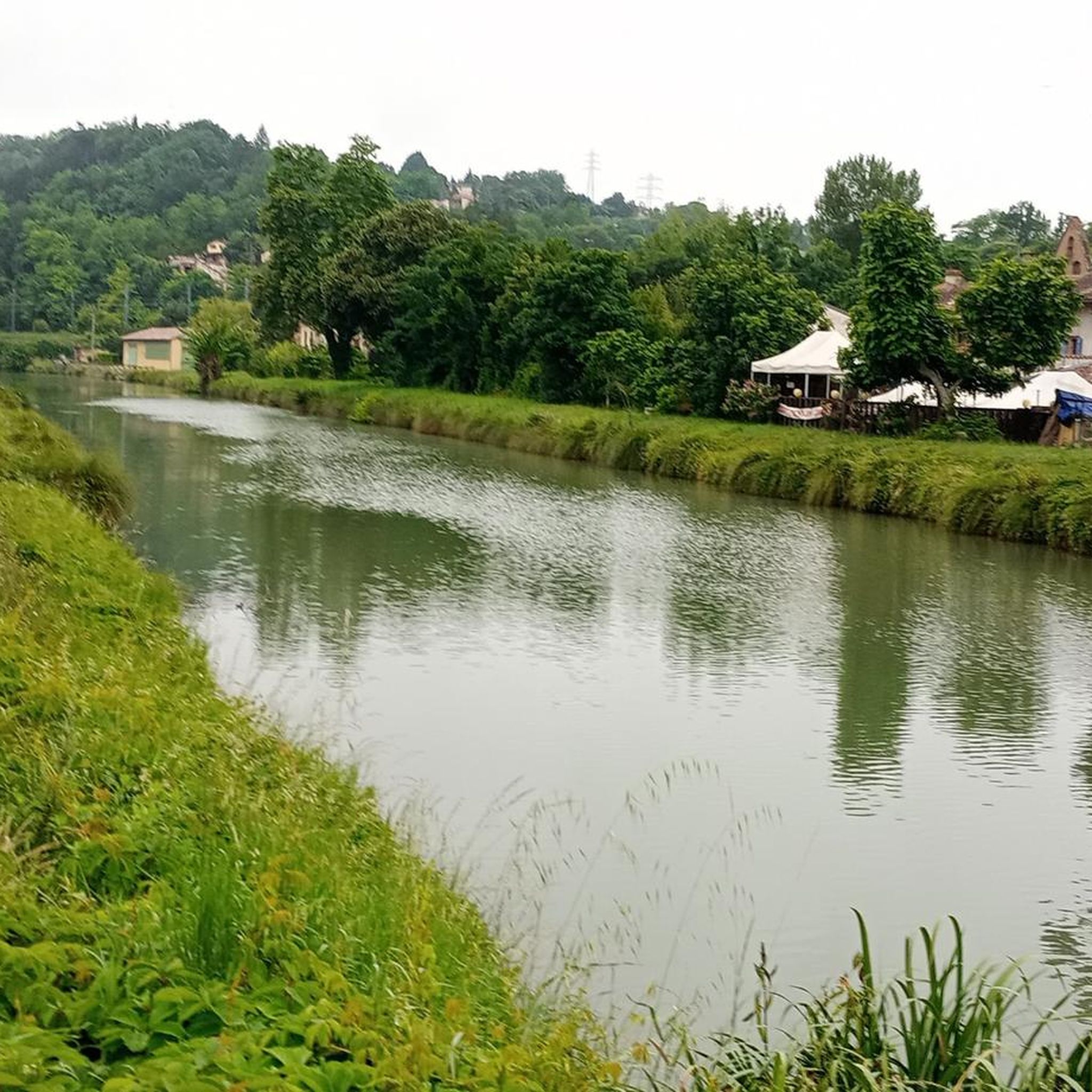
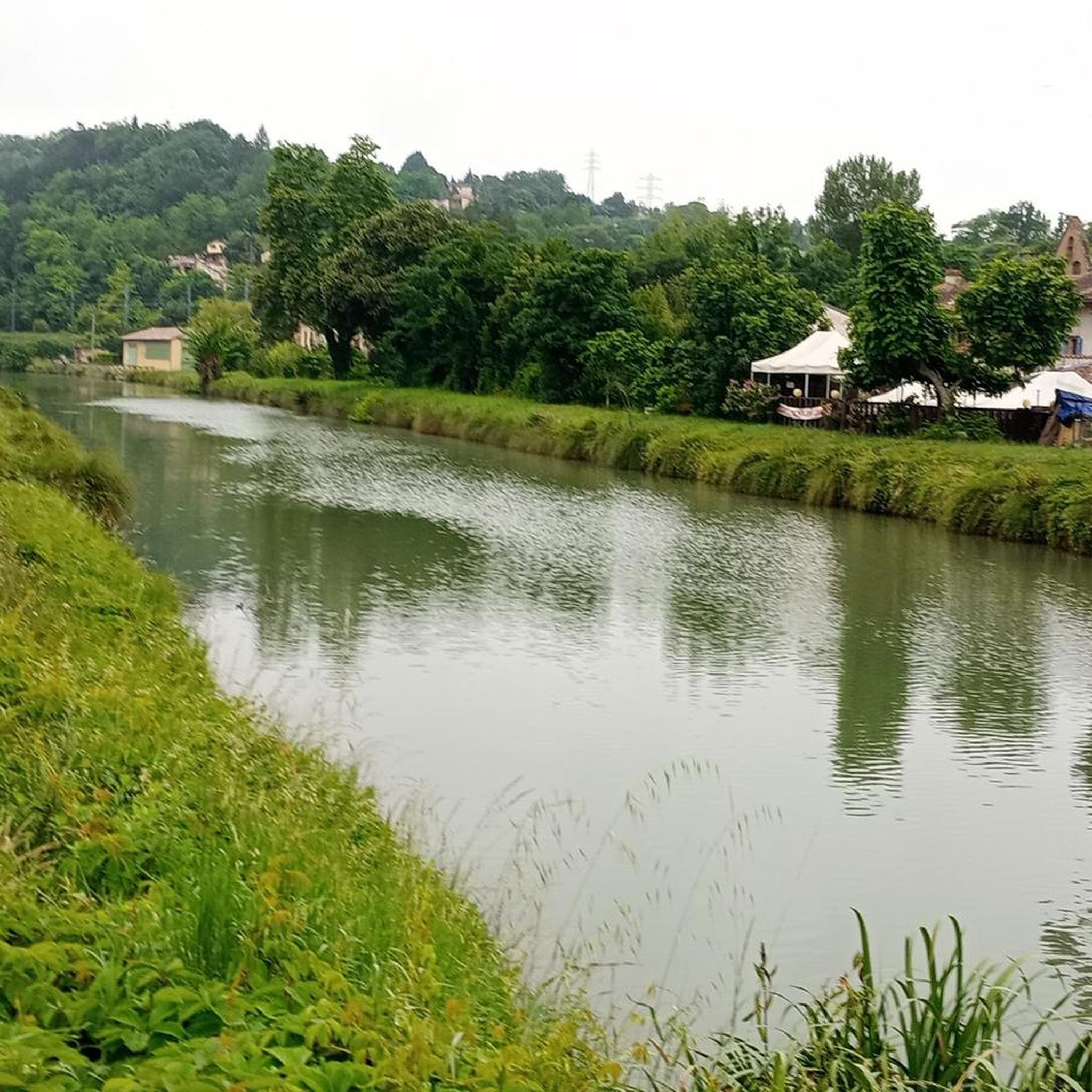
Road cycling around Moissac is characterized by its flat greenways along the Canal des Deux Mers and the Garonne River, offering accessible routes. The region features a network of paved paths, often shaded by plane trees, providing tranquil waterside views. While largely flat, some routes extend into the surrounding hillsides and vineyards, introducing gentle elevation changes and panoramic views over the Garonne valley. The confluence of the Tarn and Garonne rivers adds to the natural landscape, alongside structures like the…
Last updated: October 11, 2026
4.0
(1)
4
riders
71.7km
03:08
380m
380m
Moderate road ride. Good fitness required. Mostly well-paved surfaces and easy to ride.
57
riders
48.3km
02:01
70m
70m
Moderate road ride. Good fitness required. Some segments of this route may be unpaved and difficult to ride.

5.0
(2)
38
riders
48.0km
02:24
200m
200m
Moderate road ride. Good fitness required. Mostly well-paved surfaces and easy to ride.
27
riders
64.1km
02:41
280m
280m
Moderate road ride. Good fitness required. Mostly well-paved surfaces and easy to ride.
5.0
(1)
32
riders
69.5km
02:50
90m
90m
Moderate road ride. Good fitness required. Some segments of this route may be unpaved and difficult to ride.
Get access to more routes and recommendations from other explorers.
Already have an account?
Our route recommendations are based on thousands of hikes, rides, and runs completed by other people on komoot.
Start today with a free account
Your next adventure awaits.
Other adventures around Moissac

Tips from the Community

The abbey and its cloister, the historic center, the Art Deco buildings, the Napoleon bridge, the towpath, and the Cacor canal bridge are must-sees. Everything can be easily discovered on foot. Moissac is a major stop on the Camino de Santiago thanks to its exceptional heritage, particularly its abbey, a UNESCO World Heritage site. Its Romanesque cloister and sculpted tympanum make it an emblematic place for pilgrims from all over the world.
0
0
Abbey founded in the mid-7th century. After its affiliation with Cluny in 1047, the abbey was consecrated in 1063. Cloister built at the end of the 11th century (high altar consecrated by Urban II), portal completed between 1115 and 1135, fortifications and cloister arcades in the 13th century. After the troubles of the Hundred Years' War and the looting due to the Wars of Religion, the abbey came under commendatory abbots in the 17th century. After the Revolution, the abbey was bought back as national property and saved by the town hall secretary. The church was returned to worship in 1801 and was restored at the initiative of Viollet-le-Duc in 1847. In 1856, the conventual buildings located on the site of the seminary were destroyed and divided for sale. The repurchase of the plots allowed for the construction of the minor seminary and a chapel between 1860 and 1865. The seminary is built on medieval remains of the abbey, particularly the cistern and the Hall of the Dead, which retains painted decoration from the 14th century.
1
0
On July 29, 1808, Napoleon I arrived in Moissac, crossing the Tarn on a pontoon bridge. Since the Wars of Religion and floods, previous structures had been destroyed, and the perilous crossing was done by ferry. Work began quickly but ceased with the fall of the First Empire (1814). It resumed in 1820, leading to the inauguration of the Marie-Thérèse bridge on December 19, 1824. It was named in honor of the Dauphine, daughter of Louis XVI and Marie Antoinette, who is said to have laid the keystone of the bridge. It finally became the "Pont Napoléon" in 1859, after Napoleon III's visit to Moissac.
0
0
The Pont Cacor is the Canal des 2 mers that passes over the Tarn. With a length of 356 meters and 15 arches, it is the third largest canal bridge in France. Built in 1845, the canal was intended for the transport of goods to Bordeaux. The structure of the bridge, made of Toulouse bricks and white stones from Quercy, symbolizes the meeting of the two waterways and two territories. In addition to being impressive, the Pont Cacor offers a superb view of the Tarn and the orchards of Moissac and Terres des Confluences.
1
0
The Montech water slope on the Canal de Garonne. A beautiful technical achievement that ceased to function in 2009.
0
0
L'Écluse 15 – Écoles de Pommiers Palladio is a stopover and a gîte set up in an old lock keeper's house, located along the Montech canal (linking the Canal des Deux Mers).
0
0
In the early 60s, Jean Aubert, an engineer from Ponts et chaussées, worked with his team on the construction of an innovative structure to allow boats to overcome significant differences in height in a minimum of time on the lateral canal of the Garonne (municipality of Montech). vnf.fr/vnf/points-d-interetss/la-pente-deau-de-montech
0
0
The Montech canal, 12km long, connects the Canal de Garonne (at Montech) to the Tarn river, in Montauban. It is bordered by two paths, one on each bank.
0
0
Frequently Asked Questions
What kind of terrain can I expect when road cycling around Moissac?
Road cycling in Moissac primarily features flat greenways along the Canal des Deux Mers and the Garonne River, offering smooth, paved surfaces. These paths are often shaded by plane trees, providing a tranquil experience. For those seeking more varied terrain, routes extend into the surrounding 'coteaux' (hillsides) and vineyards, introducing gentle elevation changes and panoramic views over the Garonne valley.
Are there easy road cycling routes suitable for beginners or families in Moissac?
Yes, Moissac offers several easy road cycling routes perfect for beginners or families. The flat greenways along the Canal des Deux Mers are particularly well-suited for leisurely rides. According to komoot data, there are 15 easy routes available, such as the Cacor Canal Bridge – Cacor Canal Aqueduct in Moissac loop from Moissac, which is 21.5 miles (34.6 km) long and features the impressive Pont-canal du Cacor.
What are some notable landmarks or natural features to see along the road cycling routes?
While cycling, you can admire the tranquil Canal des Deux Mers and the Garonne River, including the remarkable Cacor Canal Bridge (Pont-canal du Cacor), where the canal crosses the Tarn river. The confluence of the Tarn and Garonne rivers is also a significant natural landmark. Additionally, the routes often pass through charming towns and offer views of the 'coteaux' (hillsides) and Chasselas vineyards.
Are there options for longer road cycling tours in the Moissac region?
Yes, Moissac serves as an excellent starting point for longer road cycling tours. Many routes connect to extended itineraries like the Canal des 2 Mers by bike, which links the Atlantic to the Mediterranean. You can also find routes such as Moissac, canal et rivière — boucle a l'Est de Montauban, a 44.5-mile (71.7 km) route, or the Moissac Canal – Montauban loop from Moissac, which is 40.9 miles (65.9 km) long.
When is the best time of year to go road cycling in Moissac?
The region is enjoyable for road cycling for much of the year. The greenways along the Canal des Deux Mers are often shaded by plane trees, making them pleasant even during warmer months. Spring and autumn offer particularly comfortable temperatures and beautiful scenery. For more detailed seasonal conditions, you might consult local weather forecasts.
What do other road cyclists enjoy most about road cycling in Moissac?
The road cycling routes in Moissac are highly rated by the komoot community, with an average score of 4.8 stars from over 20 reviews. Cyclists often praise the tranquil waterside views, the extensive network of flat, paved greenways, and the peaceful experience offered by the shaded canal paths. The variety of routes, from easy canal rides to more challenging hillside explorations, is also frequently highlighted.
Can I find circular road cycling routes around Moissac?
Absolutely. Many of the road cycling routes around Moissac are designed as loops, allowing you to start and finish in the same location. Examples include the Moissac Canal – Boudou Bridge loop from Mathaly and the Moissac Canal – Napoleon Bridge of Moissac loop from Moissac, offering convenient options for exploring the area.
Are there any services for cyclists in Moissac, such as bike repair or charging stations?
Yes, Moissac is cyclist-friendly. The Moissac Tourist Office holds the 'accueil vélo' label, which means they provide services tailored for cyclists. These services typically include luggage storage, electric bike recharging facilities, and access to repair equipment, enhancing the convenience for cycling tourists.
Where can I find parking for road cycling routes in Moissac?
Moissac is well-equipped for cyclists, and parking is generally available in and around the town center, particularly near the canal access points. The 'accueil vélo' label at the Tourist Office suggests a focus on cyclist convenience, so you'll likely find suitable parking options close to popular starting points for routes along the Canal des Deux Mers.
Are there more challenging road cycling routes with significant elevation gain in Moissac?
While many routes are flat, Moissac does offer options for more experienced cyclists seeking elevation gain. Routes that venture into the 'coteaux' (hillsides) around Boudou and the Chasselas vineyards provide more challenging climbs and descents, rewarding riders with expansive views over the Garonne valley. There are 8 difficult routes listed in the area for those looking for a greater challenge.
Can I combine road cycling with cultural visits in Moissac?
Definitely. Moissac is home to the UNESCO World Heritage site of Saint Peter's Abbey Church and Cloister, a significant cultural attraction. Many cycling routes pass through or near the town, allowing you to easily visit the abbey before or after your ride. The routes also often lead through charming nearby towns like Castelsarrasin, offering further opportunities for cultural exploration.
Are there cafes or places to stop for refreshments along the road cycling routes?
Yes, the cycling routes in Moissac often pass through or near charming towns and villages, providing opportunities to stop for refreshments. Along the Canal des Deux Mers, you'll find various spots to pause. Towns like Castelsarrasin and Valence d'Agen, which are accessible via the cycling network, offer cafes and restaurants where you can refuel.
Most popular attractions around Moissac

Get inspired with the komoot mobile app


Explore more
Browse the best Road cycling routes in other regions.
