Attractions and Places To See around Ternay - Top 14
Best attractions and places to see around Ternay, a commune in the Auvergne-Rhône-Alps region, offers a mix of historical, cultural, and natural sites. Situated on the left bank of the Rhône, at the crossroads of the Rhône and Giers valleys, it provides scenic views and diverse points of interest. The area is also located near the Pilat mountains, contributing to its varied landscape. Ternay's historical significance is underscored by its inclusion in the network of Cluniac sites.
Best attractions and…
Last updated: June 23, 2026
La Mothe-Chandeniers Castle
Highlight • Castle
The vegetation has regained its rights and leaves unusual views!
Translated by Google •
Tip by

Château d'Oiron
Highlight • Castle
chateau-oiron.fr
Tip by

Sign up now to discover places like this
Get recommendations on the best single tracks, peaks, & plenty of other exciting outdoor places.
Sign up for free
Curçay-sur-Dive Keep
Highlight • Other
Translated by Google •
Tip by

Vaon Dolmen
Highlight • Natural Monument
Translated by Google •
Tip by

Montreuil-Bellay Internment Camp Memorial
Highlight • Historical Site
Translated by Google •
Tip by

Sign up for free to discover even more attractions around Ternay.
Sign up for free
Already have an account?
Start today with a free account
Your next adventure awaits.
Login or Signup

Tips from the Community


Outside the town of Montreuil-Bellay, along a railway line, this site hosted, from 1941 to 1946, one of thirty French concentration camps for “homeless individuals, nomads and fairground people, of the Romani type”. In other words for Roma, Gypsies, Manouches or Gypsies. Of this camp, all that remains now are stone steps, foundations, a cellar which served as a prison and a commemorative stele. These Gypsies, in entire families, came from a multitude of small camps opened following the law of April 6, 1940 signed by Albert Lebrun, last president of the 3rd Republic, a law which stipulated that these nomads had to be gathered in communes designated under police surveillance and which was applied with zeal by Vichy. Also interned in Montreuil were tramps arrested in the streets of Nantes at the beginning of the summer of 1942, and almost all of whom disappeared before the end of the winter that followed. The camp was not an extermination camp. The thousands of Gypsies interned there, around 1,500 at the height of the occupation, were not subsequently deported to German death camps. But living conditions there were deplorable. Fallen into oblivion after the war, this site was only recently rediscovered. And it was only in 2010 that the ruins of this camp were listed as a historic monument in order to prevent their total disappearance and make them a place of memory. Some images on this site sadly steeped in history https://www.fondationshoah.org/memoire/montreuil-bellay-un-camp-tsigane-oubli-un-film-dalexandre-fronty
0
0

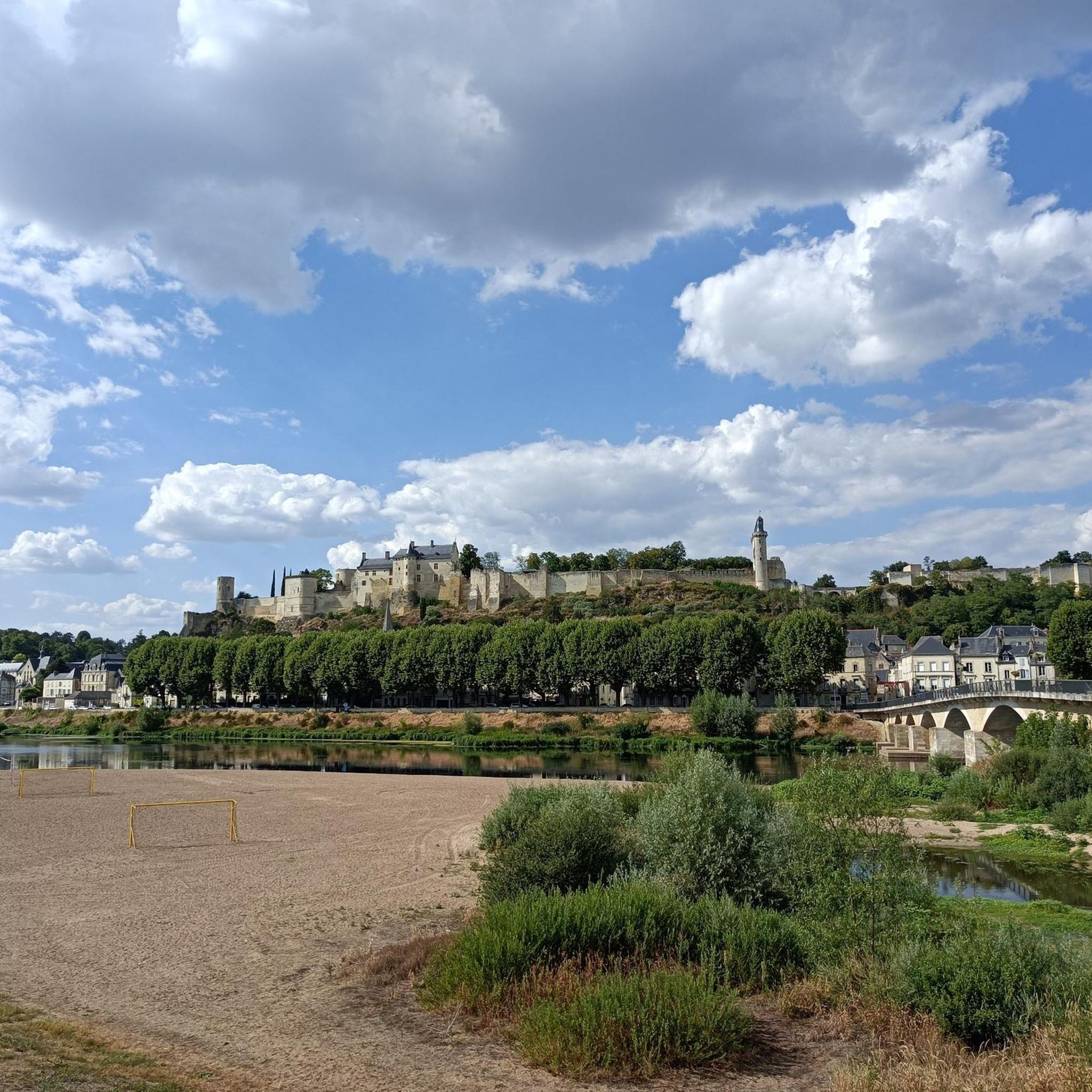
Atypical castle certainly but inaccessible to obtain the same point of view as that of the shared photos. The visit of this castle is possible but paying. 8€ which are certainly worth it. You still need to be aware, and know that your bike must remain in the parking lot during this period.
1
0

The Vaon Dolmen is an impressive 1.5m high and the chamber inside is 6m. The rock slabs are thought to come from the Butte de Saint-Drémont.
2
0

Imposing keep of the old fortress of Curçay, listed as a Historic Monument.
1
0
Castle built from the 16th century and which houses the Curios & Mirabilia contemporary art collection as well as temporary exhibitions. The park is accessible free of charge, the castle can be visited all year round.
1
0

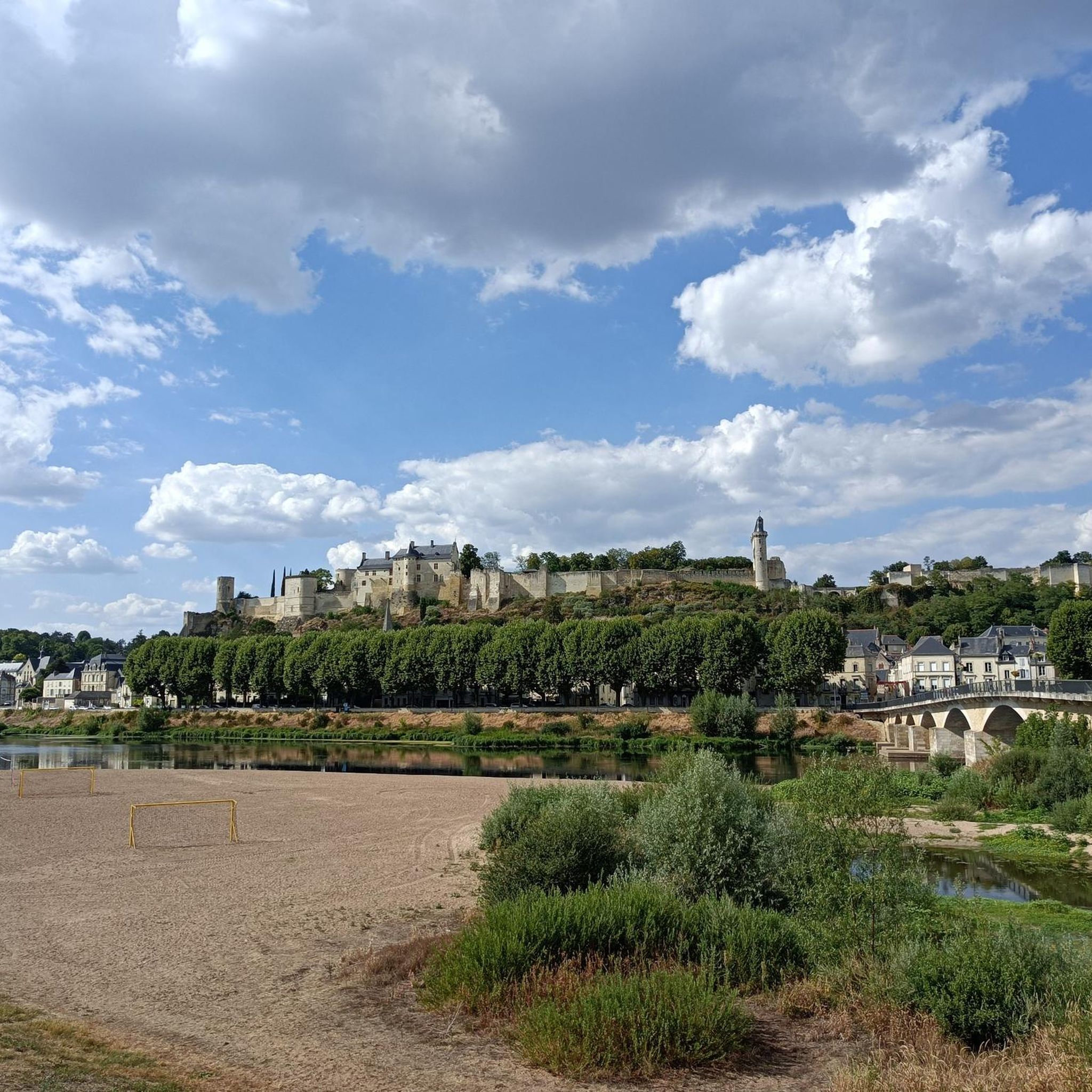
Traces of Curçay/Dive's warlike past, this imposing dungeon is the only remnant of the fortress built by Huet de Curçay in the 14th century. The fortress was one of the centerpieces of the defense of the Loudunais country against the English invasion during the Hundred Years Wars.
0
0

Atypical castle abandoned then taken over since 2017! The vegetation has regained its rights and leaves unusual views!
1
0
Frequently Asked Questions
What historical sites can I explore in Ternay?
Ternay is rich in history. You can visit the ancient Curçay-sur-Dive Keep, an imposing remnant of a 14th-century fortress. Within Ternay itself, explore the remnants of the Priory of St. Peter and the Romanesque Priory Church of St. Mayol, which dates back to the late 11th century. The Château de la Porte, while often requiring reservations for interior access, offers terraced gardens and a 2nd-century Gallo-Roman sarcophagus. Walking through the old streets also reveals architectural vestiges like a Renaissance window and a 17th-century sculpted head.
Are there any natural attractions or scenic viewpoints in Ternay?
Yes, Ternay offers several natural spots and scenic views. The Vaon Dolmen is an impressive natural monument with a 1.5-meter high structure and a 6-meter chamber. For panoramic vistas, visit Parc de Chassagne, located on one of Ternay's highest points, offering expansive views of the Rhône Valley and the Gier valley, complete with an orientation table and a monumental sundial. The terraced gardens of the Château de la Porte also provide picturesque views towards Lyon over the Rhône Valley.
What outdoor activities can I do near Ternay's attractions?
Ternay's location near the Rhône and Giers valleys, and the Pilat mountains, makes it ideal for outdoor activities. You can find various cycling routes, such as the 'Saumur – Montreuil-Bellay Castle loop' or the 'Bike loop from Château de la Mothe-Chandeniers', which you can explore further in the Cycling around Ternay guide. For runners, there are trails like the 'Running loop from Château de la Mothe-Chandeniers' or 'Running loop from Les Trois-Moutiers', detailed in the Running Trails around Ternay guide.
Are there family-friendly attractions in Ternay?
Absolutely. The Château d'Oiron is a family-friendly castle that houses a contemporary art collection and has a park accessible free of charge. Parc du Grand Clos is a 23-hectare municipal park with open-access green spaces and picnic areas, perfect for a family outing. Parc de Chassagne also features a playground and picnic area, alongside its panoramic views.
Where can I find unique historical landmarks around Ternay?
Beyond the main sites, Ternay offers some unique historical landmarks. The La Mothe-Chandeniers Castle is an atypical, abandoned castle that has been reclaimed by vegetation, offering unusual and striking views. Its interior is accessible for a fee, providing a unique historical experience. Additionally, the Montreuil-Bellay Internment Camp Memorial serves as a poignant historical site, commemorating a significant period of French history.
What is the significance of the Fountain of St. Mayol?
The Fountain of St. Mayol, located within the village, is steeped in local legend. It is said that St. Mayol brought forth this inexhaustible spring in 983, and its waters were believed to miraculously heal eye diseases. For a long time, people made pilgrimages to Ternay to worship him, highlighting its historical and religious importance to the community.
Can I visit the Château de la Porte, and what can I see there?
The Château de la Porte is a complex of buildings from various periods. While interior access is generally limited to specific events like Heritage Days and requires reservations, you can explore its terraced gardens. These gardens offer beautiful views towards Lyon over the Rhône Valley and house a 2nd-century Gallo-Roman sarcophagus. The Castle Gate itself is also a site for cultural and social events.
What is Parc du Grand Clos, and what does it offer visitors?
Parc du Grand Clos is a 23-hectare municipal park, formerly the domain of Forton castle. It provides an open-access green space throughout the year, allowing visitors to combine nature discovery with historical heritage. The park is equipped with picnic areas and parking, making it a convenient spot for relaxation and outdoor enjoyment.
What can I expect from the Priory of St. Peter and Priory Church of St. Mayol?
The Priory of St. Peter and the Priory Church of St. Mayol are central to Ternay's historical identity. The village square was once the priory's courtyard, and remnants of the ancient priory can still be seen. The Romanesque church, built in the late 11th century, is a historical monument featuring a cloister with arcades and wells. Inside, you'll find a 12th-century Virgin statue and a 19th-century statue of St. Mayol, the parish's patron saint.
Are there any specific cycling routes that pass by attractions near Ternay?
Yes, several cycling routes in the area incorporate notable attractions. For example, the 'Saumur – Montreuil-Bellay Castle loop from Berrie' is a difficult 112 km route that takes you past the La Mothe-Chandeniers Castle. You can find more details and other routes in the Cycling around Ternay guide.
What is the best time to visit Ternay for outdoor attractions?
While specific seasonal information isn't provided, the best time to visit Ternay for outdoor attractions like parks, viewpoints, and historical sites is generally during spring, summer, or early autumn. These seasons offer pleasant weather for exploring the terraced gardens, walking through the old streets, and enjoying the panoramic views from Parc de Chassagne.
What makes Ternay a significant historical and cultural location?
Ternay's historical and cultural significance stems from its deep roots in the Auvergne-Rhône-Alps region. It is part of the network of Cluniac sites, a significant cultural route of the Council of Europe, highlighting its rich religious importance. The presence of the ancient Priory of St. Peter, the Romanesque Priory Church of St. Mayol, and the Château de la Porte, along with its Gallo-Roman sarcophagus, all contribute to its profound historical character.
Most popular attractions around Ternay

Get inspired with the komoot mobile app


Explore more
Still not found the Highlight you’re looking for? See guides of the top attractions in other regions:
