Attractions and Places To See around Sérent - Top 20
Attractions and places to see around Sérent offer a blend of historical religious sites, significant monuments, and natural attractions in the Morbihan department of Brittany, France. The area features a rich architectural heritage, including numerous chapels and a classified historic church. Visitors can explore sites with historical significance, alongside unique natural features like the Kerfontaine Peat Bog. Sérent provides opportunities to discover both cultural landmarks and natural landscapes.
Best attractions and places to see around Sérent
- The most popular attractions…
Last updated: October 5, 2026
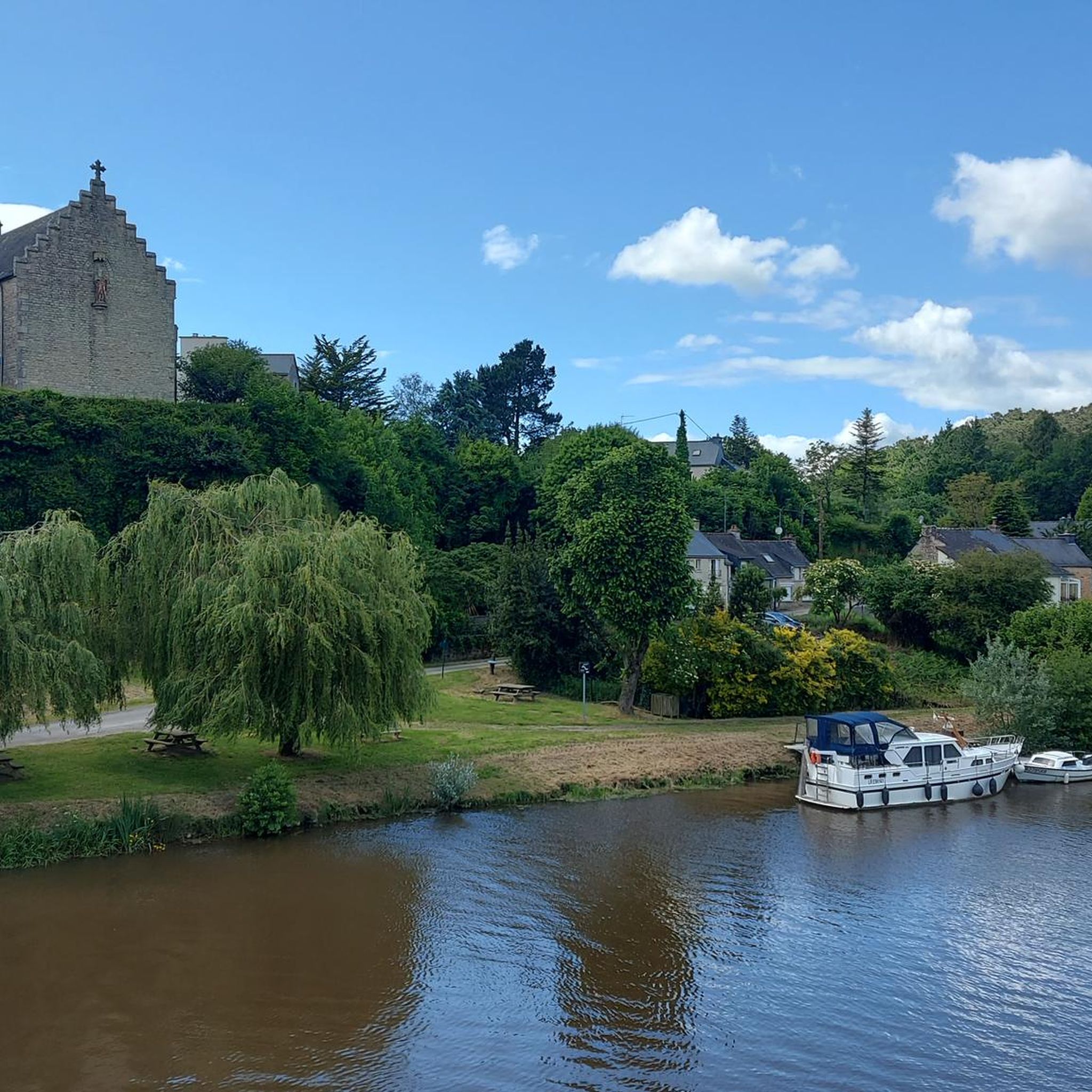
Historic centre of Malestroit
Highlight • Historical Site
A thousand-year-old village, Malestroit still houses houses from the 15th and 16th centuries as well as locks, mills and churches full of stories.
Translated by Google •
Tip by

Le Roc-Saint-André
Highlight • Settlement
Tip by

Sign up now to discover places like this
Get recommendations on the best single tracks, peaks, & plenty of other exciting outdoor places.
Place du Bouffay
Highlight • Settlement
Tip by
Mills of Île Notre-Dame in Malestroit
Highlight • Monument
Translated by Google •
Tip by
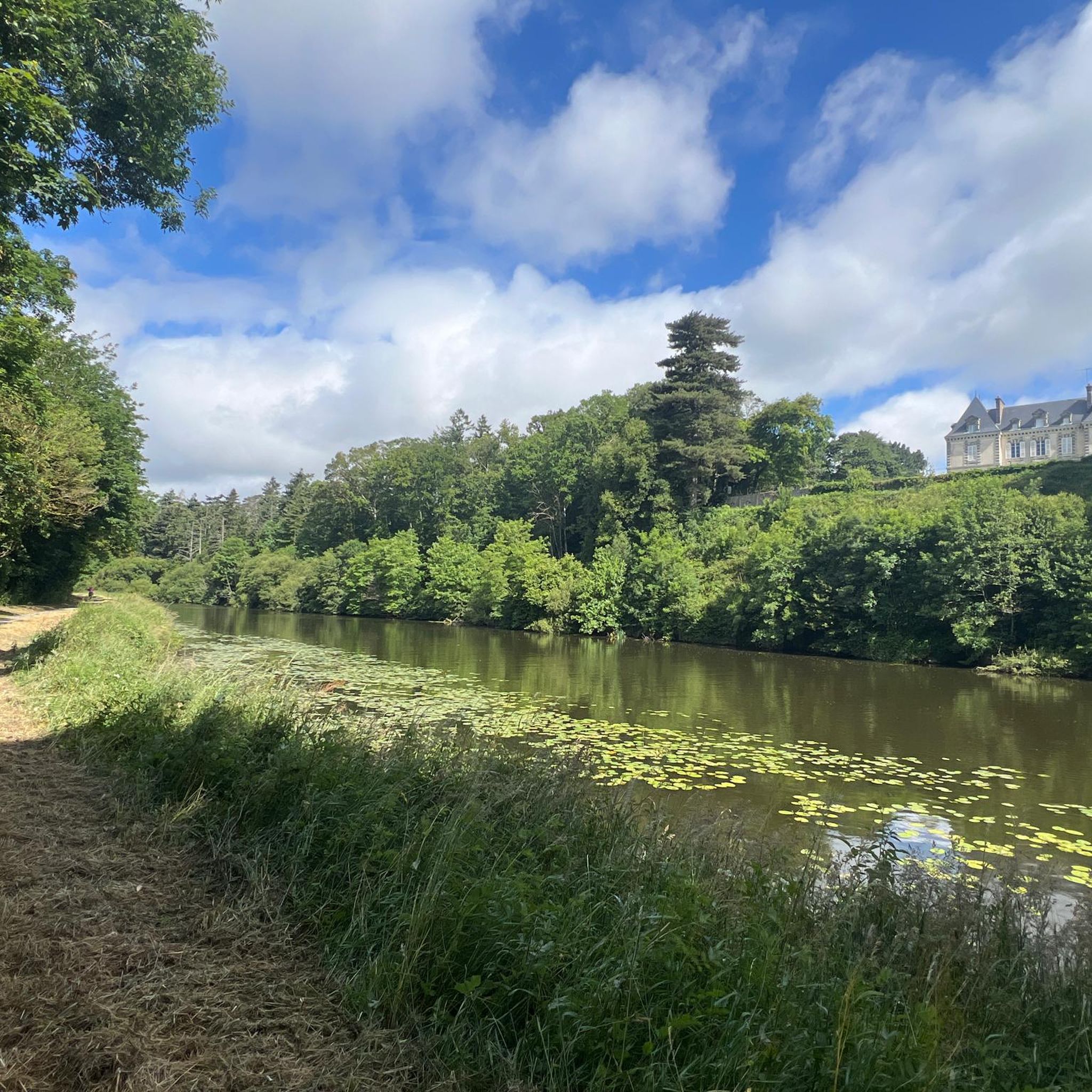
Campsite "Les Rives de l'Oust"
Highlight • Other
Translated by Google •
Tip by

Sign up for free to discover even more attractions around Sérent.
Already have an account?
Start today with a free account
Your next adventure awaits.


Tips from the Community

... and we almost drove past. The medieval town is worth visiting twice! The buildings have great architecture and there are plenty of restaurants.
0
0

It's really worth visiting! Beautifully renovated and maintained houses from the 15th and 16th century create an amazing atmosphere of a truly historic village. True wonders of ancient architecture.
0
0
The campsite is nicely located, good infrastructure. A good base for visiting the beautiful towns of Malestroit and Josselin.
1
0

We stayed here for one night in our own tent on our bike tour along the Canal Du Nantes à Brest. Very friendly owner, very neat and quiet place, clean sanitary facilities. There is a self catering supermarket in Malestroit
1
0
www.campingmalestroit.com Open from mid-April to late September
2
0
It would be difficult to get any closer to the water without falling in! Located on a towpath, Les Rives de l'Oust (the banks of the Oust) campsite lives up to its name. The site welcomes its visitors on 80 spacious, shady or sunny pitches, but also in mobile homes, some lodge tents and a large communal stage accommodation. It's quiet, informal and sociable here. A destination to unwind in peace and quiet, because the natural surroundings invite you to relax. Playground equipment for children complete the equipment. Located 300m from the town center, the campsite is a convenient base for visiting the pretty characterful town of Malestroit, steeped in medieval architecture. The towpath is used by cyclists on the way from Nantes to Brest. Right next door you can rent kayaks to get to know the Oust even better! Source: Brittany Travel
2
0
Beautiful small town with stone and half-timbered houses worth seeing. The founding of Malestroit dates back to 987, when monks settled on the banks of the Oust. The place became a stage destination on the Way of St. James, one of the pilgrimage routes to Santiago de Compostela. In 1131 the place was mentioned under the name Malestricum. During the Hundred Years' War in 1343 in the chapel de la Madeleine in Malestroit by the French king Philip VI. and the English King Edward III. signed a ceasefire. At the end of the Middle Ages, Malestroit became one of the nine baronies of Brittany. At the beginning of the 19th century, Napoleon I commissioned the construction of the Canal de Nantes à Brest, initially for military reasons, but later also with the aim of connecting the interior of Brittany to commercial goods traffic. Source: Wikipedia
1
0

A nice stop at the edge of the Nantes-Brest canal
1
0
Frequently Asked Questions
What historical and religious sites can I visit around Sérent?
Sérent is rich in historical and religious heritage. You can explore the 15th-16th century Saint-Pierre Church, known for its stained glass and unique gargoyle. The area also features numerous chapels, including the 16th-century Sainte-Suzanne Chapel with its flamboyant Gothic choir, and the 17th-century Saint-Jacques Chapel housing a 16th-century wooden statue of Christ. Other notable chapels include Saint-Symphorien, Saint-Barnabé, Saint-Sébastien, and Notre Dame de Toutes Aides, each with unique architectural details and religious artifacts. Additionally, the Historic centre of Malestroit, a nearby 'city of character,' offers a glimpse into medieval architecture with its half-timbered houses and stone facades.
Are there any significant monuments commemorating historical events in Sérent?
Yes, Sérent holds significant monuments related to its history. The Monument of the Maquis / Breton Resistance Monument, erected in 1947, commemorates the maquis and resistance fighters of World War II. It stands near a former parachute drop zone, where General de Gaulle laid its first stone. The Cross of the Paratroopers also serves as a tribute to two paratroopers killed during a German patrol in June 1944, buried in the cemetery of the Saint-Sébastien chapel.
What natural features can I explore around Sérent?
For nature enthusiasts, the Kerfontaine Peat Bog (La tourbière de Kerfontaine) is a remarkable 5000-year-old site nestled in the Pinieux massif. It provides a unique habitat for exceptional flora and fauna. While not directly in Sérent, the region's proximity to larger natural areas like the magical Paimpont Forest (associated with Merlin and King Arthur) and the scenic Gulf of Morbihan offers further exploration opportunities.
Are there family-friendly attractions in Sérent?
Many attractions around Sérent are suitable for families. The Historic centre of Malestroit is labeled 'family_friendly' and offers an engaging walk through medieval streets. The Mills of Île Notre-Dame in Malestroit also provide an interesting historical insight into the region's industrial past. Additionally, the park surrounding Château de Trédion, with its artificial river and pond, can be a pleasant spot for a family outing.
What outdoor activities or trails can I find near Sérent's attractions?
The area around Sérent offers various outdoor activities. You can find numerous road cycling routes, such as the 'Saint-Pierre Church – War Memorial loop from Sérent' which is an easy 6 km ride. For running, there are trails like the 'Lavoir de la Rue Nominoë – Saint-Pierre Church loop from Sérent' (8.4 km, moderate). Gravel biking is also popular, with routes like the 'Malestroit Lock – Historic centre of Malestroit loop from Malestroit'. You can find more details on these and other routes in the dedicated guides for Road Cycling Routes around Sérent, Running Trails around Sérent, and Gravel biking around Sérent.
When is the best time of year to visit Sérent's attractions?
The best time to visit Sérent's attractions, especially for outdoor activities and exploring historical sites, is generally during the spring (April to June) and autumn (September to October) months. During these periods, the weather is typically mild and pleasant, ideal for walking, cycling, and enjoying the natural landscapes. Summer (July and August) is also popular, though it can be warmer and more crowded.
Are there places to eat or stay near the attractions in Sérent?
While specific cafes and restaurants within Sérent's immediate attractions are not detailed, the nearby town of Malestroit, home to the Place du Bouffay, offers several restaurants and cafés. For accommodation, the Campsite "Les Rives de l'Oust" in Malestroit provides spacious pitches and mobile homes, conveniently located near the town center and a towpath for cyclists.
What do visitors enjoy most about the attractions around Sérent?
Visitors particularly enjoy the rich historical atmosphere of places like the Historic centre of Malestroit, appreciating its beautifully renovated 15th and 16th-century houses. The historical significance of sites like the Mills of Île Notre-Dame also captivates visitors. The blend of cultural landmarks and unique natural features, such as the Kerfontaine Peat Bog, offers a diverse and engaging experience, as evidenced by over 150 upvotes and 50 photos shared by the komoot community.
Can I bring my dog to attractions or on walks around Sérent?
While specific dog policies for all attractions are not provided, many outdoor areas and walking trails around Sérent are generally dog-friendly, especially if dogs are kept on a leash. For instance, the towpaths along the Oust River, accessible from places like the Campsite "Les Rives de l'Oust", are popular for walks with pets. It's always advisable to check individual site regulations for indoor attractions or specific natural reserves like the Kerfontaine Peat Bog.
Are there any castles or manors to visit near Sérent?
Yes, the area features impressive historical residences. The Château de Trédion, though more of a manor, is surrounded by a large forest and features a park with an artificial river and pond. Its facades and roofs are classified elements. The Manoir de Tromeur, an 18th-century manor, is another example of the private manors and castles in the commune that can be admired for their architectural beauty.
How long should I plan for a visit to the attractions around Sérent?
To fully appreciate the historical sites, chapels, and natural features around Sérent, planning at least a full day, or even a weekend, is recommended. A half-day could cover a few key historical sites in Sérent itself and a brief visit to the Kerfontaine Peat Bog. However, to explore the nearby medieval town of Malestroit, enjoy some outdoor activities, and delve deeper into the region's heritage, a longer stay would be more rewarding.
Are there any easy walking trails suitable for all fitness levels near Sérent?
Yes, there are easy walking options. For example, the 'Saint-Pierre Church – War Memorial loop from Sérent' is an easy road cycling route that can also be enjoyed as a walk, covering about 6 km. The towpaths along the Oust River, particularly around Malestroit, offer flat and scenic paths suitable for leisurely strolls. These paths are generally well-maintained and provide a gentle way to experience the local landscape.

Get inspired with the komoot mobile app


Explore more
Still not found the Highlight you’re looking for? See guides of the top attractions in other regions:
