Attractions and Places To See around Banneville-La-Campagne - Top 20
Best attractions and places to see around Banneville-La-Campagne include a mix of historical sites and natural landscapes. This commune in the Calvados department of Normandy, France, is a rural area situated at the limit of the Pays d'Auge and the plain of Caen. While it offers significant historical sites within its boundaries, many additional attractions are located a short distance away. The coast with its beaches is approximately 10 km away, providing access to seaside resorts.
Best attractions and places…
Last updated: July 6, 2026
Pegasus Bridge
Highlight • Bridge
Translated by Google •
Tip by

Caen-to-the-Sea Canal at Blainville-sur-Orne
Highlight (Segment) • Other
Translated by Google •
Tip by

Sign up now to discover places like this
Get recommendations on the best single tracks, peaks, & plenty of other exciting outdoor places.
Sign up for free
Bénouville Castle
Highlight • Castle
Translated by Google •
Tip by
Men's Abbey (Saint Stephen), Caen
Highlight • Religious Site
Translated by Google •
Tip by

Caen Castle
Highlight • Castle
Translated by Google •
Tip by

Sign up for free to discover even more attractions around Banneville-La-Campagne.
Sign up for free
Already have an account?
Start today with a free account
Your next adventure awaits.
Login or Signup




Tips from the Community

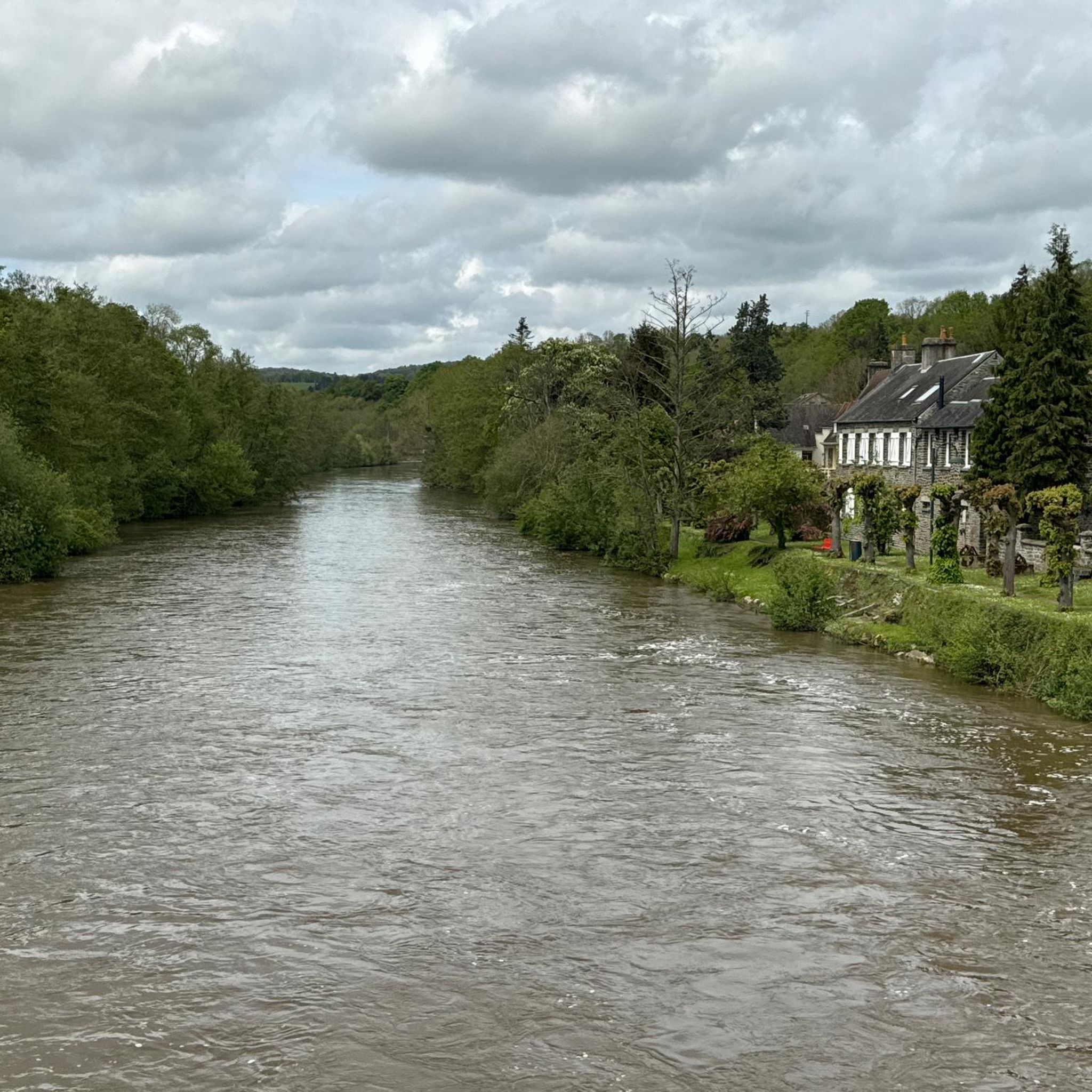
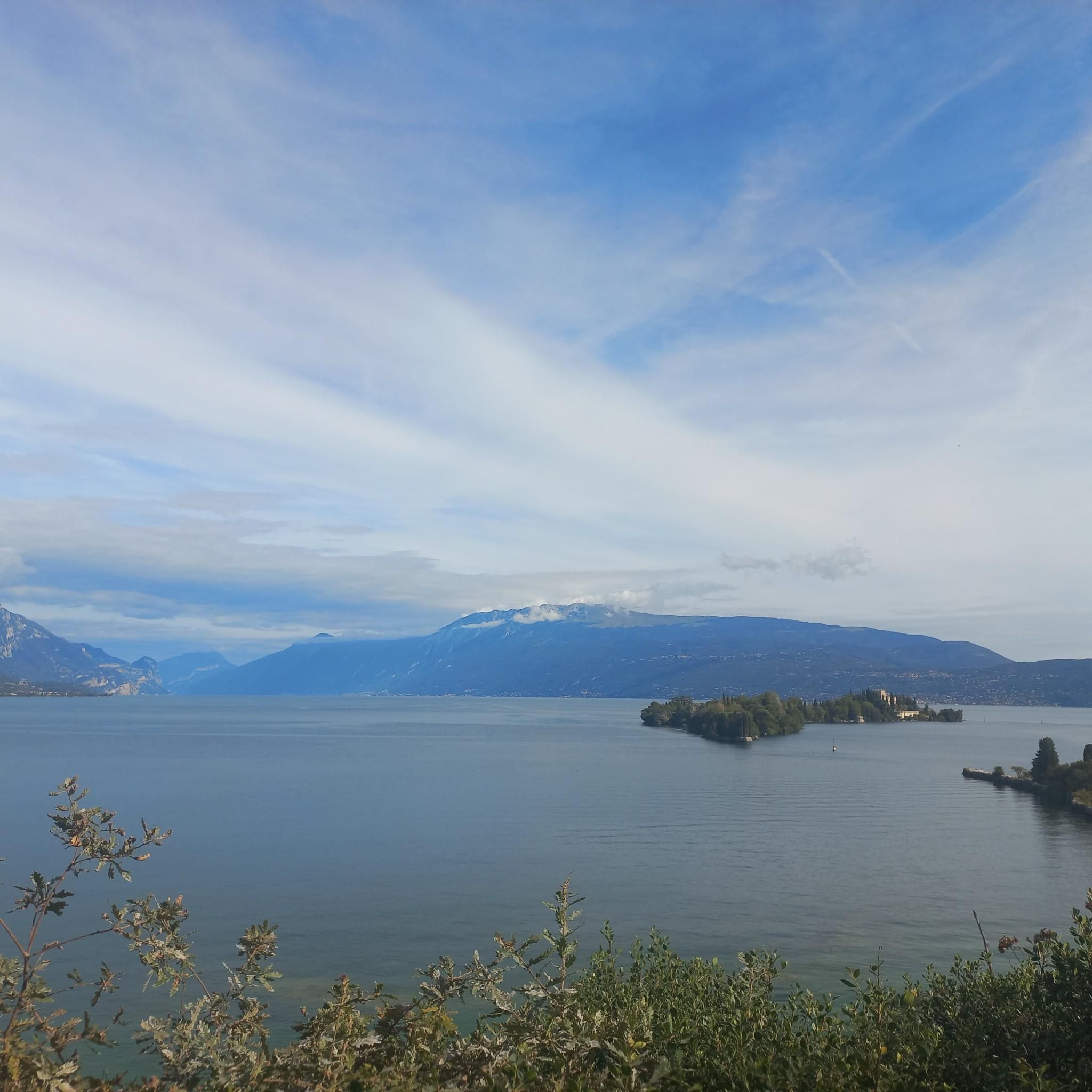
The Orne estuary is so beautiful with its wild environment.
0
0

Great walk along the seaside.
0
0

The Château de Caen is the former city fortress of the Norman dukes in the city of Caen in what is now the Normandy region in northern France. It houses, among other things, the cultural-historical Musée de Normandie[1] and the modern building of the Musée des Beaux-Arts. The entire complex has been recognized as a monument historique since 1997.
2
0
Caen, first mentioned in documents in 1027, experienced rapid urban development in the 11th century. It was called a burgus (bourg), was the centre of an extensive ducal domain, lay at the crossroads of important roads and had markets and a port. It first developed as an important city in the Duchy of Normandy under William the Conqueror. He had a strong fortress built in Caen and around 1059 an abbey for women (Abbaye aux dames) and one for men (Abbaye aux hommes), in which he was also buried. Later, during the Huguenot Wars (1562), his grave was destroyed and his bones were lost. William's gravestone can still be seen in the church today. He had the monasteries built to atone for his marriage to his cousin Mathilde, which was disapproved of by the Pope. Both monasteries are among the most important monuments in Normandy and are today – by the monks and nuns during the French Revolution
2
0

Since March 2023 and until 2025, work will be carried out under the direction of architect Philippe Prost and landscape architect Thierry Lavergne to transform the castle grounds. Entitled "The castle within its walls", the 4-hectare site will be given over to 75% green space. The avenues will be redesigned to structure this large inner garden and guide visitors. A 700 m² reception area will be built towards the Porte des Champs. The "hidden treasures" will be highlighted, such as the remains of the keep, the towers of the ramparts and the dungeons of the Saint-Pierre gate.
4
0
The former Benedictine abbey with the monastery church of Saint-Étienne was founded by William the Conqueror in Caen, built from 1060 onwards, but probably not completed until after 1090. From 1120/25 onwards, six-part cross-ribbed vaults were installed in the originally flat-roofed building, which are among the oldest in France.
5
0

11th Century Abbey Church where William the Conqueror is buried. Definitely worth seeing.
2
0
Only the imposing walls of the old castle remain. Inside is the Museum of Normandy. A visit to the castle is a must. Great views over Caen.
2
0
Frequently Asked Questions
What historical sites can I visit directly within Banneville-La-Campagne?
Within Banneville-La-Campagne itself, you can visit the solemn Banneville-La-Campagne War Cemetery, a tribute to those who perished during World War II. The Church of Banneville-la-Campagne, dedicated to the Assumption of the Virgin, is also notable, having been rebuilt after war damage and housing preserved 17th/18th-century statues. Additionally, the Porch Abbey Troarn, a monumental gate, was relocated to the entrance of the private Castle Banneville park.
Are there any D-Day related historical sites near Banneville-La-Campagne?
Yes, a significant D-Day site is very close by. You can visit Pegasus Bridge, which played a crucial role in the D-Day landings. A small museum at the site recounts its story and provides details about its capture by the British 6th Airborne Division.
What are the best options for cycling near Banneville-La-Campagne?
For cycling, the Caen-to-the-Sea Canal at Blainville-sur-Orne offers a pleasant paved cycle path. This 14 km long canal connects Caen to the English Channel, making it suitable for cycling from Ouistreham or Pegasus Bridge into Caen. For more routes, explore the Road Cycling Routes around Banneville-La-Campagne guide, which includes options like the 'Putot-en-Auge – Cabourg Beach loop from Troarn'.
Are there any family-friendly attractions in the area?
Many historical sites like Pegasus Bridge, Bénouville Castle, and Men's Abbey (Saint Stephen), Caen are considered family-friendly. Beyond historical sites, nearby Caen offers the Jardin des plantes, a botanical garden, and the large urban park known as the Prairie. For active fun, an aquatic center is in Argences (9 km away) and Eole Aventure in Touffreville (4 km).
Where can I find hiking trails around Banneville-La-Campagne?
The area offers various hiking opportunities. You can find routes like the 'Pathway Along the Marsh loop from Moult-Chicheboville' (10 km, moderate) or the 'Château de Béneauville loop from Bellengreville' (8.5 km, moderate). For a comprehensive list, refer to the Hiking around Banneville-La-Campagne guide.
What are some notable religious or architectural sites nearby?
The region is rich in religious and architectural history. In Caen, you can visit the magnificent Men's Abbey (Saint Stephen), founded by William the Conqueror, where he is buried. Also in Caen, the Saint Peter church showcases a blend of Gothic and Renaissance styles. Another impressive example of neoclassical architecture is Bénouville Castle, built in the late 18th century.
Are there any charming villages or coastal towns to visit close to Banneville-La-Campagne?
Absolutely. The coast is only about ten kilometers away. You can visit charming seaside resorts like Cabourg (approx. 15 km), known for its long beach, or Houlgate (approx. 18 km). Inland, Beuvron (approx. 13 km) is recognized as one of France's 'Most Beautiful Villages' and is part of the Normandy Cider Route. Dives-sur-Mer (approx. 16 km) is known as the 'Village of William the Conqueror' with artisans and artists.
What kind of natural landscapes or outdoor activities can I expect?
Banneville-La-Campagne is situated in a peaceful countryside setting, at the limit of the Pays d'Auge and the plain of Caen. Beyond hiking and cycling trails, the proximity to the sea (about 10 km) offers access to beaches and seaside resorts. You can also explore the Caen-to-the-Sea Canal for a tranquil waterside experience.
What do visitors enjoy most about the attractions around Banneville-La-Campagne?
Visitors particularly appreciate the rich historical significance, especially the D-Day related sites like Pegasus Bridge, and the impressive medieval architecture of places like Men's Abbey (Saint Stephen), Caen. The peaceful countryside and opportunities for outdoor activities like cycling along the Caen-to-the-Sea Canal are also highly rated. The komoot community has shared over 200 photos and given more than 1000 upvotes to these attractions.
Are there any unique local markets or shopping opportunities nearby?
While Banneville-La-Campagne itself is rural, you can find various local markets in nearby towns. Troarn, Mondeville, Caen, and Cabourg all host markets on different days of the week, offering local produce and crafts.
What are some options for gravel biking in the area?
Gravel biking enthusiasts can find several routes around Banneville-La-Campagne. Options include the 'Orne Bay – Dives Marshes loop from Montmorency' (55.9 km, moderate) or the 'Pegasus Bridge – Canal de Cæn à la Mer loop from Mondeville' (27 km, easy). More routes are detailed in the Gravel biking around Banneville-La-Campagne guide.
Can I visit any gardens or natural parks in the vicinity?
Yes, approximately 20 km away, you can visit Les Jardins du Pays d'Auge, which are beautiful mature gardens. In Caen, the Jardin des plantes de Caen offers a botanical garden experience, and the Prairie is a large urban park perfect for a stroll.
Most popular routes around Banneville-La-Campagne
Most popular attractions around Banneville-La-Campagne

Get inspired with the komoot mobile app


Explore more
Still not found the Highlight you’re looking for? See guides of the top attractions in other regions:
