The best road cycling routes around Marcorignan
4.2
(132)
3,864
riders
256
rides
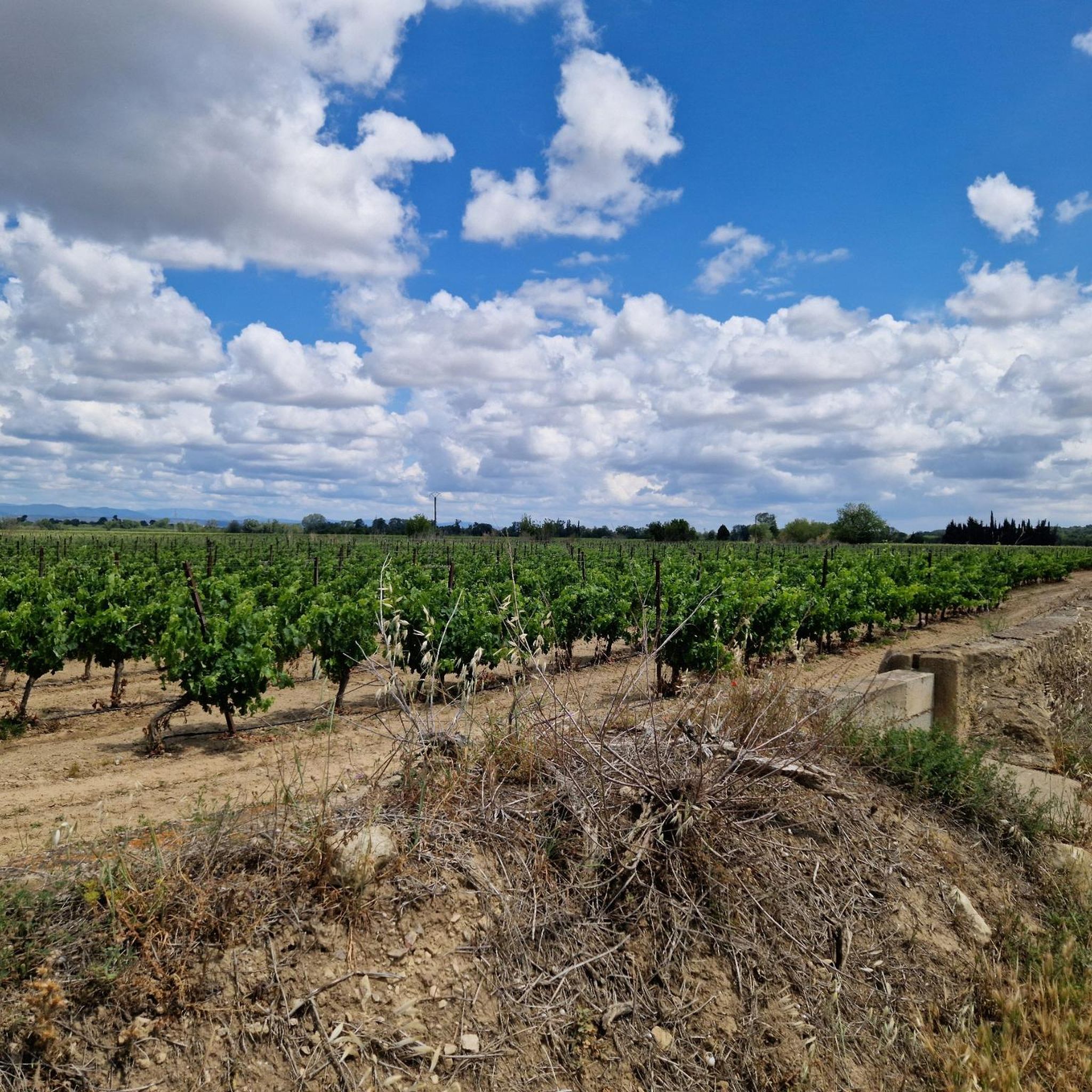
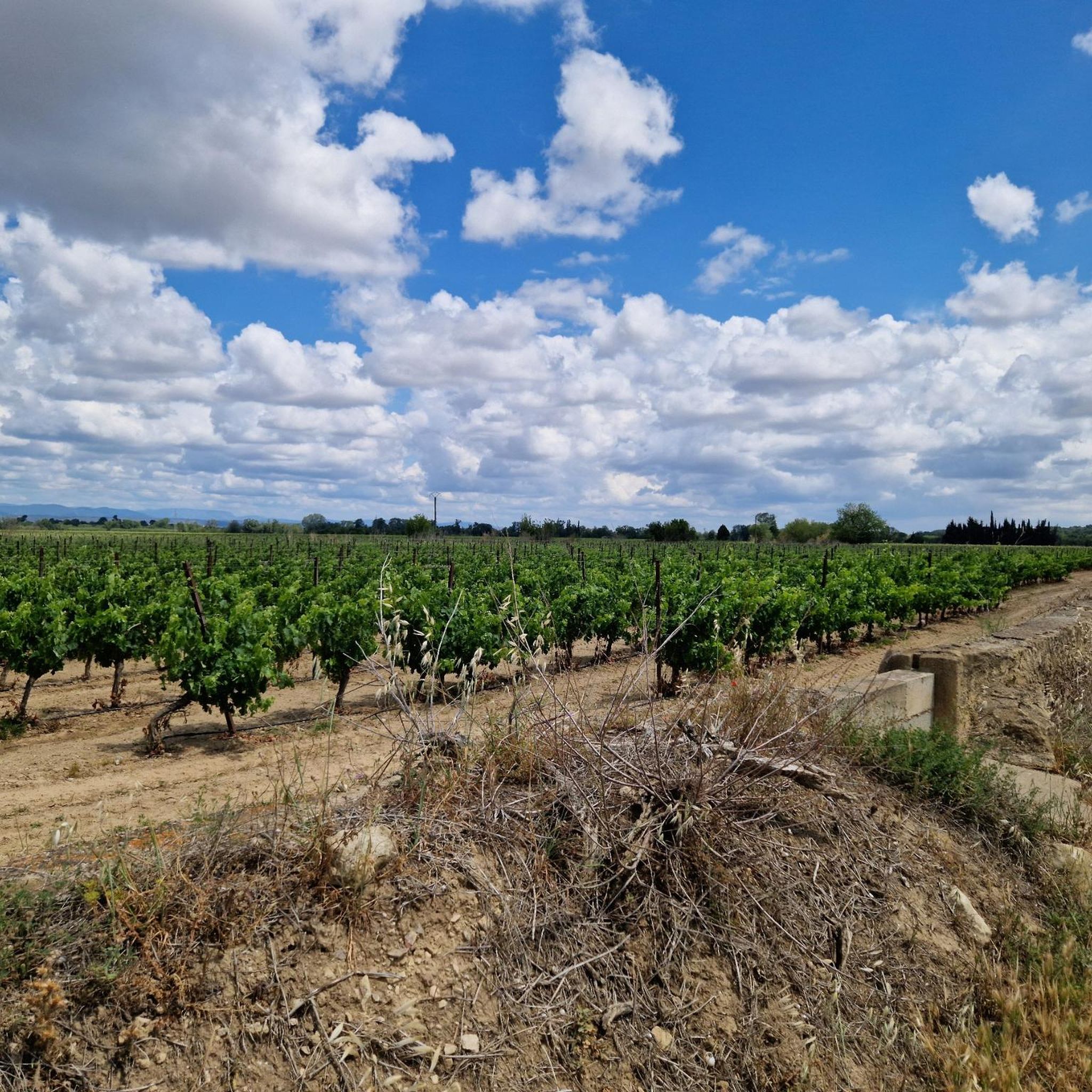
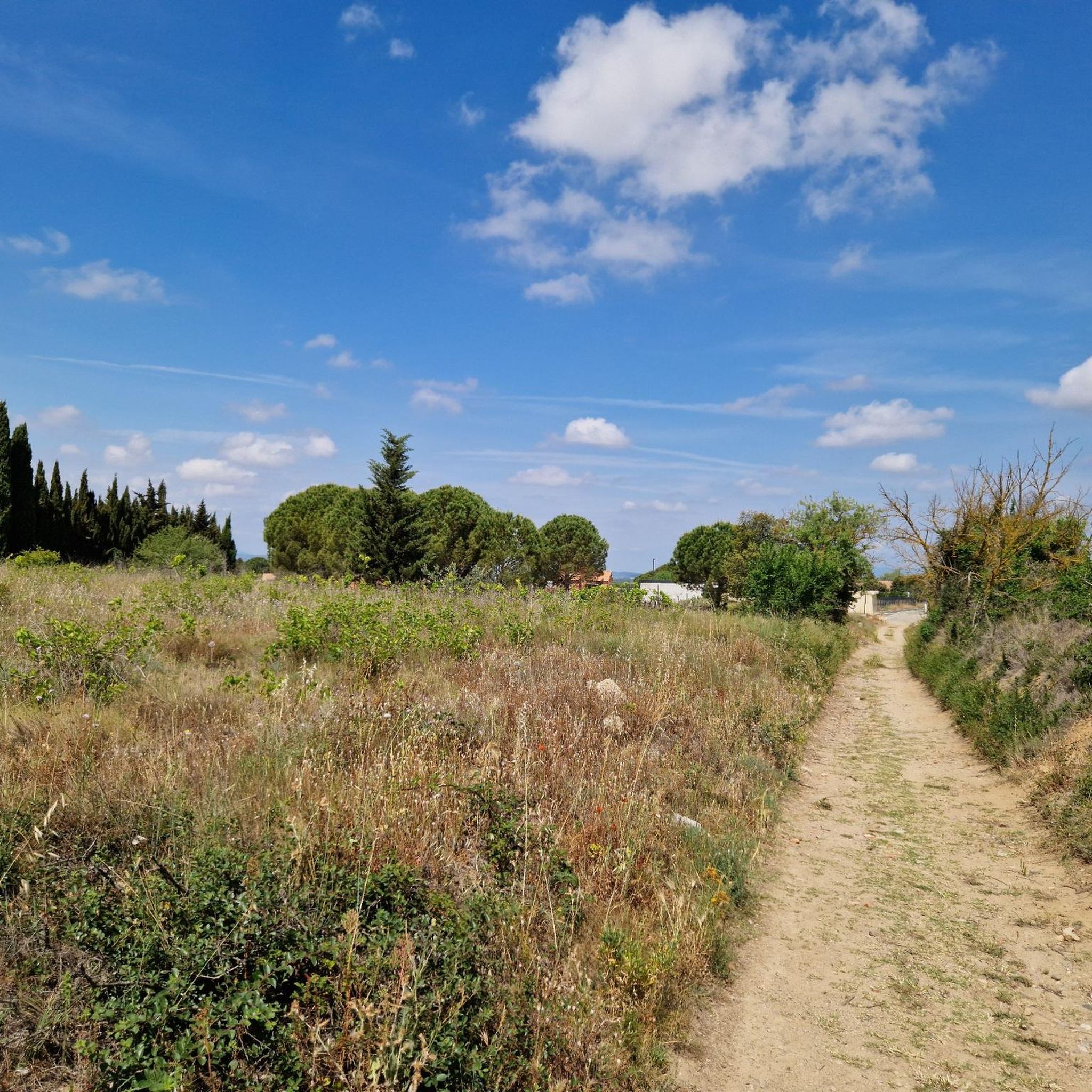
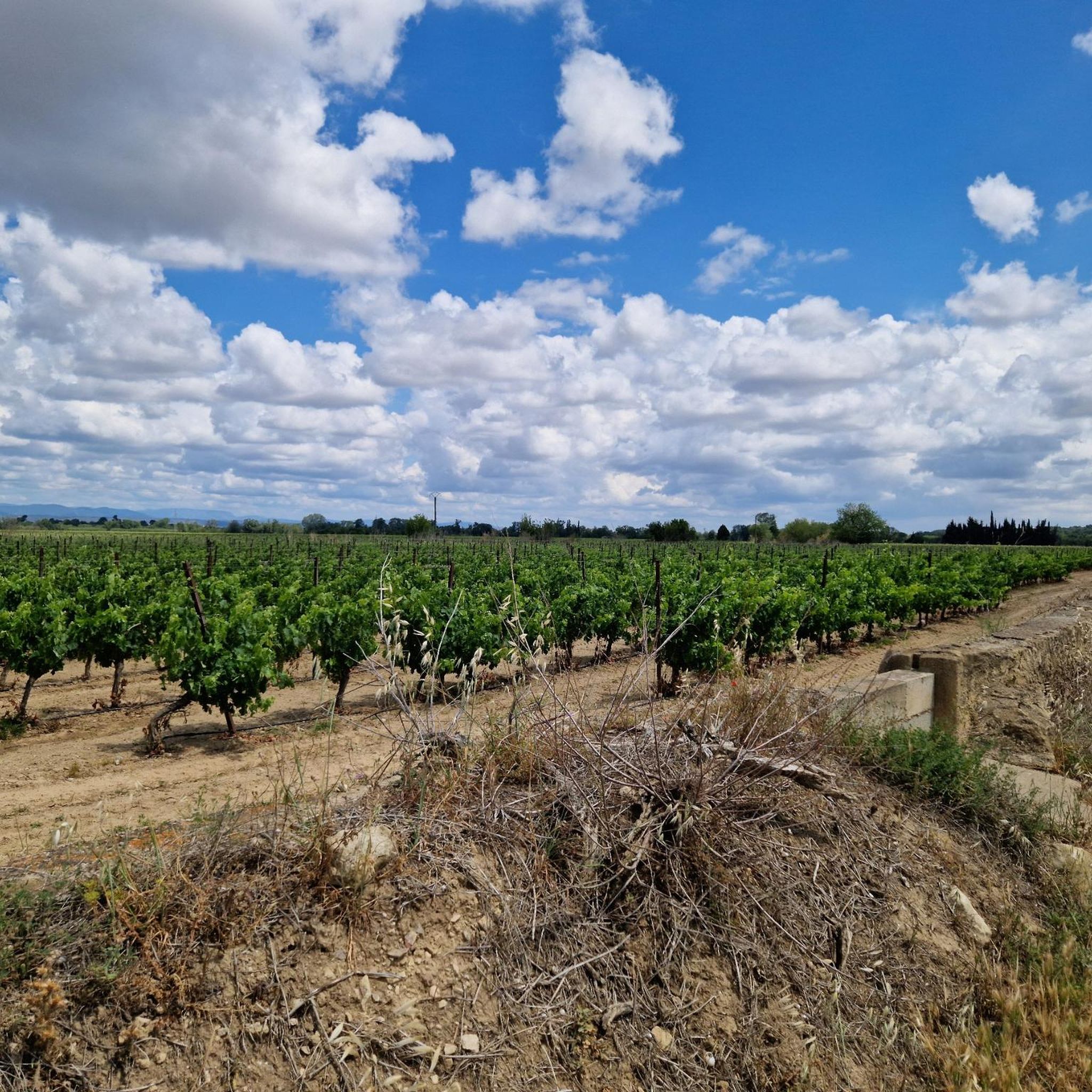
Road cycling around Marcorignan is characterized by its position within the Aude department, offering a mix of flat plains and gently rolling hills. The terrain is predominantly agricultural, featuring extensive vineyards and olive groves that define the landscape. Cyclists can expect to navigate quiet rural roads connecting small, historic villages, with routes traversing coastal areas, open plains, and rolling hills within the Narbonnaise en Méditerranée Natural Regional Park. This region provides a varied backdrop for road cycling, from open fields…
Last updated: August 15, 2026
3.0
(1)
36
riders
67.6km
02:49
400m
400m
Moderate road ride. Good fitness required. Mostly well-paved surfaces and easy to ride.
4.8
(5)
34
riders
46.8km
02:00
300m
300m
Moderate road ride. Good fitness required. Some segments of this route may be unpaved and difficult to ride.

Sign up for free
4.7
(3)
9
riders
Easy road ride. Great for any fitness level. Mostly well-paved surfaces and easy to ride.
8
riders
117km
05:16
890m
890m
Hard road ride. Very good fitness required. Some segments of this route may be unpaved and difficult to ride.
5
riders
Moderate road ride. Great for any fitness level. Some segments of this route may be unpaved and difficult to ride.
Get access to more routes and recommendations from other explorers.
Sign up for free
Already have an account?
Our route recommendations are based on thousands of hikes, rides, and runs completed by other people on komoot.
Start today with a free account
Your next adventure awaits.
Login or Signup

Tips from the Community

Remarkable site, the village of Argens-Minervois, is built in an amphitheater on a promontory overlooking the Canal du Midi and the Aude river. Besides its old fortress (13th century), taken during the Albigensian Crusade by Simon de Montfort, visitors can consider various walks along the canal (locks), around the lake of Aiguilles, at Pech Laurier or at Mourrel Ferrat, an elysian (pre-Roman) site.
0
0
Remarkable site, the village of Argens-Minervois, is built in an amphitheater on a promontory overlooking the Canal du Midi and the Aude river. Besides its old fortress (13th century) taken during the crusade against the Albigensians by Simon de Montfort, visitors can consider various walks along the canal (locks), around the Aiguilles lake, at Pech Laurier or at Mourrel Ferrat, an Elysian (pre-Roman) site.
0
0
Paraza is a wine-growing village in the Minervois region of the Aude, rich in its history dating back beyond the Roman period. It is marked by the construction of the Canal du Midi, during which Pierre Paul Riquet resided at the Château de Paraza during the works on the Canal and the Pont canal du Répudre.
0
0
Typical wine village on the Canal du Midi, dominated by its double castle, one intended for winemaking and the other serving as a residence. The latter was built in the 18th century on the ruins of a 12th-century castle. This large building with a square tower overlooking the plain with beautiful Italian terraced gardens is extended on its right by its "winegrower's folly", a 19th-century model of its kind opening its doors to the Canal du Midi.
0
0
The Jonction canal was commissioned in 1787 to connect the Canal du Midi to the Canal de la Robine in Narbonne. 5 km long, it is partly lined with magnificent umbrella pines that shelter you from the sun. This canal is part of the UNESCO World Heritage site "Canal du Midi" just like the Canal de la Robine.
0
0
The ramparts of Carcassonne were built in several stages over more than a millennium by the Romans (3rd-4th centuries), the viscounts Trencavel (12th century), and then the kings of France (13th century). The ensemble was then extensively restored in the 19th century by the architect Eugène Viollet-le-Duc.
0
0
The ramparts of Carcassonne were built in several stages over more than a millennium by the Romans (3rd-4th centuries), the viscounts Trencavel (12th century), and then the kings of France (13th century). The entire complex was then extensively restored in the 19th century by the architect Eugène Viollet-le-Duc.
0
0

In the heart of old Montouliers lies a heritage site that bears witness to the village's importance in the Middle Ages. The church of Saint-Baudile, whose existence is attested as early as the 10th century under the name Sanctus Baudelius de Monte Olerio, was rebuilt and enlarged over the centuries, mainly between the 12th and 14th centuries. Inside, the building houses a remarkable 14th-century polychrome stone statue of Saint Baudile, classified as a Historic Monument in 1975. Just opposite are the remains of the castrum of Monte Olerio, the old fortified castle around which the medieval village was organized. This grouping around a fortified place, a church, and a few dwellings then formed the defensive and religious heart of the community.
1
0
Frequently Asked Questions
How many road cycling routes are available around Marcorignan?
There are over 260 road cycling routes around Marcorignan, catering to various skill levels. You'll find a good mix, with approximately 57 easy routes, 166 moderate routes, and 42 difficult routes to explore.
What kind of terrain can I expect when road cycling near Marcorignan?
Road cycling around Marcorignan offers a diverse landscape, characterized by a mix of flat plains and gently rolling hills. The terrain is predominantly agricultural, featuring extensive vineyards and olive groves. You'll primarily navigate quiet rural roads connecting small, historic villages, with sections near river valleys and the historic Canal du Midi.
Are there any easy or beginner-friendly road cycling routes in Marcorignan?
Yes, Marcorignan offers numerous easy routes perfect for beginners or those seeking a relaxed ride. The region's flat plains and quiet rural roads make it ideal. For a gentle introduction, consider routes that follow the Canal du Midi, which provide flat sections alongside tree-lined banks.
Where can I find challenging road cycling routes with significant climbs near Marcorignan?
For more advanced riders seeking climbs, the routes leading through the rolling hills surrounding Marcorignan offer a good challenge. The Fontfroide Abbey Circuit, for example, takes you through rolling hills and dense Mediterranean garrigue, providing a more demanding experience.
Are there circular road cycling routes available around Marcorignan?
Many of the road cycling routes around Marcorignan are designed as circular loops, allowing you to start and finish at the same point. The Marcorignan Vineyard Loop is a popular circular option that offers panoramic views of the local viticulture.
What are some scenic viewpoints or attractions I can see along the road cycling routes?
The routes often pass through picturesque vineyards and olive groves. You can also cycle alongside the historic Canal du Midi, offering tranquil views. Notable attractions nearby include The Port of Somail, the Junction of the Canal du Midi and the Canal de la Robine, and the impressive Saint-Just and Saint-Pasteur Cathedral of Narbonne, which can be reached on some routes.
Are there any long-distance road cycling routes in the Marcorignan area?
Yes, the region offers options for longer rides. The extensive network of quiet rural roads and the Canal du Midi provide opportunities to link routes for extended distances. The Canal du Midi Countryside Ride is a good starting point for a longer journey, as the canal path itself extends for significant distances.
What do other road cyclists enjoy most about road cycling in Marcorignan?
The area is highly rated by the komoot community, with an average score of 4.2 stars from over 100 reviews. Reviewers often praise the quiet vineyard-lined roads, the historic charm of the small villages, and the scenic sections along the Canal du Midi. Many appreciate the variety of routes suitable for different skill levels.
Is public transport accessible for reaching road cycling trailheads in Marcorignan?
Marcorignan is a small village, and while local bus services connect it to larger towns like Narbonne, direct public transport access to specific trailheads might be limited. It's often more convenient to drive to a starting point or cycle directly from your accommodation in the area.
Are there parking facilities available at road cycling trailheads around Marcorignan?
Parking is generally available in or near the small villages that serve as common starting points for routes. Many routes begin in Marcorignan itself, where you can find village parking. For routes along the Canal du Midi, there are often designated parking areas at locks or small ports.
What is the best time of year to go road cycling in Marcorignan?
The spring (April-June) and autumn (September-October) are generally considered the best times for road cycling in Marcorignan. During these periods, the weather is typically mild and pleasant, with less intense heat than summer and fewer crowds. The vineyards are also particularly beautiful in spring with new growth or in autumn during harvest.
Are there road cycling routes around Marcorignan that include cafe stops or places to refuel?
Yes, many routes are designed to pass through or near the small, historic villages in the region. These villages often have local cafes, bakeries, or small shops where you can stop for a coffee, a snack, or to refill your water bottles. Planning your route to include these village stops is a great way to experience local life and refuel.
Most popular routes around Marcorignan
Most popular attractions around Marcorignan

Get inspired with the komoot mobile app


Explore more
Browse the best Road cycling routes in other regions.
