Attractions and Places To See around Saint-Georges-De-Reintembault - Top 13
Best attractions and places to see around Saint-Georges-De-Reintembault, a commune in Ille-et-Vilaine, Brittany, offers a blend of historical sites, natural beauty, and cultural points of interest. The area is characterized by preserved bocage landscapes, featuring hedges, sunken paths, and granite outcrops. Visitors can explore historical architecture, some dating back to the 17th century, reflecting the region's past granite industry.
Best attractions and places to see around Saint-Georges-De-Reintembault
- The most popular attractions is Montgommery Castle, a castle rebuilt in the…
Last updated: July 1, 2026
Montgommery Castle
Highlight • Castle
Translated by Google •
Tip by

Ducey
Highlight • Settlement
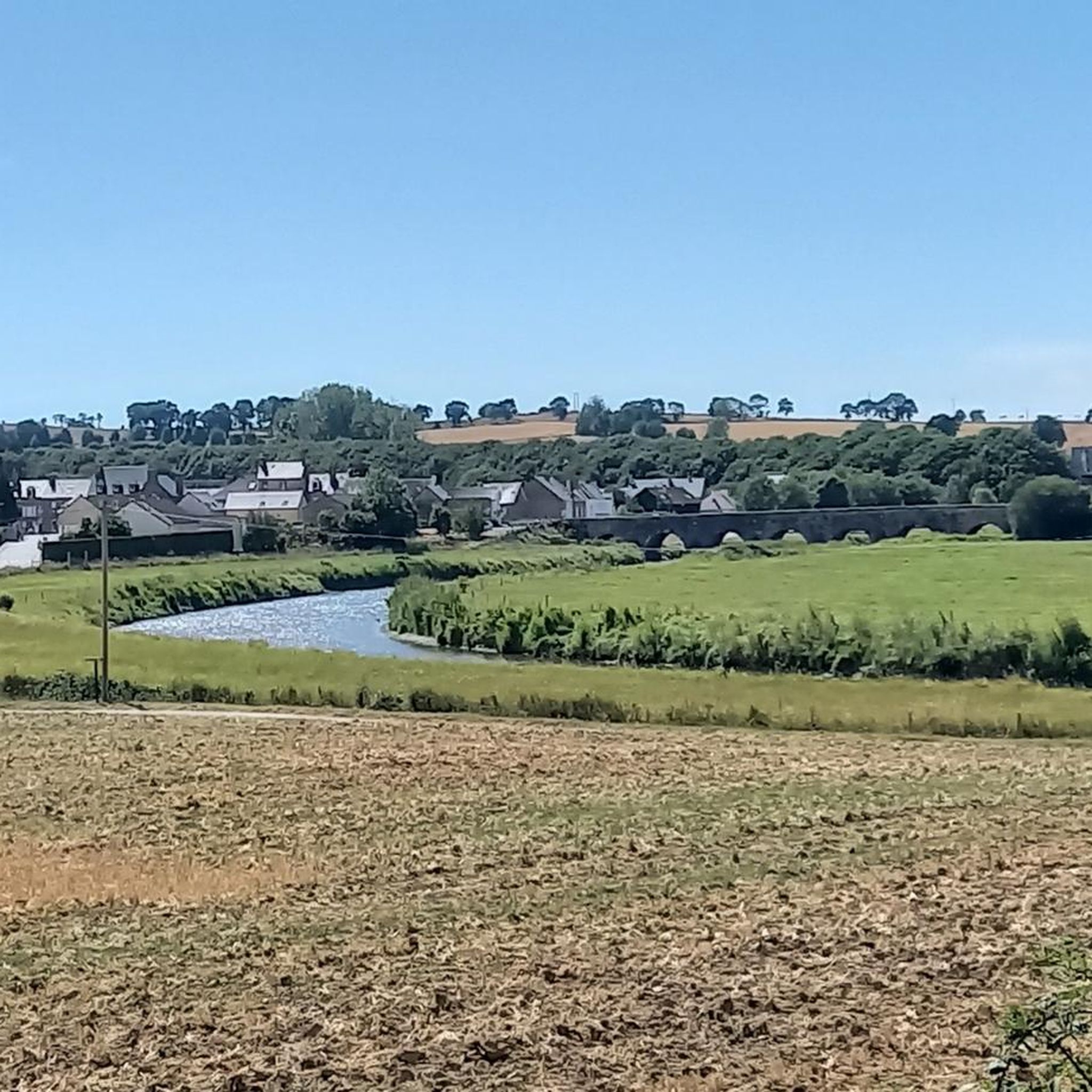
The Montgommery castle on the banks of the La Sélune river offers pretty landscapes just a few dozen meters from the Véloscénie.
Translated by Google •
Tip by

Sign up now to discover places like this
Get recommendations on the best single tracks, peaks, & plenty of other exciting outdoor places.
Sign up for free
Voie verte de la Véloscénie
Highlight • Cycleway
Over about 450 km it takes you partly on small roads, former railway lines …
Translated by Google •
Tip by

Along the Sélune
Highlight (Segment) • River
Translated by Google •
Tip by
Forgotten greenway Fougères St Hilaire du Harcouet
Highlight • Other
Translated by Google •
Tip by

Sign up for free to discover even more attractions around Saint-Georges-De-Reintembault.
Sign up for free
Already have an account?
Start today with a free account
Your next adventure awaits.
Login or Signup
Popular around Saint-Georges-De-Reintembault


Tips from the Community


Beautiful route but there are no water points for the cans! Otherwise it's magnificent
0
0

This part of the greenway is really in a pitiful state. Holes, stones, moss.... the other part up to Fougères is new.
0
1


Montgommery Castle was built in the 17th century by the Montgommery family, prominent Protestants involved in the death of King Henry II of France. The castle is Renaissance style, with a terrace, a balcony and a chapel dedicated to Saint Marguerite. You can explore the castle and its surroundings, and learn more about its history and architecture. You can also play a game of Ducey-Code, a live investigation game that mixes puzzles and history in the castle. The castle is open from Wednesday to Sunday, from 2:00 p.m. to 6:00 p.m.
3
0
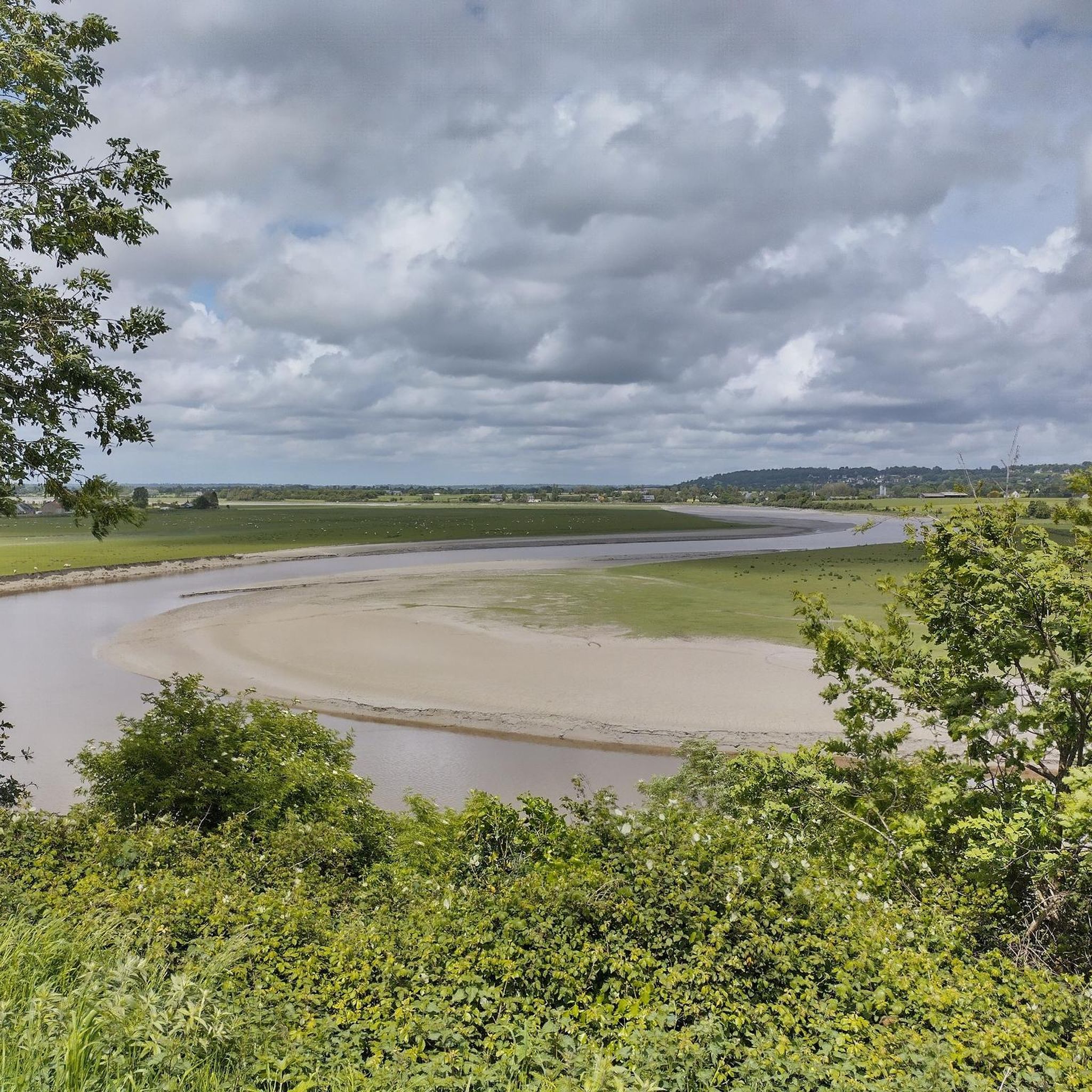
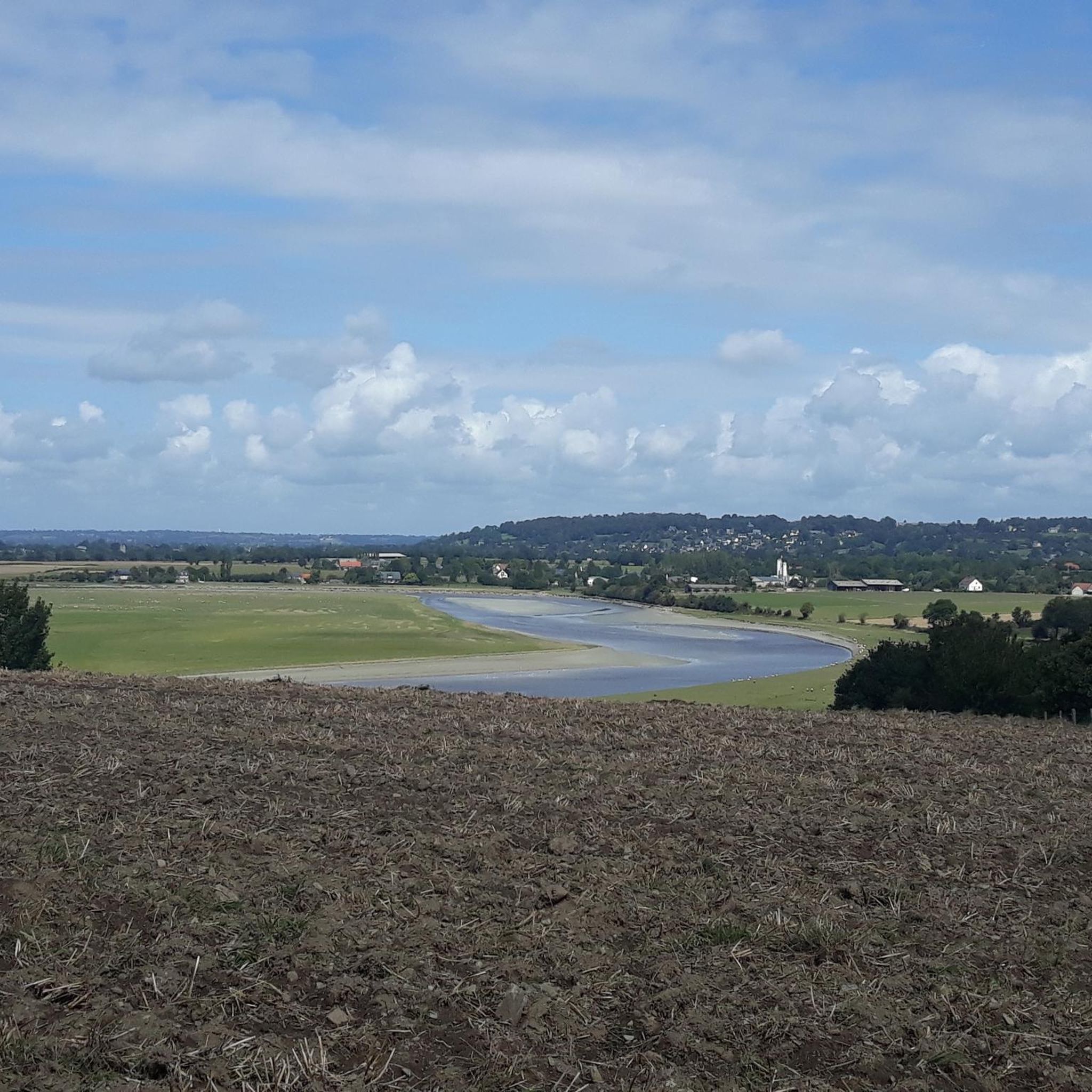
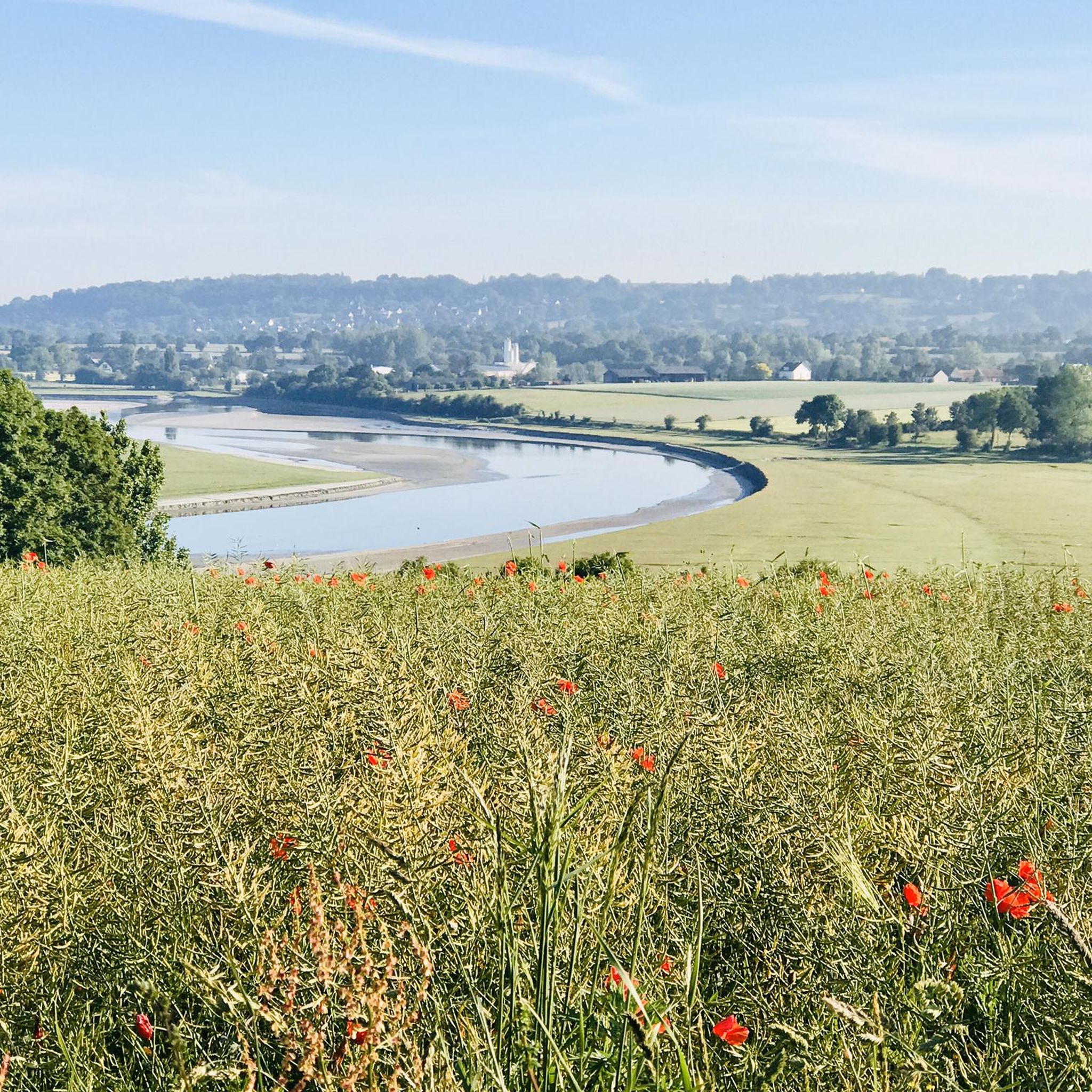
The Sélune, 84 km long, ends its journey in the English Channel. It is one of the few rivers where migrating salmon come up the river from the sea to complete their life cycle.
4
0
Montgommery Castle was rebuilt in the 17th century. At the beginning of the 16th century, the castle took the name of the Montgommery family. Famous, Gabriel I of Montgommery, owner of the castle, took part in the rue Saint-Antoine tournament and, by bad luck, mortally wounded King Henri II in the eye. Interestingly, this did not result in his own death. It was his conversion to Protestantism that led to his execution and the confiscation of his castle. Two years after his death, Henry III authorized Gabriel I de Montgommery's son, Gabriel II, to reoccupy the castle.
6
0

The Voie verte "Véloscénie" connects the heart of Paris (the Ile de la Cité) with Mont-Saint-Michel. Over about 450 km it takes you partly on small roads, former railway lines and along small rivers through places such as: Rambouillet, Chartes, Bagnoles de l'orne, Alencon and Domfront to the most famous landmark in Normandy!
1
0
Frequently Asked Questions
What historical sites can I explore within Saint-Georges-De-Reintembault itself?
Within the commune, you can visit the Église Saint-Georges, rebuilt between 1870 and 1885, featuring a mosaic tympanum depicting Saint George. The historic Moulin de Colas is also a significant point of interest, and you can discover ancient buildings, some dating back to the 17th century, reflecting the region's past granite industry.
Are there any significant religious landmarks in the area?
Yes, besides the Église Saint-Georges, you can visit the Site de la Grotte de Lourdes. The commune is also the birthplace of Père Julien Maunoir, a revered Jesuit priest, and an old chapel, Notre-Dame, once stood next to his birthplace.
What is the history behind Montgommery Castle?
The Montgommery Castle, located in nearby Ducey, was rebuilt in the 17th century. It is historically significant due to its connection with Gabriel I of Montgommery, who accidentally wounded King Henri II. The castle is a Renaissance-style structure with a terrace, balcony, and a chapel dedicated to Saint Marguerite.
Can I learn about the local heritage through a walking tour?
Yes, Saint-Georges-De-Reintembault offers a 'patrimoine du centre bourg' circuit. This interpretive trail consists of 17 panels that guide visitors through the commune's origins and rich built heritage in about an hour, starting from the town hall square.
What kind of natural landscapes can I expect to see around Saint-Georges-De-Reintembault?
The area is known for its beautifully preserved bocage landscapes, characterized by hedges on embankments, sunken paths, woods, meadows, and granite outcrops. The commune has successfully maintained this traditional rural environment.
Are there cycling routes suitable for exploring the region?
Absolutely. The Voie verte de la Véloscénie, a cycle way, passes nearby, connecting Paris to Mont Saint-Michel. Additionally, there's a 39 km cycling route called 'La balade du meunier'. For more extensive cycling, you can explore various road cycling routes and MTB trails around Saint-Georges-De-Reintembault.
What hiking opportunities are available near Saint-Georges-De-Reintembault?
You can explore the 'De la toile à l'agriculture' circuit, an interpretive trail ranging from 6 km to 10 km, which allows you to learn about the region's historical cultivation of linen and hemp. There are also several running trails that offer scenic walks, such as the 'Les Buttes loop from Monthault'.
Where can I experience the local river scenery?
You can enjoy the scenery along the Sélune River. This 84 km long river is notable as one of the few where migrating salmon come upstream from the sea to complete their life cycle, offering unique natural observations.
Are there family-friendly activities or attractions in Saint-Georges-De-Reintembault?
Yes, several attractions are suitable for families. The Montgommery Castle offers historical exploration, and the Sélune River provides a natural setting for walks. The various cycling and hiking routes, such as the 'De la toile à l'agriculture' circuit, are also great for active families.
What is the best time of year to visit Saint-Georges-De-Reintembault?
The region is ideal for outdoor activities, so spring and summer offer pleasant weather for exploring the bocage landscapes, cycling routes, and historical sites. Autumn can also be beautiful with changing foliage, while winter might be quieter but still suitable for cultural visits.
How can I get around Saint-Georges-De-Reintembault and its attractions?
While specific public transport details for individual attractions are limited, many visitors find it convenient to explore the area by car, especially for reaching sites like Montgommery Castle or the Parc Botanique. Parking is generally available near main landmarks. For active exploration, cycling and hiking routes are well-established.
What other notable attractions are within a short drive of Saint-Georges-De-Reintembault?
Beyond the immediate commune, you can easily visit iconic sites like Mont Saint-Michel, a UNESCO World Heritage site. The Parc Botanique de Haute Bretagne is also nearby in Le Châtellier, and the ancient Saint-Benoît Polishing Stone, dating back to 4,000 BC, offers a glimpse into prehistoric times.
Are there any unique natural features to discover?
Yes, the area is rich in unique natural features. Beyond the bocage landscapes, you can find granite outcrops throughout the commune. The 'De la toile à l'agriculture' circuit also highlights the preserved rural landscapes and the historical significance of linen and hemp cultivation in the region.
Most popular routes around Saint-Georges-De-Reintembault

Get inspired with the komoot mobile app


Explore more
Still not found the Highlight you’re looking for? See guides of the top attractions in other regions:
