The best running trails around Estillac
4.3
(94)
5,996
runners
313
runs
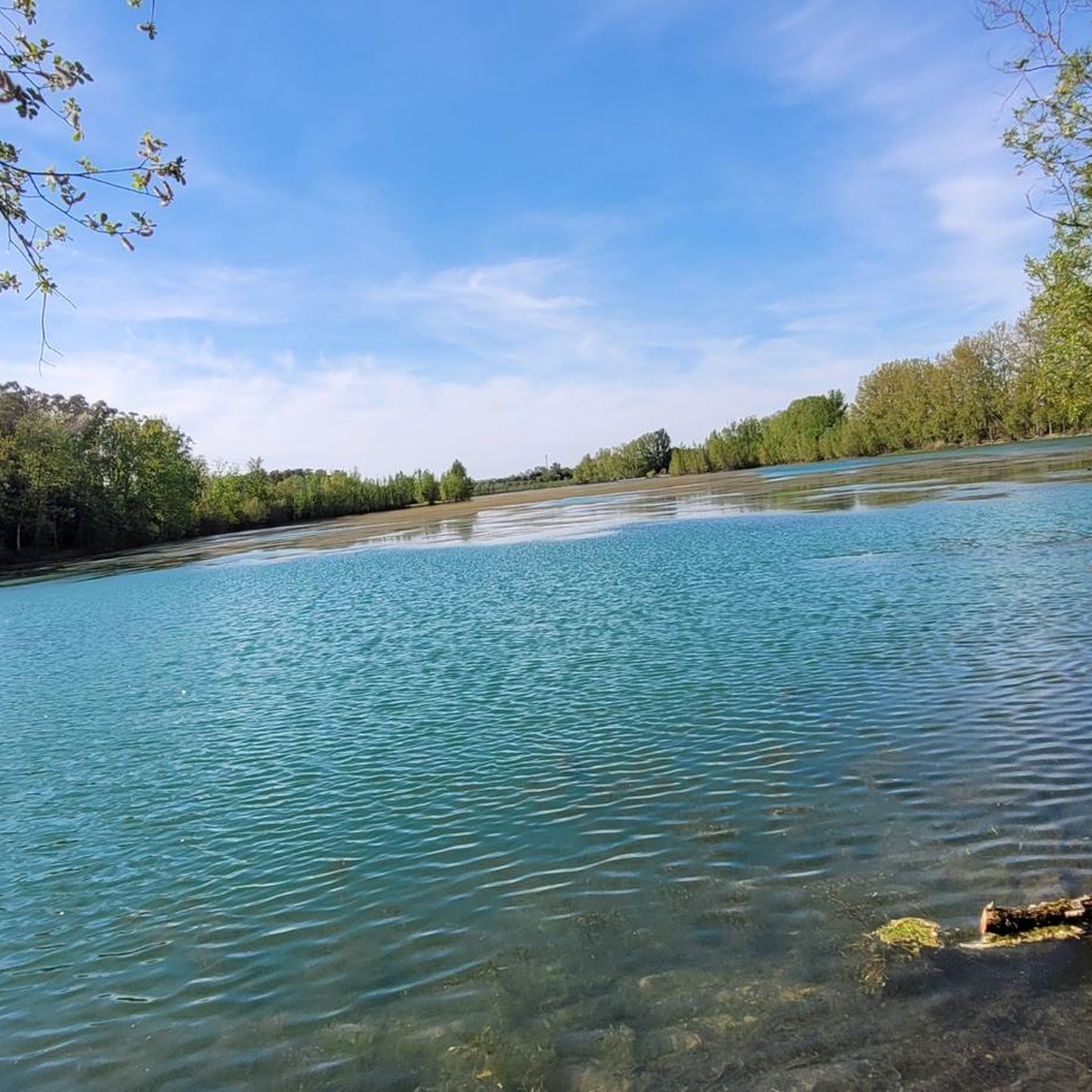
Jogging around Estillac offers a variety of routes through its diverse landscape. The region features a mix of open countryside, river paths, and areas with gentle rolling hills. These running routes often traverse agricultural lands and quiet village roads, providing a peaceful environment for outdoor activity.
Best jogging routes around Estillac
- The most popular jogging route is Agen Canal Bridge – Agen river port loop from Estillac, a 8.6 miles (13.9 km) trail that takes 1 hour 26 minutes…
Last updated: October 16, 2026
5.0
(1)
41
runners
16.6km
01:47
60m
60m
Hard run. Very good fitness required. Mostly paved surfaces. Suitable for all skill levels.
5.0
(1)
21
runners
16.6km
01:59
370m
370m
Hard run. Very good fitness required. Mostly paved surfaces. Suitable for all skill levels.

53
runners
20.8km
02:34
470m
470m
Hard run. Very good fitness required. Mostly paved surfaces. Suitable for all skill levels.
23
runners
14.2km
01:28
50m
50m
Moderate run. Good fitness required. Mostly paved surfaces. Suitable for all skill levels.
19
runners
13.0km
01:27
170m
170m
Moderate run. Good fitness required. Mostly paved surfaces. Suitable for all skill levels.
Get access to more routes and recommendations from other explorers.
Already have an account?
Our route recommendations are based on thousands of hikes, rides, and runs completed by other people on komoot.
Start today with a free account
Your next adventure awaits.



Tips from the Community

The Sainte-Marie de Moirax church is the most remarkable vestige of the former Cluniac priory founded in the 11th century. Classified as a Historic Monument, it preserves superb Romanesque architecture, with its sculpted portal, finely worked capitals, and imposing nave.
0
0
Moirax is one of the most beautiful villages in Lot-et-Garonne. Perched on a hill overlooking the Garonne valley, it is best known for its remarkable Cluniac priory founded in the 11th century. Its narrow streets lined with stone houses, its viewpoints over the Agenais hills, and the peaceful atmosphere around the abbey church make it a charming stopover.
0
0


Saint-Caprais Cathedral in Agen features several architectural peculiarities: its Romanesque apse is extended by a single-nave Gothic nave. Replacing an earlier wooden campanile, the current bell tower was built in 1835 at the initiative of Bishop Jean-Aimé de Levezou de Vezins and is unusual in that it consists of three Gothic stylistic elements (lancet Gothic, radiant Gothic, and flamboyant Gothic) curiously presented in reverse chronological order. A corbel composed according to this principle can still be seen in a corner of the north transept of Agen Cathedral. This corbel, in itself, is a small monument containing two large formerets and a long-span pointed arch. The paintings on the walls and ceilings depict the history of the arrival of Christianity in the region. A central role is given to the first martyrs of Agen. Other paintings are presented in series: the Evangelists, the Apostles, the patriarchs of the Jewish people (Abraham, Noah, etc.), the great kings of Israel, etc. The cathedral is much shorter than one might expect, judging by the size of the choir; indeed, political and financial difficulties greatly influenced the cathedral's final form. The painted decoration was entrusted to Jean-Louis Bézard, a painter from Toulouse who won the Prix de Rome in 1829. He completed the decoration of the chapel of the Hospice Saint-Jacques d'Agen, now the departmental hotel, in 1845, which has since disappeared. At the same time, he began painting the Chapel of the Virgin Mary in the cathedral. He continued decorating the cathedral until 1869. The choice of themes was made by the cathedral clergy and was the subject of debate between the painter and Abbé Deyche. For the decoration of the apse, the choice was made to depict the martyrdom of the saints of Agen. For the rest of the decoration, the paintings blend local themes and Marian iconography, the great figures of the Bible, the Old Testament, and the New Testament. Jean-Louis Bézard drew inspiration from the decoration of the Sicilian churches of Palermo and Montereale for the medallions of the arches of the transept crossing. The altar decoration: an altar cross and six candlesticks are listed as historical monuments. On the counter-façade, two statues: on the right, Saint Caprais, and on the left, Saint Stephen, by Louis Rochet. The main organ, built by organ builder Jean-Baptiste Stoltz, was featured at the 1855 World's Fair in Paris. According to legend, it was donated by Empress Eugenie in 1858 to Agen Cathedral, which until then had no instrument. It is the largest instrument in the Lot-et-Garonne department, with 45 stops spread over three manuals and a pedalboard. It has mechanical action. It is listed as a historic monument. The choir organ was built by organ builder Jules Magen in 1885 (15 stops over two manuals/pedalboard). It has been listed as a historic monument. Concert pianist and organist Jérôme Chabert has been its organist since 2002. He founded the Heures d'Orgue, an international festival held every summer in July and August on the cathedral's two organs.
0
0
Saint-Caprais Cathedral was built in the 12th century on the site of an episcopal basilica constructed in the 6th century, sacked by the Normans in 853 and then restored. Saint-Caprais Church is mentioned, along with Saint-Étienne Cathedral, in the will of Raymond, Lord of Toulouse, Marquis of Gothia, Count of Rouergue, Gévaudan, and Narbonne, who died in 961.[6] It was originally a collegiate church. Sacked again in December 1561 during the Wars of Religion, Saint-Caprais Collegiate Church became a fodder store in 1791 before being reopened in 1796 and becoming the official cathedral of Agen, following the destruction of the old Saint-Étienne Cathedral during the Revolution. It was elevated to the rank of cathedral in 1802. At the request of the Bishop of Agen, Jean-Aimé de Levezou de Vezins, the architect Gustave Bourrières[7] rebuilt the south façade, the bell tower, and the interior floors between 1838 and 1847.
0
0


The beautiful Cathedral of Agen is dedicated to St. Caprais dating back to the 11th century.
4
0

I'm sorry but the river port of Agen no longer has any influence on the transport of goods and the rental of small boats has been moved to the much more active port of Buzet sur Baïse.
1
0
Frequently Asked Questions
How many running routes are available around Estillac?
Estillac offers a good selection of running routes, with over 15 distinct trails to explore. These routes cater to various fitness levels, from easy loops to more challenging long-distance runs.
Are there any easy running routes suitable for beginners in Estillac?
Yes, for those looking for an easier run, the Running loop from Roquefort is a great option. It's an easy 3.1-mile (4.9 km) trail that typically takes about 30 minutes to complete, leading through open fields and local roads.
What kind of scenery can I expect on the running trails in Estillac?
The running routes around Estillac showcase the region's tranquil beauty, featuring a mix of open countryside, peaceful river paths, and gentle rolling hills. You'll often find yourself traversing agricultural lands and quiet village roads, offering a serene environment for your run.
Are there any circular running routes in the Estillac area?
Many of the running routes in Estillac are designed as loops, providing convenient circular options. For example, the popular Agen Canal Bridge – Agen river port loop from Estillac is a moderate 8.6-mile (13.9 km) circular trail that follows scenic canal and river paths.
What are some longer or more challenging running options near Estillac?
If you're seeking a more challenging run with significant elevation changes, consider the Notre-Dame de Moirax Church loop from Estillac. This difficult 12.9-mile (20.8 km) path leads through varied terrain to the historic church. Another challenging option is the Château de Roquefort loop from Estillac, a 10.3-mile (16.6 km) route.
What points of interest can I see along the running routes in Estillac?
Several routes offer glimpses of local landmarks. For instance, the Agen Canal Bridge – Agen river port loop from Estillac passes by the impressive Agen Canal Bridge and the Agen river port. The Notre-Dame de Moirax Church loop from Estillac takes you to the historic Notre-Dame Church of Moirax.
Is Estillac a good place for dog-friendly running?
Yes, the rural nature of Estillac and its network of quiet paths and agricultural roads make it generally suitable for running with dogs. Many trails traverse open countryside, offering space for your canine companion. Always ensure your dog is under control and respect local regulations regarding leashes, especially near livestock or in populated areas.
What do other runners say about the trails in Estillac?
The running routes in Estillac are highly regarded by the komoot community, boasting an average rating of 4.5 stars from over 35 reviews. Runners frequently praise the tranquil riverbanks, open agricultural landscapes, and gentle hills that define the area's diverse terrain.
Are there any running routes that pass by cafes or places to refuel?
While specific routes aren't designed to pass directly by cafes, many trails start or pass near the village centers of Estillac or nearby towns like Roquefort and Agen. You can often find local bakeries or small cafes in these areas to refuel before or after your run. Planning your route to include a stop in a village is recommended.
What is the best time of year to go running in Estillac?
Spring and autumn are generally ideal for running in Estillac, offering pleasant temperatures and beautiful scenery as the landscape changes. Summer can be warm, so early morning or late evening runs are recommended. Winter running is also possible, though some paths might be muddy after rain, and cooler temperatures prevail.
Are there opportunities for wildlife spotting while running in Estillac?
Given the region's mix of open countryside, river paths, and agricultural lands, you may encounter various local wildlife. Keep an eye out for birds, small mammals, and insects, especially during quieter times of the day like early morning or late evening. The peaceful environment enhances the chances of spotting local fauna.
Is parking readily available for accessing running routes in Estillac?
In rural areas like Estillac, parking is generally available in village centers or designated public parking areas. For specific routes, it's often possible to find roadside parking near trailheads, especially on quieter roads. Always ensure you park responsibly and do not obstruct local access or private property.
Most popular attractions around Estillac

Get inspired with the komoot mobile app


Explore more
Browse the best Running Trails & Routes in other regions.
