The best cycling routes around Foulayronnes
4.4
(196)
1,458
riders
18
rides
Touring cycling around Foulayronnes features routes that traverse the Lot-et-Garonne department, characterized by its river valleys, agricultural landscapes, and historic villages. The terrain often includes gentle undulations, with some routes incorporating more significant climbs. Waterways such as the Baïse Aqueduct and the Garonne Lateral Canal are prominent features, offering flat sections alongside canals. The region provides a mix of open countryside and routes connecting various local communities.
Best touring cycling routes around Foulayronnes
- The most popular touring cycling route is…
Last updated: October 11, 2026
5.0
(1)
25
riders
60.1km
05:02
1,140m
1,140m
Hard bike ride. Very good fitness required. Mostly paved surfaces. Suitable for all skill levels.
4.6
(7)
21
riders
29.0km
01:53
360m
360m
Moderate bike ride. Good fitness required. Mostly paved surfaces. Suitable for all skill levels.

4.7
(3)
9
riders
41.9km
02:53
660m
660m
Hard bike ride. Very good fitness required. Mostly paved surfaces. Suitable for all skill levels.
4
riders
24.5km
01:37
340m
340m
Moderate bike ride. Good fitness required. Mostly paved surfaces. Suitable for all skill levels.
5
riders
38.8km
03:11
670m
670m
Hard bike ride. Very good fitness required. Mostly paved surfaces. Suitable for all skill levels.
Get access to more routes and recommendations from other explorers.
Already have an account?
Our route recommendations are based on thousands of hikes, rides, and runs completed by other people on komoot.
Start today with a free account
Your next adventure awaits.
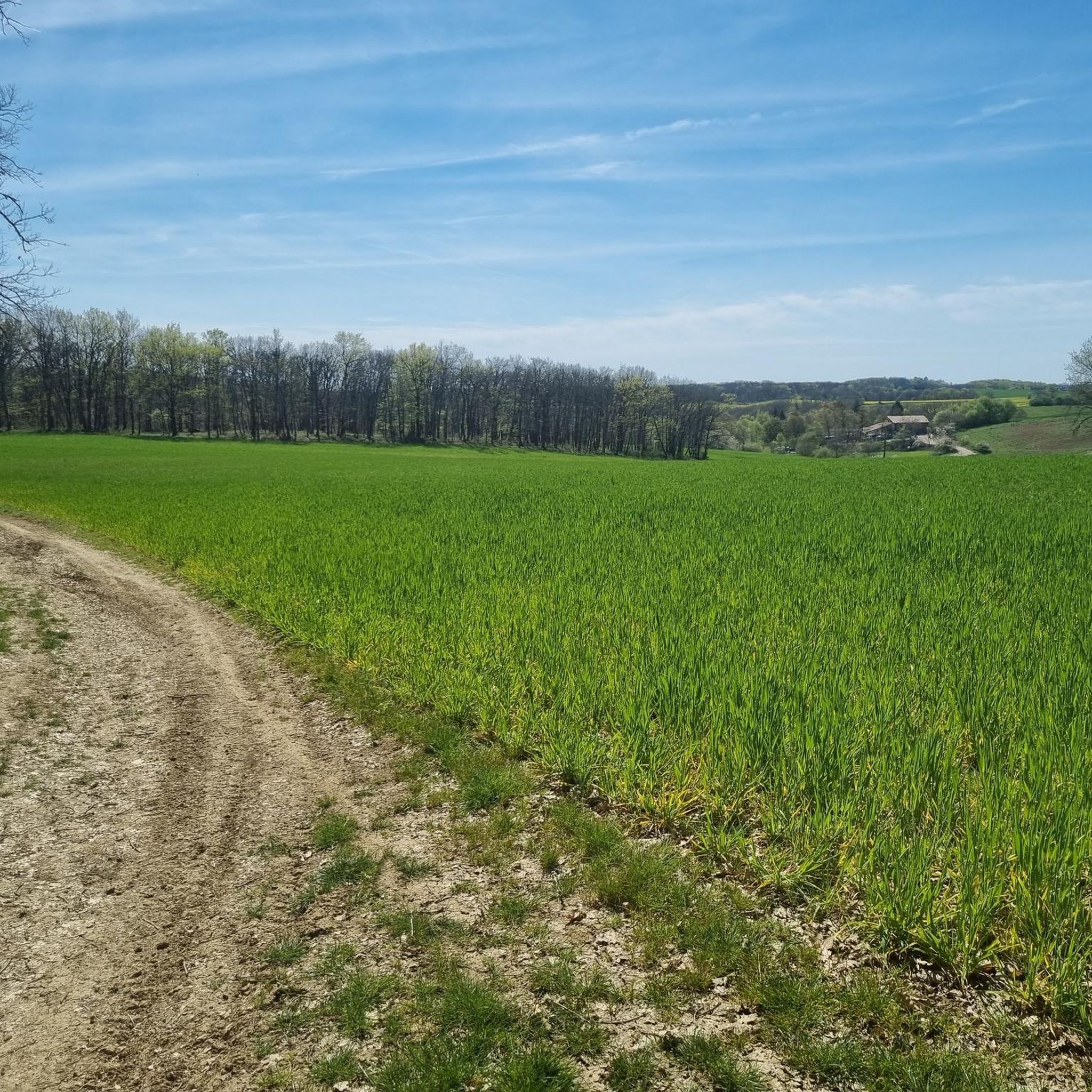
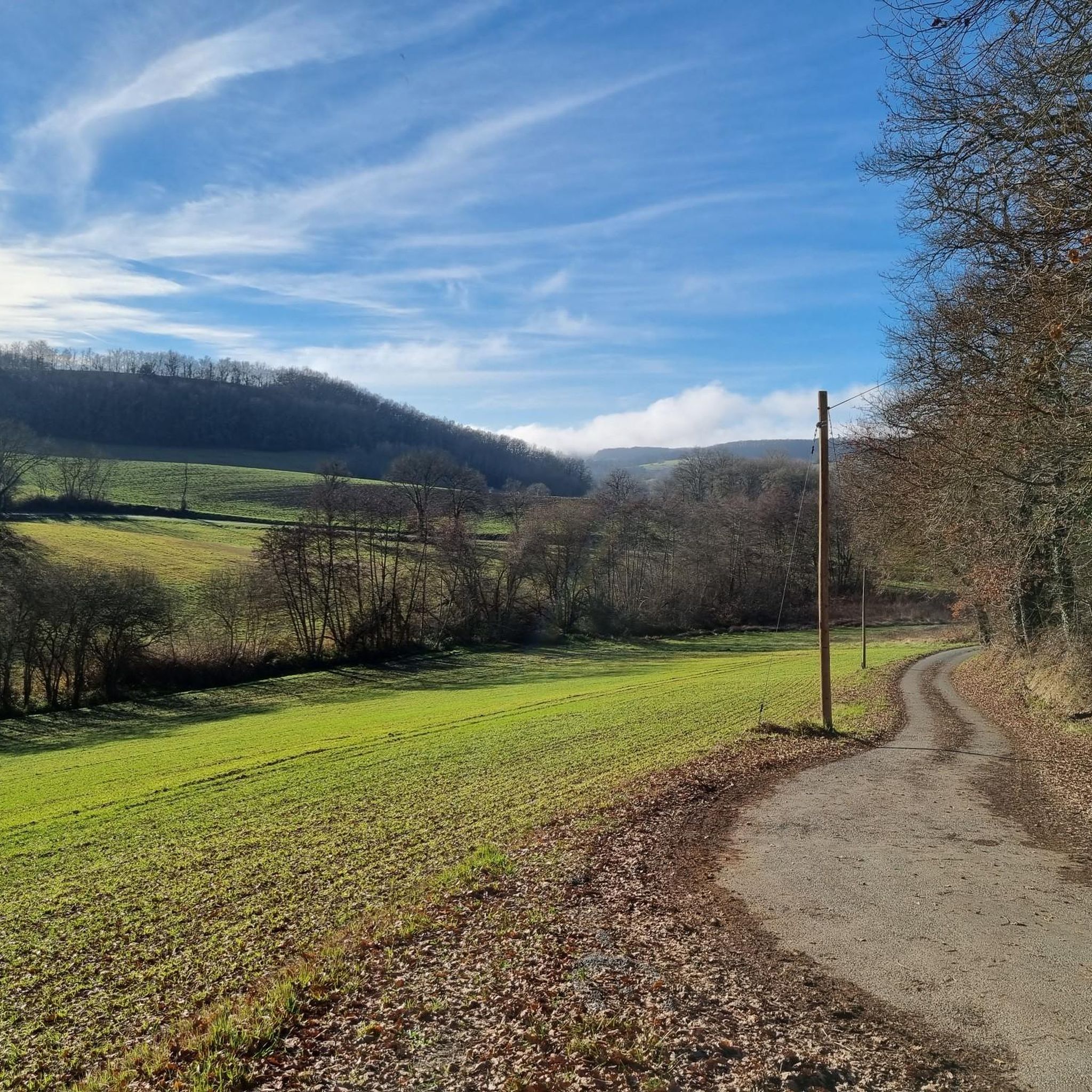
Tips from the Community

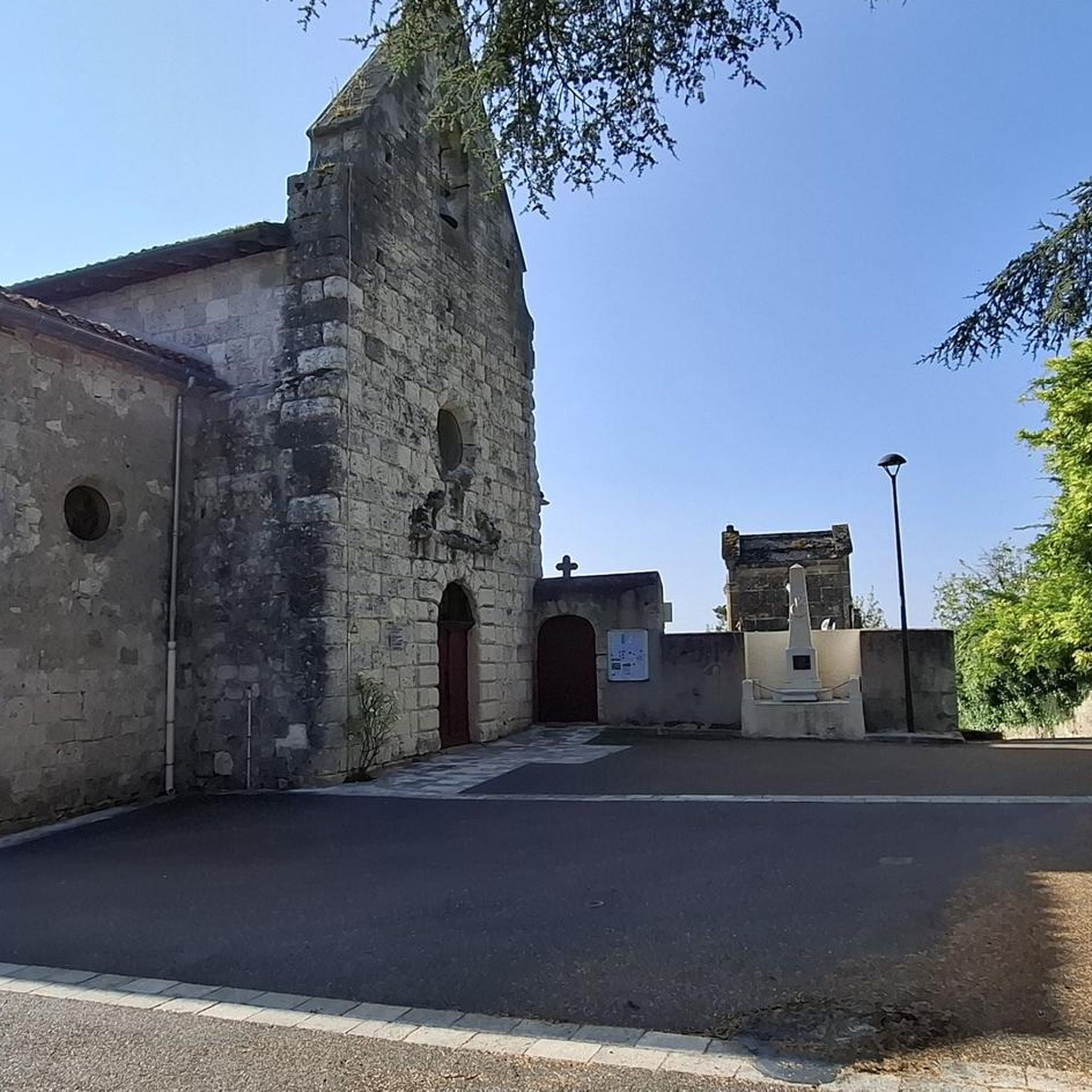
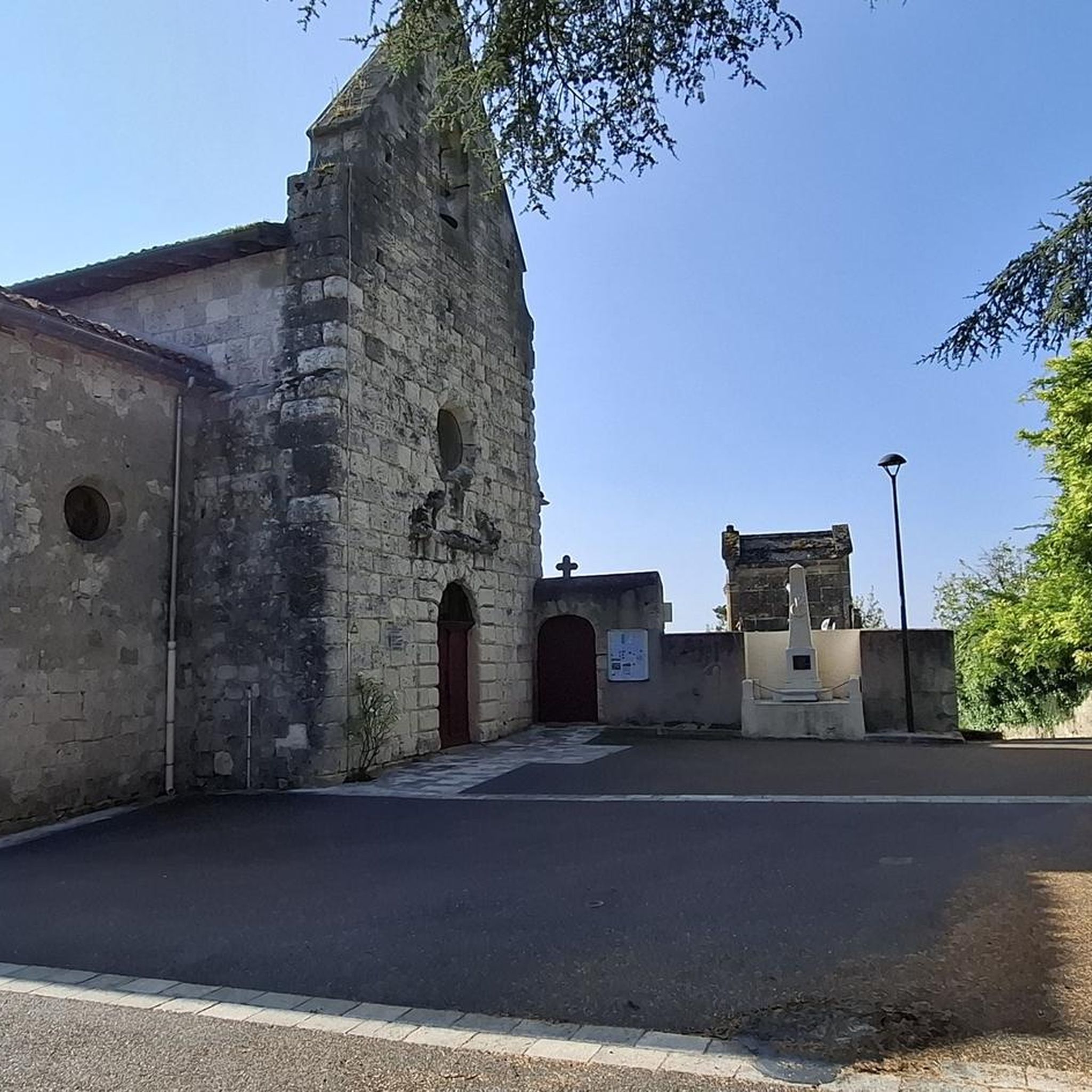
Small country church perfect for a break
0
0

very nice for beautiful photos
0
0
The church was first the castle chapel Saint-Barthélemy, an annex of Saint-Orens. It became a parish church under the dedication of Saint Orens in 1763 when it was ceded by the Duke of Aiguillon. The building was constructed in the first third of the 16th century, as suggested by the presence of the coat of arms of Charles de Montpezat, lord of Laugnac and Dolmayrac, on the keystone of the choir. Two chapels were built on the Epistle side in the second half of the 17th century. In 1650[1], Mr. Rigade or Régal, a judge, obtained authorization to build the south chapel near the choir, according to the minutes of a pastoral visit made in 1705. The south chapels were remodeled around 1850. The east-side chapel was then vaulted, according to Durengues. A repair of the vaults was planned in 1859. In 1890, a bay was added to the nave as well as the bell tower. The building has been listed as a historical monument since February 22, 1927[2],[3].
0
0

Saint-Denis is a small, charming, rural and isolated hamlet. Its cemetery has a rather imposing structure. A nice passage if you are out and about in the area.
0
0

Nestled among valleys and orchards, Laugnac is a typical Lot-et-Garonne village. Its church, open views of the surrounding countryside, and rural heritage make it a pleasant stopover.
0
0
Located in the heart of the Lot-et-Garonne hills, Preyssas is a charming village typical of the Albret region. Surrounded by orchards and rolling countryside, it reveals peaceful lanes, a beautiful stone church, and retains a true rural authenticity. The town hall square is an ideal spot for a relaxing break on a terrace.
0
0

Pretty little lake on the side of the road, nice for a little break!
0
0
The church was first the castle chapel of Saint-Barthélemy, annexed to Saint-Orens. It became a parish church under the dedication of Saint Orens in 1763 when it was ceded by the Duke of Aiguillon. The building was built in the first third of the 16th century, as the presence on the keystone of the choir of the coat of arms of Charles de Montpezat, lord of Laugnac and Dolmayrac seems to show. Two chapels were built next to the Epistle in the second half of the 17th century. In 16501, Mr. Rigade or Régal, judge, obtained authorization to build the south chapel near the choir according to the minutes of a pastoral visit made in 1705. The south chapels were remodeled around 1850. The east side chapel was then vaulted, according to Durengues. A repair of the vaults is planned for 1859. In 1890 a bay was added to the nave as well as the bell tower.
0
0
Frequently Asked Questions
How many touring cycling routes are available around Foulayronnes?
There are over 220 touring cycling routes in the Foulayronnes area, offering a wide variety of options for different skill levels and preferences.
What are the difficulty levels of touring cycling routes in Foulayronnes?
The routes around Foulayronnes cater to all experience levels. You'll find approximately 40 easy routes, over 110 moderate routes, and around 70 difficult routes for more experienced cyclists.
Are there any easy touring cycling routes suitable for beginners or families?
Yes, there are many easy routes perfect for beginners or family outings. A great option is the Bike loop from Agen, which is just over 12.5 km and features minimal elevation gain, making it very accessible.
Can I find challenging touring cycling routes for experienced cyclists?
Absolutely. For those seeking a challenge, routes like the Laugnac Village – Prayssas Village Square loop from Artigues offer a difficult 61 km ride with significant elevation changes, providing a rewarding experience through rural landscapes and vineyards.
Are there circular touring cycling routes in Foulayronnes?
Yes, many routes in the region are designed as loops, allowing you to start and finish in the same location. An example is the Bike loop from Foulayronnes, which is a moderate 29.6 km ride through rolling countryside.
What kind of scenery can I expect on touring cycling routes around Foulayronnes?
The routes in Foulayronnes traverse diverse landscapes, including picturesque river valleys, expansive agricultural fields, and charming historic villages. You'll often find yourself cycling alongside waterways like the Baïse Aqueduct and the Garonne Lateral Canal, offering flat, scenic sections.
Are there any interesting landmarks or attractions to see along the touring cycling routes?
Yes, the region is rich in points of interest. Along your rides, you might encounter the historic Agen river port, the impressive Agen Aqueduct, or the beautiful Notre-Dame Church of Moirax. Many routes also pass through quaint village squares like Prayssas Village Square.
What is the best season for touring cycling in Foulayronnes?
Spring and autumn generally offer the most pleasant conditions for touring cycling in Foulayronnes, with mild temperatures and beautiful scenery. Summer can be warm, especially in July and August, so early morning or late afternoon rides are recommended. Winters are typically mild but can be damp.
Are dogs allowed on touring cycling routes around Foulayronnes?
While there are no specific restrictions on dogs on most public paths, it's always advisable to keep your dog on a leash, especially when cycling near agricultural areas, livestock, or in populated village sections. Be mindful of other cyclists and pedestrians.
Are there touring cycling routes accessible by public transport in Foulayronnes?
Many routes start from larger towns like Agen, which is well-connected by regional public transport. You can often find routes that begin near train stations or bus stops, allowing for easier access without a car. Check local transport schedules for bike carriage policies.
Where can I park my car when starting a touring cycling route near Foulayronnes?
Parking is generally available in the towns and villages where routes begin. For example, if you're starting a route from Agen, there are various public parking areas. For routes originating in smaller villages, look for designated parking near community centers or churches.
What do other touring cyclists say about the routes in Foulayronnes?
The touring cycling routes in Foulayronnes are highly regarded by the komoot community, with an average rating of 4.5 stars from over 300 reviews. Cyclists often praise the varied terrain, the peaceful canal paths, and the charm of the historic villages encountered along the way.
Are there any routes that follow canals or rivers?
Yes, the region is known for its waterways. The Baïse Aqueduct – Port of Buzet loop from Agen is a prime example, following the Garonne river and canal, and passing by the historic Baïse Aqueduct, offering flat and scenic riding.
Most popular attractions around Foulayronnes

Get inspired with the komoot mobile app


Explore more
Browse the best Cycling routes in other regions.
