Attractions and Places To See around Olivet - Top 20
Best attractions and places to see around Olivet, a town situated along the Loiret River in north-central France, offers a combination of historical sites, natural beauty, and cultural points of interest. As part of the Loire Valley, a UNESCO World Heritage site, the area provides a tranquil setting with a rich heritage. The region is characterized by its riverine landscapes, historic architecture, and proximity to larger cultural centers.
Best attractions and places to see around Olivet
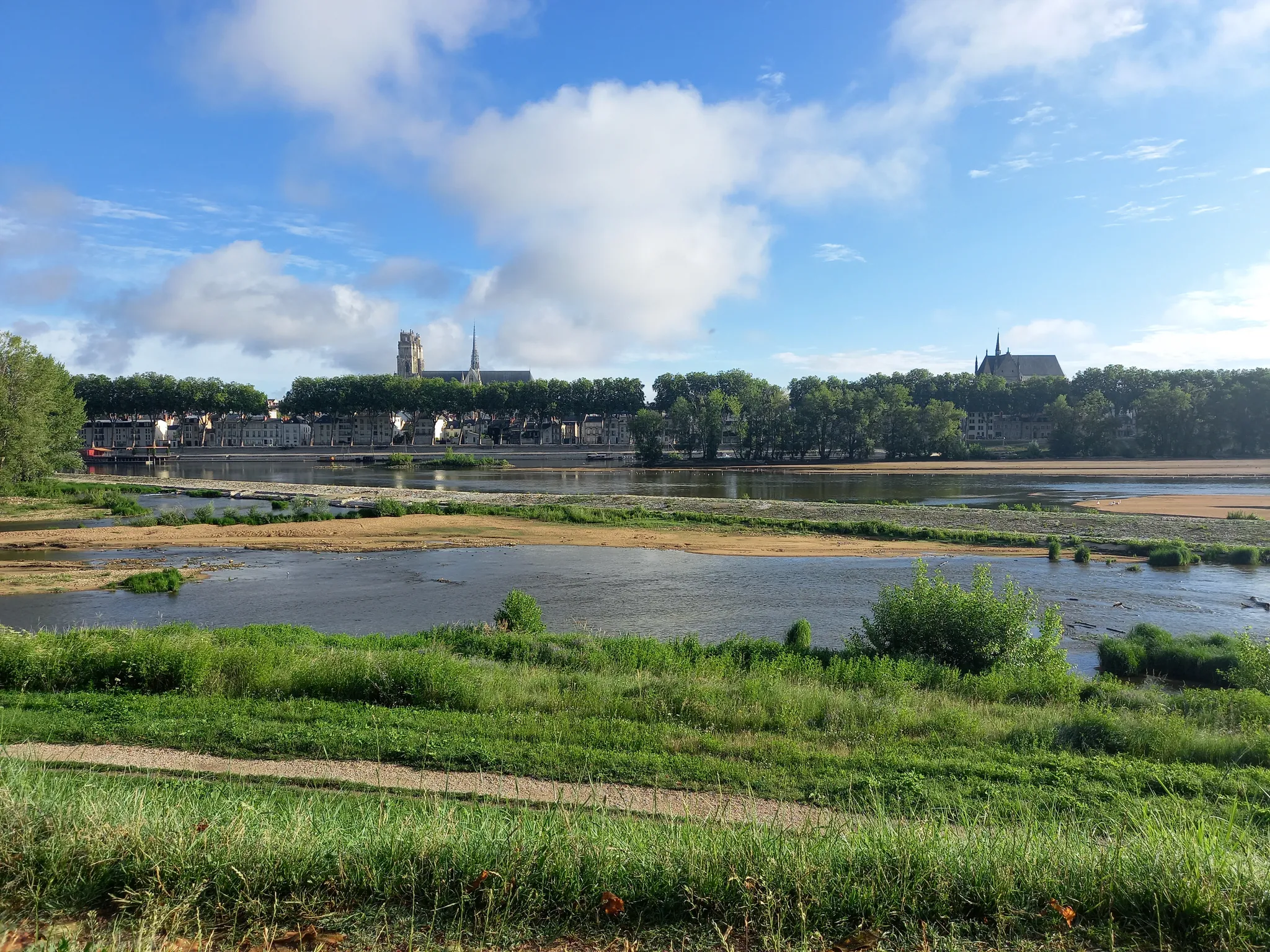
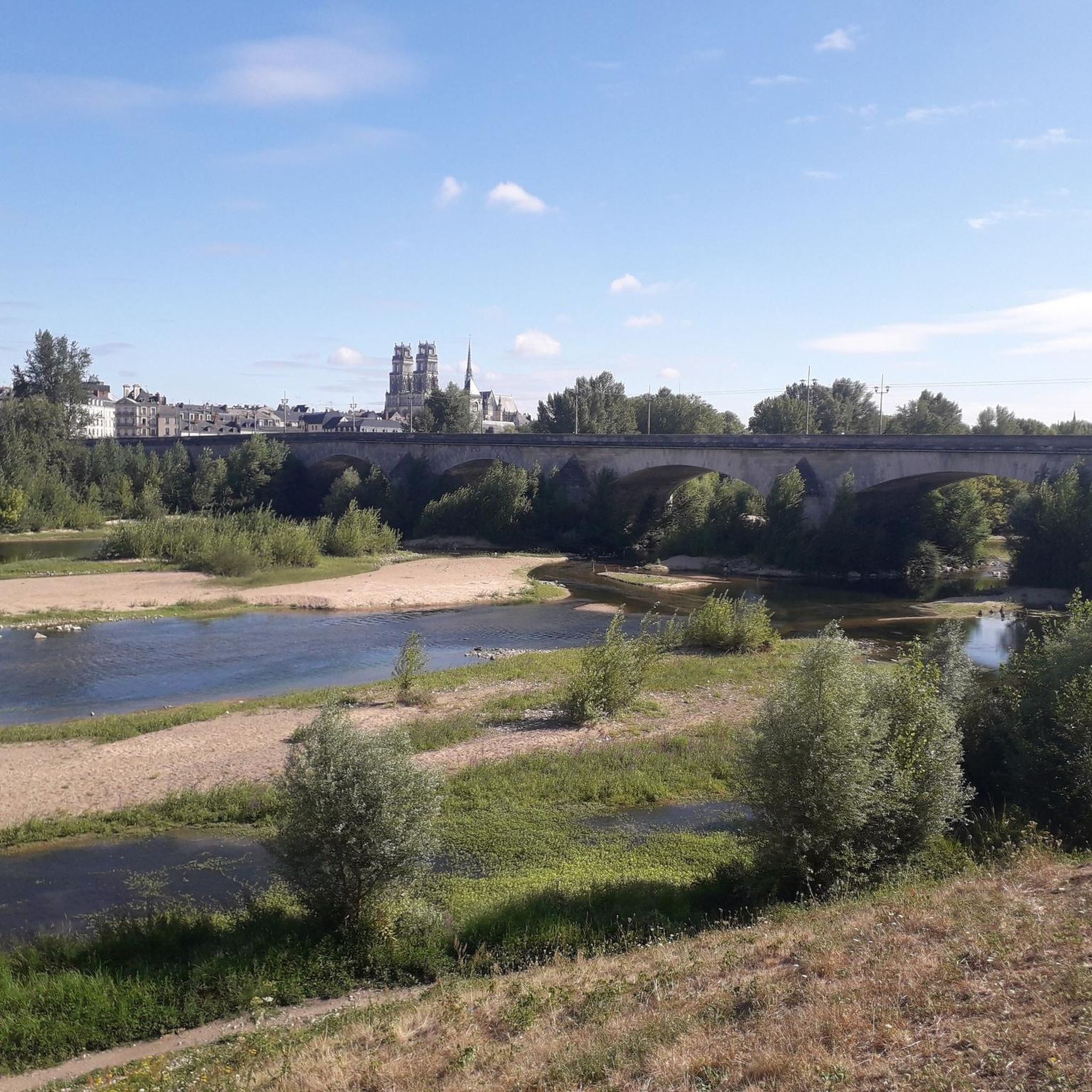
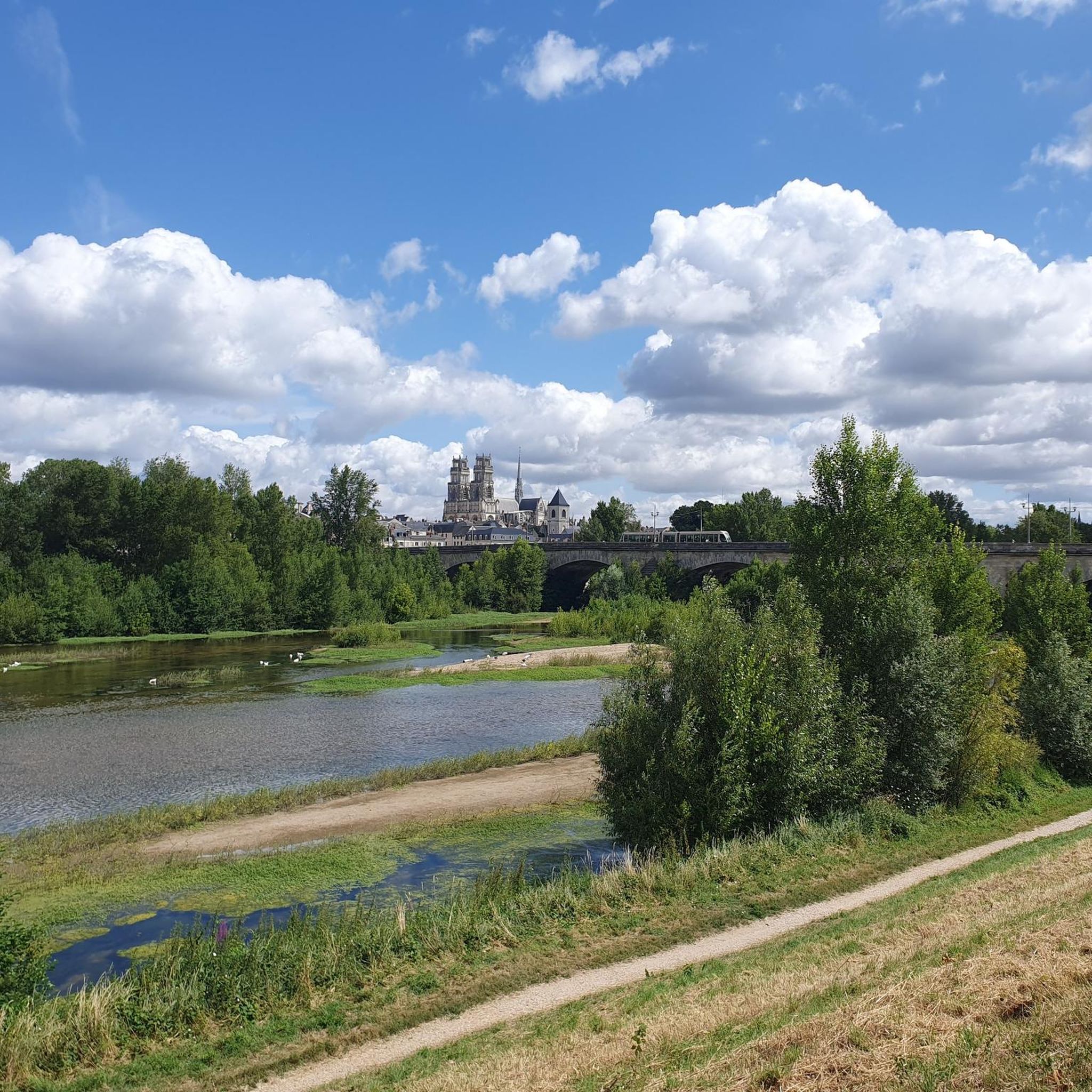
- The most popular attractions is Sainte-Croix d'Orléans Cathedral, a historical site that was erected from 1601 to 1829. This Gothic-style cathedral features five naves and two towers, with an impressive central spire rising to 114 meters.
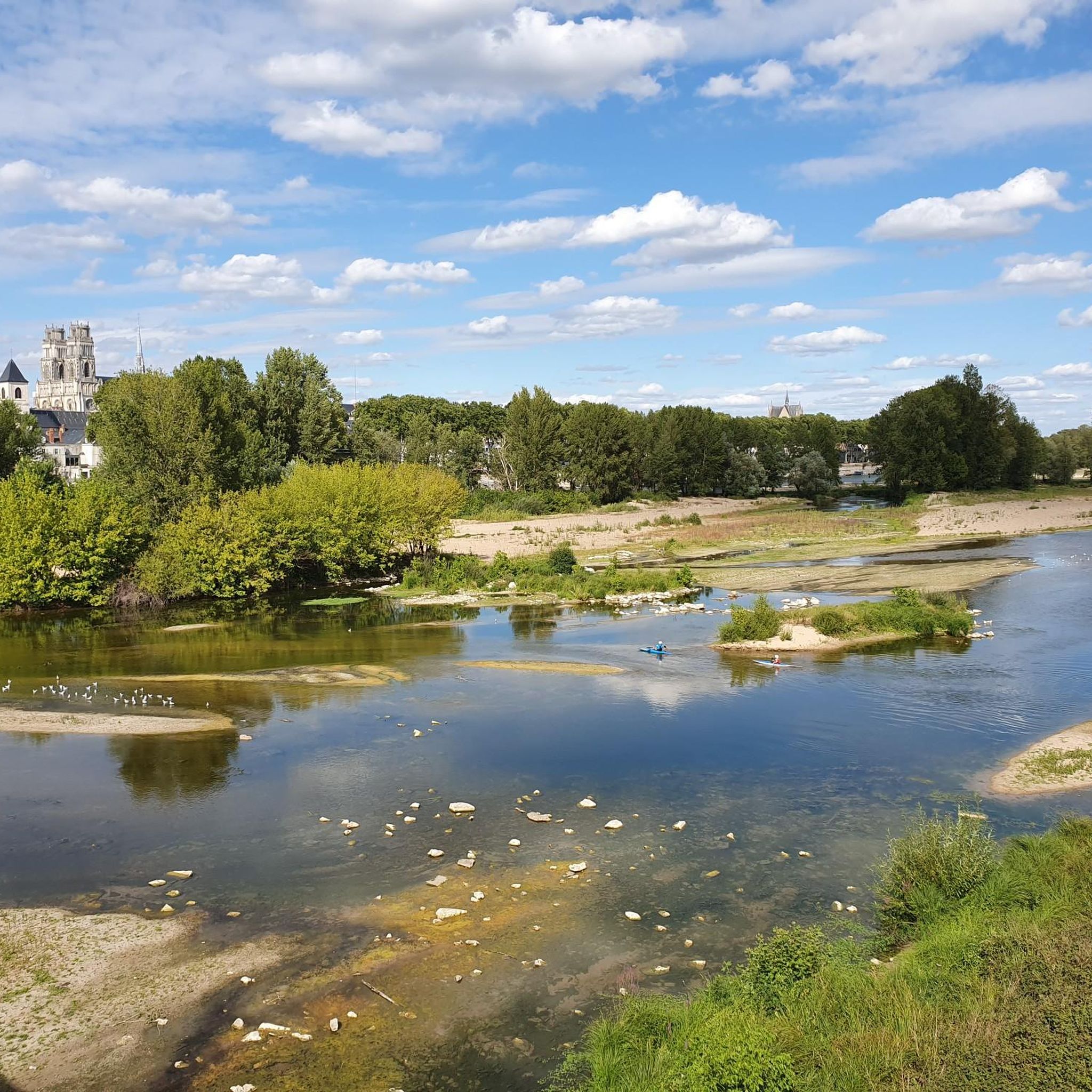
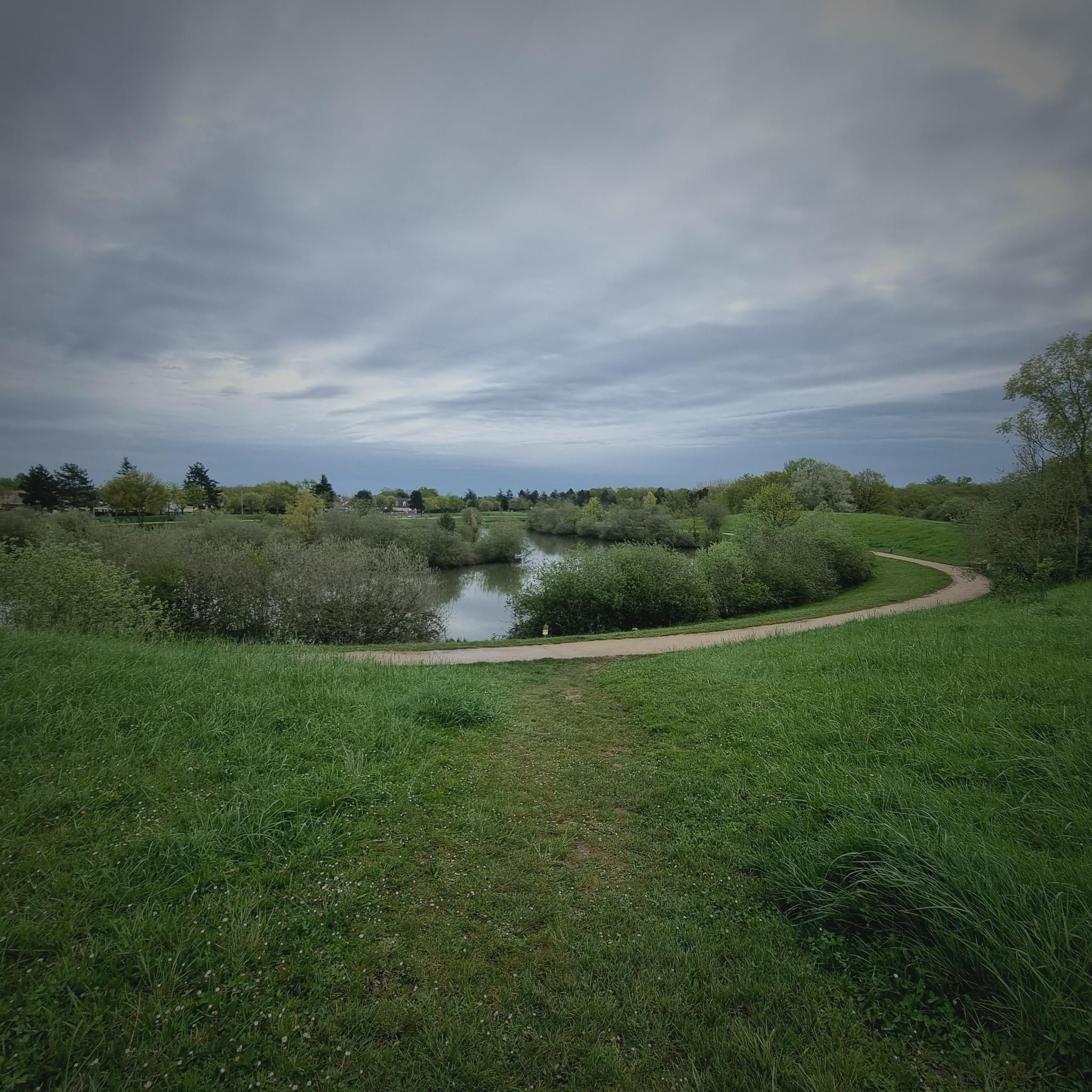
- Another must-see spot is Confluence of the Loire and the Loiret, a natural monument where the Loiret flows into the Loire at Courpain. This nature reserve is home to a variety of flora and fauna, offering a scenic environment.
- Visitors also love Equestrian statue of Joan of Arc, a man-made monument located at the Place du Martroi in Orléans. It depicts the French national heroine Jeanne d'Arc in full gear on her horse.
- Olivet is known for its historical sites, natural features, and cultural points of interest. Visitors can explore castles, river landscapes, and monuments, showcasing the area's diverse appeal.
- The attractions around Olivet are appreciated by the komoot community, with more than 600 upvotes and over 600 photos shared by visitors.
Last updated: October 10, 2026
Sainte-Croix d'Orléans Cathedral
Highlight • Historical Site
The cathedral can be visited outside of services and allows you to admire numerous paintings as well as the perfectly restored organ.
Translated by Google •
Tip by

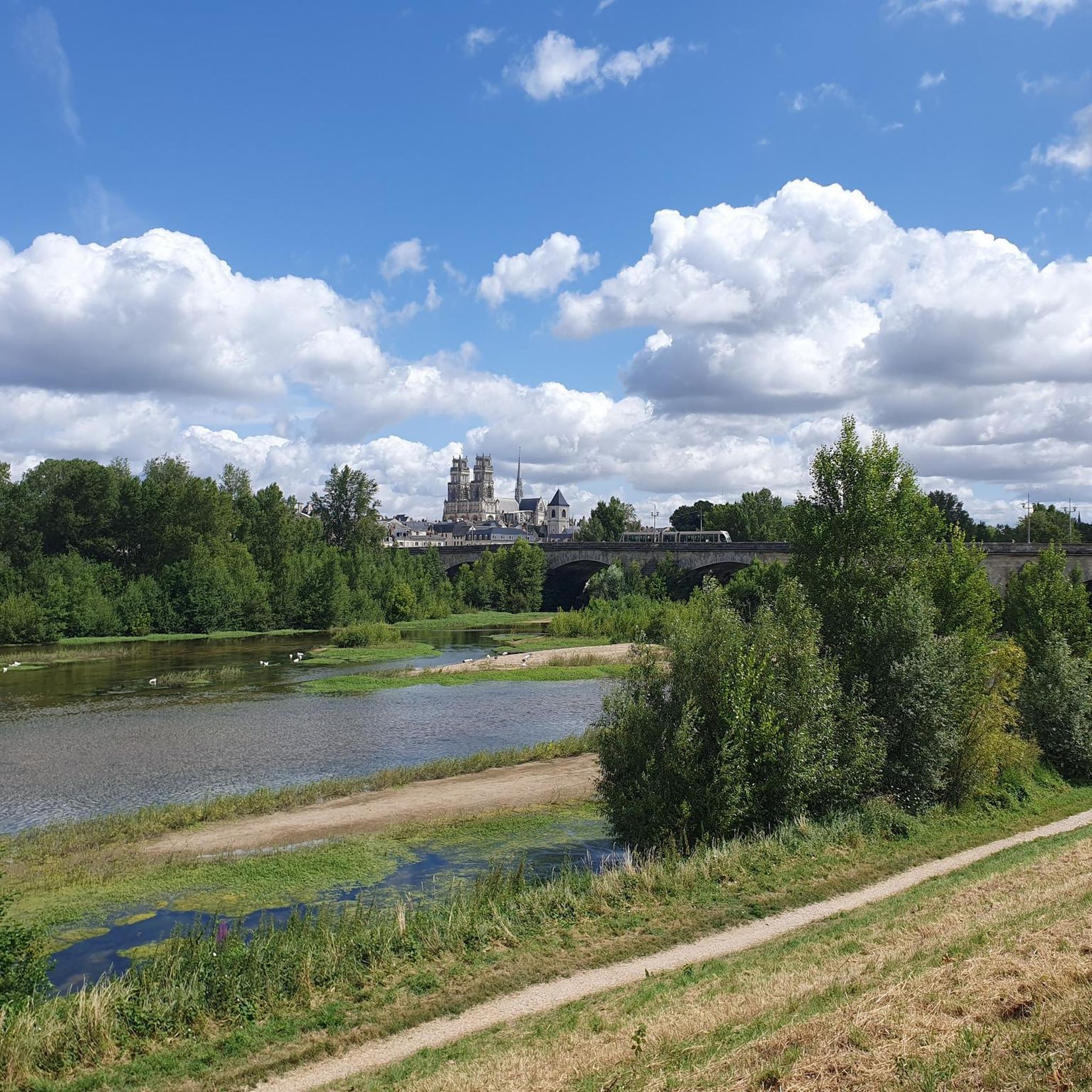
Europe Bridge
Highlight • Bridge
Translated by Google •
Tip by
Sign up now to discover places like this
Get recommendations on the best single tracks, peaks, & plenty of other exciting outdoor places.
Equestrian statue of Joan of Arc
Highlight • Monument
Translated by Google •
Tip by

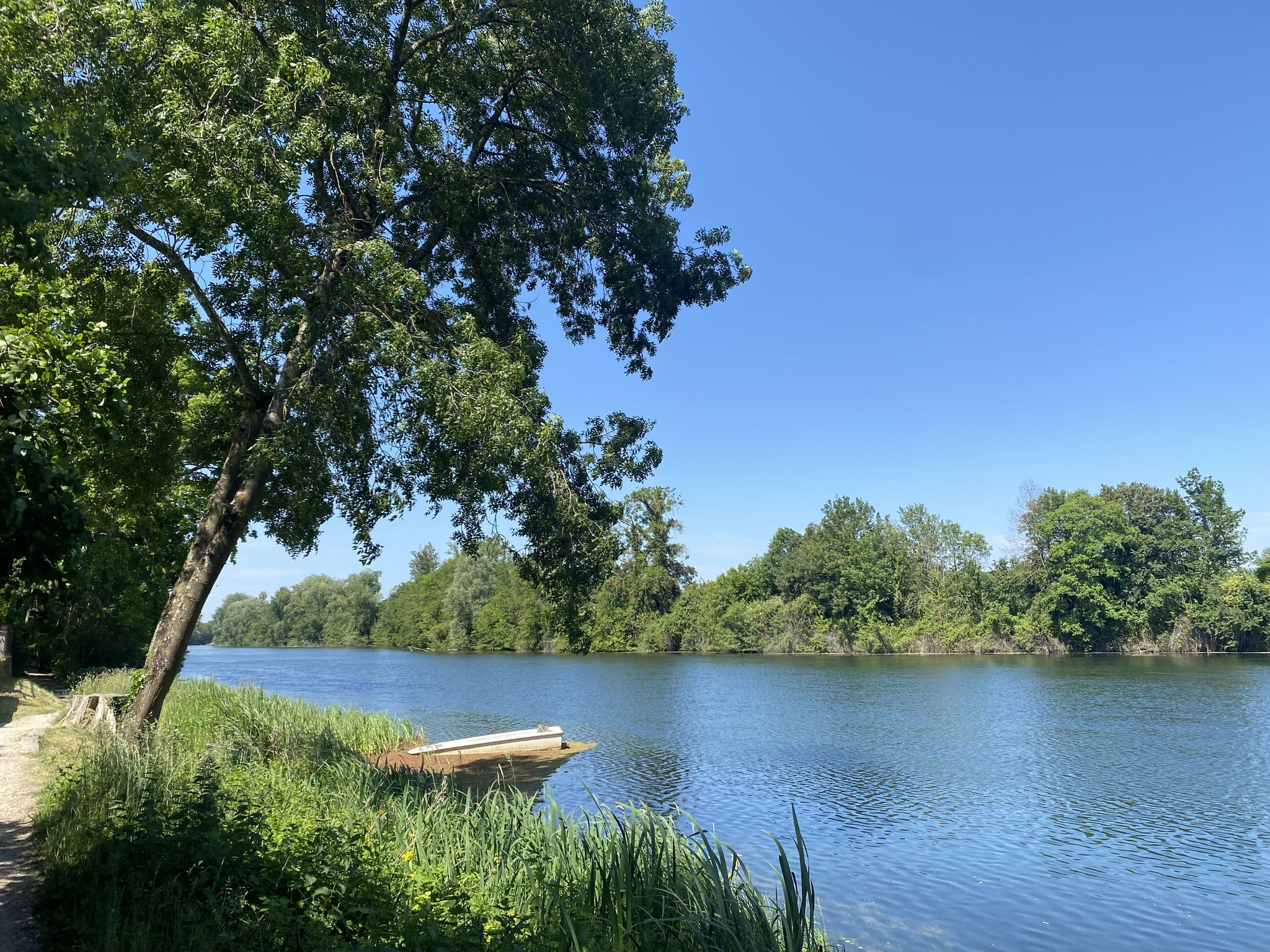
Confluence of the Loire and the Loiret
Highlight • River
Translated by Google •
Tip by
Canal d'Orléans in Combleux
Highlight • River
(Source: Wikipedia)
Translated by Google •
Tip by

Sign up for free to discover even more attractions around Olivet.
Already have an account?
Start today with a free account
Your next adventure awaits.


Tips from the Community

Continue straight ahead to get back on the road without carrying your bikes.
0
0

magnificent place for a bike ride, the natural landscape, soothing... I love it
0
0

Greenway along the Loire. Rolling track with tarmac, dirt, or white gravel covering depending on the section. Allows you to be away from traffic with little shared road.
2
0

A beautiful design - impressive and a great view!
3
1

Observe what it would have looked like in the past...imagine if this was all surrounded by history. And imagine yourself in the old times... this guarantees the speed at which you travel
1
0

Nice village to walk around
0
0

Quick discovery of the city of Orleans
1
0
Magnificent bridge, the latest in the city of Orléans.
0
0
Frequently Asked Questions
What historical landmarks can I explore in and around Olivet?
Olivet and its surroundings offer a rich historical tapestry. You can visit the historic Church of Saint Martin, admire the 16th-century Château de la Fontaine with its classified park, or see the Portal of the Château de Rondon. Nearby, the impressive Sainte-Croix d'Orléans Cathedral, a Gothic masterpiece, and the Equestrian statue of Joan of Arc in Orléans are significant historical sites. Don't miss the ruins of Isle Castle, a 16th-century structure offering an impressive glimpse into the past.
Are there natural attractions or scenic spots to visit near Olivet?
Yes, Olivet is known for its natural beauty, particularly along the Loiret River. The peaceful Loiret River itself offers pleasant public walks, where you can spot old castles, mills, and charming boat garages. A key natural monument is the Confluence of the Loire and the Loiret at Courpain, a nature reserve rich in flora and fauna. The town also boasts picturesque landscapes and verdant parks, recognized with a "ville fleurie 4*" classification.
What outdoor activities can I do in the Olivet area?
The Olivet area is ideal for various outdoor activities. You can enjoy cycling along the Loiret and Loire rivers, with routes like the "Old bridge over the Loire – George V Bridge loop from Olivet" or longer tours. Hiking is also popular, with options such as the "Loiret Mills Loop" or the "Moulin de Saint-Samson – le chateau d'olivet loop from Olivet." For runners, trails like "Along the Loiret – discovering the Orléans region" offer scenic paths. You can find more details on these activities and routes in the dedicated guides for cycling, hiking, and running around Olivet.
Are there any family-friendly attractions or activities in Olivet?
Many attractions in the Olivet area are suitable for families. The Sainte-Croix d'Orléans Cathedral is a fascinating historical site for all ages. The Confluence of the Loire and the Loiret offers a natural setting for walks and wildlife spotting. The nearby Parc Floral de la Source in Orléans is an extensive floral park that families often enjoy. Additionally, the pleasant public walks along the Loiret River are perfect for a family stroll, offering views of charming boat garages and historic mills.
What are some unique cultural sites in Olivet?
Beyond the major landmarks, Olivet has several unique cultural points. The Flower Clock (Horloge Fleurie) is a giant clock on a flowery slope, with new ornamentation annually. The Swiss Chalet, originally part of the Universal Exhibition of Paris in 1900, was reassembled in Olivet and sits uniquely on the banks of the Loiret. The Olivet Mills, once vital to the local economy, have been transformed into dwellings or charming "guinguettes" (riverside cafes/dance halls), reflecting the area's past.
Can I find wheelchair-accessible attractions in the Olivet area?
Yes, some attractions in the area are noted for their accessibility. The Europe Bridge, connecting Orléans to the Loire, features wide cycle paths separated from motorized traffic, making it accessible. The Equestrian statue of Joan of Arc in Orléans is also generally accessible. When planning your visit, it's always recommended to check specific venue details for the most up-to-date accessibility information.
What is the best way to experience the Loiret River in Olivet?
The best way to experience the Loiret River is by taking a leisurely walk or cycle along its banks. Numerous hiking trails have been developed, allowing you to admire Olivet's rich architectural heritage, including water mills, old castles, and boat garages. You can also enjoy the tranquility of the river, which is home to many swans, and appreciate the surrounding trees and picturesque landscapes.
Are there any hidden gems or lesser-known spots worth visiting in Olivet?
For those looking for hidden gems, explore the charming Boat Garages (Gares à bateaux) along the Loiret River. These small, harmonious constructions were designed to shelter boats and blend beautifully into the landscape, with La Quétonnière being a notable example. The transformed Olivet Mills, now often dwellings or guinguettes, also offer a glimpse into the town's unique history away from the main tourist paths.
What do visitors enjoy most about the attractions around Olivet?
Visitors frequently appreciate the blend of historical significance and natural beauty. The majestic Sainte-Croix d'Orléans Cathedral is often highlighted for its grandeur, while the peaceful Confluence of the Loire and the Loiret is loved for its scenic environment and wildlife. The area's rich heritage, from castles to monuments, combined with serene riverine landscapes, creates a diverse and appealing experience for the komoot community.
What are some notable castles or châteaux in the Olivet area?
Olivet is home to several significant castles. The 16th-century Château de la Fontaine is notable for its classified park featuring 17th and 19th-century garden architecture. The Château du Poutyl, dating from the late 16th century, is another architectural example. While now in ruins, the Isle Castle, built in the 16th century, still offers impressive remaining walls and towers to explore.
Are there any specific events or festivals held at these attractions?
The Château du Poutyl in Olivet hosts the "Les Moulins à Paroles" festival in early July. This cultural event features readings, stories, plays, and concerts, offering a vibrant experience for visitors. While other attractions may have their own events, this festival is a notable highlight in the region's cultural calendar.

Get inspired with the komoot mobile app


Explore more
Still not found the Highlight you’re looking for? See guides of the top attractions in other regions:
