Top 6 Castles around Châteauneuf-Du-Pape
Best castles around Châteauneuf-Du-Pape offer a glimpse into the region's history and its connection to viticulture. The area is characterized by its vineyards, the Rhône Valley, and views of Mont Ventoux and the Dentelles de Montmirail. These landmarks include historical ruins, medieval fortresses, and wine estates. The region's past is deeply intertwined with the Avignon Papacy and its winemaking heritage.
Best castles around Châteauneuf-Du-Pape
- The most popular castles is Fort Saint-André, a castle that served as a royal symbol of power against the Avignon popes. This impressive fortress housed barracks, a court of law, and a prison.
- Another must-see spot is Châteauneuf-du-Pape Castle, a historical castle ruin. This pontifical castle was a summer residence for Popes, with a significant section of its central building's wall and a high tower still remaining.
- Visitors also love L'Hers Castle, a castle ruin between the vineyards and the Rhône. This 10th-century relic, formerly a toll station and medieval lookout, stands on a rocky spur.
- Châteauneuf-Du-Pape is known for historic ruins, medieval fortresses, and wine estates. These sites provide diverse opportunities to explore the region's past and its viticultural landscape.
- The castles around Châteauneuf-Du-Pape are appreciated by the komoot community, with more than 170 upvotes and 68 photos shared.
Last updated: October 17, 2026
Châteauneuf-du-Pape Castle
Highlight • Castle
Translated by Google •
Tip by

Fort Saint-André
Highlight • Castle
Translated by Google •
Tip by
Sign up now to discover places like this
Get recommendations on the best single tracks, peaks, & plenty of other exciting outdoor places.
L'Hers Castle
Highlight • Castle
Translated by Google •
Tip by

View of Château de Châteauneuf-du-Pape and the Alps from Via Rhôna
Highlight • Viewpoint
Translated by Google •
Tip by

Chateau Mont Redon
Highlight • Castle
Translated by Google •
Tip by
Sign up for free to discover even more castles around Châteauneuf-Du-Pape.
Already have an account?
Start today with a free account
Your next adventure awaits.
Tips from the Community

Fort Saint-André near Avignon sits atop a hill above Villeneuve-lès-Avignon, offering sweeping views of the Rhône and the papal city. The fortress dates back to the 14th century and is almost completely preserved, including its defensive walls, towers, and chapel. Visitors can explore the historic defenses and admire the medieval architecture from the battlements. Exhibitions and guided tours are regularly held on site, vividly conveying the region's history.
0
0
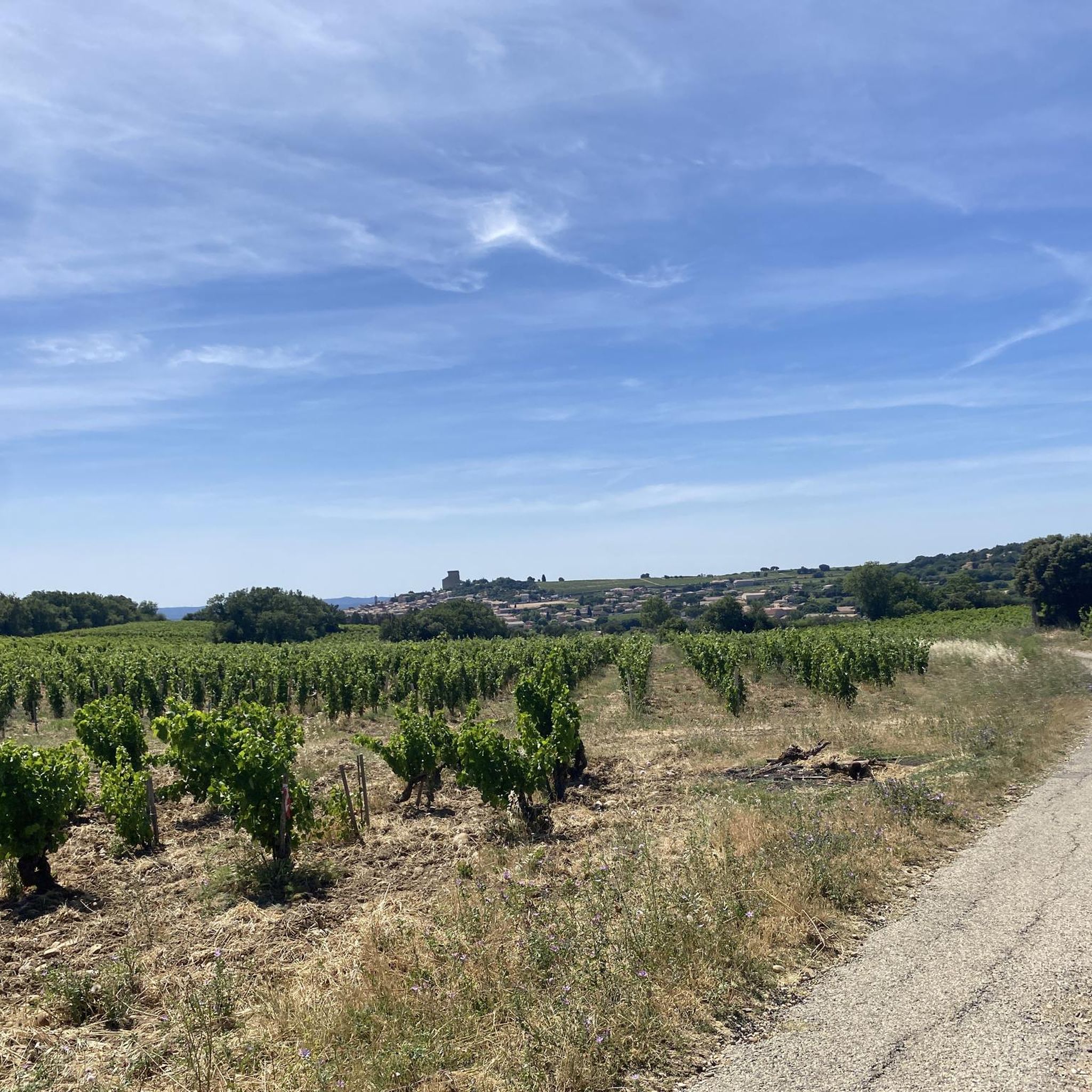
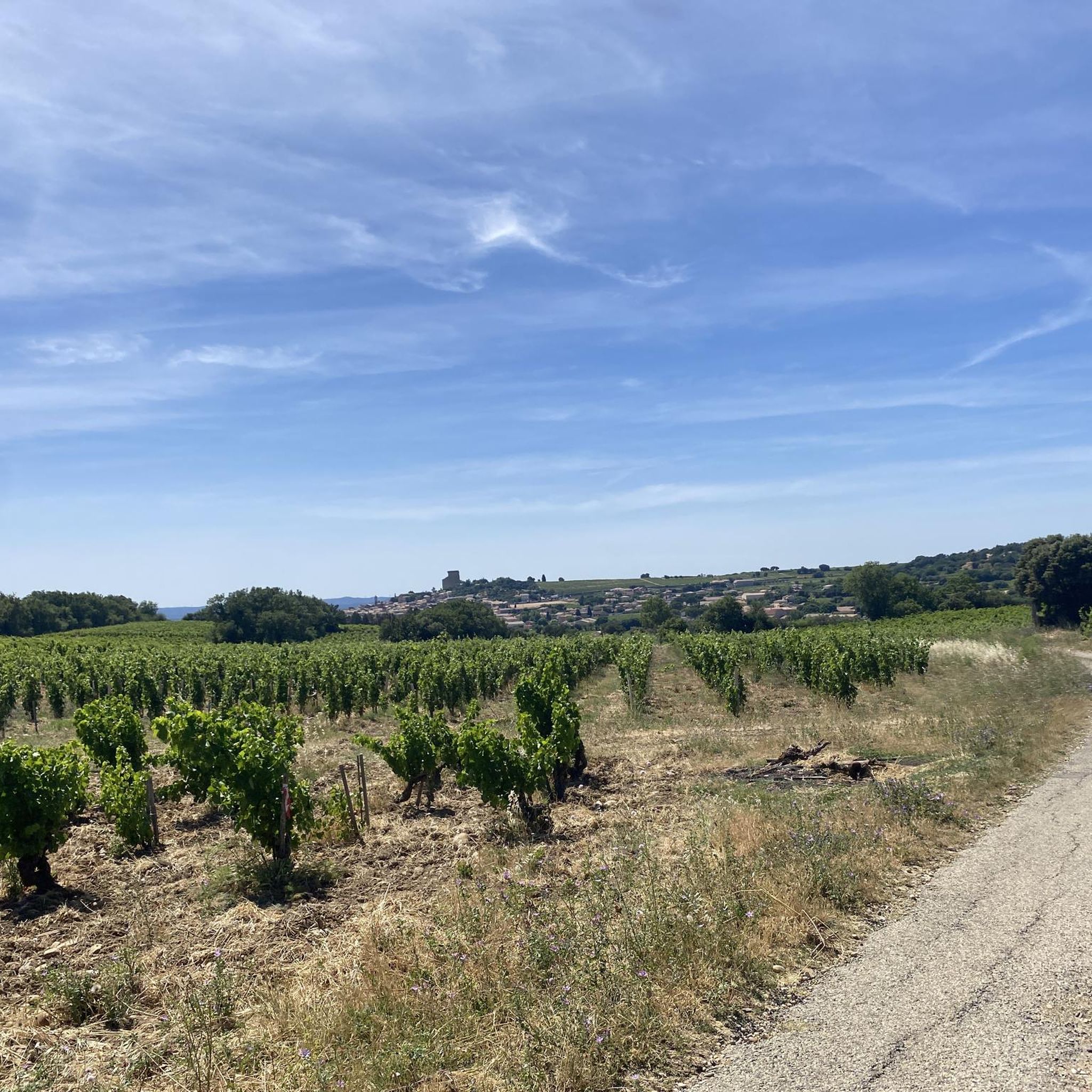
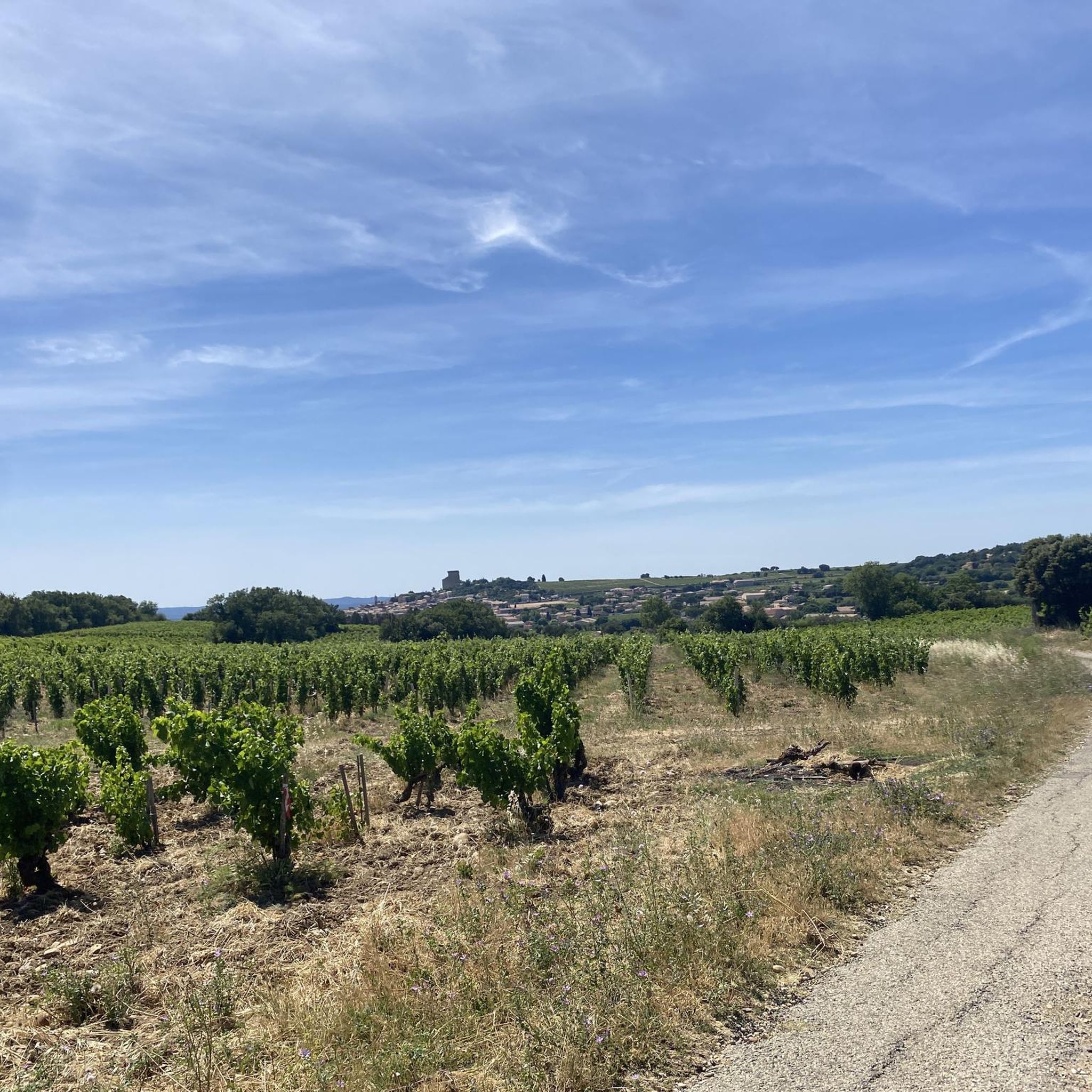
The Château de Châteauneuf-du-Pape is situated on a hill with panoramic views over the Rhône plain. The castle ruins date back to the 14th century and showcase medieval papal architecture. Wine lovers can sample the appellation's famous red wines in the surrounding area. The grounds offer numerous hiking trails between vineyards and lavender fields. Visitors gain insights into the history of the papal summer residence and the regional culture of Provence.
0
0

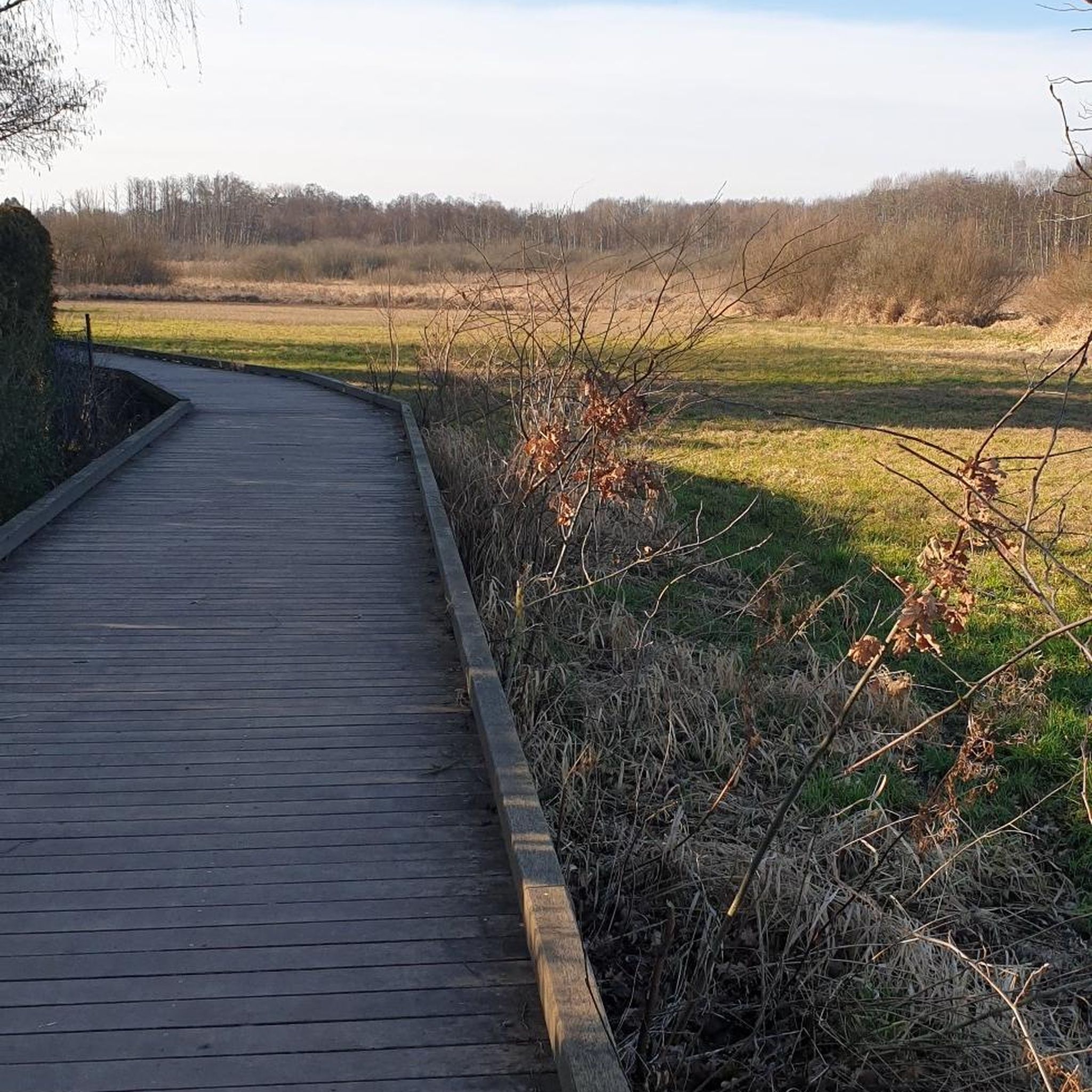
But you can't really see the CndP castle from here
0
0

Very nice! The information on the website that dogs are allowed is incorrect.
0
0


Beautiful to discover along the Rhône
0
0

Great place to picnic at the top with the option of a quick vin rouge at the tasting at the top
0
0

Between the vineyards and the Rhône, the ruins of Château de l’Hers tell more than a thousand years of history. Formerly a toll station and medieval lookout, this 10th-century relic, restored and listed as a historical monument, stands proudly on its rocky spur — a perfect setting for a soulful photo.
0
0
Frequently Asked Questions
What is the historical significance of the castles in Châteauneuf-du-Pape?
The castles in Châteauneuf-du-Pape are deeply intertwined with the region's history, particularly the Avignon Papacy and its viticulture. The Châteauneuf-du-Pape Castle, for instance, was built as a summer residence for Popes in the 14th century. Other sites like Fort Saint-André served as a royal symbol of power against the Avignon popes, housing barracks, a court of law, and a prison.
Which castles offer the best panoramic views of the region?
For breathtaking panoramic views, the ruins of the Châteauneuf-du-Pape Castle are ideal. From its elevated position, you can see the surrounding vineyards, the Rhône Valley, Mont Ventoux, and the Dentelles de Montmirail. Another excellent viewpoint is View of Château de Châteauneuf-du-Pape and the Alps from Via Rhôna, which offers expansive views of the Rhône and the distant Alps.
Are there any family-friendly castles to visit in the area?
While specific 'family-friendly' designations for castles are limited, the View of Château de Châteauneuf-du-Pape and the Alps from Via Rhôna is noted as family-friendly, offering a pleasant cycling path with views. The ruins of the Châteauneuf-du-Pape Castle are also accessible and provide an engaging historical experience for all ages, with space to explore.
What outdoor activities can I do near these castles?
The region around Châteauneuf-du-Pape offers various outdoor activities, especially cycling and gravel biking through the vineyards. You can find routes like 'L'Hers Castle – Tour de l'Hers loop from Châteauneuf-du-Pape' for gravel biking or 'Armeniers Bridge – L'Hers Castle loop from Châteauneuf-du-Pape' for easy cycling. For more options, explore the Gravel biking around Châteauneuf-Du-Pape and Cycling around Châteauneuf-Du-Pape guides.
When is the best time of year to visit the castles and vineyards?
The best time to visit is generally during spring (April-May) or autumn (September-October). During these seasons, the weather is pleasant for exploring the castle ruins and walking through the vineyards. Autumn is particularly beautiful as it coincides with the grape harvest, offering a vibrant atmosphere and opportunities for wine-related activities.
Is there parking available near the main castle in Châteauneuf-du-Pape?
Yes, parking is generally available in the village of Châteauneuf-du-Pape. From there, it's a short walk up to the ruins of the Châteauneuf-du-Pape Castle. Specific parking areas are usually well-signposted within the village.
What is unique about the architecture of the Castle of Châteauneuf-du-Pape?
The Châteauneuf-du-Pape Castle was built in the Gothic style, serving as a pontifical summer residence. While much of it was destroyed, a significant section of the central building's wall, a high tower, and a well-preserved lower room (the dungeon) still stand, showcasing its original grandeur and defensive capabilities.
Are there wine estates that also function as historical sites?
Yes, several wine estates in the region have significant historical roots. For example, Château La Nerthe, one of the oldest and largest estates, dates back to 1560 with its historic château built in 1736. Château Cabrières also has origins tracing back to the 14th and 15th centuries, offering a blend of winemaking tradition and historical architecture.
What happened to the Castle of Châteauneuf-du-Pape during WWII?
The Châteauneuf-du-Pape Castle suffered significant damage during World War II. German forces used it as an observation post and arms depot. Before retreating on August 20, 1944, they detonated explosives, destroying much of the northern part of the castle. Only a section of the southern facade and the cellar remained intact.
What kind of terrain can I expect in the vineyards around the castles?
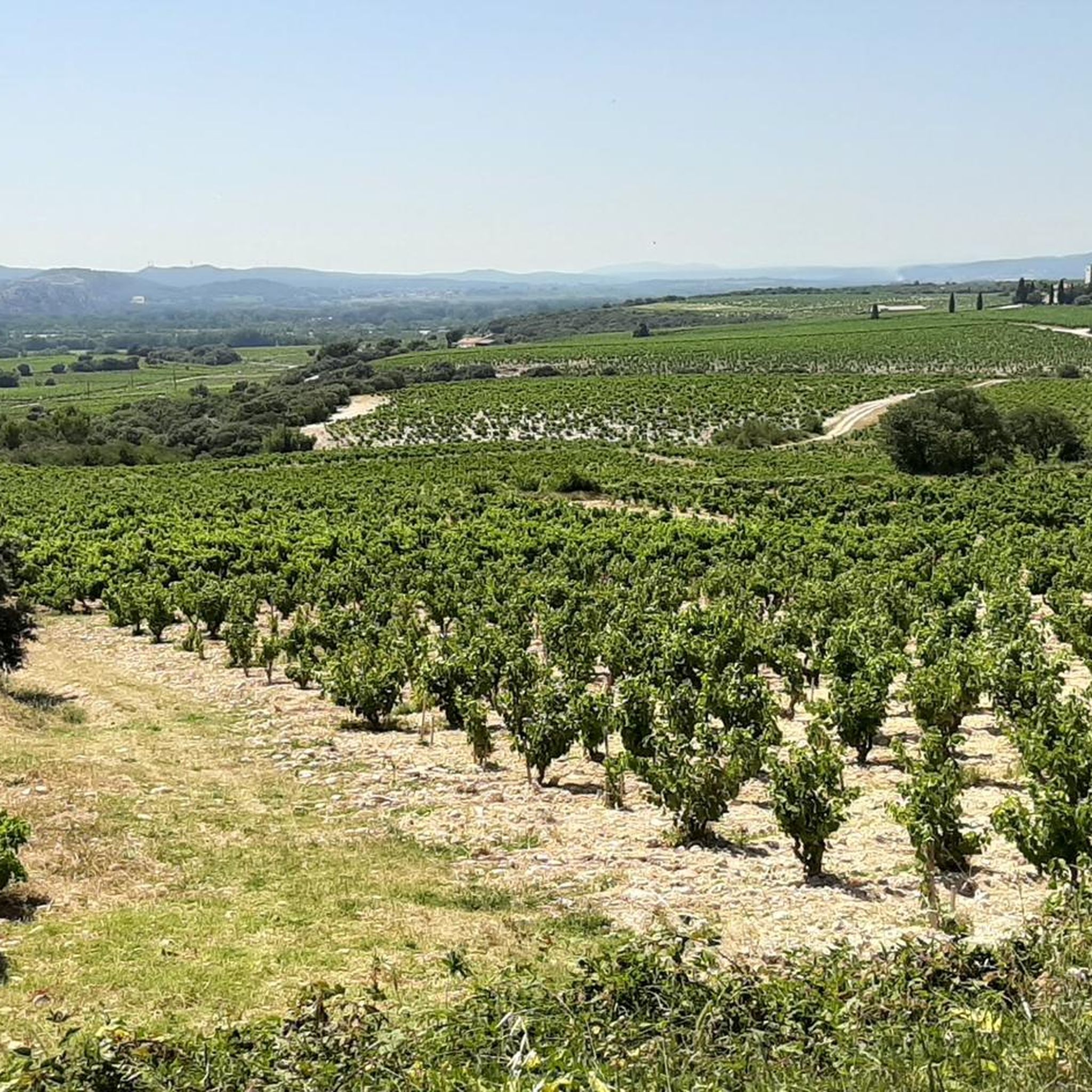
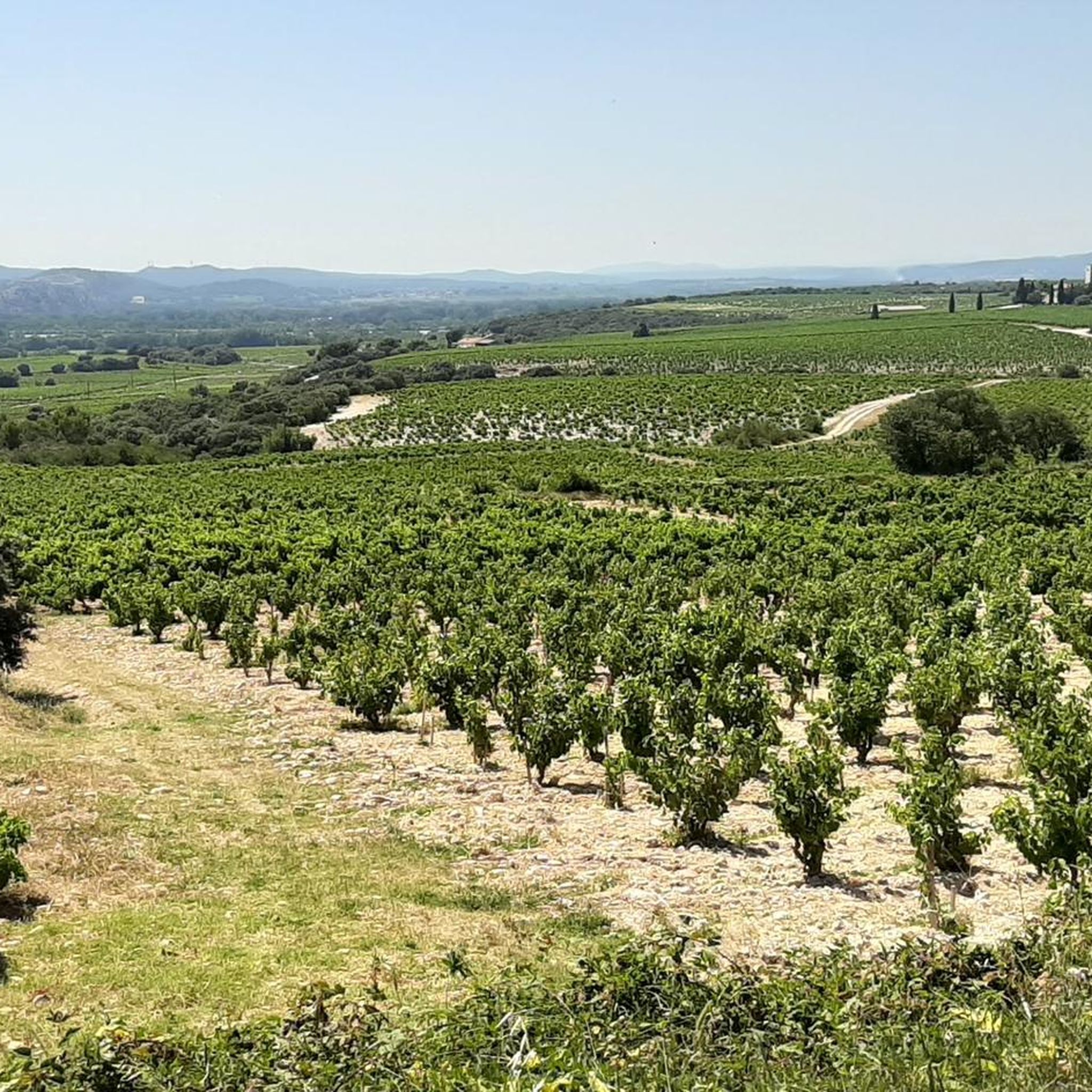
The vineyards around Châteauneuf-du-Pape are famous for their unique terroir, characterized by 'galets roulés' – large, round, well-worn stones – over sandy-clay soils. These stones help retain heat, aiding grape ripening. You'll find a mix of gravelly, sandy, and pebble-covered soils, especially at estates like Château La Nerthe and Château Cabrières, which contribute to the distinctiveness of the wines.
Where can I find refreshments or dining options near the castles?
The village of Châteauneuf-du-Pape itself offers various cafes, pubs, and restaurants where you can enjoy local cuisine and, of course, the renowned wines. Some wine estates, like Château La Nerthe and Château Cabrières, also offer wine tourism experiences, which may include tastings and sometimes light refreshments.
What makes Château La Nerthe significant in winemaking history?
Château La Nerthe is a pioneer in the Châteauneuf-du-Pape appellation. It was among the first estates to bottle and export its own wines starting in 1784. It also pioneered organic farming, with its 90 hectares of vineyards certified organic since 1998, and was credited with starting the practice of destemming 100% of their vines in the 1800s.
Most popular routes around Châteauneuf-Du-Pape
Most popular attractions around Châteauneuf-Du-Pape

Get inspired with the komoot mobile app


Explore more
Looking for the best castles somewhere else? Discover other guides around Châteauneuf-Du-Pape:
