Attractions and Places To See around Bricy - Top 7
Best attractions and places to see around Bricy, a commune in the Loiret department of the Centre-Loire Valley region of France, serve as a base for exploring the areas surrounding Orléans. The village offers a glimpse into its past, characterized by a central thoroughfare. The region features a mix of historical sites, natural points of interest, and unique local landmarks.
Best attractions and places to see around Bricy
- The most popular attractions is Makeshift Log Bridge, a bridge that…
Last updated: June 29, 2026
Makeshift Log Bridge
Highlight • Bridge
And flushed feet assured taking the ditch.
Translated by Google •
Tip by

Lignerolles Mill
Highlight • Viewpoint
Translated by Google •
Tip by

Sign up now to discover places like this
Get recommendations on the best single tracks, peaks, & plenty of other exciting outdoor places.
Sign up for free
Saint-André Church of Patay
Highlight • Religious Site
In the 7th century, the Benedictine abbey of Bonneval created a priory-curate. Its existence is confirmed by a bull from Pope Gregory second half of the 16th century.
Translated by Google •
Tip by

Retrêve Pond
Highlight • Lake
Translated by Google •
Tip by

Artenay Mill
Highlight • Monument
Translated by Google •
Tip by
Sign up for free to discover even more attractions around Bricy.
Sign up for free
Already have an account?
Start today with a free account
Your next adventure awaits.
Login or Signup




Tips from the Community

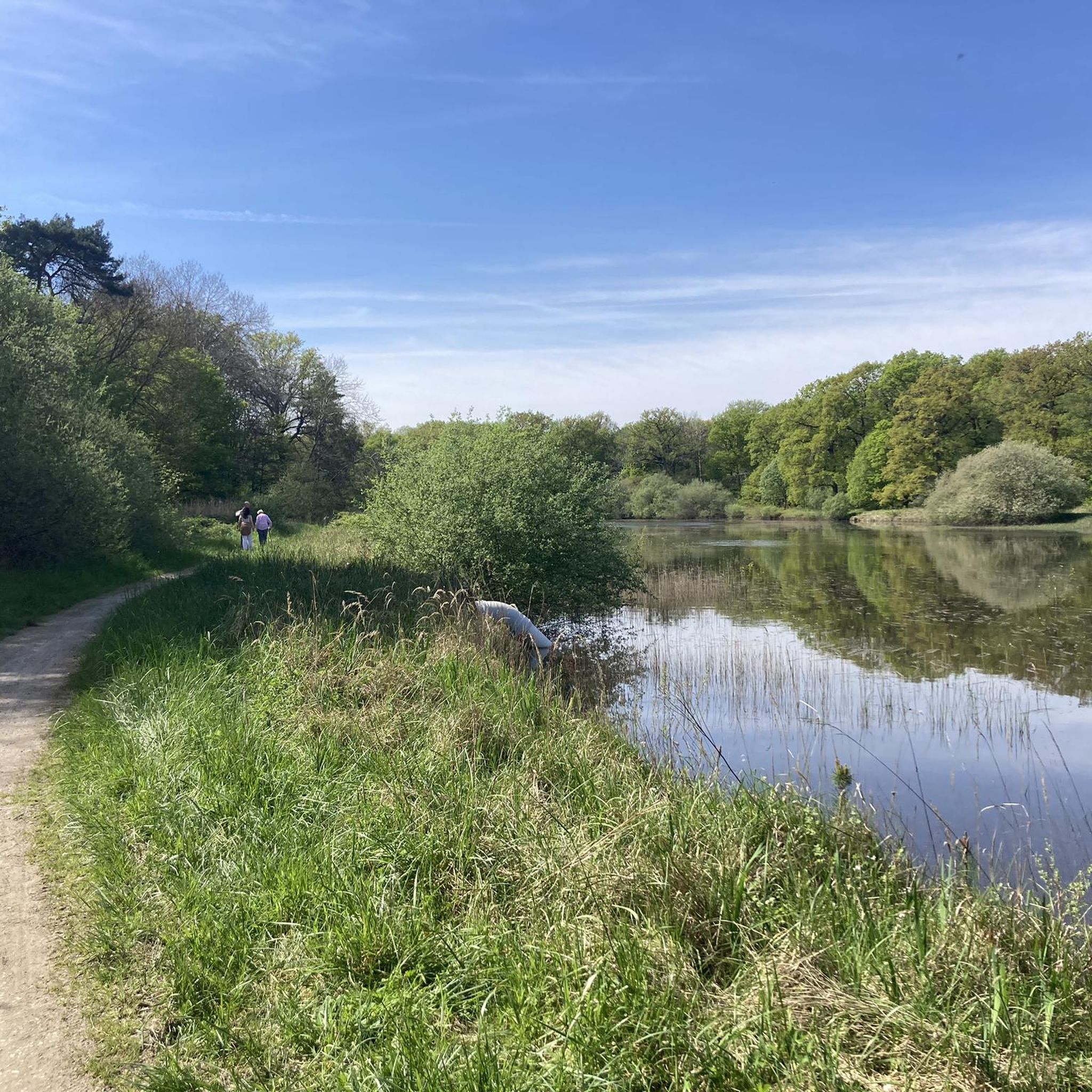
Walk around the Retrêve pond, an artificial water reservoir dug to absorb the vagaries of the underground river of the same name.
0
0

The Saint André church (13th-15th-16th centuries) In the 7th century, the Benedictine abbey of Bonneval created a priory-curate. Its existence is confirmed by a bull from Pope Gregory second half of the 16th century. In 1793 the church was desecrated and transformed into wine and spirits warehouses. In 1801, the church was returned to worship and changed diocese: from the diocese of Chartres, to which it belonged before the Revolution, it passed to the diocese of Orléans, notably for reasons of distance: Chartres is 48 km from Patay then that Orléans is only 27 km away. The church is 30 m long and 17 m wide. The oldest parts are located near the large porch (13th century). One of the pillars of the nave is decorated with a vestige of Danse Macabre from the mid-15th century. A small masonry door on the right communicated with the old priory, of which ruins remain to the south of the church. The choir dates from the 14th century; the apse wall was decorated with paintings at the end of the 19th century, the chapels were then redeveloped and equipped with new stained glass windows. The keystones of the large nave were made from casts taken from the figurines which adorn the Thesis Room of the University of Orléans, built in 1411. The bell tower, located to the north of the choir, would be an old watchtower. Its pinnacles and eight openings were made after the Wars of Religion. The four bells were melted in 1868. The largest was cracked by a Prussian shell in 1870 and was recast in 1871. Since that year, Ernestine (809 kg, 1 m 12 in diameter at the base, sounding the F), Gabrielle (550 kg, 0.981 m in diameter, sounding the ground), Anne (398 kg, 0.573 m in diameter) and Marie (222 kg, 0.724 m in diameter, sounding the C) give rhythm to the daily life of the small town of Patay, old Beauceron railway junction. On August 15, 1944, an ammunition train was blown up at Patay station. The station was blown up, except for the carriage shed, and all the windows in the town were shattered. Luckily, a providential storm limited the damage. The only two stained glass windows that survived the explosion are those on the right side aisle which date from 1930 and relate the communion of Joan of Arc in the Patay church in 1429. The church was listed as a Historic Monument in 1925 by decree of October 6, 1925.
0
0

If you are looking for a unique and historic hiking destination in the Loiret, you can visit the Moulin d'Artenay, a stone windmill dating from 1849. This impressive monument, which stands 16 meters high high and has wings 22 meters long, is one of the rare examples of this type in the Beauce region. You can visit the interior of the mill and discover its machinery, its production of fine flour and the life of the millers. You can also admire a collection of old agricultural equipment at the neighboring farm. The Moulin d'Artenay is open to the public every third Sunday of the month from April to September, from 2 p.m. to 6 p.m. Don't miss this opportunity to discover an element of local heritage.
2
0
The Moulin de Lignerolles is one of the last pivotal windmills in the Loiret department. Built in 1848, this wooden mill belonged to Louis-Joseph Soulas, famous painter and director of the Orléans School of Fine Arts. You can admire the restored mill and its ingenious mechanism, as well as the panoramic view of the plain. The mill is open to the public on Sundays from 2:30 p.m. to 6 p.m., and also hosts various events throughout the year, such as a flea market, concerts and exhibitions. Visiting the Moulin de Lignerolles is an excellent way to discover the heritage and charm of the Beauceron countryside.
2
0

In wet weather, feet on the ground because the bridge is slippery. And flushed feet assured taking the ditch.
0
0
Frequently Asked Questions
What natural features can I explore near Bricy?
Beyond the village, you can discover the vast Orléans Forest, a significant Natura 2000 site offering diverse flora and fauna. For a unique, adventurous experience, consider crossing the Makeshift Log Bridge, though be mindful that it can be slippery in wet weather.
What historical landmarks can I visit in the Bricy area?
The region is rich in history. You can visit the Lignerolles Mill, a restored 19th-century pivotal windmill offering panoramic views. Another historical site is the Artenay Mill, a stone windmill from 1849 where you can learn about its machinery and local agricultural heritage.
Are there any notable churches to visit near Bricy?
Yes, two significant churches are nearby. The Saint-André Church of Patay dates back to the 13th, 15th, and 16th centuries, featuring historical elements like a vestige of Danse Macabre. The Church of the Très-Sainte-Trinité, originally from the 13th century, has undergone several remodels and extensive renovation.
Are there family-friendly attractions in and around Bricy?
Many historical sites are suitable for families. The Lignerolles Mill and the Artenay Mill offer insights into local heritage and often host events. The Saint-André Church of Patay also welcomes families to explore its ancient architecture.
What outdoor activities can I do near Bricy?
The area around Bricy is excellent for outdoor enthusiasts. You can find numerous routes for running, cycling, and road cycling. For running, explore options like the 'Running loop from Gidy' or 'Le Lac loop from Boulay-les-Barres'. Cyclists can enjoy routes such as 'Bois de l'Azin et Moulin de Lignerolles — loop from Ormes' or 'Aerotrain test track – Saint-Sulpice Church loop from Bricy'. You can find more details on these activities in the dedicated guides for Running Trails around Bricy, Cycling around Bricy, and Road Cycling Routes around Bricy.
What is the significance of Air Base 123 near Bricy?
Air Base 123, located between Bricy and Boulay-les-Barres, is a significant military site active since 1933. It specializes in military air transport and serves as a national hub for elite units of the French Air Force. Historically, it was used by the German Luftwaffe during WWII and later by the US Army Air Force.
When is the Lignerolles Mill open to visitors?
The Lignerolles Mill is typically open to the public on Sundays from 2:30 p.m. to 6 p.m. It also hosts various events throughout the year, such as flea markets, concerts, and exhibitions.
Are there any unique local experiences or 'hidden gems' in the Bricy region?
Beyond the well-known sites, the Makeshift Log Bridge offers a truly unique and adventurous crossing, especially after rain. The Orléans Forest, while large, also holds many quiet spots for wildlife spotting and experiencing nature away from crowds.
What are the best options for day trips from Bricy?
Bricy serves as an excellent base for exploring the wider region. Orléans, with its historical sights like the Hôtel Groslot and the Cathedral of Sainte-Croix, is only 15 km away. The extensive Orléans Forest also offers numerous opportunities for longer walks and nature exploration.
What do visitors enjoy most about the attractions around Bricy?
Visitors appreciate the blend of historical sites and natural beauty. The panoramic views from the Lignerolles Mill are highly rated, and the adventurous crossing of the Makeshift Log Bridge is a memorable experience for many. The historical depth of the local churches also draws interest.
Where can I find more general information about Bricy?
For additional information about Bricy and the surrounding area, you can visit the local tourism website: tourismeloiret.com.

Get inspired with the komoot mobile app


Explore more
Still not found the Highlight you’re looking for? See guides of the top attractions in other regions:
