The best road cycling routes around Villefranche-Du-Queyran
4.6
(26)
818
riders
77
rides
Road cycling routes around Villefranche-Du-Queyran traverse a transitional landscape between the vast Landes forest and the fertile Garonne plain. The area features quiet country roads, offering varied terrain with both gentle stretches and some hilly sections. The Ourbise river flows through the region, contributing to the natural scenery.
Best road cycling routes around Villefranche-Du-Queyran
- The most popular road cycling route is Tour from Aiguillon ending at Croix du Pech-de-Berre, a 38.7 miles (62.3 km) trail that takes 2 hours…
Last updated: July 9, 2026
3.0
(1)
2
riders
62.3km
02:48
550m
550m
This moderate 38.7-mile (62.3 km) road cycling route from Aiguillon offers panoramic views from Croix du Pech-de-Berre, with challenging fin
74
riders
79.6km
03:27
610m
610m
Moderate road ride. Good fitness required. Mostly well-paved surfaces and easy to ride.

Sign up for free
5.0
(1)
42
riders
87.8km
03:35
490m
490m
Moderate road ride. Good fitness required. Mostly well-paved surfaces and easy to ride.
26
riders
61.4km
02:46
200m
200m
Moderate road ride. Good fitness required. Some segments of this route may be unpaved and difficult to ride.
16
riders
38.6km
01:37
180m
180m
Moderate road ride. Great for any fitness level. Some segments of this route may be unpaved and difficult to ride.
Get access to more routes and recommendations from other explorers.
Sign up for free
Already have an account?
Our route recommendations are based on thousands of hikes, rides, and runs completed by other people on komoot.
Start today with a free account
Your next adventure awaits.
Login or Signup
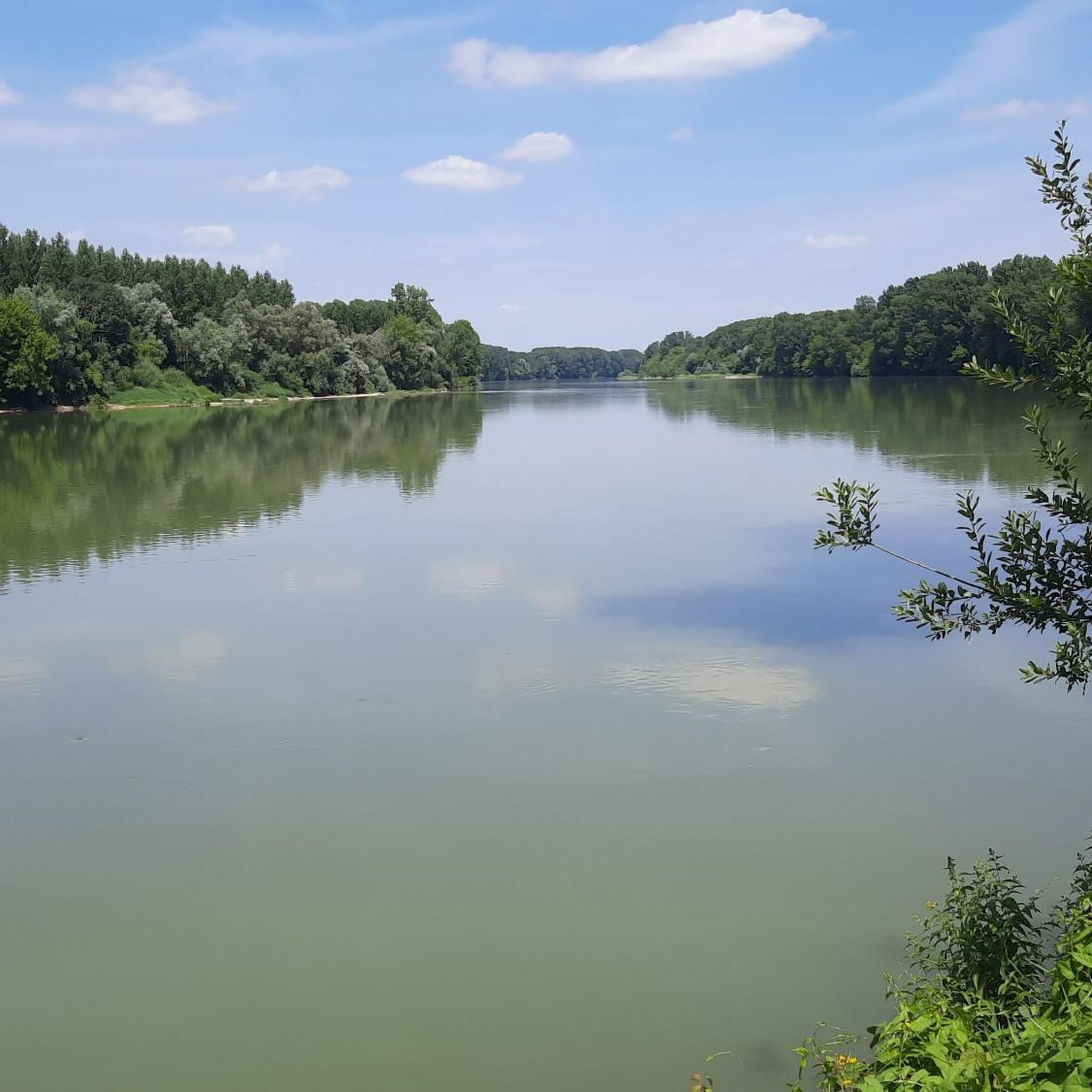
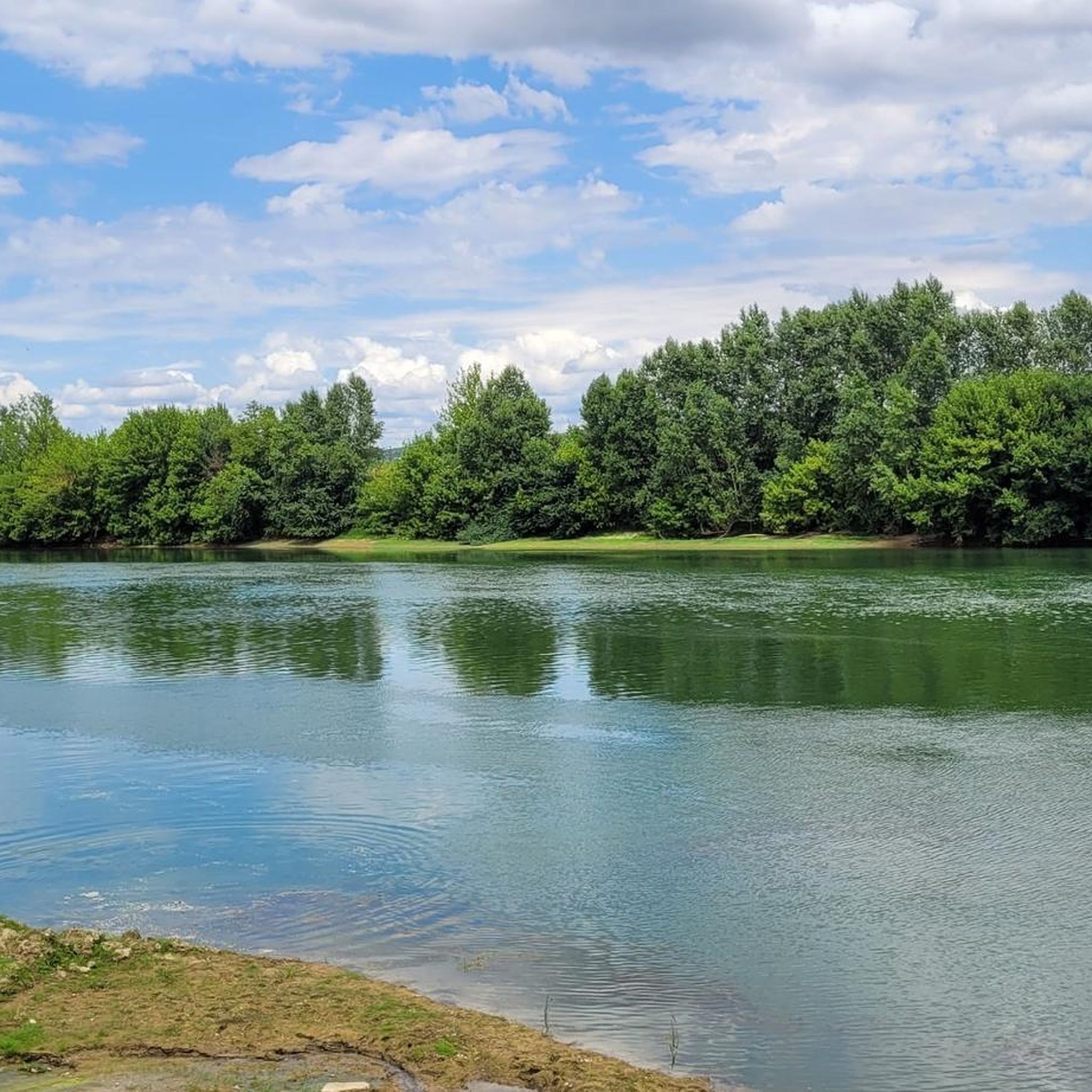

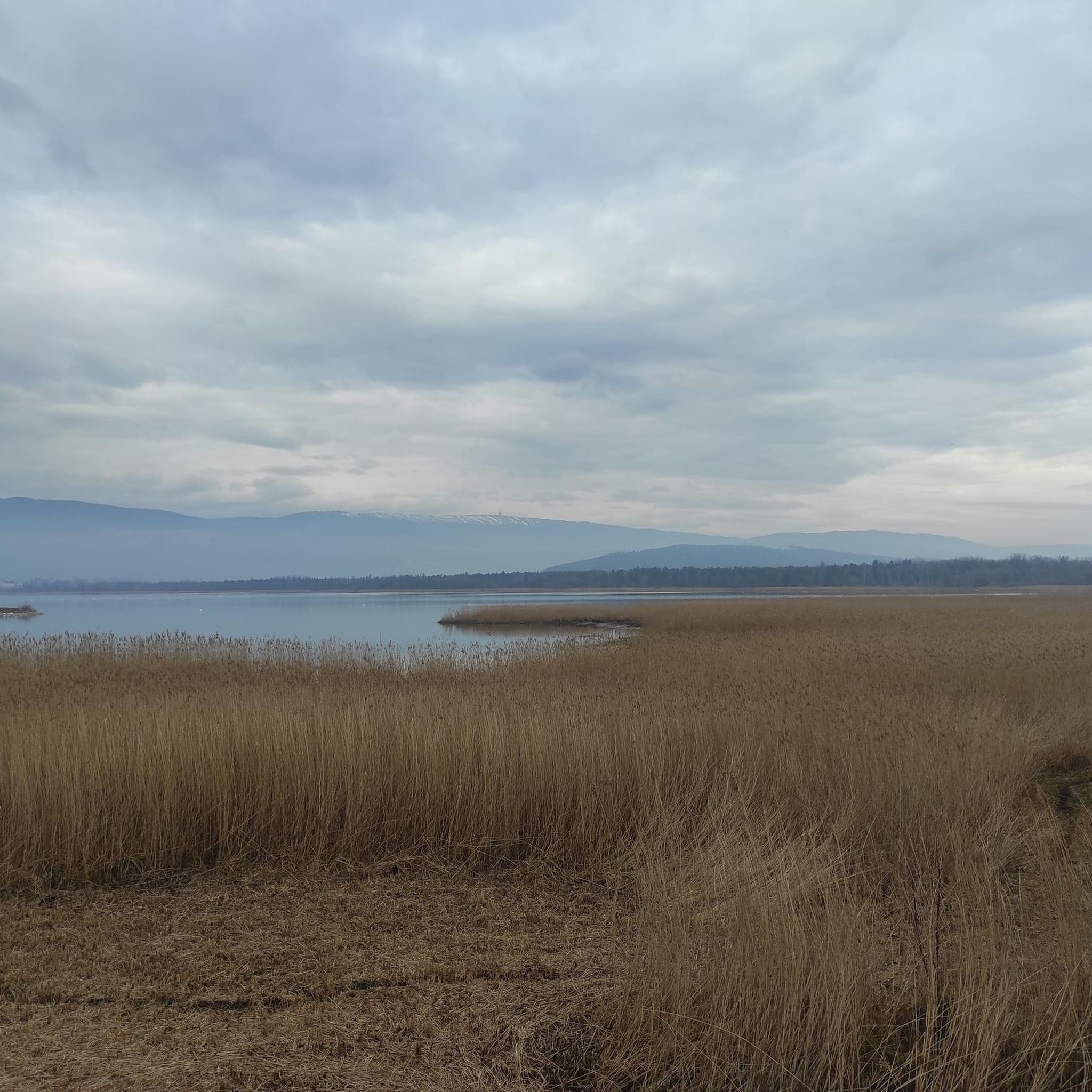
Tips from the Community

The Halle aux Chanvres is one of the emblematic buildings of Mas-d’Agenais. Built in the 17th century, it had particular importance in the hemp trade in the region, an activity that supported a large part of the local population at the time. It features an open structure and traditional architecture.
0
0

17th-century grain hall built with beams salvaged from the castle razed in 1616
0
0

In Nérac, the Château Henri IV peacefully overlooks the Baïse and tells the story of a king who became a legend. Former residence of the lords of Albret, it was the beating heart of the court of Navarre during the Renaissance. It was here that Henri de Navarre, the future Henri IV, grew up and affirmed his destiny. Today, the château-museum invites you on a journey between great History and the Gascon art of living. A stroll along the river, elegant galleries, and royal memories echo each other. A must-see to understand the soul of Nérac and Albret.
0
0
The Château Henri IV of Nérac, former residence of the lords of Albret, bears witness to the city's rich Renaissance past. Overlooking the Baïse, it was one of the living places of the future King Henri IV and remains today a must-see to discover the history of Albret.
0
0

A highly recommended accommodation along the way.
0
0
Very pleasant and shady and not too crowded.
0
0

A beautiful tour along the canal. Approx. 5 km before, there is a great tapas bar on the other side of the canal. You shouldn't miss it
0
0

Nérac Castle was founded in the 14th century, within a medieval town surrounded by walls and backing onto the Baïse River. Beginning in 1491, Alain d'Albret modernized this first tower and had three wings built. The west wing included the drawbridge and service rooms, the north wing housed Jeanne d'Albret's apartments, and the east wing constituted the main building of the castle. It was in this castle that Marguerite de Navarre, sister of Francis I and author of the Heptaméron, lived. A committed humanist, she brought Jacques Lefèvre d'Étaples, nicknamed the French Erasmus, to Nérac. Jeanne d'Albret, her daughter, was also sensitive to the ideas of her time and brought Théodore de Bèze to her court, before converting to Protestantism. It was in this context that Henry III of Navarre, the future King Henry IV, lived. He lived in this château for about ten years with Queen Marguerite de Valois, known as Queen Margot. The latter was responsible for the creation of the 3000-Step Avenue in the Parc de la Garenne, along the Baïse. This avenue, punctuated over the years with new fountains, was then surrounded by walls and accessible from the château by a bridge. The years following the assassination of Henri IV by Ravaillac in 1610 marked the decline of the château, first due to royal reprisals against Protestants and then due to the destruction caused by the French Revolution in 1793, when the château was declared national property. After the revolutionary destruction, only the north wing of the château remained, with its twisted columns so characteristic of the Renaissance style. The château was divided into lots and inhabited by several owners. Gradually, the municipality became interested in restoring the château, and a restoration project was drawn up by Eugène Viollet-le-Duc, whose sketches are on display in the museum. However, it wasn't until 1925 that the city became the owner of the entire building and began a restoration project to house the municipal museum. Since then, the royal residence and writer's home, the Château-Musée Henri IV, has offered visitors a permanent exhibition dedicated to Henri IV and the d'Albret family on the first floor, and the art of living during the Renaissance on the ground floor through various themes.
0
0
Frequently Asked Questions
How many road cycling routes are available around Villefranche-Du-Queyran?
There are over 60 road cycling routes around Villefranche-Du-Queyran, offering a wide variety of options for different skill levels and preferences. The komoot community has rated these routes highly, with an average score of 4.6 stars.
What kind of terrain can I expect on road cycling routes in Villefranche-Du-Queyran?
The terrain around Villefranche-Du-Queyran is diverse, transitioning between the vast Landes forest and the fertile Garonne plain. You'll find quiet country roads with both gentle stretches and some hilly sections, providing a varied and engaging experience for cyclists.
Are there road cycling routes suitable for beginners or families?
Yes, the region offers routes suitable for beginners and families. While many routes are moderate, there are 15 easy routes available. The greenway along the Canal de Garonne, for instance, provides a pleasant, shaded, and often asphalted passage ideal for a relaxed ride. Consider exploring the So Vélo Greenway for a family-friendly option.
Are there challenging road cycling routes for experienced riders?
Absolutely. For experienced riders seeking a challenge, Villefranche-Du-Queyran offers 7 difficult routes with more significant elevation gain. Many moderate routes also feature hilly sections that provide a good workout. For example, the Tour from Aiguillon ending at Croix du Pech-de-Berre includes over 550 meters of elevation gain over its 62 km.
What scenic landmarks or natural features can I see along the road cycling routes?
Road cycling routes often traverse picturesque villages, fields, and forests. You can enjoy views of the Ourbise river, the agricultural landscapes of the Garonne plain, and the edge of the Landes forest. Notable landmarks include the Canal Latéral à la Garonne and the Buzet-sur-Baïse Lock. Some routes also pass by historical castles like those of Xaintrailles, Mongaillard, and Buzet.
Are there any historical sites or villages to explore on a road cycling trip?
Yes, the region is rich in history. Villefranche-Du-Queyran itself is a 13th-century bastide with medieval houses, vestiges of ramparts, and the Romanesque Saint-Savin church. Cycling routes can lead you to charming nearby towns like Damazan, known for its central square and half-timbered houses, or past the castle of Villefranche. For more historical context, you can visit the Bastide de Villefranche-du-Queyran.
Are there circular road cycling routes available?
Yes, many of the road cycling routes around Villefranche-Du-Queyran are designed as loops, allowing you to start and finish at the same point. Examples include the View of Tonneins loop from Aiguillon and the Bridge over the Baïse in Vianne – Nérac loop from Aiguillon, which offer varied scenery and return to your starting location.
What is the best time of year for road cycling in Villefranche-Du-Queyran?
The region is generally pleasant for road cycling for much of the year. Spring and autumn offer mild temperatures and beautiful scenery, making them ideal. Summer can also be enjoyable, especially on routes that pass through shaded areas like the Landes forest or along canal paths.
Where can I park my car when starting a road cycling route?
Parking is generally available in the villages and towns that serve as common starting points for routes, such as Villefranche-Du-Queyran itself or nearby Aiguillon and Buzet-sur-Baïse. Look for designated public parking areas within these settlements.
Are there places to stop for refreshments like cafes or pubs along the routes?
Yes, many road cycling routes pass through or near charming villages and towns where you can find local cafes, bakeries, or small restaurants to refuel. The region's focus on local produce and wine (like the Buzet vineyard) means there are often opportunities to enjoy regional specialties.
What do other road cyclists say about the routes in Villefranche-Du-Queyran?
The road cycling routes in Villefranche-Du-Queyran are highly rated by the komoot community, with an average score of 4.6 stars from over 20 reviews. Cyclists often praise the quiet country roads, the diverse scenery ranging from forest edges to agricultural plains, and the well-maintained paths that offer an immersive experience of the French countryside.
Most popular routes around Villefranche-Du-Queyran
Most popular attractions around Villefranche-Du-Queyran

Get inspired with the komoot mobile app


Explore more
Browse the best Road cycling routes in other regions.
