Attractions and Places To See around Oiron - Top 20
Attractions and places to see around Oiron, a commune in the Deux-Sèvres department of France, are primarily centered on historical and cultural sites. The region is characterized by its architectural heritage, including notable châteaux and religious buildings. While Oiron itself is rich in history, the surrounding Deux-Sèvres department offers diverse natural landscapes, including woodlands and river settings. This area provides a blend of historical exploration and opportunities to experience the local natural environment.
Best attractions and places to see around…
Last updated: October 10, 2026
Small Church of Saint-Généroux (10th century)
Highlight • Religious Site
Translated by Google •
Tip by

Montguimier Mill
Highlight • Monument
Translated by Google •
Tip by
Sign up now to discover places like this
Get recommendations on the best single tracks, peaks, & plenty of other exciting outdoor places.
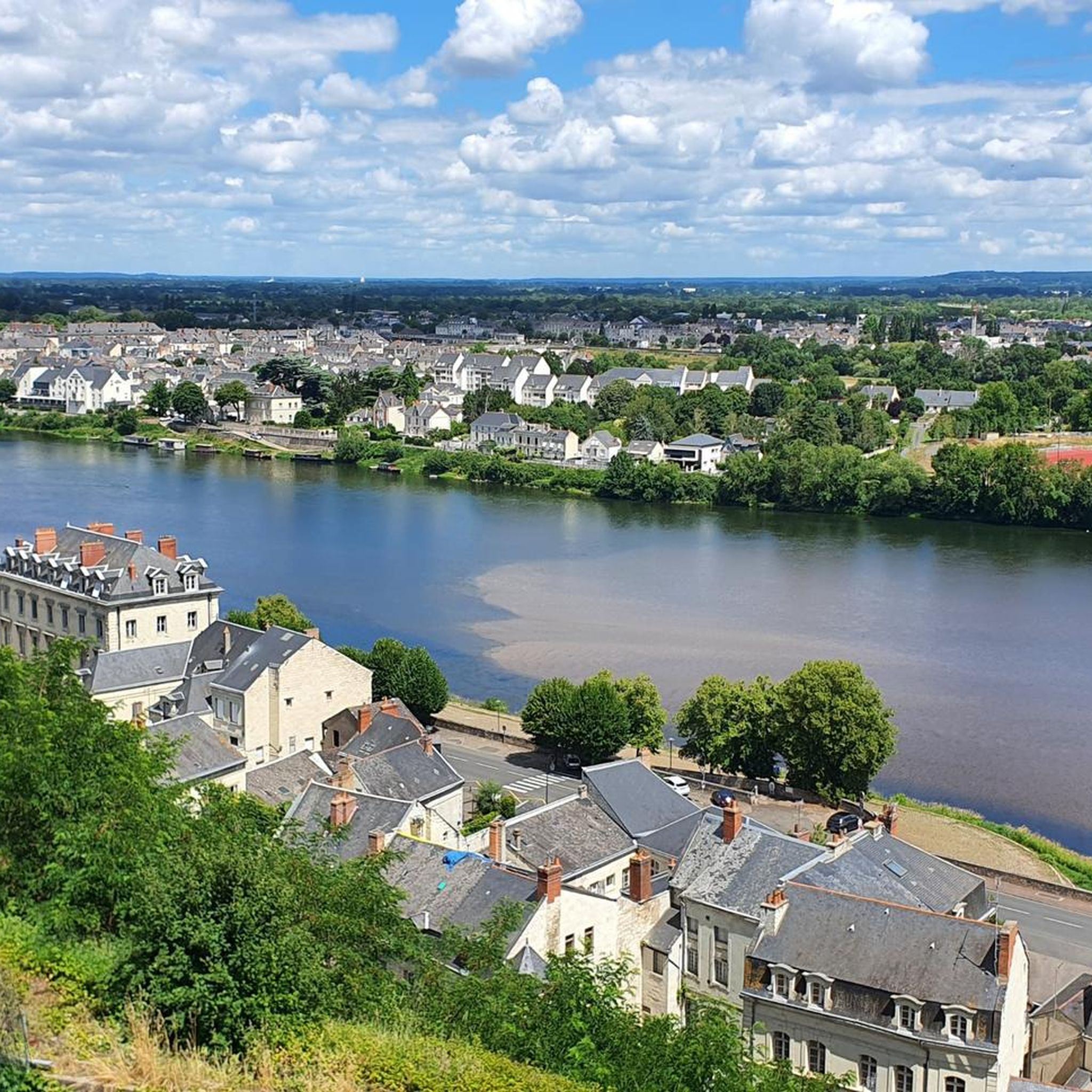
Thouars
Highlight • Other
Tip by

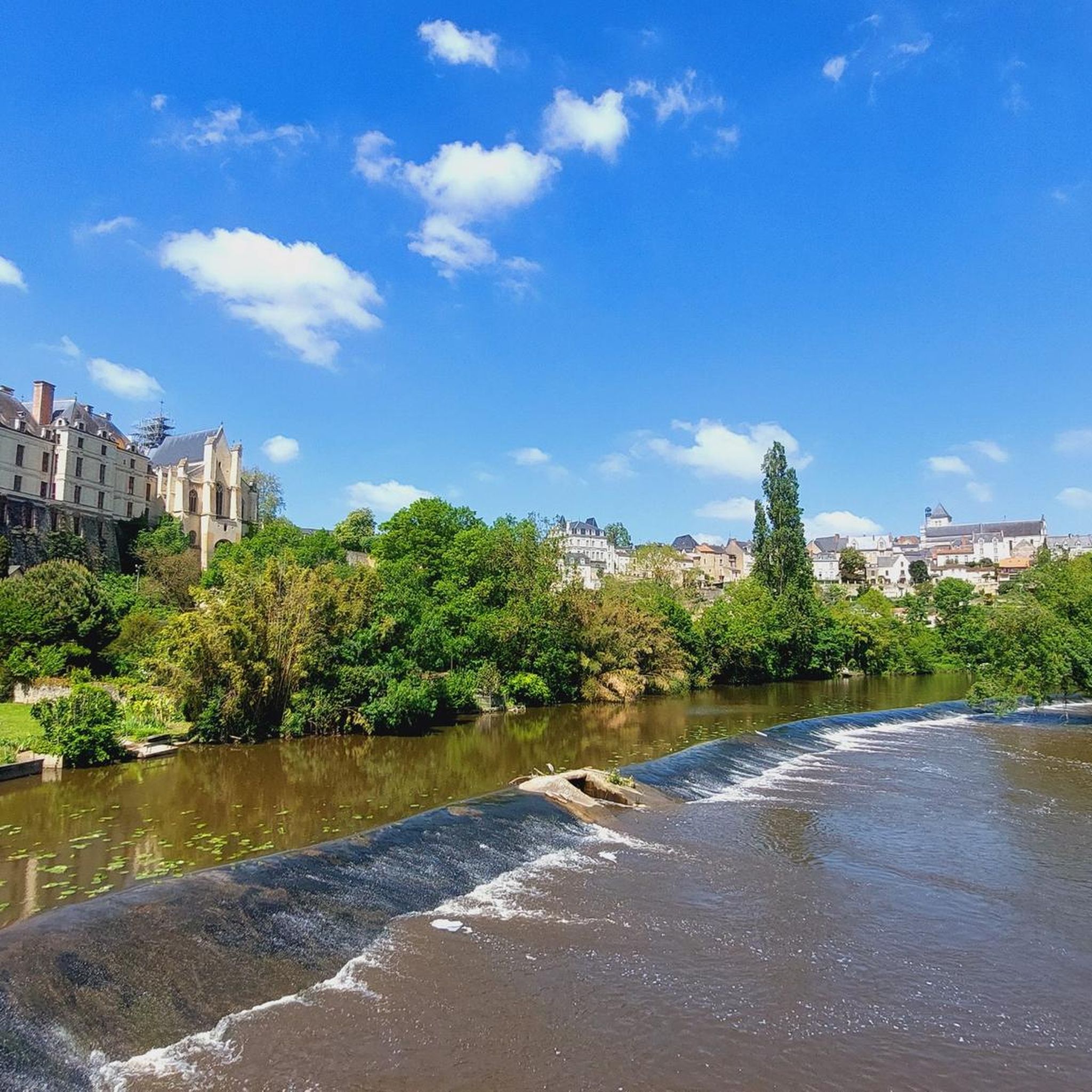
Pont des Chouans on the Thouet
Highlight • Bridge
Translated by Google •
Tip by
Pommiers Waterfall
Highlight • Waterfall
Translated by Google •
Tip by

Sign up for free to discover even more attractions around Oiron.
Already have an account?
Start today with a free account
Your next adventure awaits.


Tips from the Community

Take advantage of this hike to discover magical places.
0
1
The Church of Saint-Généroux is a site well worth a visit during a hike. It dates back to the 10th century and is considered one of the oldest churches in France, as it features pre-Romanesque architecture found nowhere else. The church is located on the banks of the Thouet River. You can also admire the Romanesque bridge (13th century).
0
0


Dating from the 13th century, at the foot of the city ramparts, this bridge ultimately offers the best view of the Château de Thouars.
0
0

Without the characteristic wings - which used to capture the power of the wind to set the heavy millstones in motion - the once proud windmill, which was certainly impressive at the time, is missing an essential architectural element. From a distance, the observer can see its modern successors: within sight of the former windmill, the slender towers and turbine blades of a modern wind farm, which is used to generate electricity, rise into the sky.
2
0
In the proverbial "good old days" of centuries past, this (former) windmill, standing in a very prominent position in the vast landscape, must have made a deep impression on the viewer. However, this changed a long time ago: the no longer intact tower stump is missing the wings, precisely those elements that were once so fundamental to the appearance of those four-armed giants (at least that is what the character "Don Quixote" invented by Miguel Cervantes thinks in one of the famous Spanish author's bizarre stories).
3
0

The Chouans bridge on the Thouet is a medieval bridge which crosses the Thouet river between Thouars and Saint-Jean-de-Thouars. The bridge was fortified in the 15th century and witnessed the passage of the Vendée army during the French Revolution. You can admire the architecture of the bridge which has two arches and triangular spouts on the piers. You can also enjoy the view of the river and the castle of the Dukes of La Trémoille on the hill. The bridge is classified as a historic monument and has been restored several times.
3
0
The church of Saint-Généroux is a historical and cultural site which is worth a visit during a walk in Deux-Sèvres. Dating from the 10th century, it is considered one of the oldest churches in France and features remarkable pre-Romanesque architecture. You can admire its sculpted capitals, its three-bay triumphal arch and its cul-de-four apse. The church is located on the banks of the Thouet, a peaceful river which offers a pleasant natural setting for a walk. You can also enjoy the 13th century Romanesque bridge which spans the river and offers a beautiful view of the church and the surrounding landscape.
3
0
Frequently Asked Questions
What are the most significant historical and cultural sites in Oiron?
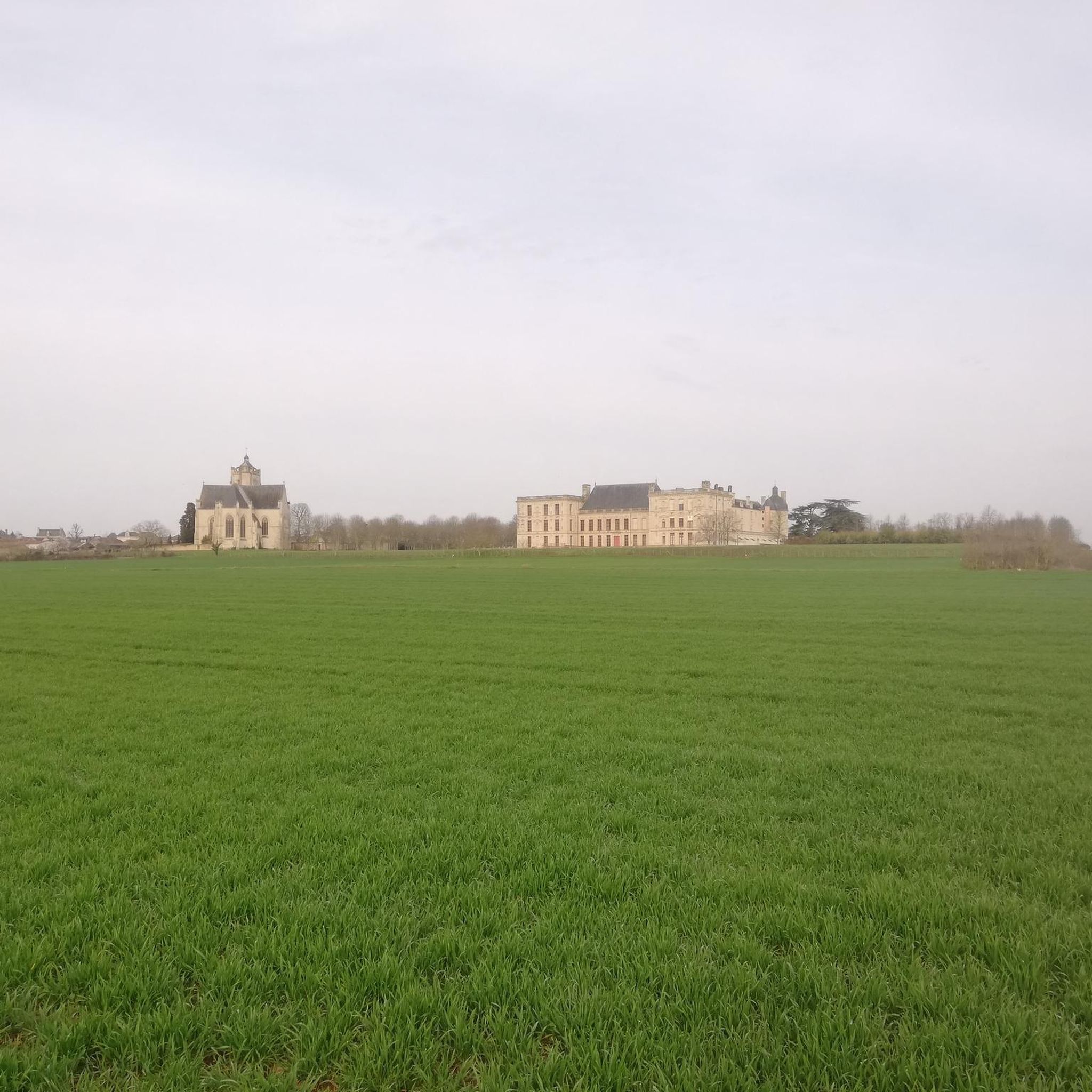
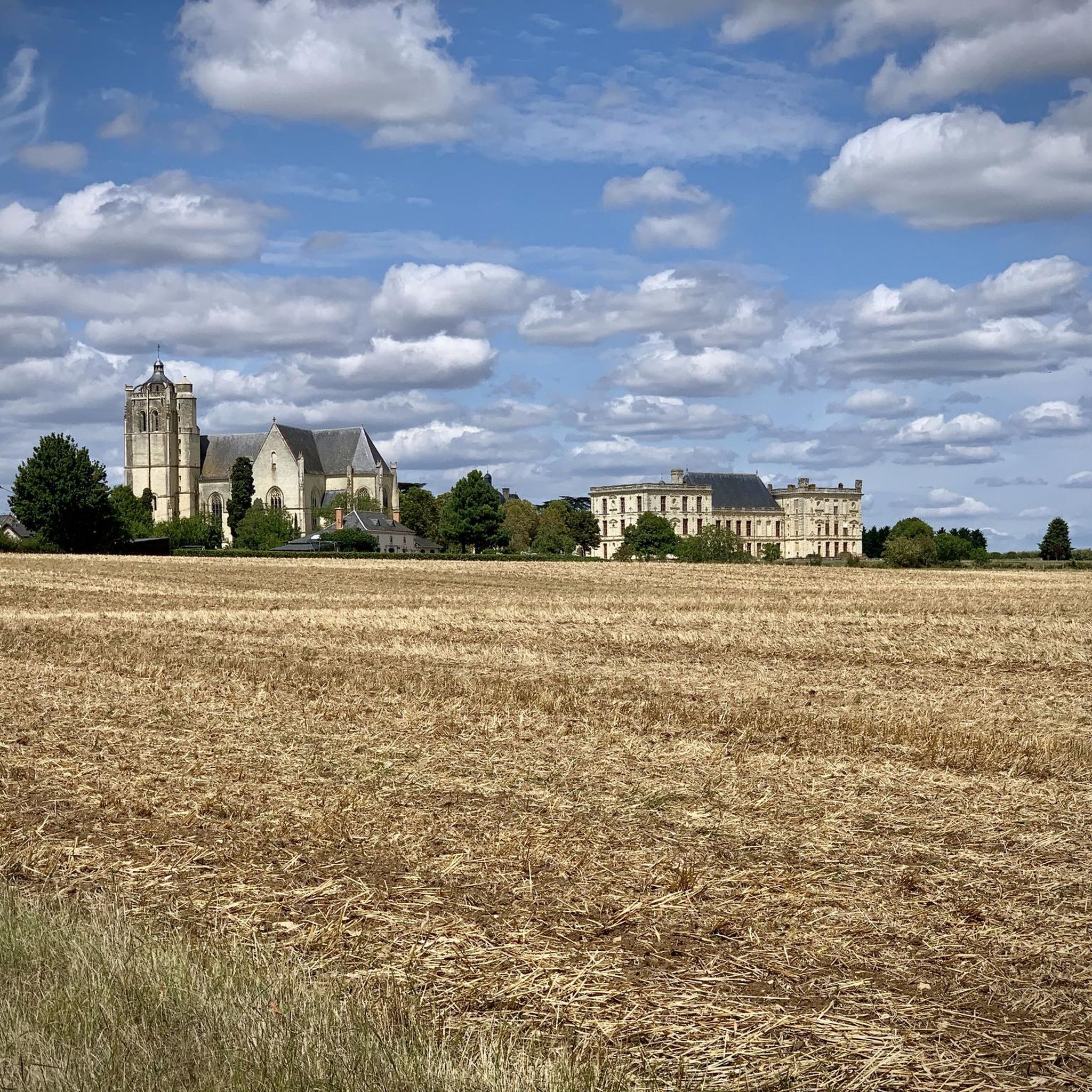
The most significant site is the magnificent Château d'Oiron, a Renaissance building known for its rich history and contemporary art collection, 'Curios & Mirabilia'. It features the 55-meter-long Renaissance Gallery with 16th-century frescoes. Nearby, the Collegiate Church of St. Maurice, founded in 1518, is also notable for its Renaissance façade and recumbent statues of the Gouffier family. For more details on the Château, you can visit its Wikipedia page.
Are there any ancient religious buildings to visit near Oiron?
Yes, the Small Church of Saint-Généroux (10th century) is a remarkable historical site. Dating from the 10th century, it features unique pre-Romanesque architecture and is considered one of France's oldest churches. You can admire its sculpted capitals and 13th-century Romanesque bridge over the Thouet river. Another significant religious building is the Saint-Médard Church of Thouars, characterized by its Romanesque and Gothic architecture.
What kind of outdoor activities can I do near Oiron?
The region around Oiron offers diverse opportunities for outdoor activities. You can explore various hiking trails, such as the moderate 'Saint-Généroux - La Croix des Forges Trail' or the 'Moulin de Montguimier – Saint-Généroux Church loop'. For cyclists, there are numerous road cycling routes, including loops around Thouars and the Château d'Oiron. Mountain biking enthusiasts can also find MTB trails, with options like the 'Pont des Chouans on the Thouet loop from Thouars'.
What natural features can I expect to see in the Oiron area?
While Oiron itself is primarily known for its historical sites, the broader Deux-Sèvres department features diverse natural landscapes. You can find woodlands, wetlands, and water bodies. The Thouet river, for instance, provides a peaceful natural setting, particularly around the Small Church of Saint-Généroux and the Pont des Chouans, offering pleasant spots for walks and relaxation.
Are there any family-friendly attractions around Oiron?
Yes, the Small Church of Saint-Généroux (10th century) is categorized as family-friendly, offering an engaging historical experience in a pleasant natural setting by the Thouet river. The Château d'Oiron, with its unique blend of ancient heritage and contemporary art, can also be an interesting visit for families, especially older children who might appreciate the 'Curios & Mirabilia' collection.
What is the best time to visit Oiron?
The region is generally pleasant during the warmer months, from spring to early autumn, when the weather is ideal for exploring historical sites and enjoying outdoor activities like hiking and cycling. During these seasons, you can fully appreciate the château grounds and the natural beauty of the surrounding Deux-Sèvres department.
What do visitors enjoy most about the attractions near Oiron?
Visitors particularly appreciate the rich historical and architectural heritage. The Small Church of Saint-Généroux is praised for its unique pre-Romanesque architecture and its peaceful riverside location. The Pont des Chouans on the Thouet is loved for its medieval charm and the superb views it offers of the Thouet river and the Château de Thouars.
Can I visit a medieval bridge in the area?
Absolutely! The Pont des Chouans on the Thouet is a medieval bridge that connects ramparts and offers excellent views of the Thouet river and the Château de Thouars. Dating from the 13th century, it's classified as a historic monument and has witnessed significant historical events, including the passage of the Vendée army during the French Revolution.
Is there a historic mill I can see near Oiron?
Yes, the Montguimier Mill is a 12th-century mill that once belonged to the monks of Saint-Jouin-de-Marnes. While it no longer has its characteristic wings, its historic presence in the landscape is notable. You can include it as part of a hike, starting from the Saint-Généroux church.
What is special about the Château d'Oiron's art collection?
The Château d'Oiron houses the 'Curios & Mirabilia' collection, initiated by the Ministry of Culture. This unique collection integrates contemporary artworks throughout the castle, offering a 'sensory experience' that combines sight, sound, smell, and touch. It features works by internationally recognized artists like Sol LeWitt and Marina Abramović, blending ancient heritage with modern art.
Are there any towns nearby worth exploring for their historical character?
Yes, the town of Thouars is a charming historical town with many beautiful old houses and streets, a wonderful château, and a lovely river. It's known for its Friday market and offers a glimpse into authentic French life, making it a great base for exploring the wider region.
Most popular attractions around Oiron

Get inspired with the komoot mobile app


Explore more
Still not found the Highlight you’re looking for? See guides of the top attractions in other regions:
