Attractions and Places To See around Saint-Cyr-En-Val - Top 20
Best attractions and places to see around Saint-Cyr-En-Val, a commune in the Loiret department of France, offers a blend of historical landmarks and natural beauty. Situated at the edge of the Orléans conurbation, it borders the Loire Valley and Sologne, featuring diverse landscapes including alluvial plains and forested areas. The region is known for its historic châteaux and well-maintained natural spaces, with forested areas making up a quarter of its surface. Visitors can explore a variety of sites, from ancient…
Last updated: July 6, 2026
Sainte-Croix d'Orléans Cathedral
Highlight • Historical Site
Translated by Google •
Tip by

Europe Bridge
Highlight • Bridge
Translated by Google •
Tip by
Sign up now to discover places like this
Get recommendations on the best single tracks, peaks, & plenty of other exciting outdoor places.
Sign up for free
Equestrian statue of Joan of Arc
Highlight • Monument
Translated by Google •
Tip by

Confluence of the Loire and the Loiret
Highlight • River
Translated by Google •
Tip by
Isle Castle
Highlight • Castle
Translated by Google •
Tip by
Sign up for free to discover even more attractions around Saint-Cyr-En-Val.
Sign up for free
Already have an account?
Start today with a free account
Your next adventure awaits.
Login or Signup

Tips from the Community

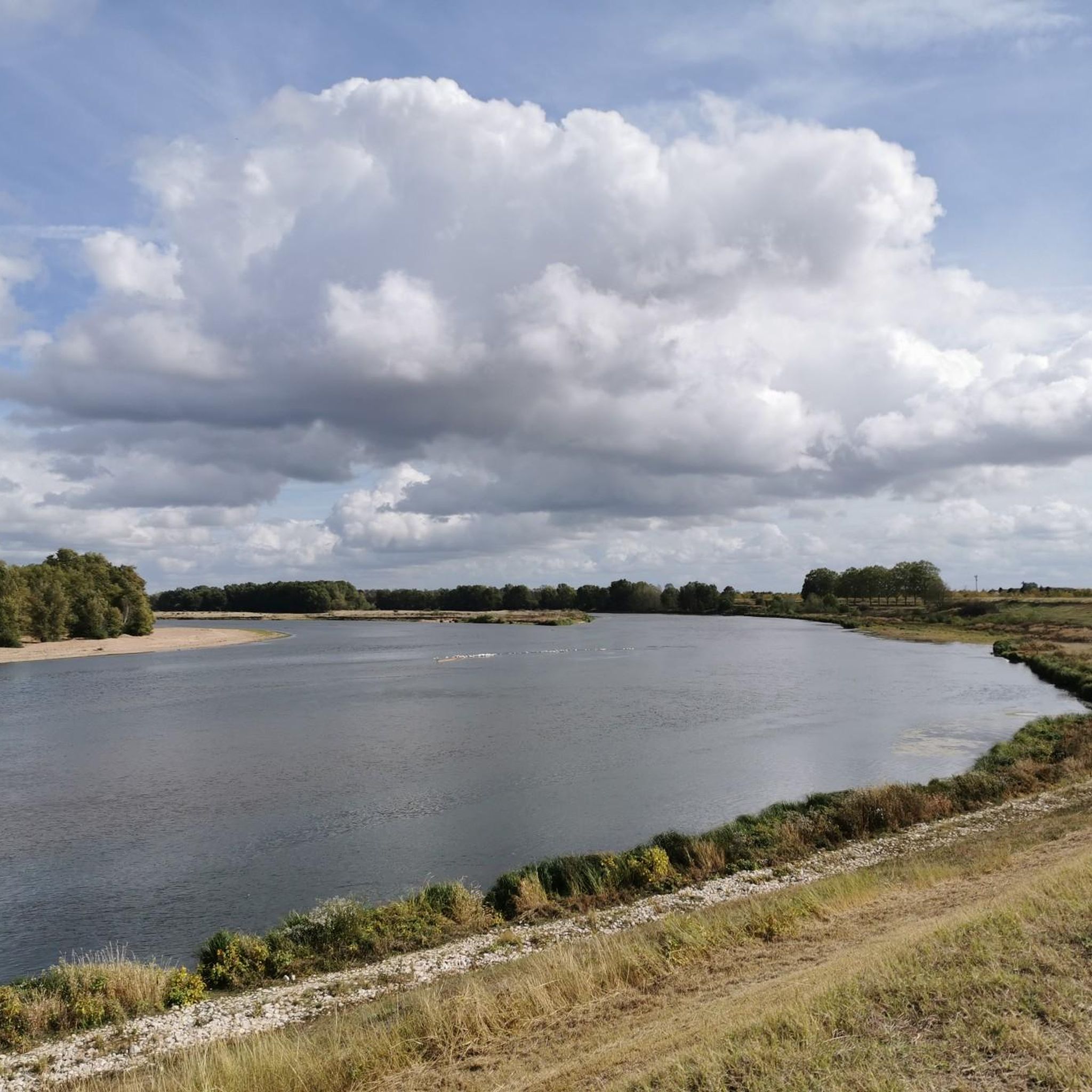
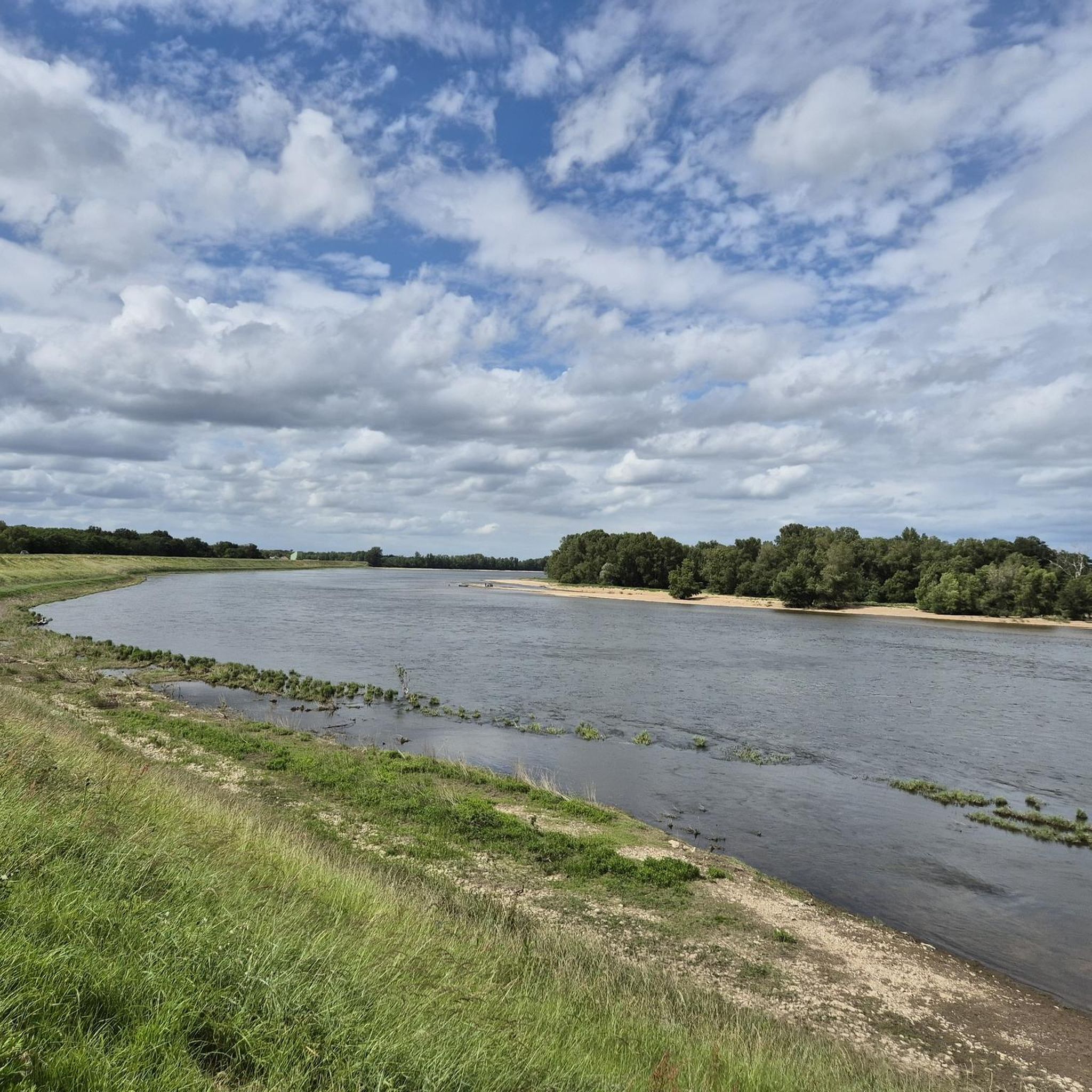
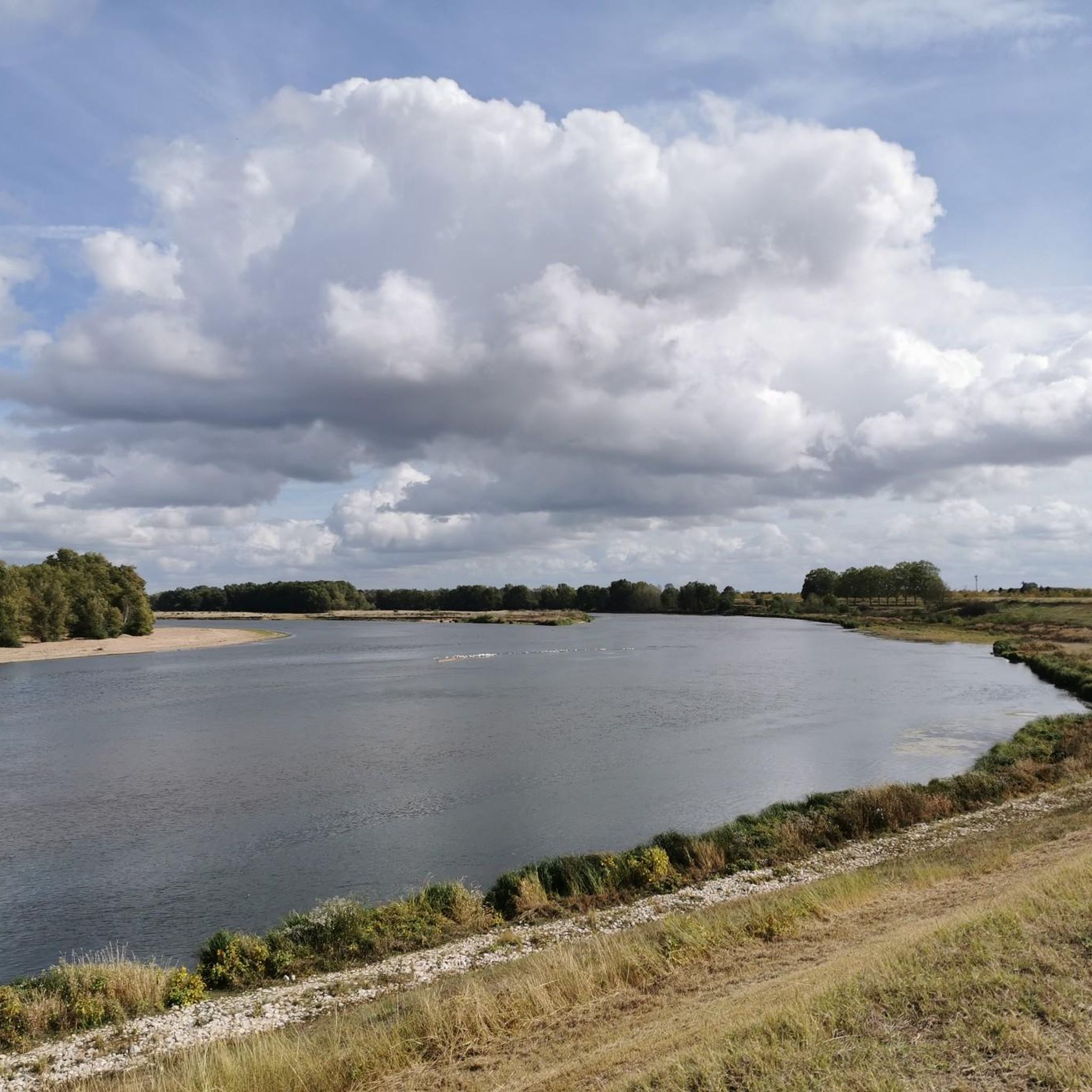
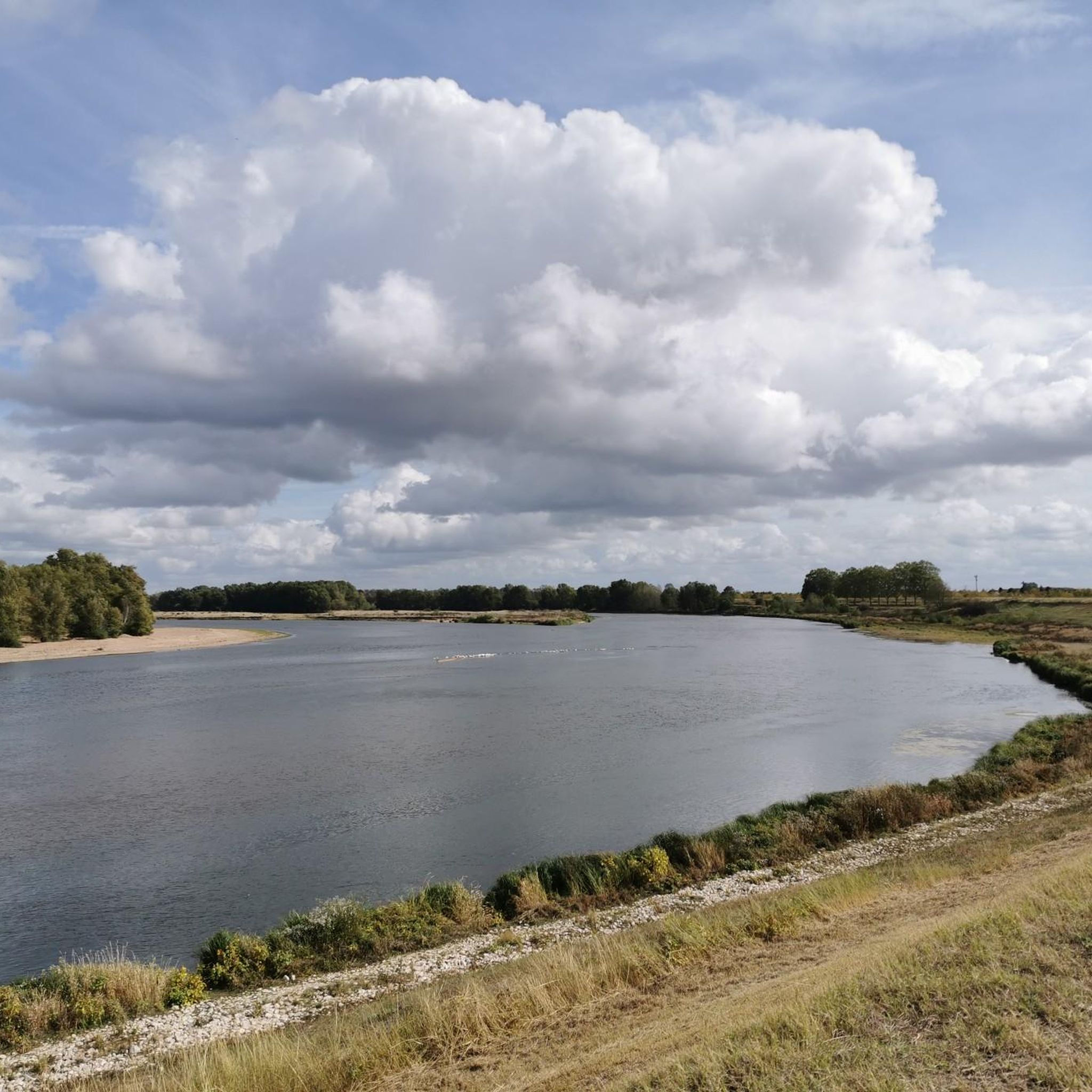
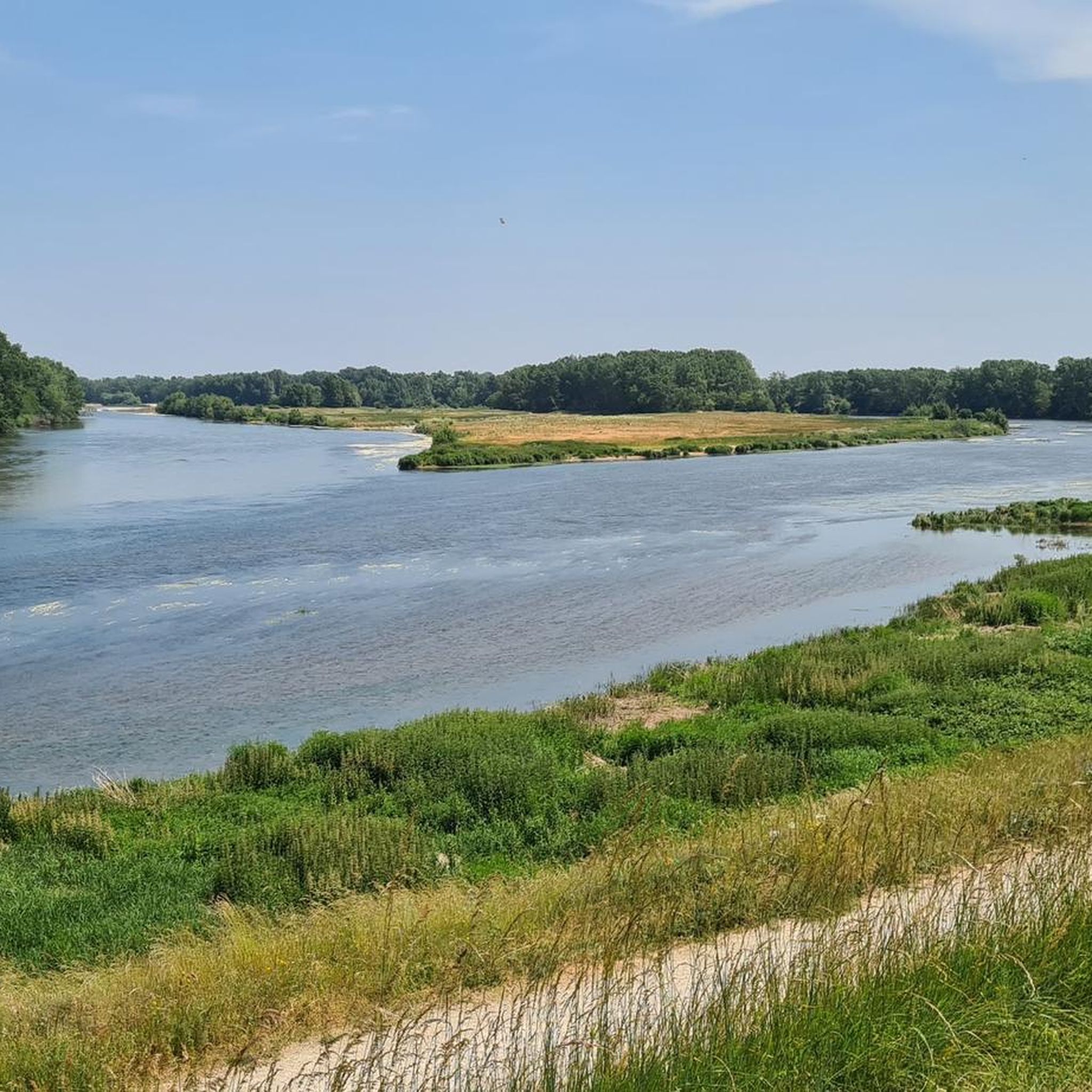
Greenway along the Loire. Rolling track with tarmac, dirt, or white gravel covering depending on the section. Allows you to be away from traffic with little shared road.
2
0

A beautiful design - impressive and a great view!
3
1

Observe what it would have looked like in the past...imagine if this was all surrounded by history. And imagine yourself in the old times... this guarantees the speed at which you travel
1
0

Quick discovery of the city of Orleans
1
0

Magnificent bridge, the latest in the city of Orléans.
0
0

The SAINTE-CROIX Cathedral of Orleans, dedicated to the Holy Cross (Latin “Santa Croce”), draws its patronage from the cross on which Jesus Christ died. The veneration of the Holy Cross goes back to a large extent to Saint Helena, who was the mother of Emperor Constantine the Great (who recognized Christianity as a religion after his victory at the “Milvian Bridge” in front of Rome and in the year 312 for a long time the persecution ended with the “tolerance edict” of Milan). In the early fourth century she undertook a pilgrimage to the Holy Land (Israel / Palestine) and from there brought numerous relics with her to Europe, including the "True Cross" on which Jesus Christ was crucified. Helena is therefore often depicted with a cross as an attribute. The church celebrates the festival of the discovery, public presentation and veneration of the Holy Cross – called “Exaltation of the Cross” – on September 14th.
5
0

Magnificent Orléans Cathedral and the view of the entire rue Jeanne d'Arc in the extension. Do not hesitate to discover the other faces of the cathedral which are just as magnificent.
4
0

The castle of Isle in Saint Denis en Val was built in 1530 by the bailiff of Orléans Jacques Groslot, in 1866, the flood of the Loire destroyed a very large part of the castle. On June 30, 1925, the castle was listed as a historical monument.
0
0
Frequently Asked Questions
What historical sites can I explore in Saint-Cyr-en-Val?
Saint-Cyr-en-Val is rich in history, often called the 'City of Seven Châteaux'. You can visit the 13th-century Château de Saint-Cyr-en-Val, the Renaissance-era Château de Cormes, or the rebuilt 17th-century Château de Gautray. Beyond castles, explore the Gothic Sainte-Croix d'Orléans Cathedral, the 14th-century Eglise Sainte-Croix, or the 15th-century Église Saint-Sulpice. Other notable historical buildings include the Hôtel des Échevins, which now serves as the town hall, and the medieval Pont du Diable over the Loing River.
Where can I enjoy nature and walks in Saint-Cyr-en-Val?
The region offers several beautiful natural spaces for walks. The Parc du Château de Morchêne features a large wooded park spanning 68 hectares with a significant body of water, and is known for its iris collection. You can also enjoy pleasant strolls in the Parc du Château de la Motte or along La promenade du Dhuy, a scenic walk by the Dhuy river. Le Rond d'eau, near the Château de la Jonchère, is another natural area with woodlands and a pond, showcasing the commune's biodiversity.
Are there opportunities for cycling or hiking near these attractions?
Yes, Saint-Cyr-en-Val and its surroundings offer numerous paths for cycling and hiking. For road cycling, you can find routes like the 'Étang de la Croix – Superb view of the Loire loop' or the 'Moulin des Béchets – Saint-Mesmin Nature Reserve loop'. Mountain biking enthusiasts can explore trails such as the 'Mountainbike loop from Espace Naturel Sensible des Dolines de Limère'. For general cycling, routes like the 'Île Charlemagne Pond – The Banks of the Loire loop' are available. You can find more details and routes on the respective guide pages for Road Cycling, MTB Trails, and Cycling around Saint-Cyr-En-Val.
What natural features define the Saint-Cyr-en-Val region?
Saint-Cyr-en-Val is situated at the edge of the Orléans conurbation, bordering the Loire Valley and Sologne. This location contributes to its diverse landscapes, including alluvial plains, thickets, birch trees, and heather. A quarter of the commune's surface is forested, and it boasts a remarkable natural heritage, including a Natura 2000 site and an area of ecological, faunistic, and floristic interest. The Confluence of the Loire and the Loiret is a significant natural reserve where the Loiret flows into the Loire, providing a habitat for diverse flora and fauna.
Are there family-friendly attractions in Saint-Cyr-en-Val?
Yes, several attractions are suitable for families. The natural parks like Parc du Château de Morchêne and Parc du Château de la Motte offer pleasant walking opportunities. The Confluence of the Loire and the Loiret is a natural reserve ideal for observing flora and fauna. Additionally, the Parc Floral de La Source in nearby Orléans (just 3 km away) is a large and notable park perfect for a family day out. The Europe Bridge is also wheelchair and cycle-friendly, making it accessible for families.
When is the best time to visit Saint-Cyr-en-Val?
Saint-Cyr-en-Val is known as a 'ville fleurie 4*' (flowery town with 4 blossoms) and is part of the Route des iris floral tourist circuit. This suggests that spring and summer are particularly beautiful times to visit, when the flowers are in bloom and the weather is ideal for exploring the natural parks and outdoor activities. The mild climate of the Loire Valley generally makes it pleasant from late spring to early autumn.
What can I explore in the wider area around Saint-Cyr-en-Val?
Beyond Saint-Cyr-en-Val, the city of Orléans, about 9 km away, offers a wealth of attractions including the impressive Sainte-Croix d'Orléans Cathedral, numerous Renaissance hotels, and the Museum of Fine Arts. The Parc Floral de La Source is also very close. You can also visit the Château de La Ferté-Saint-Aubin, another significant castle in the vicinity. The Loire River and its canals provide over 300 km of waterways for exploration, including picturesque towns and villages.
What is the <a href='https://www.komoot.com/highlight/102303' target='_blank' rel='noopener'>Sainte-Croix d'Orléans Cathedral</a> known for?
The Sainte-Croix d'Orléans Cathedral is a prominent Gothic-style cathedral erected between 1601 and 1829. It features five naves and two towers rising to 88 meters, with an impressive central spire reaching 114 meters. It is considered one of the most famous monuments in Orléans and is admired for its numerous paintings and perfectly restored organ.
What can I see at the <a href='https://www.komoot.com/highlight/2545428' target='_blank' rel='noopener'>Confluence of the Loire and the Loiret</a>?
The Confluence of the Loire and the Loiret is a natural reserve where the Loiret river flows into the larger Loire. This area is a significant habitat for diverse flora and fauna, making it an excellent spot for nature observation. It also features a greenway along the Loire, offering a pleasant, traffic-free path for walking or cycling between Orléans and Blois.
Are there any unique cultural landmarks in Saint-Cyr-en-Val?
Beyond the châteaux and churches, Saint-Cyr-en-Val offers unique cultural landmarks. The Hôtel des Échevins, a 16th-century historic house, now serves as the town hall and retains much of its original charm. The Forges du Loing, once a vital ironworks during the industrial revolution, has been repurposed into a community center. The Hôtel de la Marine, an 18th-century building, now houses the town's museum, featuring local history and regional culture exhibits. The Village Market Square (Place du Marché) also has medieval origins and hosts regular markets.
What is the <a href='https://www.komoot.com/highlight/196720' target='_blank' rel='noopener'>Equestrian statue of Joan of Arc</a>?
The Equestrian statue of Joan of Arc is a significant man-made monument located at Place du Martroi in Orléans. This statue commemorates Joan of Arc, a French national heroine also known as the 'Maiden of Orléans'. It's a beautifully located monument that allows visitors to see her depicted in full gear on her horse.
Are there any wheelchair-accessible attractions in the area?
Yes, some attractions are designed to be wheelchair-accessible. The Europe Bridge, connecting Orléans to the Loire, features wide cycle paths separated from motorized traffic, making it accessible for wheelchairs. The Equestrian statue of Joan of Arc is also listed as wheelchair-accessible.
Most popular routes around Saint-Cyr-En-Val

Get inspired with the komoot mobile app


Explore more
Still not found the Highlight you’re looking for? See guides of the top attractions in other regions:
