The best running trails around Chamouille
4.4
(34)
1,313
runners
26
runs
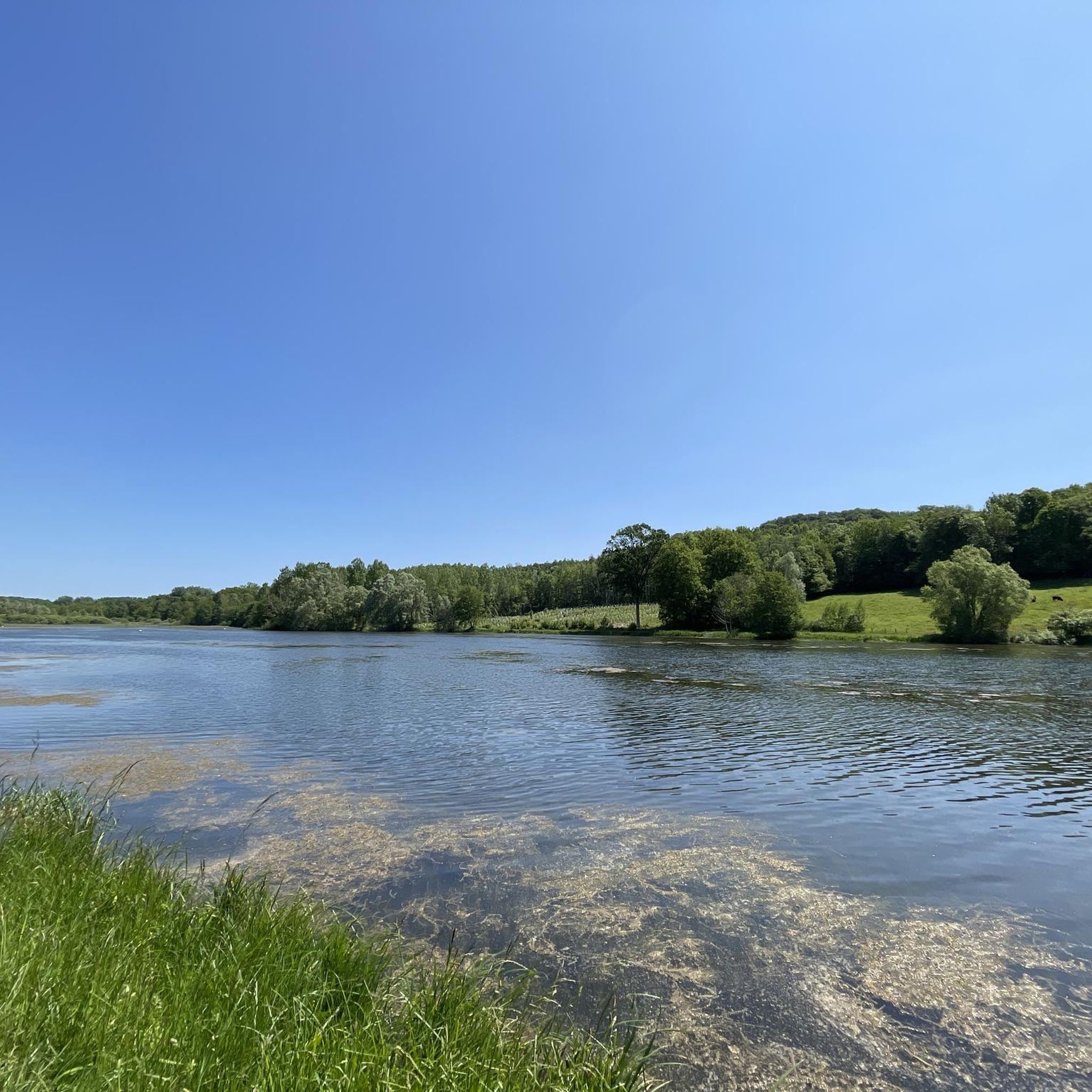
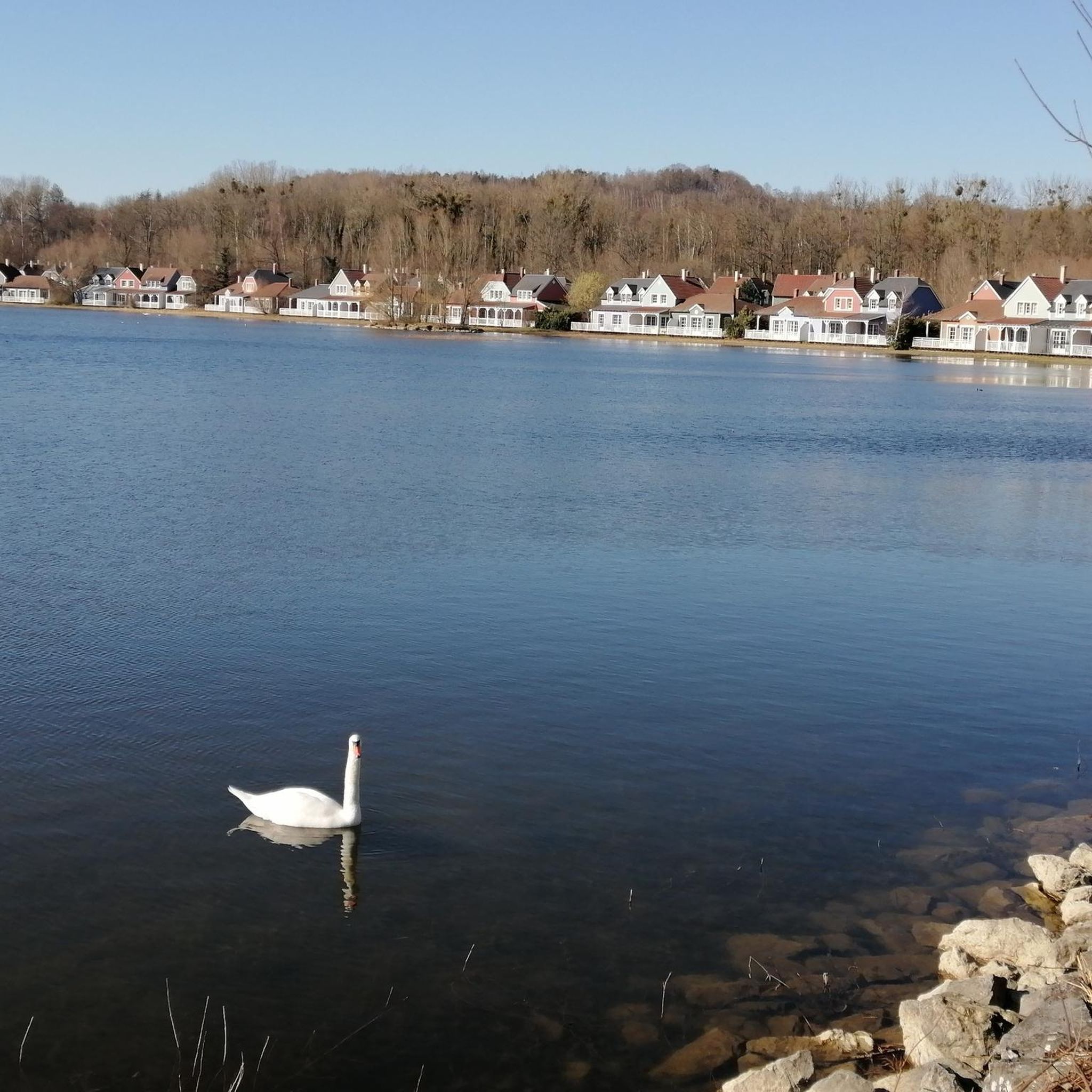
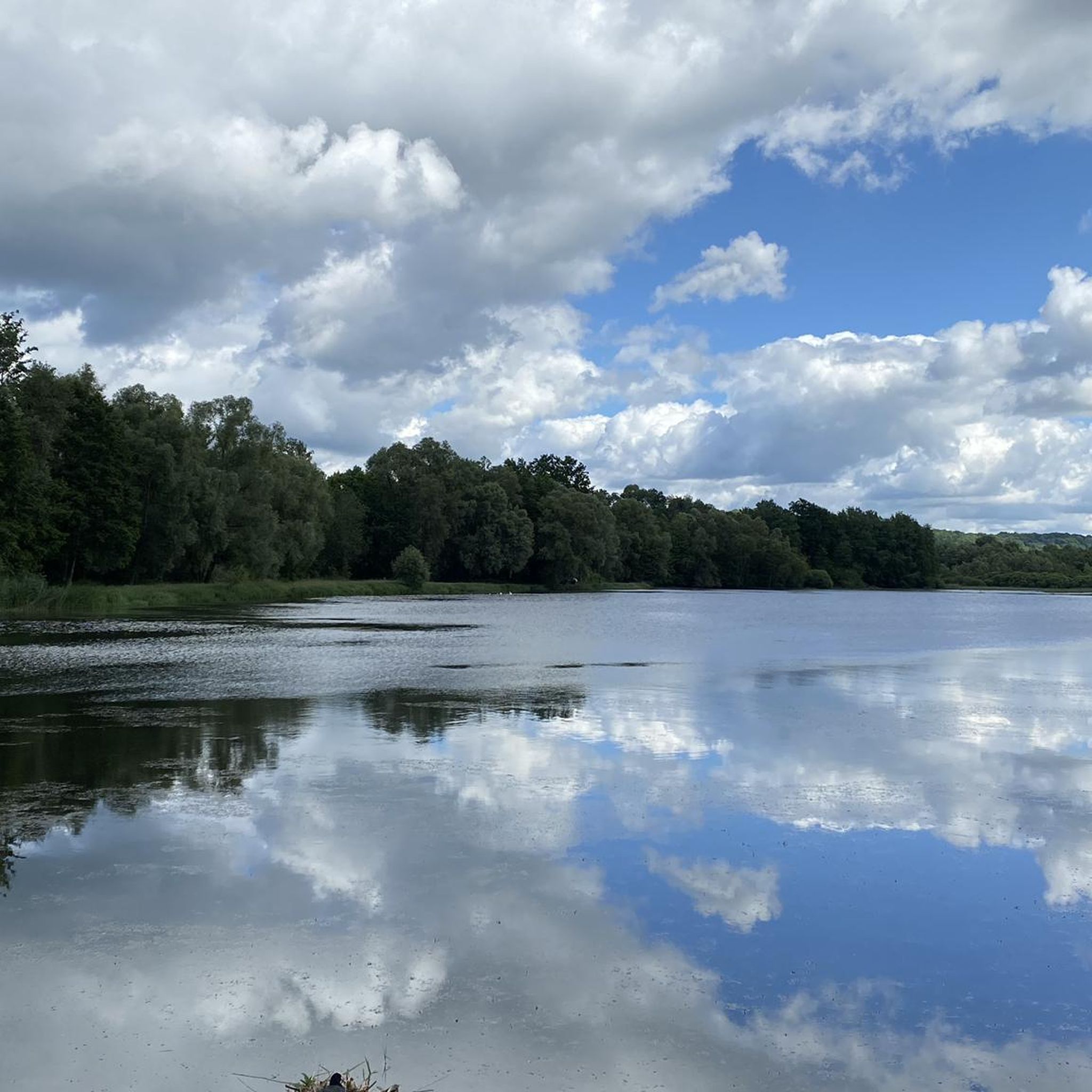
Jogging routes around Chamouille offer a blend of natural landscapes and historical sites in the Hauts-de-France region. The area is characterized by the expansive Lake Ailette, surrounded by lush greenery, and includes access to larger natural spaces like the Picardy Regional Park and the Vauvelair monastic forest. Trails often combine lakeside paths with routes near historical landmarks such as the Ruins of Vauclair Abbey.
Best jogging routes around Chamouille
- The most popular jogging route is Ailette Lake – Lake Ailette…
Last updated: October 8, 2026
163
runners
24.5km
02:53
430m
430m
Hard run. Very good fitness required. Mostly paved surfaces. Suitable for all skill levels.
4.3
(16)
369
runners
13.2km
01:29
170m
170m
Moderate run. Good fitness required. Mostly paved surfaces. Suitable for all skill levels.

4.7
(3)
51
runners
8.94km
00:59
90m
90m
Moderate run. Good fitness required. Mostly paved surfaces. Suitable for all skill levels.
22
runners
7.51km
00:47
50m
50m
Moderate run. Good fitness required. Mostly paved surfaces. Suitable for all skill levels.
4.0
(4)
8
runners
10.1km
01:10
120m
120m
Moderate run. Good fitness required. Mostly paved surfaces. Suitable for all skill levels.
Get access to more routes and recommendations from other explorers.
Already have an account?
Our route recommendations are based on thousands of hikes, rides, and runs completed by other people on komoot.
Start today with a free account
Your next adventure awaits.
Tips from the Community

The Vauclair Abbey near Bouconville-Vauclair in the Aisne department was founded in 1134 by Bernard of Clairvaux as a Cistercian monastery. In the Middle Ages, it developed into an important monastic complex; it was significantly expanded, particularly in the 13th century. During the First World War, Vauclair was located directly in the combat zone of the Chemin des Dames and was almost completely destroyed by artillery fire in 1917. The ruins visible today have been archaeologically investigated, excavated, and partially secured since the 1960s. Directly next to the ruins, there is now a medicinal herb garden with around 400 species and a conservation orchard. This verger conservatoire preserves old regional apple and pear varieties; according to the French Garden Association, there are about 84 different varieties represented there. Together with the monastery ruins, the site thus commemorates not only the history of the Cistercians but also their close connection to agriculture, horticulture, and botany.
1
0

In 1914, the peasant village of Ailles covered about 340 hectares, one third of which was forest. 61 houses were grouped around the church of Saint-Martin. The population was declining: in the 1901 census there were still 147 inhabitants, while in 1911 there were only 118. In honor of the Battle of Craonne, a magnificent elm had been planted on March 7, 1814. A century later, it witnessed a new battlefield as French and German shells wiped the village off the map...
1
0
Hidden in the middle of the forest, this Cistercian abbey, founded in 1134 by Bernard of Clairvaux, appears like a mirage. Its majestic ruins bear witness to a turbulent past. From the Hundred Years' War and the French Revolution to the First World War, the abbey suffered considerable destruction. In the 1960s, the site was overgrown with brambles and forgotten. Thanks to the archaeological excavation group "Sources" led by Father Courtois, it experienced a rebirth.
2
0

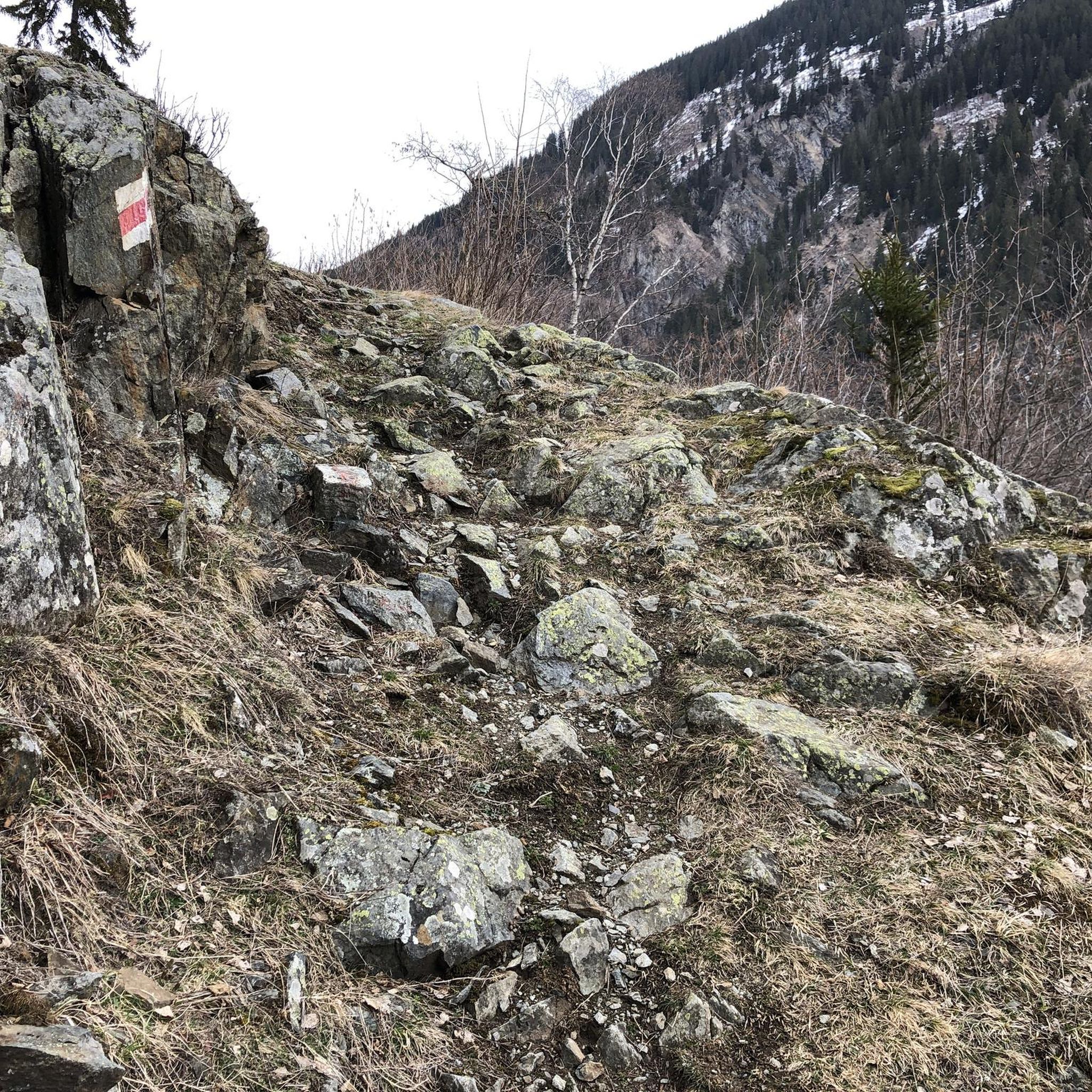
Attention, multi-track vehicles. A maximum of 80 cm wide can pass through. The wheel in the picture is 78 cm.
0
0

Elevated Wooden bridge over the lake which goes under road, views of both sides of lakes. Narrow in places and some wooden sections are not in the best condition.
0
0

A remarkable remnant of what was once a large and important abbey. Caesar, Napoleon and German troops are said to have passed through this area during the First World War.
3
0

This abbey, which was founded in 1134 by St. Bernard, was severely damaged in a bombardment in 1917. The best preserved buildings are the pantry, the refectory of the lay brothers, the chapter house and the monks' hall. The foundations of the abbey church and the inn are still visible. Next to the garden with medicinal plants there is an exhibition space. Surrounding it is the monastic forest of Vauvelair, which covers 1000 hectares.
12
0

The Ailles Village Monument was erected by the Touring Club de France in 1932, marking the location of the ancient village of Ailles, completely destroyed during the First World War and never rebuilt. You can still see some traces of the foundations of the houses in the fields.
3
0
Frequently Asked Questions
How many running routes are available in Chamouille?
Chamouille offers a diverse selection of over 20 running routes, catering to various fitness levels and preferences. You'll find everything from easy lakeside paths to more challenging trails through forests and historical areas.
What kind of terrain can I expect on Chamouille's running trails?
The running trails in Chamouille feature a mix of terrain. You can expect mostly paved surfaces around Lake Ailette, as well as extensive wooded paths within the Vauvelair monastic forest and regional parks. Some routes also incorporate historical areas, offering a blend of natural beauty and cultural exploration.
Are there running routes suitable for beginners in Chamouille?
Yes, Chamouille has several easy running routes perfect for beginners. These often include flat, scenic paths around Lake Ailette, providing a gentle introduction to the area's natural beauty without significant elevation changes.
What are the more challenging running options around Chamouille?
For experienced runners seeking a challenge, Chamouille offers 5 difficult routes. These often feature greater distances and more significant elevation gains, such as the Ruins of Vauclair Abbey loop from Colligis-Crandelain, which takes you through varied terrain and offers expansive views.
What do other runners say about the trails in Chamouille?
The running trails in Chamouille are highly regarded by the komoot community, holding an average rating of 4.0 stars from over 7 reviews. Runners frequently praise the tranquil lake shores, extensive forests, and the unique opportunity to combine physical activity with exploring historical abbey ruins.
Are there family-friendly jogging routes in Chamouille?
Absolutely! Many of the easier routes around Lake Ailette are ideal for families. These paths are generally flat and offer beautiful, safe environments for a leisurely jog or walk with children.
Can I bring my dog on the running trails in Chamouille?
Generally, dogs are welcome on many of the running trails in Chamouille, especially in the natural areas and forests. However, it's always recommended to keep your dog on a leash and check for any specific local regulations, particularly around protected wildlife areas or private properties.
Are there circular running routes around Chamouille?
Yes, many of the running routes in Chamouille are circular, allowing you to start and finish at the same point. Popular options include the Ailette Lake – Lake Ailette loop from Neuville-sur-Ailette, which provides a scenic circuit around the lake.
Where can I find parking for the running trails in Chamouille?
Parking is typically available near popular trailheads, especially around Lake Ailette and the villages surrounding it, such as Neuville-sur-Ailette and Chamouille. Specific parking information can often be found on individual route pages on komoot.
What can I see or explore along the jogging routes in Chamouille?
Beyond the natural beauty of Lake Ailette and the surrounding forests, you can integrate historical sights into your runs. The Vauclair Abbey Ruins are a remarkable historical site with trails nearby, offering a unique blend of physical activity and cultural appreciation.
Are there any historical sites I can run past in Chamouille?
Yes, Chamouille offers a unique opportunity to combine running with historical exploration. The Vauclair Abbey Ruins, founded in 1134, are a significant landmark with trails like the Vauclair Abbey Ruins – View of Lake Ailette loop from Chamouille passing nearby, allowing you to experience history while you jog.
What is the best time of year for jogging in Chamouille?
Chamouille is enjoyable for jogging throughout much of the year. Spring and autumn offer pleasant temperatures and vibrant scenery, while summer provides longer daylight hours. Even winter can be beautiful, with crisp air and serene landscapes, though some trails might require appropriate gear.
Most popular routes around Chamouille
Most popular attractions around Chamouille

Get inspired with the komoot mobile app


Explore more
Browse the best Running Trails & Routes in other regions.
