The best cycling routes around Craonnelle
4.5
(221)
1,941
riders
72
rides
Touring cycling around Craonnelle offers a blend of serene landscapes and historical sites. The region features expansive forests, tranquil lakes, and scenic valleys, providing varied terrain for cyclists. Historical sites like Vauclair Abbey ruins are integrated into the natural surroundings, offering cultural points of interest. The area's topography includes gentle hills and flat sections, suitable for diverse cycling experiences.
Best touring cycling routes around Craonnelle
- The most popular touring cycling route is View of Lake Ailette – Lake Ailette loop…
Last updated: October 18, 2026
4.4
(30)
116
riders
18.5km
01:16
150m
150m
Moderate bike ride. Good fitness required. Mostly paved surfaces. Suitable for all skill levels.
4.3
(3)
30
riders
38.5km
02:54
420m
420m
Moderate bike ride. Good fitness required. Mostly paved surfaces. Suitable for all skill levels.

5.0
(3)
21
riders
9.50km
00:37
50m
50m
Easy bike ride. Great for any fitness level. Mostly paved surfaces. Suitable for all skill levels.
4.5
(2)
11
riders
39.2km
02:26
220m
220m
Moderate bike ride. Good fitness required. Mostly paved surfaces. Suitable for all skill levels.
5.0
(2)
7
riders
37.1km
02:22
420m
420m
Moderate bike ride. Good fitness required. Mostly paved surfaces. Suitable for all skill levels.
Get access to more routes and recommendations from other explorers.
Already have an account?
Our route recommendations are based on thousands of hikes, rides, and runs completed by other people on komoot.
Start today with a free account
Your next adventure awaits.
Tips from the Community

The Vauclair Abbey near Bouconville-Vauclair in the Aisne department was founded in 1134 by Bernard of Clairvaux as a Cistercian monastery. In the Middle Ages, it developed into an important monastic complex; it was significantly expanded, particularly in the 13th century. During the First World War, Vauclair was located directly in the combat zone of the Chemin des Dames and was almost completely destroyed by artillery fire in 1917. The ruins visible today have been archaeologically investigated, excavated, and partially secured since the 1960s. Directly next to the ruins, there is now a medicinal herb garden with around 400 species and a conservation orchard. This verger conservatoire preserves old regional apple and pear varieties; according to the French Garden Association, there are about 84 different varieties represented there. Together with the monastery ruins, the site thus commemorates not only the history of the Cistercians but also their close connection to agriculture, horticulture, and botany.
1
0

In 1914, the peasant village of Ailles covered about 340 hectares, one third of which was forest. 61 houses were grouped around the church of Saint-Martin. The population was declining: in the 1901 census there were still 147 inhabitants, while in 1911 there were only 118. In honor of the Battle of Craonne, a magnificent elm had been planted on March 7, 1814. A century later, it witnessed a new battlefield as French and German shells wiped the village off the map...
1
0
Hidden in the middle of the forest, this Cistercian abbey, founded in 1134 by Bernard of Clairvaux, appears like a mirage. Its majestic ruins bear witness to a turbulent past. From the Hundred Years' War and the French Revolution to the First World War, the abbey suffered considerable destruction. In the 1960s, the site was overgrown with brambles and forgotten. Thanks to the archaeological excavation group "Sources" led by Father Courtois, it experienced a rebirth.
2
0

Beautiful quiet place for a walk
0
0

Placed high on a mound and built on the former site of the Moulin de Vauclerc, which served as an observatory for the emperor, the limestone statue represents the Emperor scanning the horizon in a dignified position.
0
0

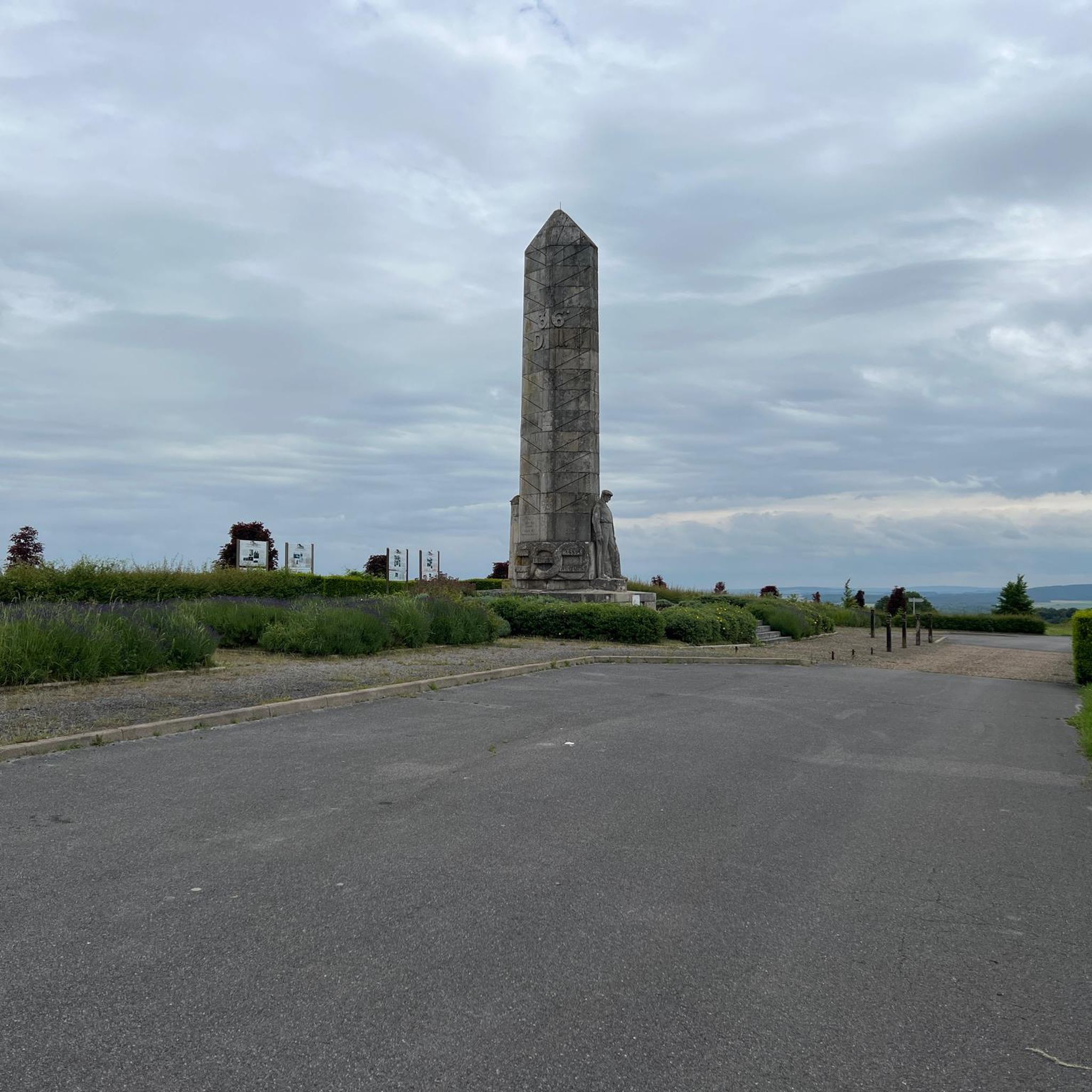
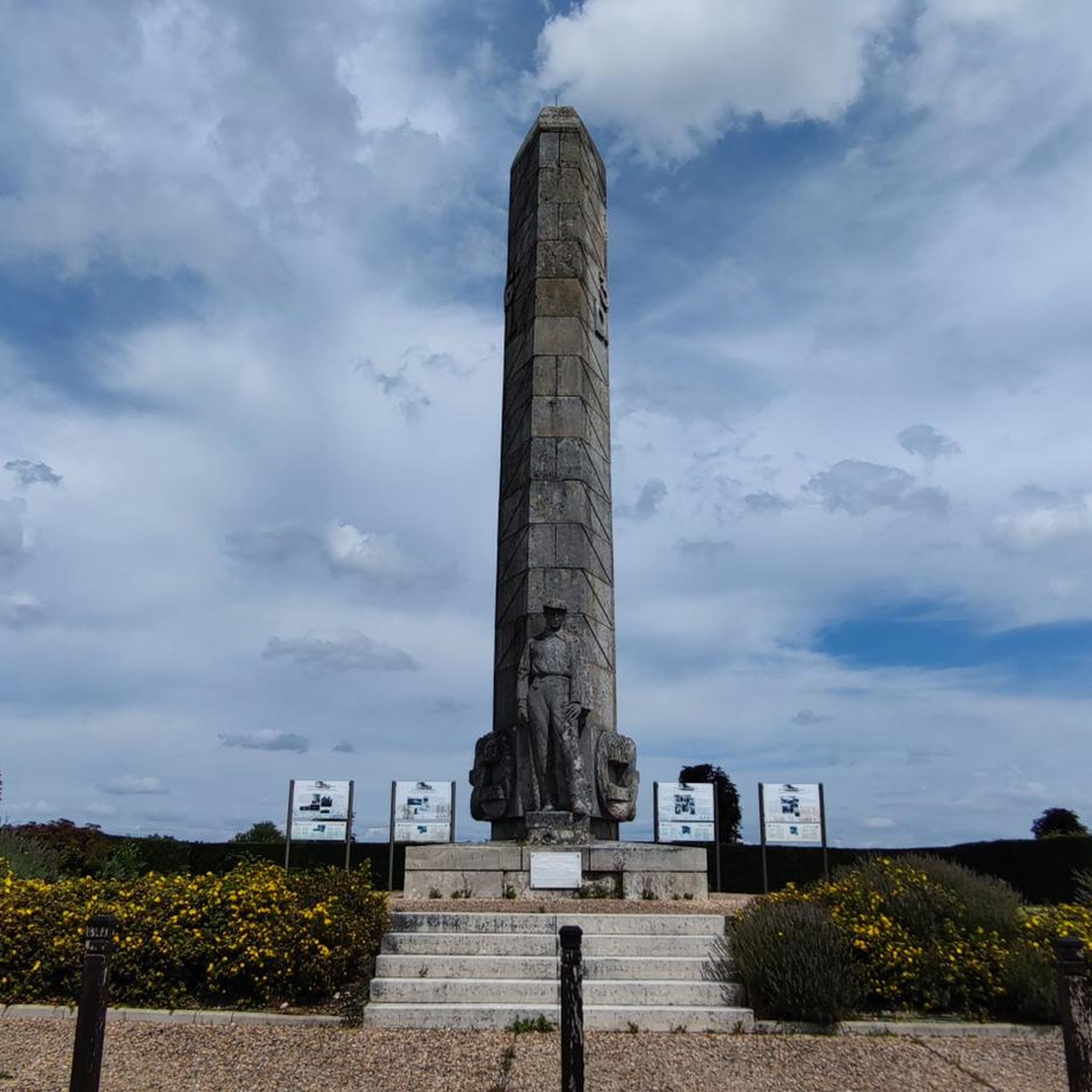
This memorial stone, located on the Plateau de Californie above the old Craonne, commemorates the fierce fighting of April-May 1917 during the Nivelle Offensive. It stands on the spot where the French army suffered heavy losses in the battle against the German defenses. The stone also pays tribute to the destroyed village of Craonne, which was not rebuilt after the war. The site is closely linked to the famous “Chanson de Craonne”, the pacifist song of the French soldiers
6
0
The town hall of Guignicourt, now part of the merged municipality of Villeneuve-sur-Aisne since 2019, is located in the historic heart of the village. The building reflects the classic style of French rural municipalities and serves as the administrative centre for the region. Situated on the Aisne River, Guignicourt has a long history as a railway junction and trading centre in the former Laonnois.
10
0
In 1924, this memorial was erected in memory of the 22 soldiers and 12 civilians from Guignicourt who died during the First World War. The monument, located near the church, shows in relief a peasant couple mourning at a grave – a rare human and modest image rather than a classic military symbol. It recalls the deep suffering that the war left in this hard-hit municipality.
9
0
Frequently Asked Questions
How many touring cycling routes are available around Craonnelle?
There are over 60 touring cycling routes around Craonnelle, offering a diverse range of experiences. These include 18 easy routes, 31 moderate routes, and 16 more challenging options, catering to various skill levels.
What kind of landscapes can I expect to see while cycling in Craonnelle?
Craonnelle offers a blend of serene landscapes. You'll cycle through expansive areas like the Monastic Forest of Vauvelair, past tranquil waters such as the Étang des Moines, and enjoy scenic vistas overlooking the Ailette and Aisne Valleys. The region features gentle hills and flat sections, providing varied terrain.
Are there any family-friendly touring cycling routes in Craonnelle?
Yes, Craonnelle has several easy routes suitable for families. A great option is the Vauclair Abbey – Monks' Pond loop from Bouconville-Vauclair, which is 5.8 miles (9.4 km) long and leads through historical sites and natural ponds, often completed in under 40 minutes.
What historical sites or landmarks can I visit along the cycling routes?
The region is rich in history. You can explore the Vauclair Abbey Ruins, a significant historical site with well-preserved structures and a medicinal garden. Another poignant stop is the Ferme d'Hurtebise War Memorial, offering scenic views over the valleys. The Monks' Pond is also a notable natural landmark.
Are there any circular touring cycling routes in the area?
Many routes in Craonnelle are designed as loops. For example, the popular View of Lake Ailette – Lake Ailette loop from Bouconville-Vauclair is an 11.5-mile (18.5 km) trail offering beautiful lake views. Another option is the more extensive Lake Ailette – View of Lake Ailette loop from Bouconville-Vauclair, a 21.9-mile (35.2 km) path with extensive lake views.
What is the best time of year for touring cycling in Craonnelle?
Craonnelle's natural beauty, including its forests and lakes, makes it enjoyable for touring cycling across multiple seasons. Spring and autumn offer pleasant temperatures and vibrant scenery, while summer provides longer daylight hours. The Monastic Forest of Vauvelair can offer shaded routes during warmer months.
What do other touring cyclists say about the routes in Craonnelle?
The touring cycling routes in Craonnelle are highly rated by the komoot community, with an average score of 4.4 stars from over 200 reviews. Cyclists often praise the varied terrain, the blend of natural beauty with historical sites, and the tranquil experience of riding through forests and past lakes.
Are there any longer or more challenging touring cycling routes for experienced riders?
Yes, for experienced riders seeking a challenge, there are 16 difficult routes available. One such route is the Pontavert – The Forest Pond loop from Pontavert, which is 42.7 miles (42.7 km) long with significant elevation gain, typically taking over 3 hours to complete.
Can I find routes that offer views of Lake Ailette?
Absolutely. Lake Ailette is a prominent feature in the region, and several routes offer stunning views. The Lake Ailette – View of Lake Ailette loop from Corbeny is a moderate 37.2-mile (37.2 km) route specifically designed to showcase the lake and its surroundings.
What are the typical distances and durations for touring cycling routes in Craonnelle?
Route distances vary significantly, from shorter loops around 5.8 miles (9.4 km) that can be completed in under 40 minutes, to longer, more challenging rides exceeding 40 miles (64 km) that may take several hours. The average duration for many moderate routes is around 1 to 2 hours.
Are there opportunities for wildlife spotting along the cycling paths?
Yes, particularly around natural features like the Étang des Moines. This serene lake is known for its diverse birdlife, including herons, ducks, and kingfishers, offering a chance to observe local wildlife while cycling.
Most popular routes around Craonnelle
Most popular attractions around Craonnelle

Get inspired with the komoot mobile app


Explore more
Browse the best Cycling routes in other regions.
