Attractions and Places To See around Meux - Top 20
Best attractions and places to see around Meux, located in the Charente-Maritime region of France, offers a rich historical landscape. This area is characterized by its ancient castles and Romanesque churches, reflecting centuries of history and architectural evolution. Visitors can explore significant architectural sites and cultural heritage, providing a glimpse into the past with its well-preserved monuments. The region is ideal for those interested in historical exploration and cultural discovery.
Best attractions and places to see around Meux
- The most…
Last updated: July 2, 2026
Jonzac Castle
Highlight • Castle
Translated by Google •
Tip by

Saint Paul Chapel
Highlight • Other
Translated by Google •
Tip by

Sign up now to discover places like this
Get recommendations on the best single tracks, peaks, & plenty of other exciting outdoor places.
Sign up for free
Saint-André Church of Clion
Highlight • Religious Site
Translated by Google •
Tip by
Handicraft and rural museum
Highlight • Other
Since 2001, the renovation of …
Translated by Google •
Tip by

Saint Martin Church of Fontaine-d'Ozillac
Highlight • Religious Site
Translated by Google •
Tip by
Sign up for free to discover even more attractions around Meux.
Sign up for free
Already have an account?
Start today with a free account
Your next adventure awaits.
Login or Signup


Tips from the Community

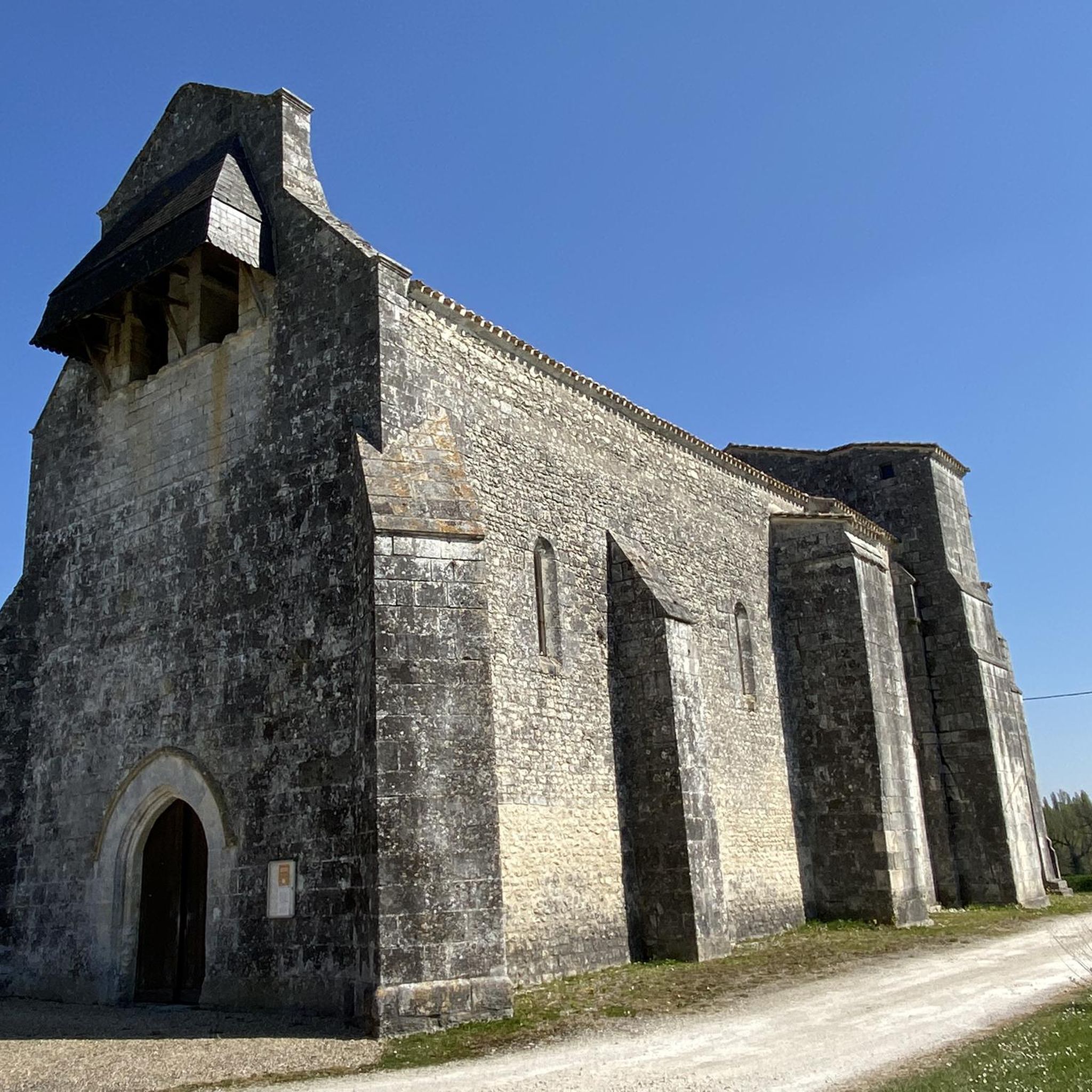
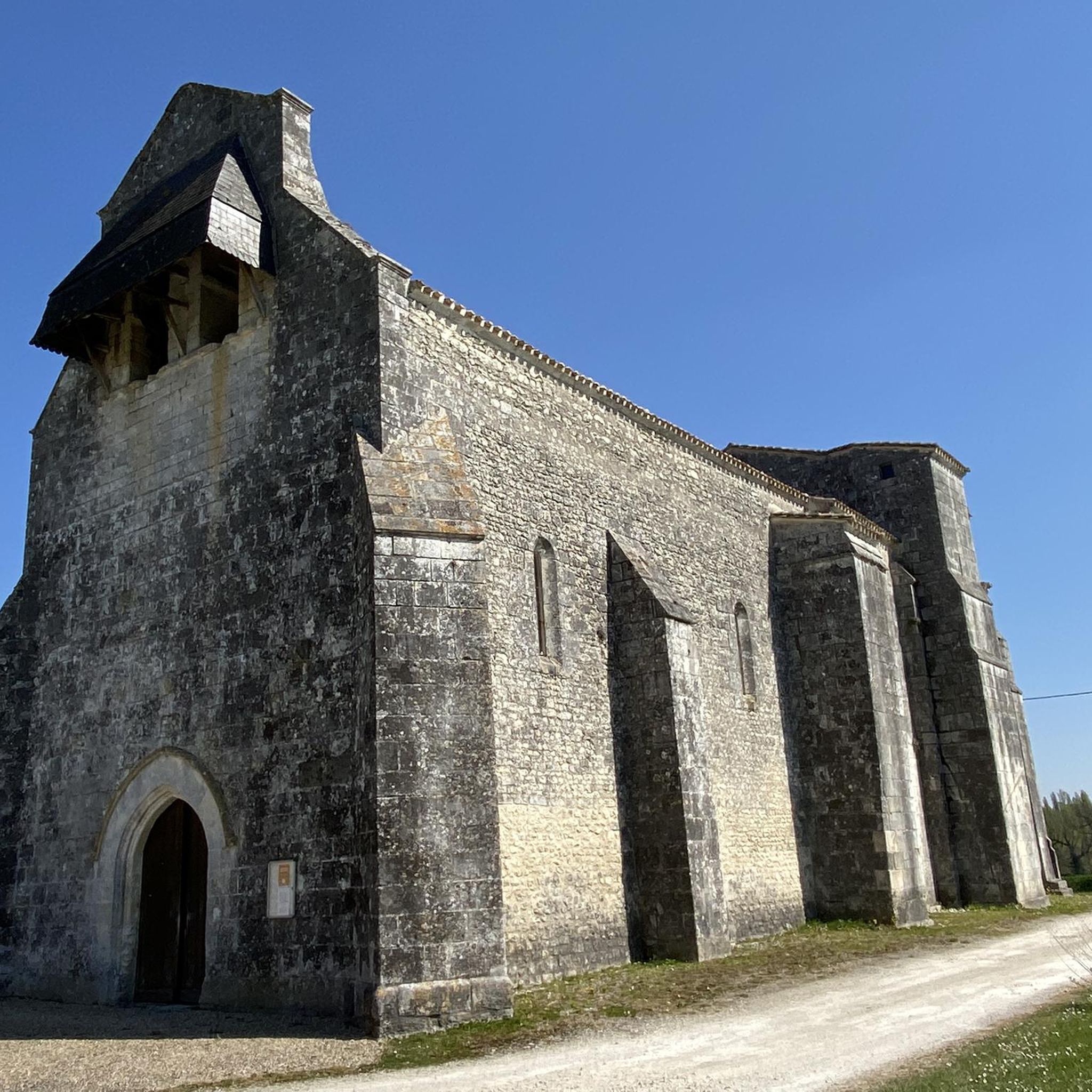
This Templar chapel was built in the 12th century and renovated in 1706. It was acquired in 1949 by Mr. and Mrs. Frédéric, the current owners, who completely restored it. Since 1986, on August 15 of each year, a mass has been celebrated there.
2
0
This Romanesque church was built in the 12th century, but all that remains of the original building is the bell tower. It was modified in the 15th and 16th centuries. A Renaissance style facade replaces the original facade and the square bell tower was built in the 12th century.
2
0

Charming little piece of nature. The chapel (above) can be visited when it is open. A skeleton welcomes you but don't worry, it is very discreet!
0
0

A pleasant visit with a passionate guide.
0
0

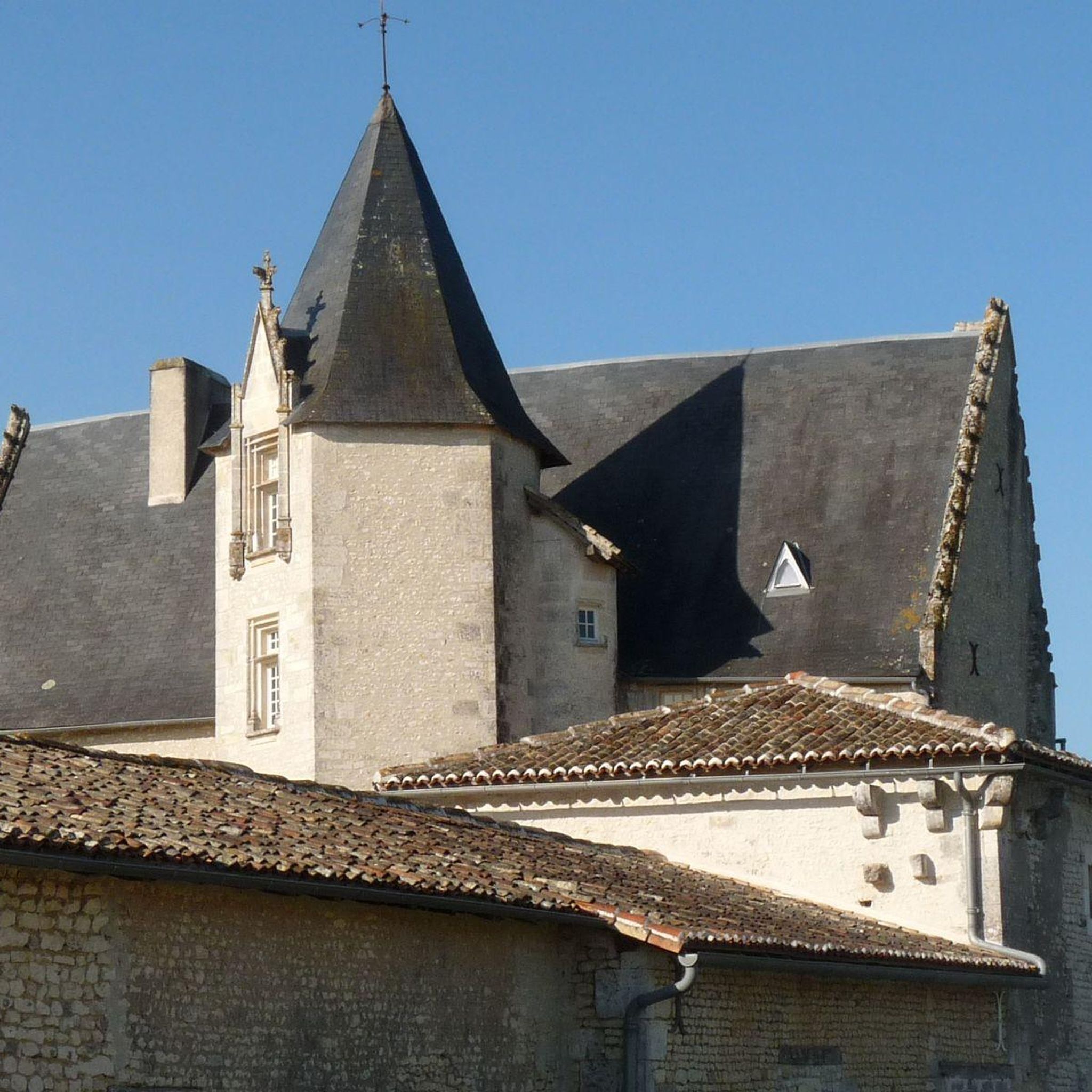
In 1073, the castle already exists; the first known lord was Guillaume de la Rochandry at the beginning of the 12th century. The 1449 inscription on the castle attests to its reconstruction following the destruction caused by the Hundred Years War. In 1505, Jean de Sainte-Maure, lord of Jonzac, founded the Carmelite monastery on the remains of an old chapel dedicated to Saint Nicolas. The cloister was built in 1657. The young Louis XIV, the Queen Mother and Mazarin stayed at the castle in 1659. The castle remained at Sainte-Maure until the end of the 17th century, then passed through marriage to Espardes de Lussan, which transformed the fortress in beautiful stately home with neat ornamentation and guard until the Revolution. Currently the north wing of the castle houses the buildings of the Town Hall (restored in the 19th century), and the south wing, those of the sub-prefecture. The cloister was restored between 1976 and 1978, and now houses a cultural center, with exhibition halls and an archaeological museum. The towers, postern and fountain in the basement date from the 12th century. Of the old feudal castle, only the postern and an isolated tower remain, connected to the main body by a large hall. The moat in front of the drawbridge was filled was filled in the 19th century. It was reopened at the beginning of the 21st century. The imposing gatehouse is marked 1549 and therefore dates from the 16th century, a period of work including the north-west tower, while the south-west tower, of a smaller diameter, is from the 17th century. The towers flanking the postern have retained their defenses. At each, the loopholes have been retained or enlarged. Stone stairs serve each floor and access the walkway. This passage seems to have been discovered, as evidenced by the gargoyles. The crenellation includes machicolations with archers in the middle of the merlons. The slate roofs are high pepperboxes on the towers, and a curious set with two sides connecting two pepperboxes for the gatehouse The fountain located in the basement of the sub-prefecture, has a niche and a niche frame decorated with sculptures imitating stalactites. Carved mask. The fountain was probably built by Léon de Sainte-Maure, Count of Jonzac, who enlarged and embellished the castle in the middle of the 12th century. In a former courtyard of the castle, a theater was built in the 19th century. It is a round building with approximately 300 seats.
0
0
Around a small church from the end of the 12th century, a larger construction was arranged in the 16th century and the curious facade (classified MH in 1911) presents today, under a single gable, a beautiful composition of Romanesque flowers and on the left, attached to it, an elegant Renaissance ensemble. On the north side, a simple bell tower of the original church at its base, rebuilt in the last century in its upper parts, balances the whole. It is square, without style, covered with a slate pyramid, and has retained a few loophole openings. 3 of its arched windows each house a bell. A semi-circular arched gate with three covings and 2 blind bays with only one, furnish the ground floor. Above, without separation, runs a gallery of 5 arches supported on double columns. Bulky capitals, cords, bands very worked and in strong relief, indicate a novel of the end of time. On the large coving develops a representation, with 6 "knights", of the fight of the Virtues and the Vices. On the intermediate arch, birds, monsters and human beings are tangled in vegetal arabesques. The sculptures of the capitals, abacus included, extend over the eardrums of the false doors and form a wide band. In the Renaissance part on the right, the artist has arranged above a low door and around a large scallop shell, a very beautiful crowning with scrolls, garlands and fleurons. Next to it a corner buttress shows another shell in a pediment. The North wall, which has been modified many times, has however retained a large pointed arch towards its middle and a second one a little more towards the East. Old buildings, Benedictine ones say, existed there. Remains of arches and Romanesque openings stand side by side with ogival windows. The eastern wall of the chevet, largely rebuilt, still shows 2 semicircular arches with ringed columns, nail-head cords and remains of an arcade similar to that which once adorned the north side of this same chevet. Although Romanesque, it therefore seems to have been rectangular from its origin. To the left opens a large window whose central arch is polylobed. This provision is quite rare in Saintonge. The south wall, supported by numerous buttresses, one of which, the first to the west, is decorated with an escutcheon carried by two angels, is pierced with large third-point windows. The square bell tower, without style, covered with a slate pyramid, has retained a few loopholes. 3 of its arched windows each house a bell. The interior, refurbished two centuries ago, comprises 2 naves separated by square pillars. The one on the left, the old one, which has 5 bays, has its ogival vaulted apse on multiple ribs which are lost on the columns after having drawn diamonds adorned with hanging keys. In these lozenges, letters forming a difficult to read inscription, a real rebus with a grid, indicate that this work was made in 1538. Despite its name based on the idea of "fountain" this town which was formerly called Saint-Martin-de-Fontaine, has no fountains, but wells. The shallow one, very close to the church, was perhaps even less deep in the past and was undoubtedly the fountain which gave its name to the parish. The church of Fontaine-d'Ozillac is patronized by Saint Martin.
0
0


In 1972, a handful of volunteers began to collect various tools and, with the agreement of the municipality, to assemble them in the old rectory. Since 2001, the renovation of this museum has continued regularly: renovation and opening of new rooms, exterior fittings, repair of all facades, fitting out of sanitary facilities suitable for the disabled. This museum is located in a park perfectly equipped for the organization of all kinds of events: concerts, theater, flea markets, music festivals, fairs, meals, etc.
0
0
Frequently Asked Questions
What kind of historical sites can I explore around Meux?
The region around Meux, in Charente-Maritime, is rich in history. You can visit significant sites such as Jonzac Castle, a 12th-century fortress with 15th and 16th-century reconstructions, now housing the Town Hall and a cultural center. Other notable historical religious buildings include the 12th-century Saint Paul Chapel and the Saint-André Church of Clion, known for its Romanesque bell tower. Additionally, the 12th-century Church St-Martin in Meux itself features a 19th-century wooden pulpit and a 1645 bronze bell.
Are there any museums to visit in the Meux area?
Yes, you can explore the Handicraft and rural museum, which showcases local tools and heritage. It's located in a park that also hosts various events. Jonzac Castle also contains an archaeological museum within its cultural center.
What outdoor activities are available near Meux?
The area around Meux offers various outdoor activities. You can find numerous hiking, mountain biking, and running trails. For hiking, consider routes like 'The Windmills Circuit No. 5' or shorter, easy loops around Jonzac Castle. Mountain biking enthusiasts can explore moderate trails such as 'The Roman Bridge – A picnic is a must loop from Meux'. For more options, check out the dedicated guides for Hiking around Meux, MTB Trails around Meux, and Running Trails around Meux.
What do visitors particularly enjoy about the attractions around Meux?
Visitors appreciate the rich historical context and the well-preserved architecture of the region. For instance, the Saint Paul Chapel is noted as a 'remarkable site' known throughout the region, and the Handicraft and rural museum offers a pleasant visit with passionate guides. The overall appeal lies in exploring medieval architecture and local heritage.
Are there any family-friendly attractions in the Meux area?
While specific 'family-friendly' categories are not extensively listed for all attractions, historical sites like Jonzac Castle with its archaeological museum, and the Handicraft and rural museum with its park, can be engaging for families. Exploring the easy hiking trails around Jonzac also offers a pleasant family outing.
What other notable towns or heritage sites are close to Meux?
Beyond Meux, you can easily visit other significant heritage sites. Pons is known for its ancient pilgrims' hospital, while Saintes boasts an extensive old town and a Roman amphitheater. Jonzac, already home to its castle, also offers a spa. These towns provide further opportunities for historical and cultural discovery.
Where can I find local markets near Meux?
To experience local life and find regional produce, you can visit markets in nearby towns. Jonzac, Barbezieux-Saint-Hilaire, Montendre, and Pons all host markets on various days of the week.
What is the significance of the churches around Meux?
The churches in the Meux area are significant for their historical and architectural value. The Saint-André Church of Clion features a 12th-century Romanesque bell tower and a Renaissance-style facade. The Saint Martin Church of Fontaine-d'Ozillac, dating from the late 12th century, is notable for its curious facade combining Romanesque and Renaissance elements. The Church St-Martin in Meux itself is a 12th-century religious site with a rich history.
Are there any unique architectural features to look out for in the region?
Absolutely. The Saint Martin Church of Fontaine-d'Ozillac is particularly known for its unique facade, which blends Romanesque flowers with an elegant Renaissance ensemble. Jonzac Castle also showcases impressive 15th and 16th-century reconstructions, with its towers, postern, and fountain dating back to the 12th century.
What is the best way to explore the historical sites around Meux?
Exploring by car allows flexibility to visit the various castles, churches, and museums scattered across the Charente-Maritime region. Many sites, like Jonzac Castle, are located in towns that are easily accessible. For a more active experience, consider combining visits with the numerous hiking or cycling routes available in the area.
Can I visit the interior of the historical buildings?
Many historical buildings, such as Jonzac Castle, which houses the Town Hall and a cultural center, are open to the public. The Saint Paul Chapel, though privately owned, hosts an annual mass on August 15th, and the Handicraft and rural museum is open for visits. It's always advisable to check specific opening hours for individual sites before your visit.
Are there any easy walking trails suitable for all abilities near Meux?
Yes, there are several easy walking trails. For example, you can find easy loops around Jonzac Castle, such as the 'Jonzac Castle – Jonzac Castle loop from Jonzac' (5.17 km) or the 'Roman-Era Dam loop from Jonzac' (4.51 km). These provide a gentle way to enjoy the local scenery and historical surroundings. More options are available in the Hiking around Meux guide.

Get inspired with the komoot mobile app


Explore more
Still not found the Highlight you’re looking for? See guides of the top attractions in other regions:
